Physical Address
304 North Cardinal St.
Dorchester Center, MA 02124
Physical Address
304 North Cardinal St.
Dorchester Center, MA 02124


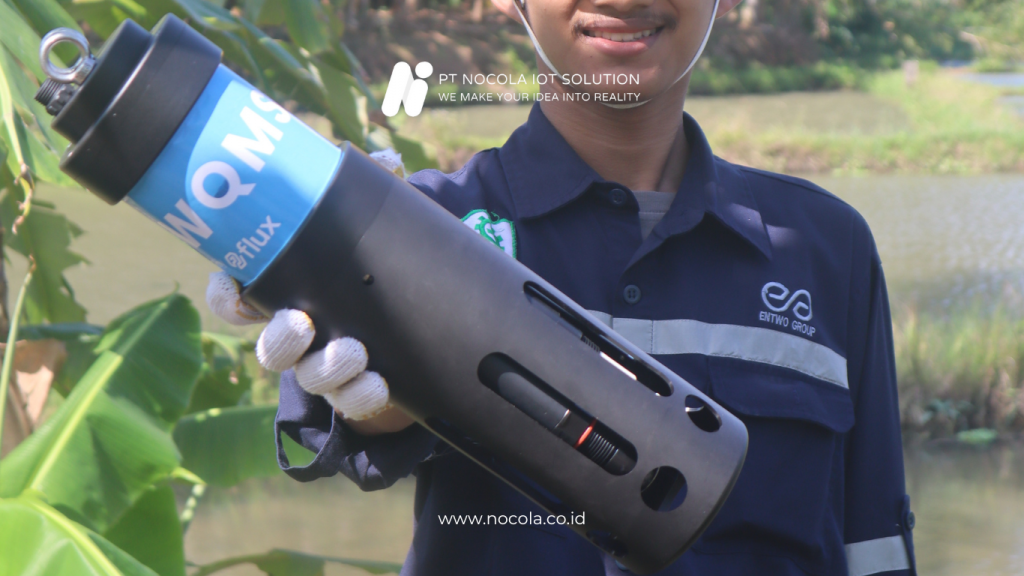
Mangrove forests play a crucial role as natural barriers protecting coastlines, maintaining ecosystem balance, and providing habitats for various marine and terrestrial species. However, threats from human activities, water pollution, and climate change make mangrove forests increasingly vulnerable. One modern solution to preserve this ecosystem is through the implementation of a Water Quality Monitoring System (WQMS), a digital technology based on the Internet of Things (IoT) that can monitor water quality in real-time.
This article will discuss how WQMS serves as an important innovation in the digitalization of mangrove conservation, its benefits, and strategies for its implementation in Indonesia.
Read Also: Environmental Regulation Compliance with CEMS.ID and Nocola’s WQMS
Mangrove forests are not just coastal forests; their existence serves multiple functions, including:
However, all these functions can be disrupted if the quality of water surrounding the mangrove forests declines drastically due to waste or environmental changes.
Some of the main challenges faced in the conservation of mangrove forests include:
This is where the role of the Water Quality Monitoring System becomes essential.
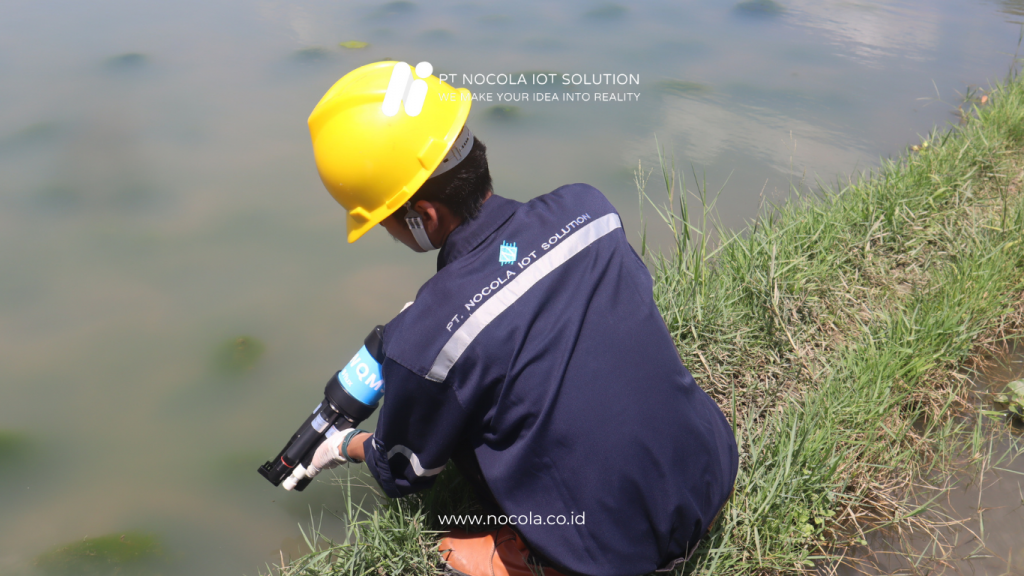
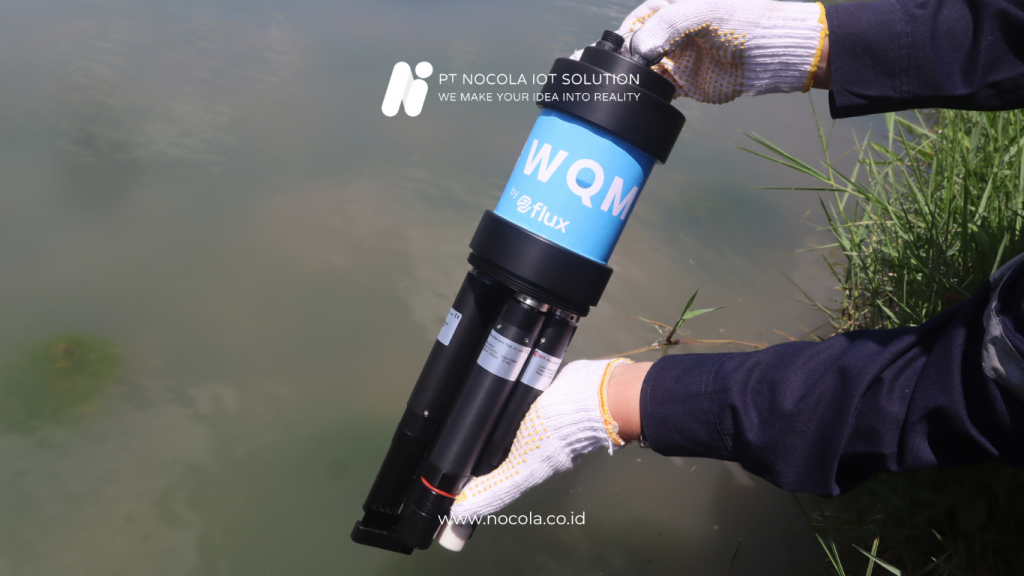
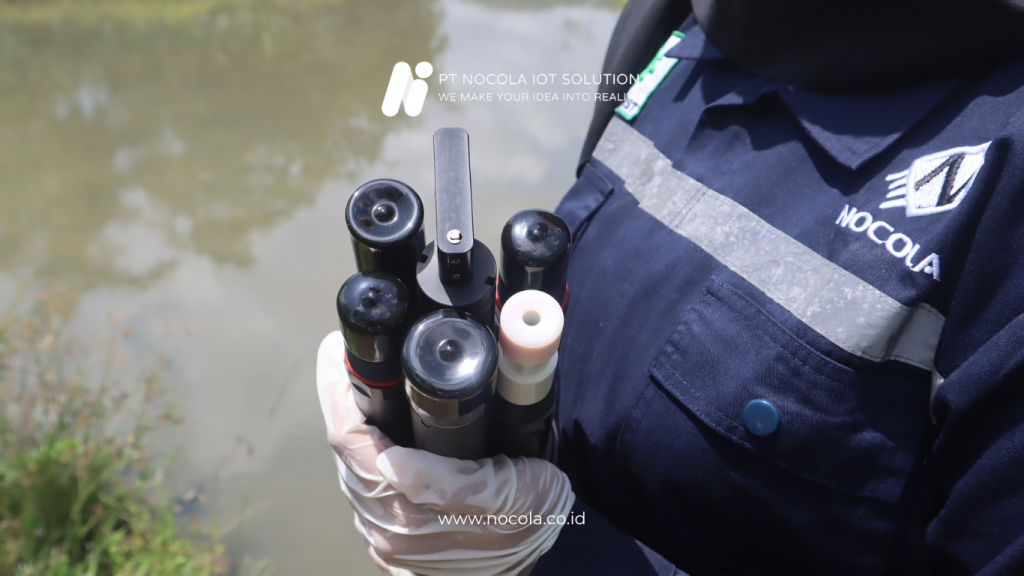
WQMS is an IoT-based system used to continuously and digitally monitor water quality. This system relies on strategically placed sensors to measure various water quality parameters.
Data from these sensors is sent to a server or cloud so that it can be accessed in real-time through a digital dashboard.
Digitalization of mangrove conservation means utilizing technology to optimize the protection and preservation of the forest. With WQMS, various parties can:
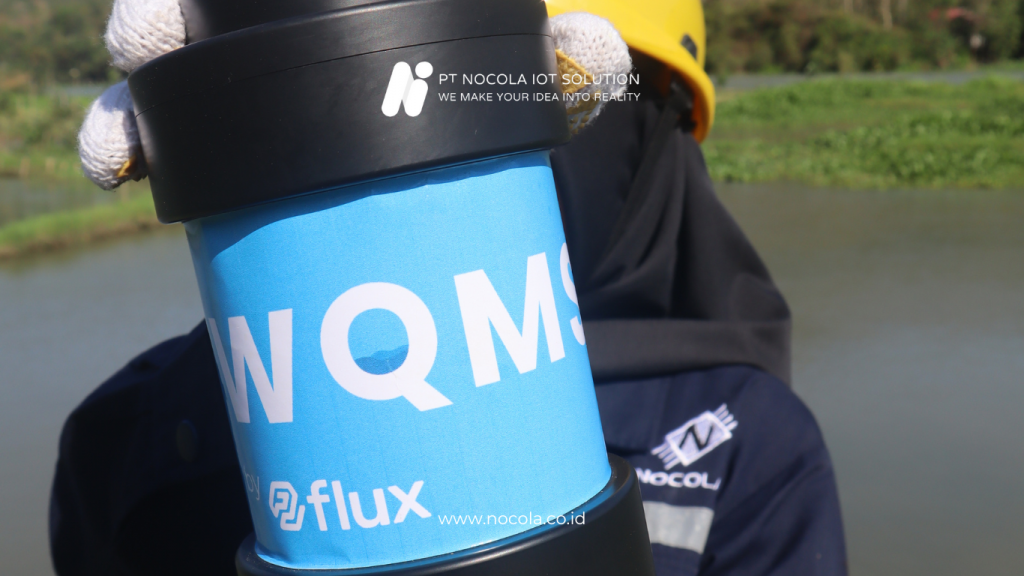
The mangrove forests are a highly valuable ecological asset for Indonesia. However, the challenges of environmental degradation demand a new approach to conservation. The Water Quality Monitoring System (WQMS) emerges as a digital solution to maintain water quality, prevent ecosystem degradation, and promote more efficient and transparent management.
By implementing WQMS, mangrove conservation is no longer reliant solely on human labor but on technology that provides real-time and accurate data. In the future, the combination of technological innovation, multi-party collaboration, and community awareness will be key to successfully preserving mangrove forests in Indonesia.

