Water Quality Monitoring System: Digitizing Mangrove Forest Conservation

Mangrove forests play a crucial role as natural barriers protecting coastlines, maintaining ecosystem balance, and providing habitats for various marine and terrestrial species. However, threats from human activities, water pollution, and climate change make mangrove forests increasingly vulnerable. One modern solution to preserve this ecosystem is through the implementation of a Water Quality Monitoring System (WQMS), a digital technology based on the Internet of Things (IoT) that can monitor water quality in real-time.

This article will discuss how WQMS serves as an important innovation in the digitalization of mangrove conservation, its benefits, and strategies for its implementation in Indonesia.
The Strategic Role of Mangrove Forests in the Ecosystem

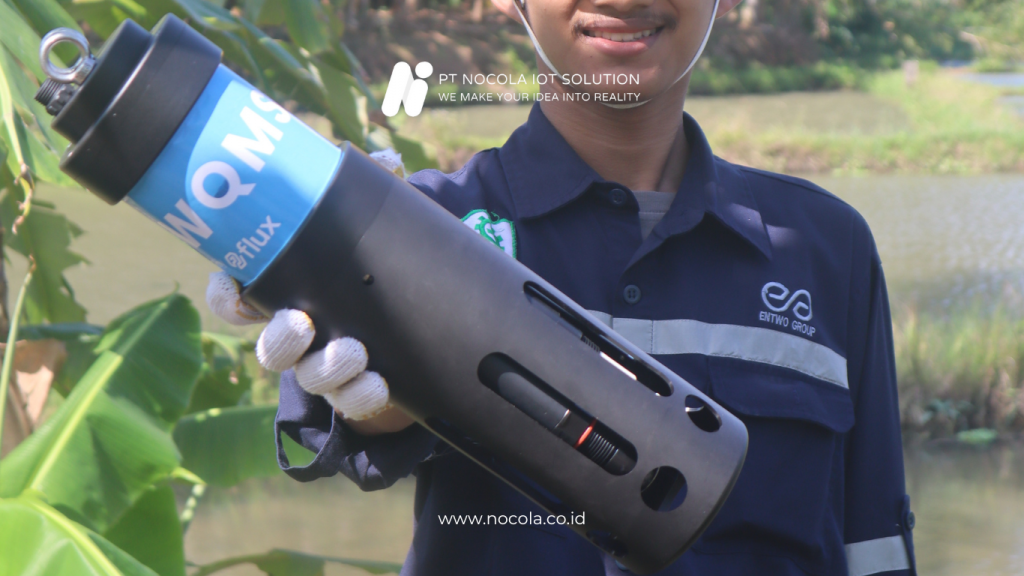
Mangrove Forests

Read Also: Environmental Regulation Compliance with CEMS.ID and Nocola’s WQMS

Mangrove forests are not just coastal forests; their existence serves multiple functions, including:

  • Coastal Protection: Mangrove roots can withstand abrasion and prevent coastal erosion.
  • Carbon Absorption: Mangroves store more carbon than land forests, making them effective in climate change mitigation.
  • Biodiversity Habitat: They provide breeding grounds for fish, crabs, birds, and various other fauna.
  • Natural Filter: Mangroves can filter pollutants and maintain water quality in the surrounding area.

However, all these functions can be disrupted if the quality of water surrounding the mangrove forests declines drastically due to waste or environmental changes.
Challenges in Mangrove Conservation

Challenges in Mangrove Conservation

Some of the main challenges faced in the conservation of mangrove forests include:

  1. Water Pollution: Industrial and household waste contaminates coastal areas.
  2. Land Exploitation: Land conversion for aquaculture or settlement often damages mangrove ecosystems.
  3. Lack of Data: A scarcity of real-time information about water conditions makes conservation measures less effective.
  4. Climate Change: Rising sea levels and salinity changes affect the sustainability of mangroves.

This is where the role of the Water Quality Monitoring System becomes essential.
What Is the Water Quality Monitoring System (WQMS)?

Water Quality Monitoring System

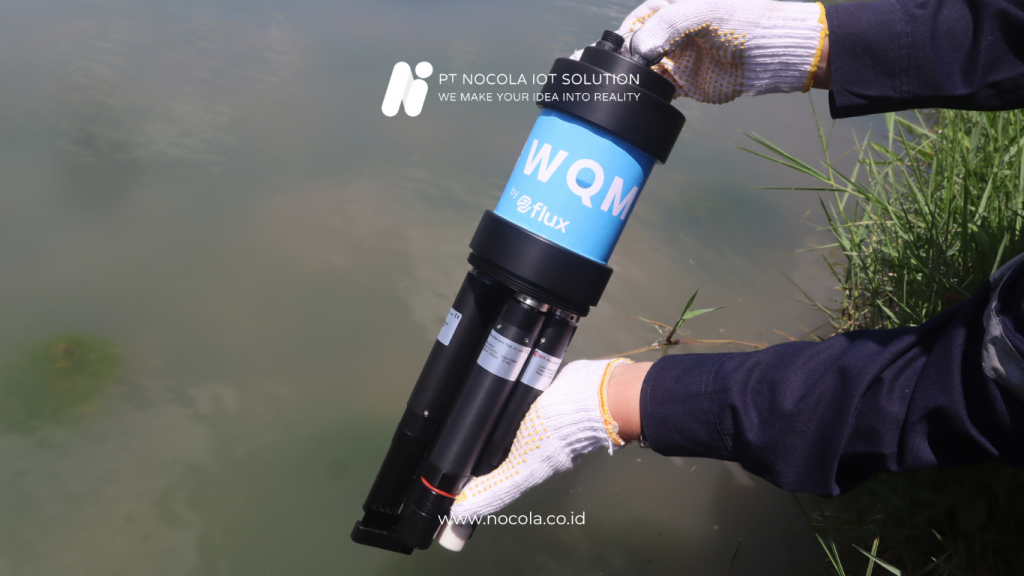
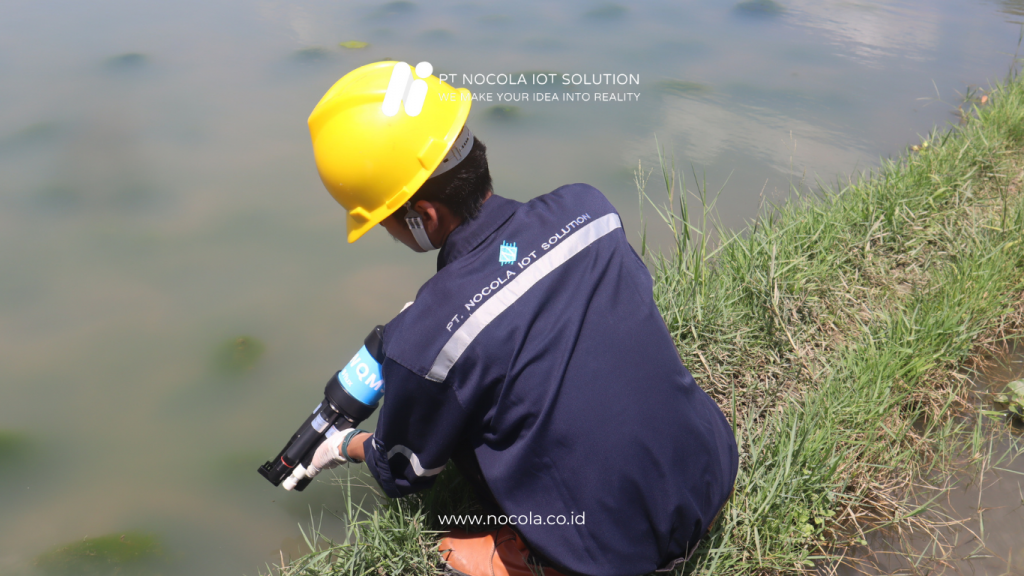
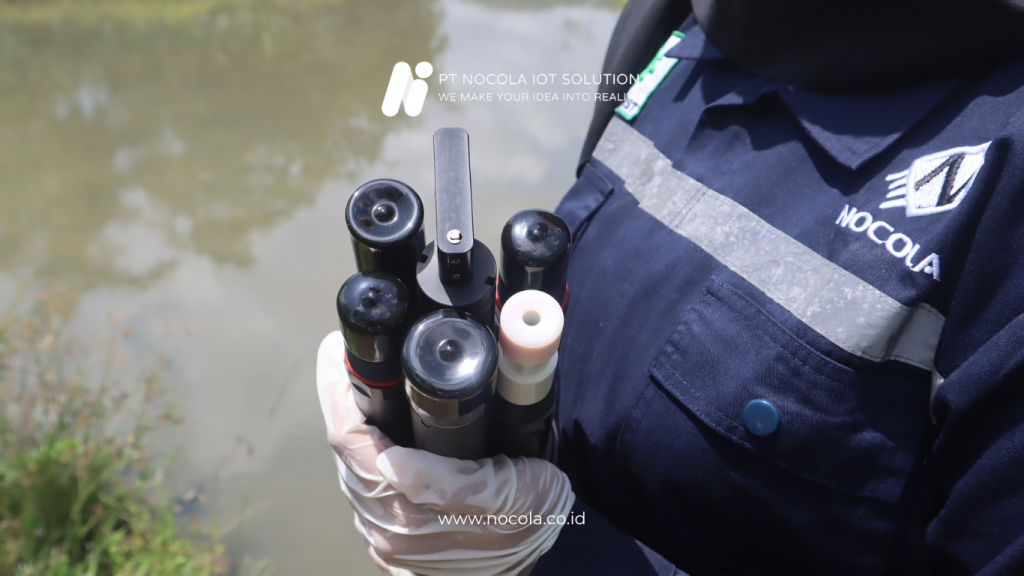
WQMS is an IoT-based system used to continuously and digitally monitor water quality. This system relies on strategically placed sensors to measure various water quality parameters.

Parameters Monitored by WQMS

  • Water pH → Determines the acidity or alkalinity of the water.
  • Dissolved Oxygen (DO) → Vital for aquatic organisms’ survival.
  • Water Temperature → Affects the metabolism and growth of biota.
  • Salinity → The level of salt affects the balance of the mangrove ecosystem.
  • Turbidity → Measures water clarity related to sediments and pollutants.
  • TDS (Total Dissolved Solids) → Indicates the concentration of dissolved substances in the water.

Data from these sensors is sent to a server or cloud so that it can be accessed in real-time through a digital dashboard.
Digitalizing Mangrove Conservation with WQMS

Digitalizing Conservation

Digitalization of mangrove conservation means utilizing technology to optimize the protection and preservation of the forest. With WQMS, various parties can:
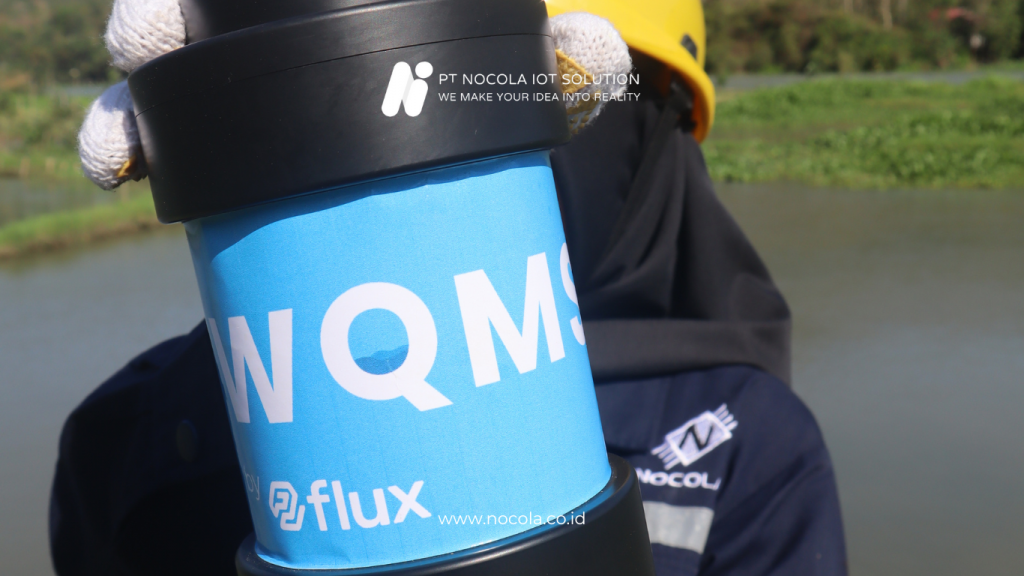
  • Monitor Water Quality 24/7 → Real-time data allows for early identification of problems.
  • Fast Decision Making → If a decline in water quality is detected, immediate mitigation actions can be taken.
  • Long-Term Data Integration → Historical data can be used for environmental trend analysis.
  • Multi-Party Collaboration → Data can be accessed by government, conservation agencies, academics, and the community.

Benefits of WQMS for Mangrove Conservation

Benefits of WQMS
  1. Prevention of Ecosystem Damage
    With continuous monitoring, damage due to pollution or environmental changes can be minimized.
  2. Support for Research and Education
    The generated data can be used for academic research and community education.
  3. Cost and Time Efficiency
    Compared to labor-intensive manual methods, automated systems are much more efficient.
  4. Data Transparency
    Water quality information can be published openly to increase public awareness.
  5. Support for Sustainable Tourism
    Well-preserved mangrove forests can become eco-tourism destinations.

Conclusion

The mangrove forests are a highly valuable ecological asset for Indonesia. However, the challenges of environmental degradation demand a new approach to conservation. The Water Quality Monitoring System (WQMS) emerges as a digital solution to maintain water quality, prevent ecosystem degradation, and promote more efficient and transparent management.

By implementing WQMS, mangrove conservation is no longer reliant solely on human labor but on technology that provides real-time and accurate data. In the future, the combination of technological innovation, multi-party collaboration, and community awareness will be key to successfully preserving mangrove forests in Indonesia.

Leave a Reply

Your email address will not be published. Required fields are marked *

×

Talk with our support

× Hi. there