Physical Address
304 North Cardinal St.
Dorchester Center, MA 02124
Physical Address
304 North Cardinal St.
Dorchester Center, MA 02124

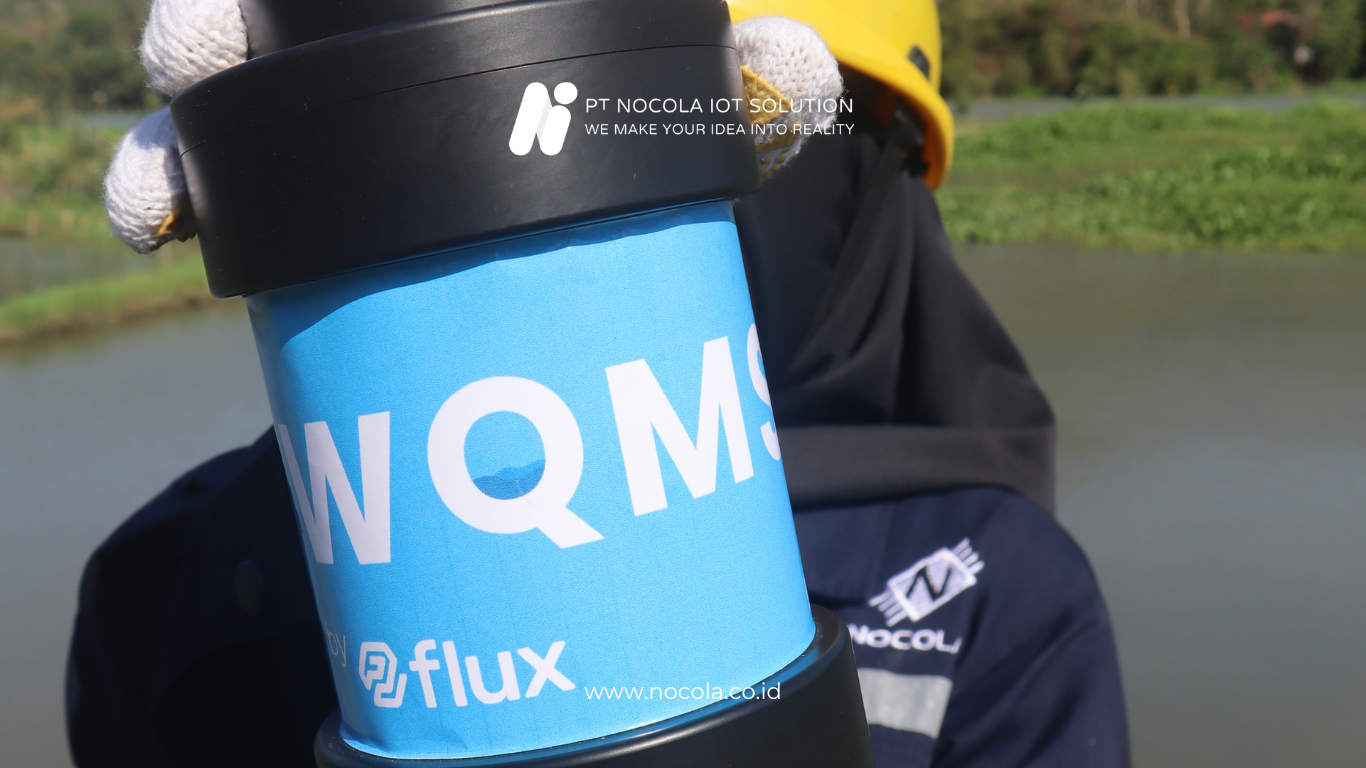
A healthy and sustainable environment is a fundamental foundation for human life. However, pressures from industrial activities, agriculture, and urbanization make water quality increasingly vulnerable to pollution. To address these challenges, digital technologies such as the Water Quality Monitoring System (WQMS) have emerged as innovative solutions to maintain water ecosystems.
With real-time water quality monitoring, WQMS enables companies, governments, and conservation organizations to obtain accurate, fast, and transparent data. This article will discuss in depth how WQMS plays a crucial role in environmental conservation, its benefits for industries and society, and how its implementation drives sustainability targets.
Read Also: Advantages of WQMS in Water Resource Management
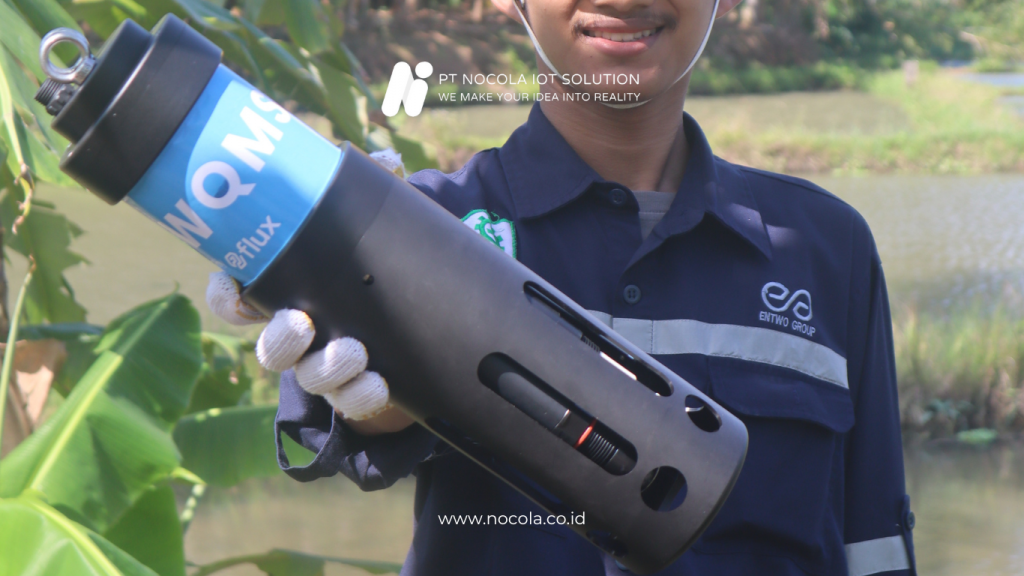
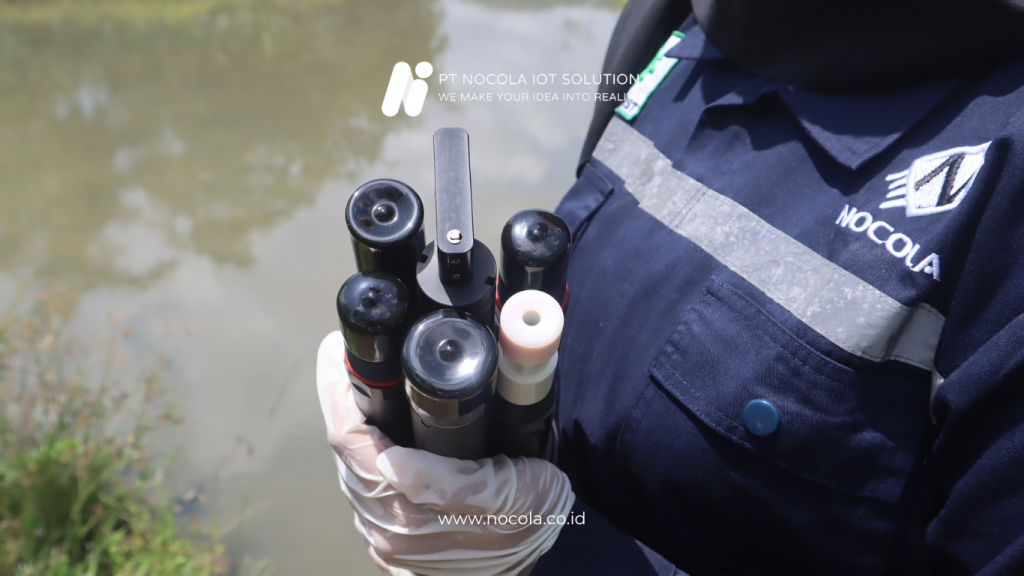
Water Quality Monitoring System (WQMS) is a digital system designed to monitor water quality through automated sensors integrated with analytical dashboards. This system is capable of measuring various critical parameters such as:
With a combination of advanced sensors and Internet of Things (IoT) technology, WQMS provides crucial real-time information necessary for decision-making in water management.
Water is the source of life. However, pollution from industrial waste, domestic waste, and agricultural activities causes many water ecosystems to lose their functions. The impacts include:
This is where the role of WQMS becomes vital. The system enables quicker detection of pollution, allowing preventive actions to be taken before damage worsens.
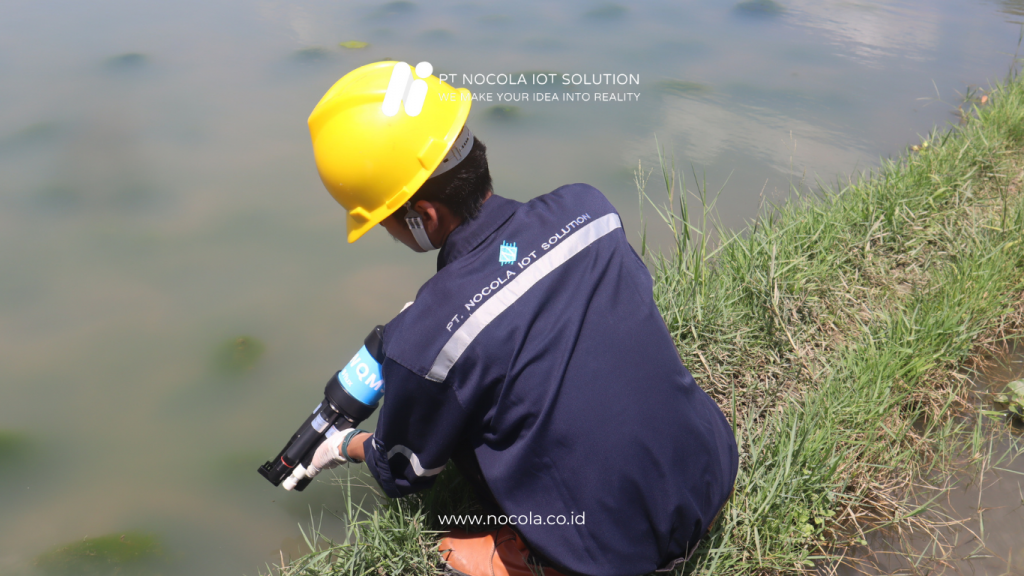
With real-time data, WQMS helps detect changes in water parameters that indicate pollution, such as decreases in dissolved oxygen levels or increases in turbidity.
Data from WQMS can be accessed by various stakeholders, including internal company personnel and regulatory bodies, enhancing accountability in environmental management.
Compared to manual methods, utilizing WQMS reduces the need for repeated field inspections, leading to lower operational costs for the company.
For companies, WQMS serves as tangible evidence of commitment to sustainability and achieving ESG targets, increasingly becoming a global demand.
The use of WQMS also contributes to educating the public about the importance of maintaining water quality as an environmental asset.
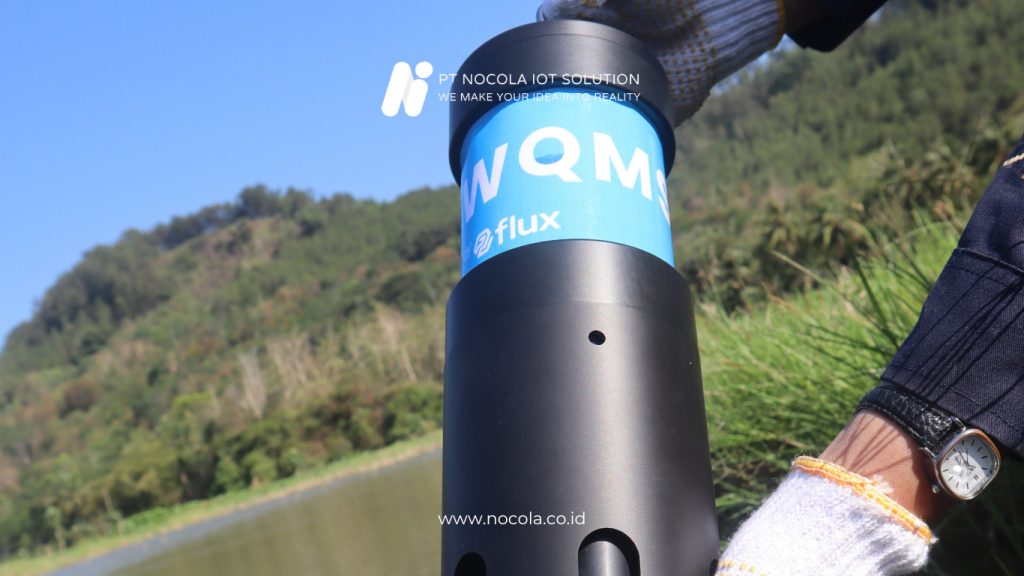
Industries generating liquid waste are required to monitor the quality of their wastewater before disposal. With WQMS, companies can ensure compliance with environmental regulations.
In modern agriculture and fisheries, controlled water quality is key to success. WQMS helps maintain ecosystem balance for optimal yields.
PDAM requires raw water with specific quality. WQMS helps detect changes in water quality to ensure that production processes comply with health standards.
Local governments and NGOs can utilize WQMS to monitor rivers, reservoirs, and conservation areas such as mangrove forests or lakes.
Power plants that use water for cooling must monitor water quality to avoid negative impacts on the surrounding environment.
Environmental conservation can no longer be postponed, and WQMS serves as a vital technology to address these challenges. With real-time water quality monitoring, WQMS allows industries, governments, and communities to:
In the digital era, environmental conservation with WQMS is no longer an option but a necessity. Investing in this system not only sustains business continuity but also protects the future of the planet we all inhabit.

