Physical Address
304 North Cardinal St.
Dorchester Center, MA 02124
Physical Address
304 North Cardinal St.
Dorchester Center, MA 02124

The maritime sector is a vital route for trade and transportation across the globe. However, the risks of accidents and navigation difficulties remain major challenges. In today’s digital era, tracking buoy technology is increasingly relied upon as the latest innovation in maritime safety, combining navigation accuracy and real-time monitoring of sea conditions.
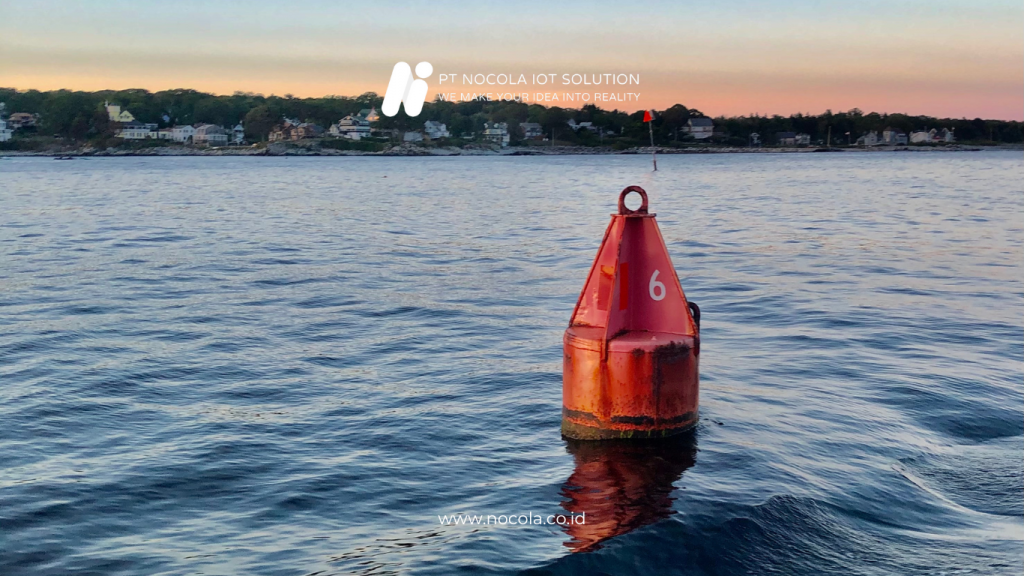
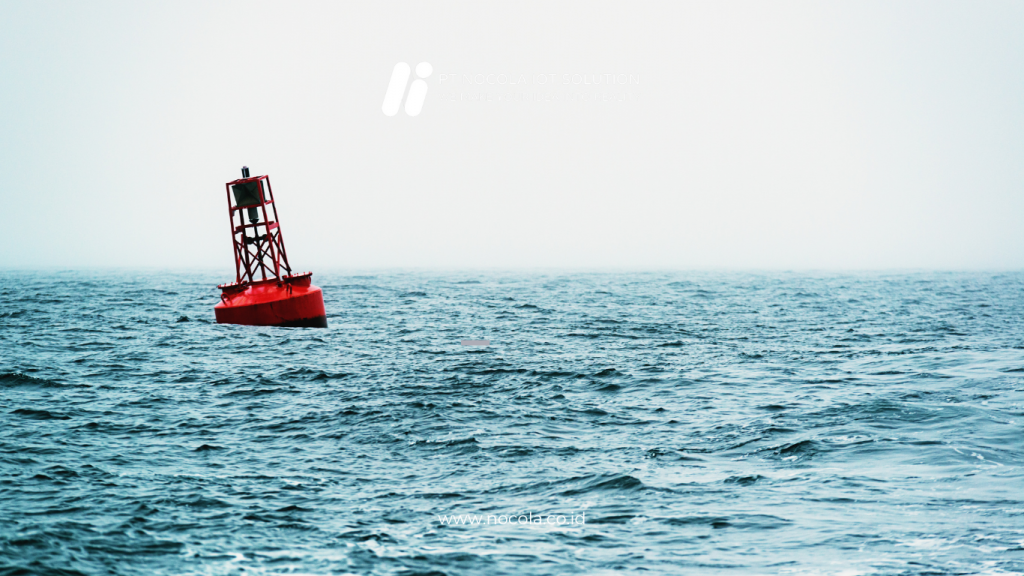
Tracking buoy is a floating device equipped with sensors and IoT (Internet of Things) monitoring systems to track vessel activities, weather conditions, sea currents, and potential navigation hazards. These modern buoys are connected to satellite systems and cloud-based applications, allowing data to be accessed directly by maritime authorities and ship operators.
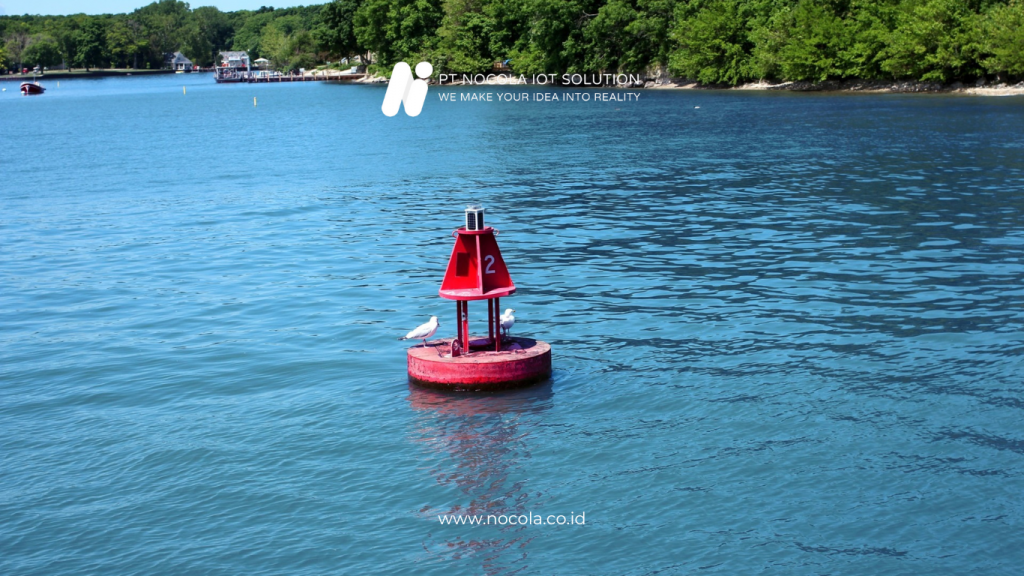
Tracking buoys help mark safe shipping routes with high accuracy, reducing the risk of vessels losing direction or colliding with underwater obstacles.
Sensors on the buoys collect data on water temperature, waves, currents, and the possibility of storms. This information is crucial for route determination and operational decision-making for ships.
With GPS and satellite technology, vessel positions can be continuously monitored in real-time. In the event of an accident, coordinates can be quickly identified to expedite evacuation or rescue efforts.
Data from various buoys can be processed in central maritime control systems to facilitate vessel traffic management and prevent collisions in busy routes.
Many of the latest tracking buoys are enhanced with artificial intelligence (AI) for predictive analysis of weather conditions and potential hazards, allowing operators to make proactive decisions.
Modern buoys commonly utilize solar panels for power, enabling long-term operation without the need for routine battery replacements.
The integration of 5G satellite networks allows for high-speed data transmission even in remote ocean areas far outside normal signal range.
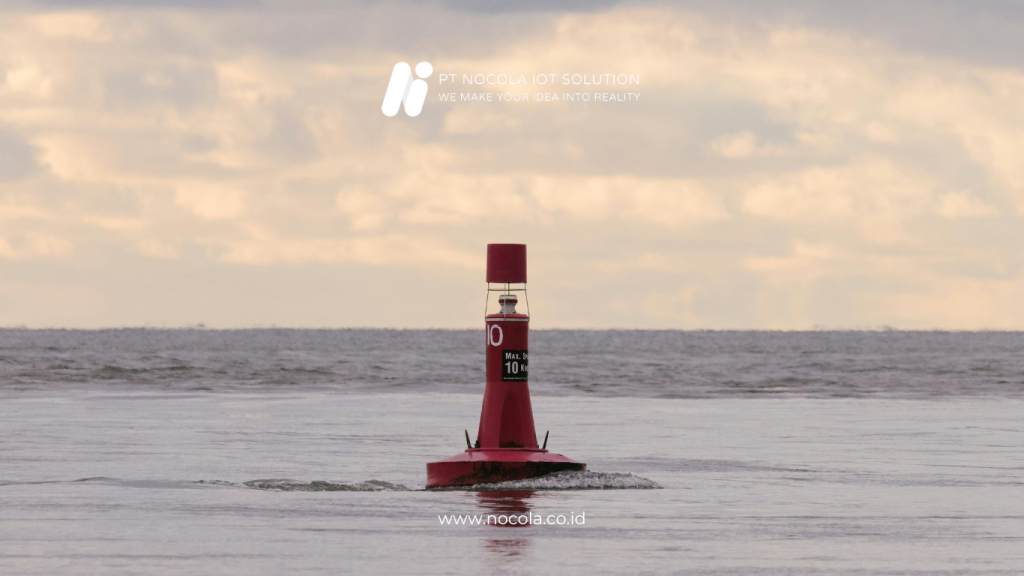
According to a report by Indonesia’s Ministry of Transportation in 2024, the implementation of tracking buoys has helped improve the national maritime safety index, reducing vessel accidents by 20% over the past year, especially in the busy waters of the Sumatra and Java shipping lanes.
Local technology company PT Nocola IoT Solution has developed an advanced tracking buoy system integrated with a mobile monitoring application. This solution allows maritime authorities and ship owners to monitor vessel conditions and positions in real time, as well as receive early warnings via their smartphones.
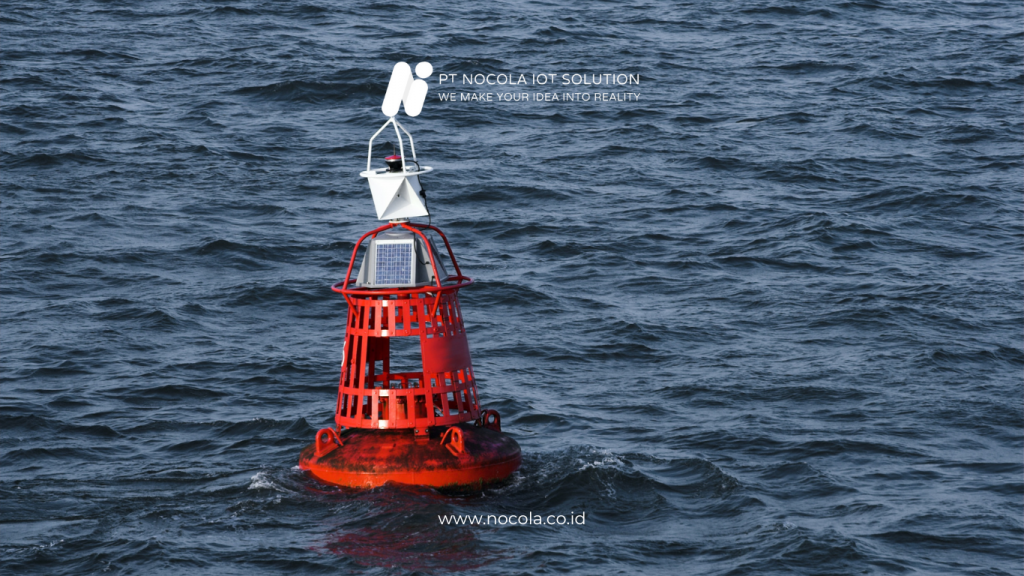
Want to enhance the safety and operational efficiency of your maritime activities with the latest tracking buoy technology? PT Nocola IoT Solution offers world-class digital technology solutions that can be customized and integrated into your maritime systems. Contact us now for a consultation and demo!

