Physical Address
304 North Cardinal St.
Dorchester Center, MA 02124
Physical Address
304 North Cardinal St.
Dorchester Center, MA 02124

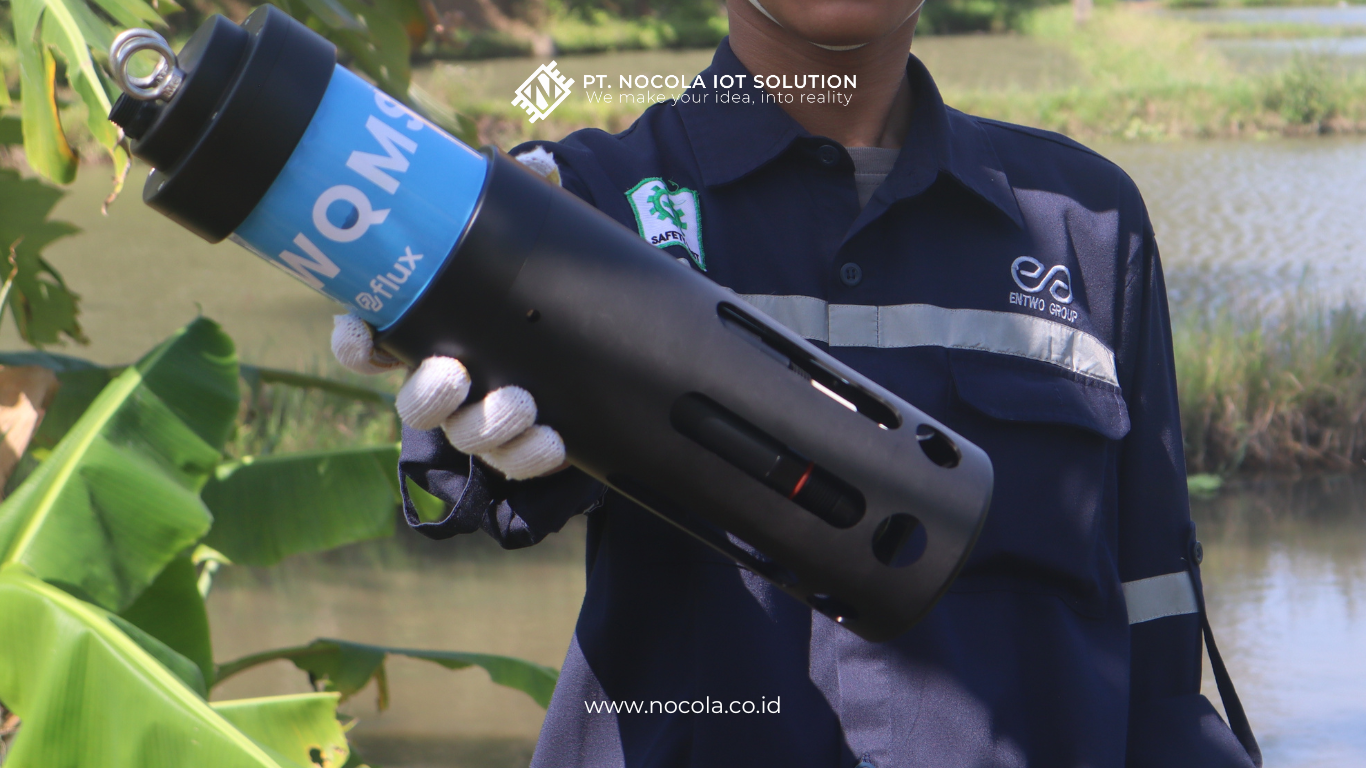
Managing water resources has become increasingly critical amidst global challenges such as climate change, pollution, and rising demand for clean water. In this context, modern technology like the Water Quality Monitoring System (WQMS) serves as a significant solution to ensure water quality. This article explores the advantages of WQMS in supporting sustainable water resource management.
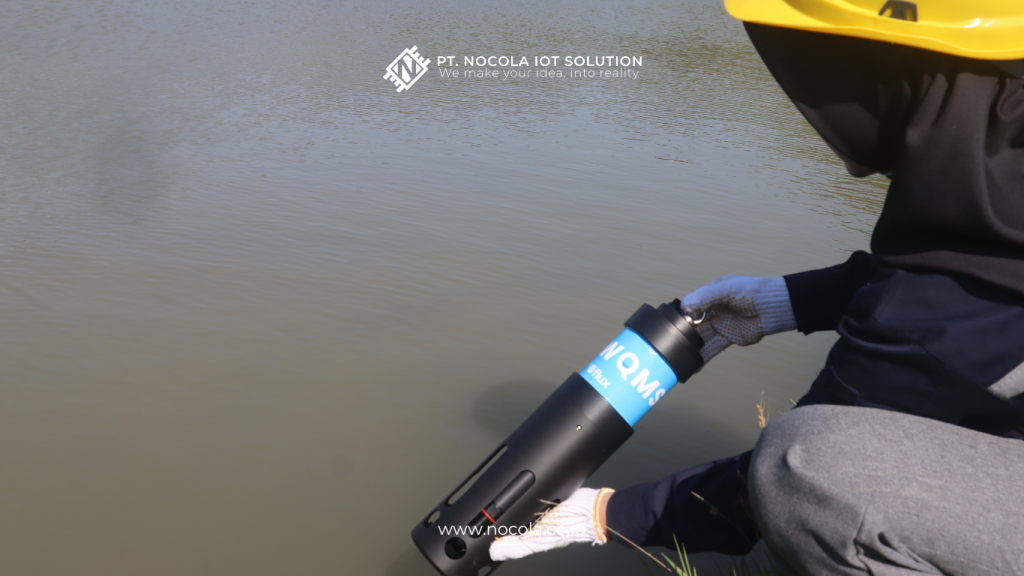
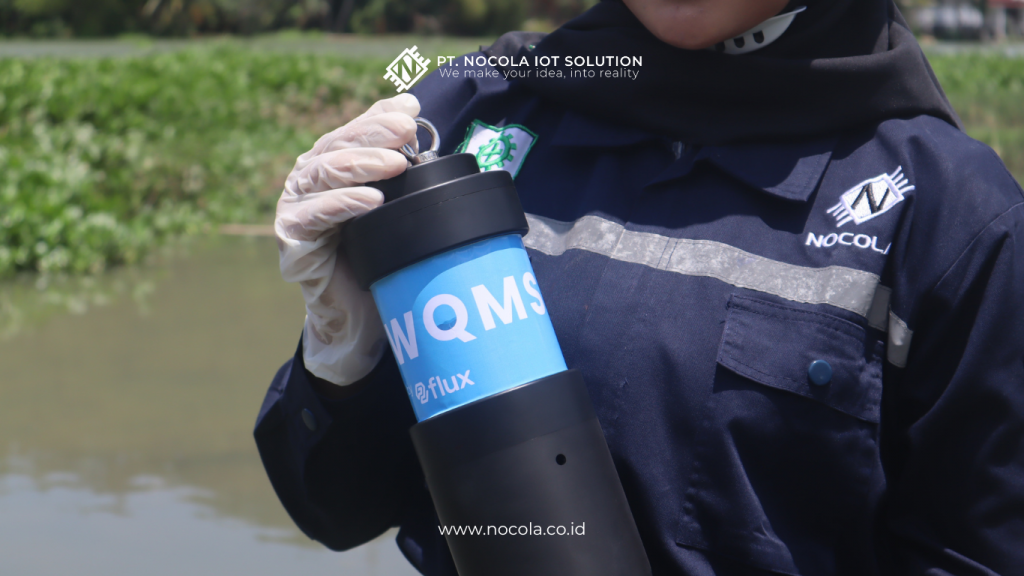
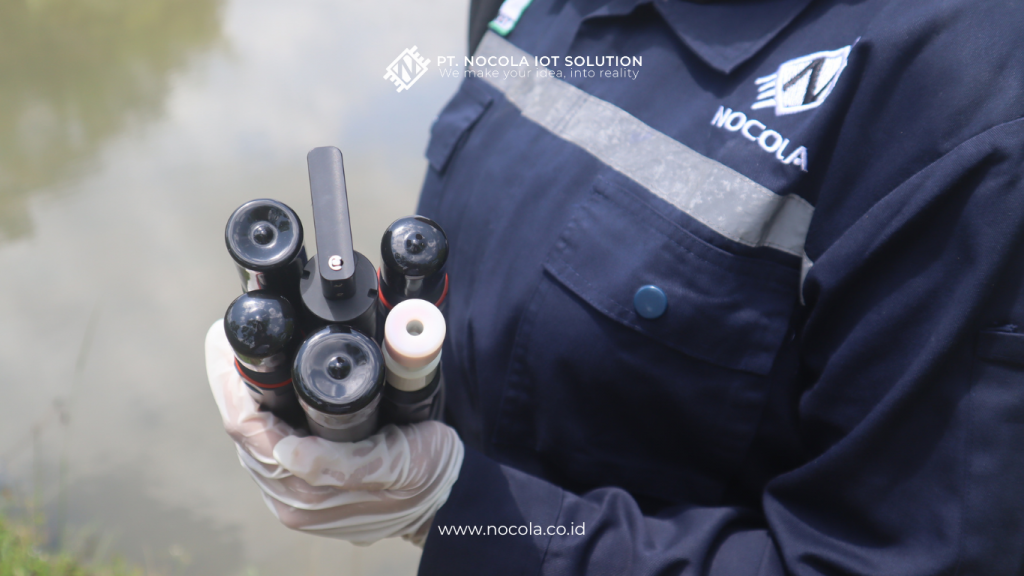
Water Quality Monitoring System (WQMS) is a technology-driven system designed to monitor water quality in real-time. Using advanced sensors, it measures key parameters such as pH, temperature, dissolved oxygen (DO), and turbidity levels. Data collected by WQMS can be accessed through web-based dashboards or applications, enabling more efficient and responsive water management.
Before understanding the role of WQMS, it is essential to recognize the major challenges in water resource management:
One of WQMS’s key strengths is its ability to monitor water quality in real-time. This information allows users to quickly detect changes in water parameters and take corrective actions before issues escalate.
WQMS employs high-precision sensors that provide reliable data. This data aids in decision-making and can be integrated with other systems such as IoT or big data platforms for advanced analysis.
WQMS reduces operational costs by minimizing the need for manual inspections. Automated monitoring also lowers the risk of human error, improving overall efficiency.
Many countries enforce strict regulations on water quality. WQMS helps organizations meet environmental standards, avoiding penalties or other repercussions.
By providing essential data for better water resource management, WQMS supports sustainability initiatives, protecting aquatic ecosystems and ensuring clean water supplies for future generations.
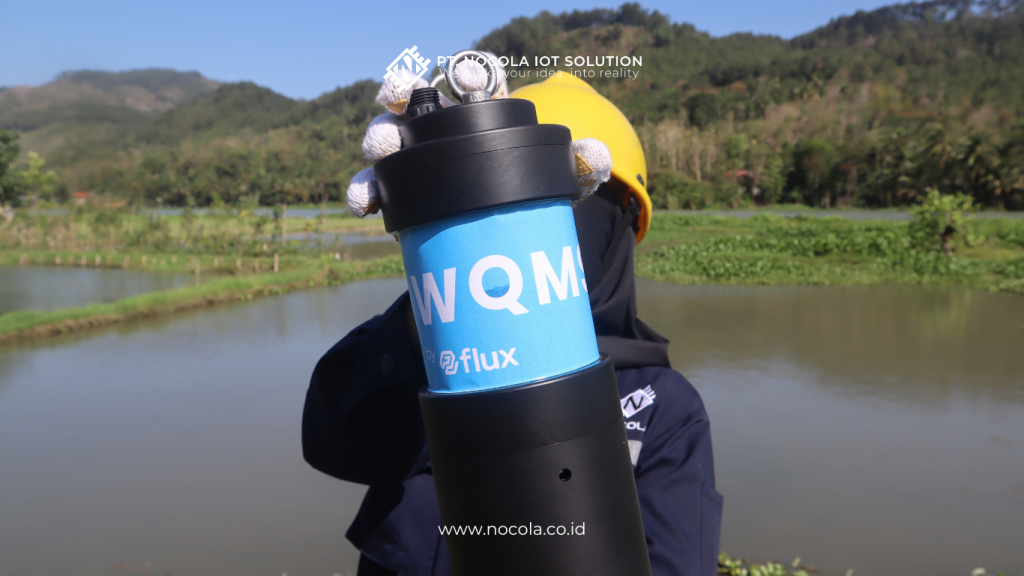
WQMS is invaluable in industries like manufacturing, energy, and food processing, ensuring that wastewater complies with environmental standards before discharge.
Governments can use WQMS to monitor water quality in rivers, lakes, or reservoirs continuously. The data can also support research and policy-making for water management.
In agriculture, WQMS ensures that irrigation water meets specific quality standards, enhancing crop yields and safeguarding plants from contamination.
Water supply companies can use WQMS to ensure that distributed water meets health and quality standards.
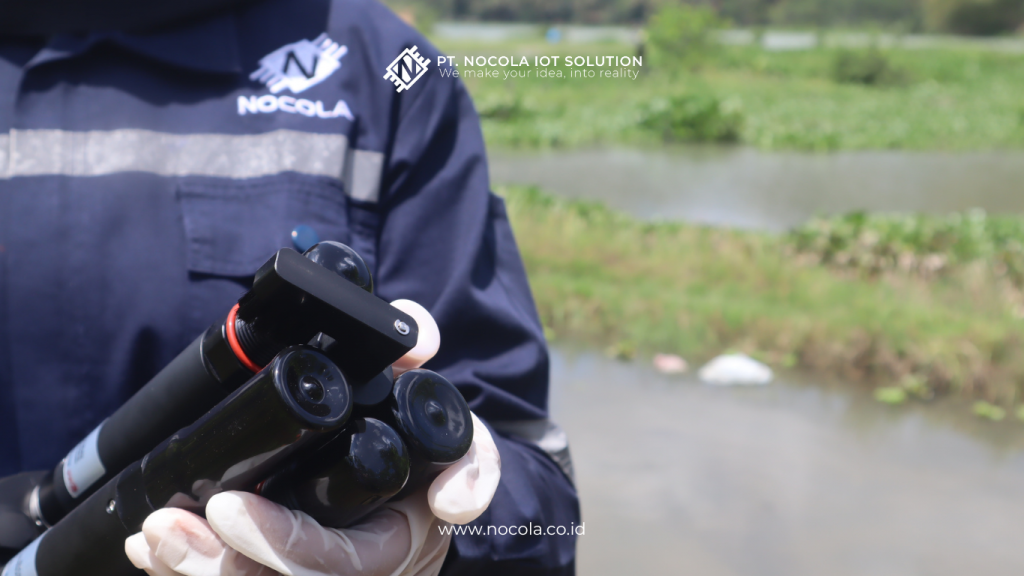
With technological advancements, WQMS continues to evolve, becoming more sophisticated and efficient. Integration with technologies like Artificial Intelligence (AI) and Internet of Things (IoT) opens new possibilities for innovative water management solutions. For example, AI can assist in predictive analysis to identify potential problems before they occur.
Additionally, the decreasing costs of hardware and software make WQMS adoption feasible for more organizations, including rural areas and developing countries. This broader adoption can have a positive global impact on water quality.
Water Quality Monitoring System (WQMS) is a crucial solution to address water resource management challenges. With advantages such as real-time monitoring, accurate data, operational efficiency, and support for sustainability, WQMS helps various sectors maintain water quality while complying with environmental regulations.