Physical Address
304 North Cardinal St.
Dorchester Center, MA 02124
Physical Address
304 North Cardinal St.
Dorchester Center, MA 02124


The advancement of technology today has given birth to various innovations that change the way we live, work, and interact with our environment. One of the fastest-growing technologies is IoT – Internet of Things. IoT is now present in nearly all aspects of life, from homes and transportation to industries and public services. Although often mentioned, many people still do not fully understand what IoT is and how this technology works.
This article discusses thoroughly the definition of IoT, how it works, its benefits, and examples of its applications that you can encounter every day.
Read More: Implementasi IoT Pertanian dengan FluxFarming
IoT, or the Internet of Things, is a concept that connects physical devices to the internet, allowing these devices to automatically collect, send, and receive data. These devices can be anything from lights, air conditioning units, industrial machines, water quality sensors, to vehicles.
With IoT, previously “dumb” objects become capable of:
IoT makes devices smarter and more interactive, thus simplifying human tasks.
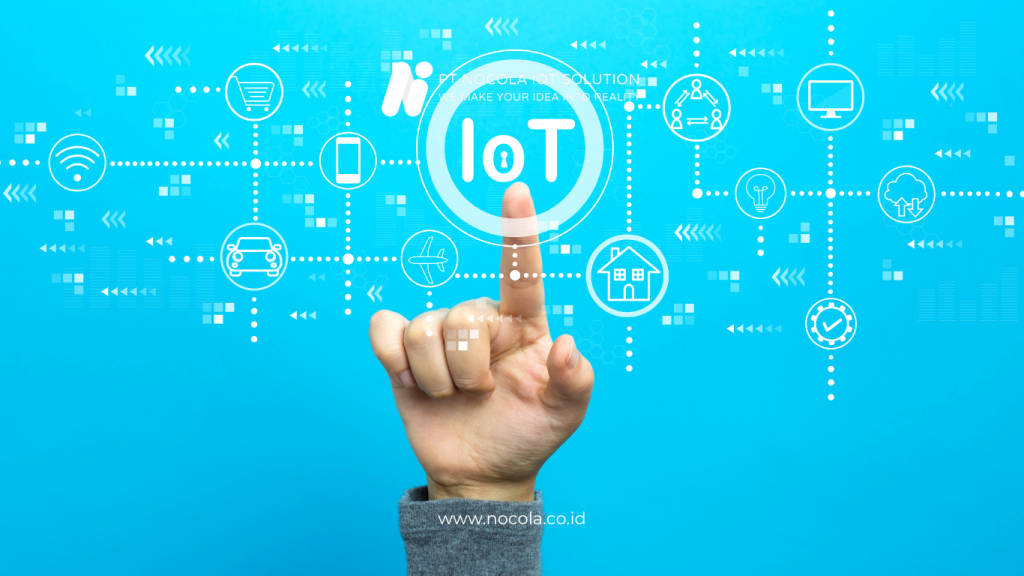
IoT operates through the interconnection of several key components:
IoT devices always have sensors or components capable of collecting data. Examples include:
These sensors serve as the “eyes and ears” of IoT devices.
The data collected by sensors must be sent to a server or cloud. IoT connectivity can use:
Data from the devices will be processed through the cloud. Here, the system analyzes the data, stores information, and sends instructions back to the devices.
Users access the data via applications or dashboards, allowing them to monitor device conditions and perform remote control.
IoT enables systems to operate automatically based on received data. Examples include:
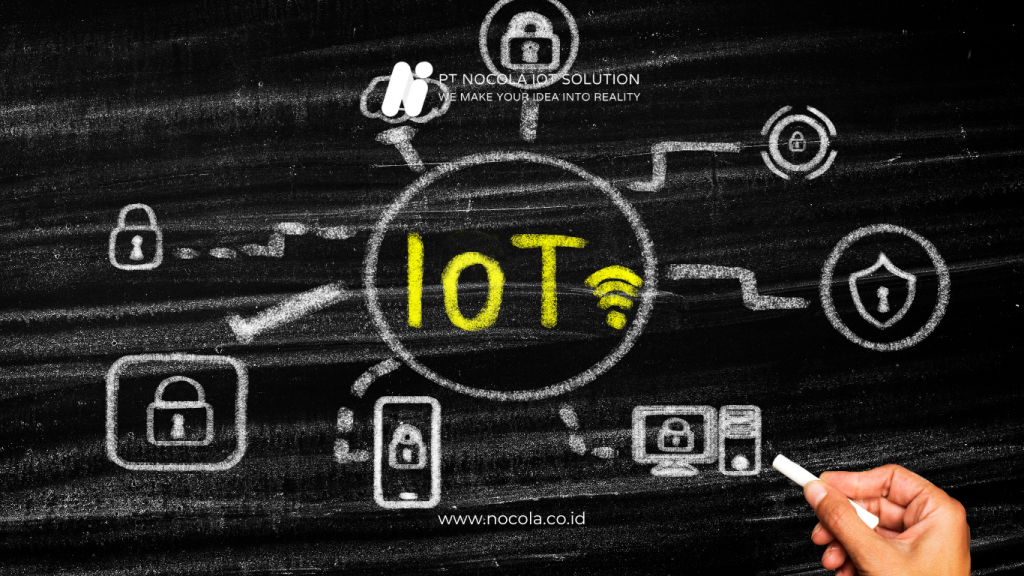
IoT technology is not just an innovation; it provides real solutions that bring significant benefits to everyday life as well as the industrial world.
IoT helps save time by automating many tasks. For example, a smart home system can automatically turn on lights or air conditioning when you are nearby.
In industries, IoT helps reduce costs through:
Various IoT systems such as smart CCTV, fire sensors, and smart locks can improve safety for both homes and industrial facilities.
IoT provides real-time data that is useful for fast and accurate decision-making.
From smart vehicles and smart farming to smart health, IoT makes life more practical, safe, and comfortable.
IoT is not a technology of the future—it is already widely used in daily activities. Here are some of the most common examples.
One of the most popular applications of IoT is in smart homes.
Examples include:
Homes become safer, more comfortable, and energy-efficient.
IoT is present in healthcare through wearable devices.
Examples of devices:
With IoT, doctors and families can monitor patient conditions anytime.
Smart transportation uses sensors and GPS to improve safety and comfort.
Examples include:
This technology eases mobility and reduces travel time.
Farmers now utilize IoT sensors to enhance yields and reduce risks.
Examples include:
Crops yield larger harvests with a lower risk of failure.
City governments use IoT to improve public services.
Examples include:
Smart cities help save energy and improve residents’ quality of life.
In manufacturing, IoT is the backbone of digital transformation.
Examples of IoT use in industries:
IoT makes operations more efficient and minimizes downtime.
The Internet of Things (IoT) is a technology that connects physical devices to the internet to collect and exchange data. IoT brings many benefits, ranging from increased efficiency and enhanced security to making everyday life more comfortable.
Today, IoT is not only utilized by large companies but is also present in homes, agriculture, transportation, healthcare, and public services. With the rapid pace of technological advancement, IoT is predicted to become an integral part of human life in the coming years.