Physical Address
304 North Cardinal St.
Dorchester Center, MA 02124
Physical Address
304 North Cardinal St.
Dorchester Center, MA 02124


In this rapidly advancing digital transformation era, user experience has become an increasingly important focus. Two technologies that are currently on the rise and play a significant role in enhancing digital experiences are Augmented Reality (AR) and Virtual Reality (VR). These technologies provide users with interactive and immersive experiences, changing the way we interact with the digital world. In this article, we will discuss how AR and VR work, their benefits across various sectors, and the impact they have on user experience in the digital realm.
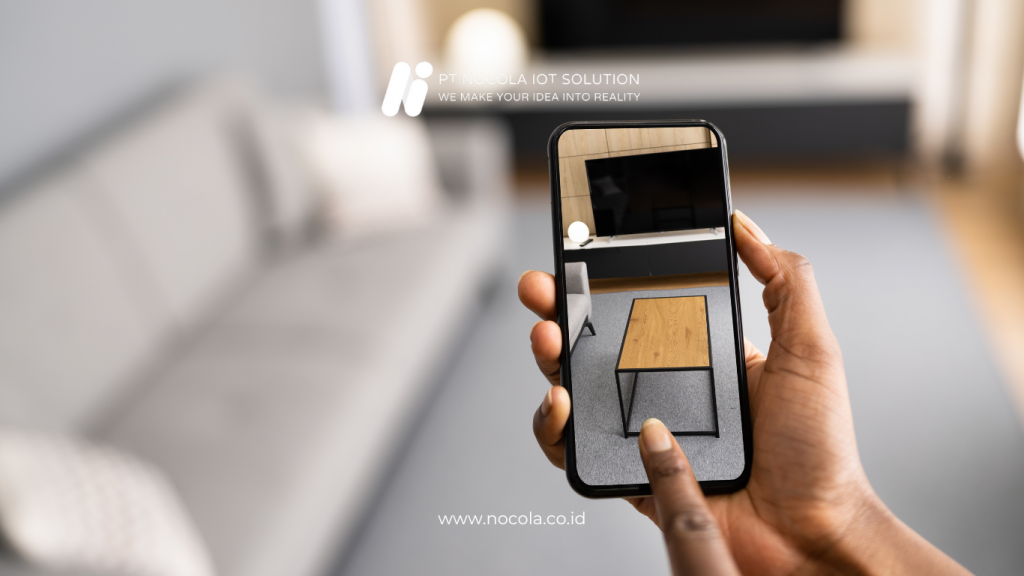
Augmented Reality (AR) is a technology that combines digital elements—such as graphics, sound, or data—with the real world. With AR, users can see digital information overlaid onto their environment through devices such as smartphones or AR glasses.
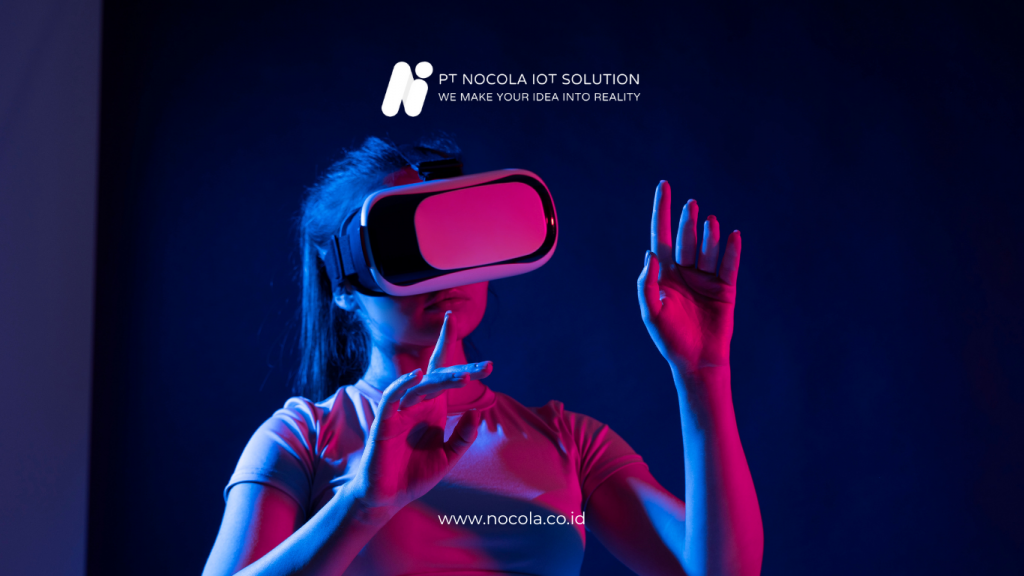
Virtual Reality (VR) is a technology that creates a fully digital environment that users can experience using VR headsets. With VR, users can feel as if they are in another place, interacting with digital objects in a three-dimensional space.
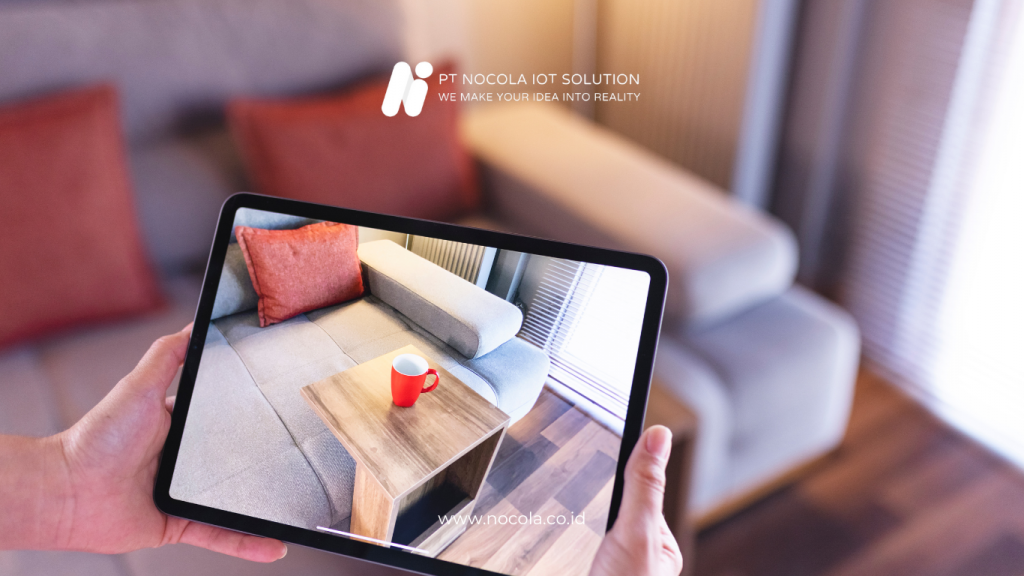
| Feature | Augmented Reality (AR) | Virtual Reality (VR) |
|---|---|---|
| Interaction | Combines digital elements with the real world. | Creates a fully separate digital environment. |
| Devices | Smartphones, tablets, AR glasses. | Specialized VR headsets. |
| Experience | Focuses on interactive and informative experiences. | Provides a deep immersive experience. |
| Applications | Games, marketing, education, and design. | Training, gaming, simulations, and therapy. |
AR and VR provide customers with a new way to interact with products and services. Immersive experiences tend to increase customer satisfaction and build loyalty.
In many industries, AR- and VR-based training proves to be more effective than traditional methods. Users can learn by doing, which enhances understanding and retention of information.
AR and VR open new opportunities for innovation across various sectors. Companies that adopt these technologies can often create new products or services that better meet customer needs.
Both technologies can reduce costs in various ways, such as decreasing the need for physical prototyping in product design or simplifying training processes that were previously expensive.
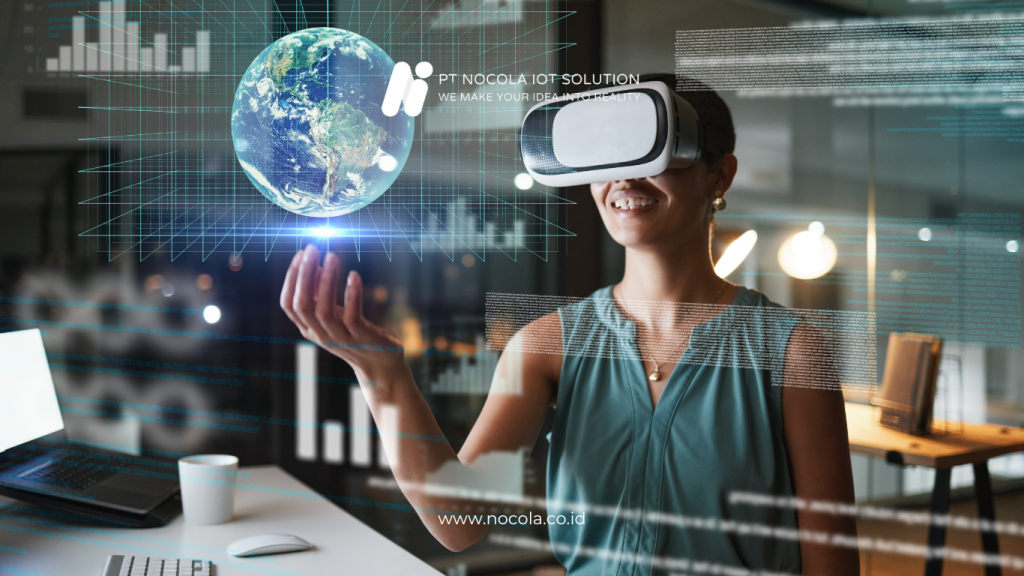
In the retail sector, AR technology allows customers to virtually try on clothes or jewelry before making a purchase. Meanwhile, VR is used to create immersive shopping experiences where consumers can explore stores without going to a physical location.
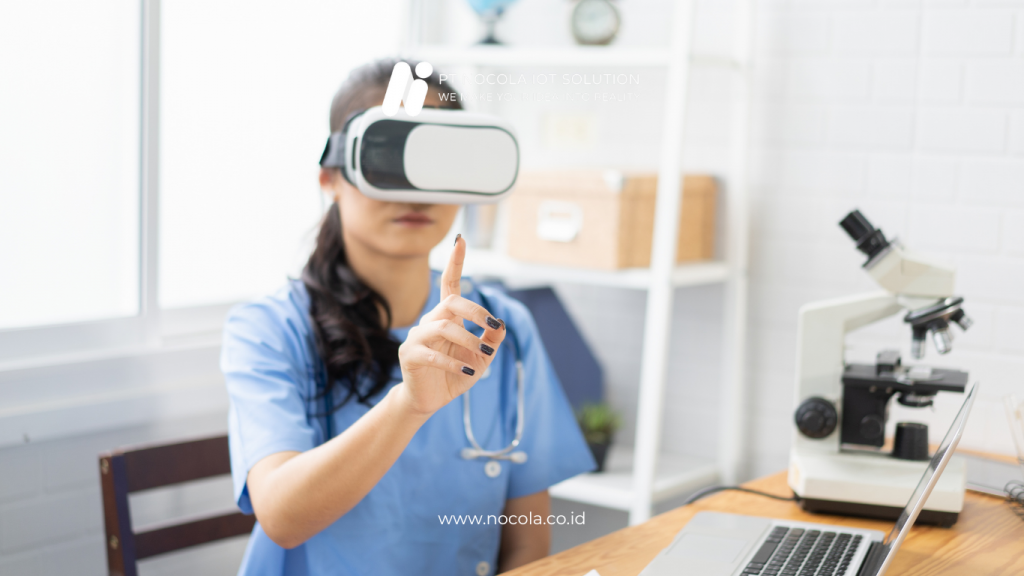
In the medical field, VR is used for surgical training where prospective doctors can practice without risk to patients. AR can be used to provide additional visualization during surgeries or medical consultations.
AR and VR can elevate the learning experience to a higher level. With VR, students can explore virtual worlds, such as visits to other planets, while AR can provide additional information when students learn about various topics.
In this sector, AR makes it easier to interact with ads. For example, fashion brands can use AR applications to allow customers to virtually try products on, enhancing engagement and reinforcing brand messaging.
First, companies should establish specific objectives for implementing AR or VR technology. Whether it’s to enhance customer interaction, improve employee training, or boost production efficiency, understanding the goals will help select the right applications.
Depending on the project goals, choose appropriate technology and platforms. For example, for AR projects, companies may want to use established mobile devices or develop new platforms.
Develop early prototypes to test ideas and receive initial user feedback. This helps identify issues and customize applications before full launch.
Once development is complete, launch the AR or VR solution and gather feedback from users. This is important for refining and adjusting applications to meet their needs.
Augmented Reality (AR) and Virtual Reality (VR) offer new ways to interact with the digital world, providing deeper and more engaging experiences. With innovative solutions like those offered by Nocola, companies can enhance productivity, efficiency, and customer satisfaction.
By following the steps discussed and wisely implementing AR and VR technology, we can harness the full potential that digital transformation offers for a smarter and more sustainable future. Let us welcome a new era where technology better supports our lifestyles and ways of working.

