Physical Address
304 North Cardinal St.
Dorchester Center, MA 02124
Physical Address
304 North Cardinal St.
Dorchester Center, MA 02124

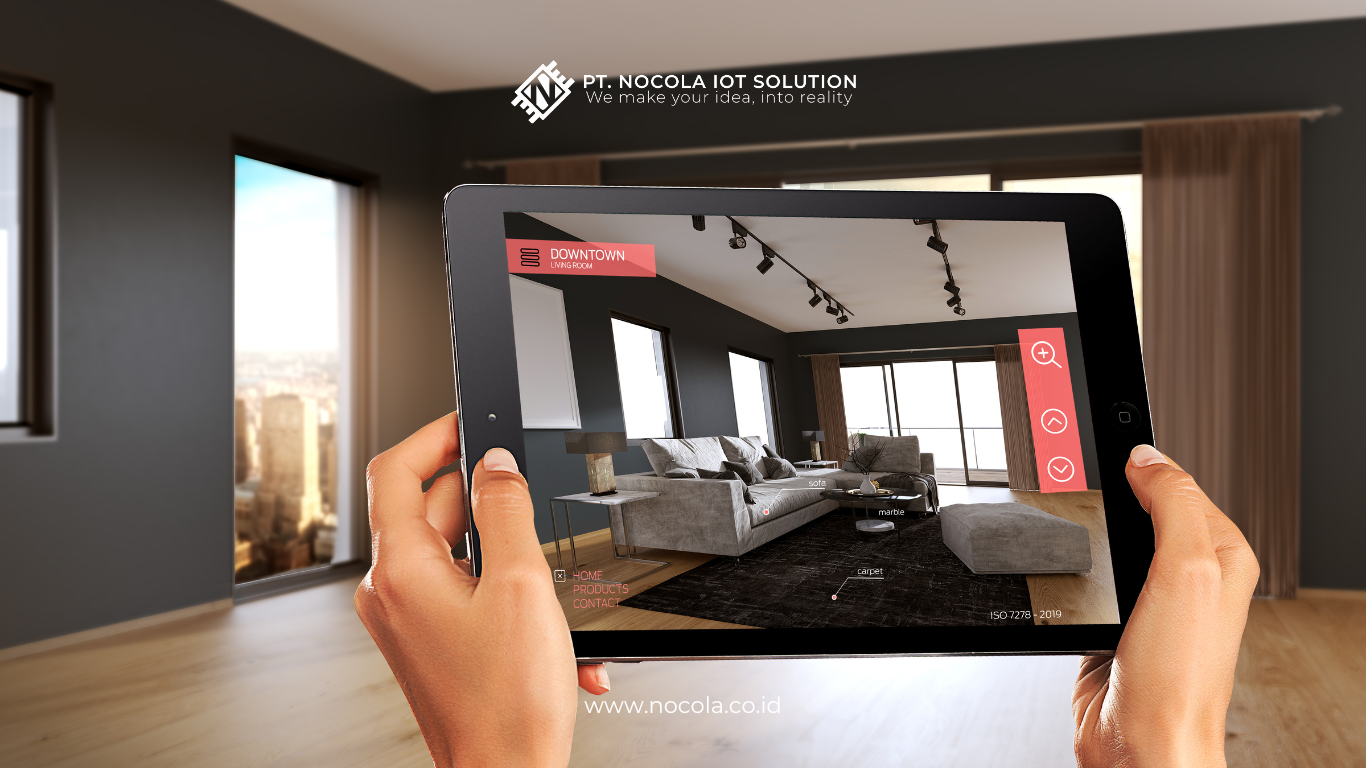
In the ever-evolving digital era, technology plays a crucial role in creating more interactive and engaging customer experiences. One technology that is currently in the spotlight is Augmented Reality (AR). This technology is not only used for entertainment but has also expanded into various business sectors such as retail, education, tourism, and many more. This article will explore how AR technology can enhance customer experience, the benefits it offers, and examples of its implementation in business.
Read More: Augmented Reality (AR) and Virtual Reality (VR): The Future of Digital Interaction
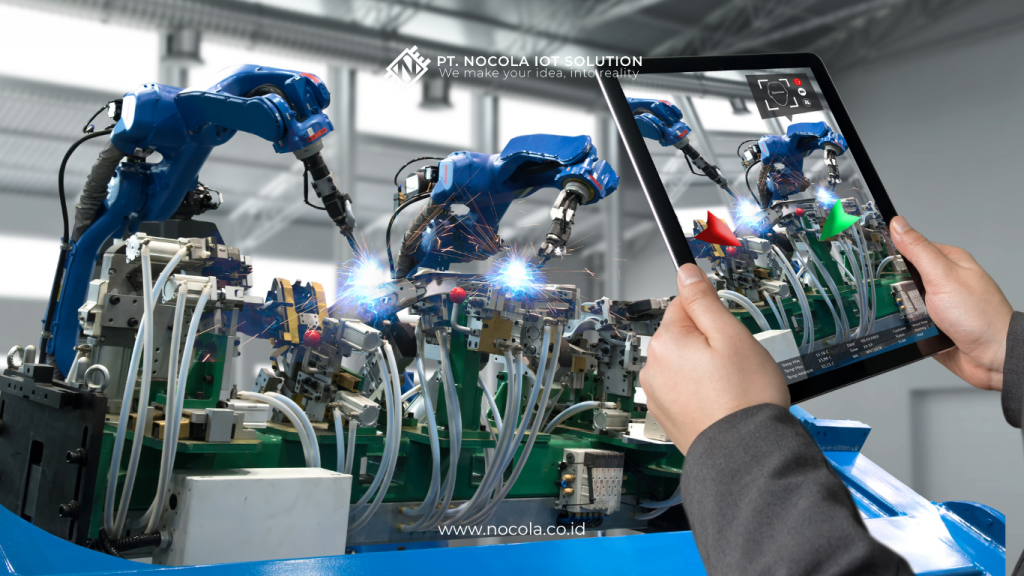
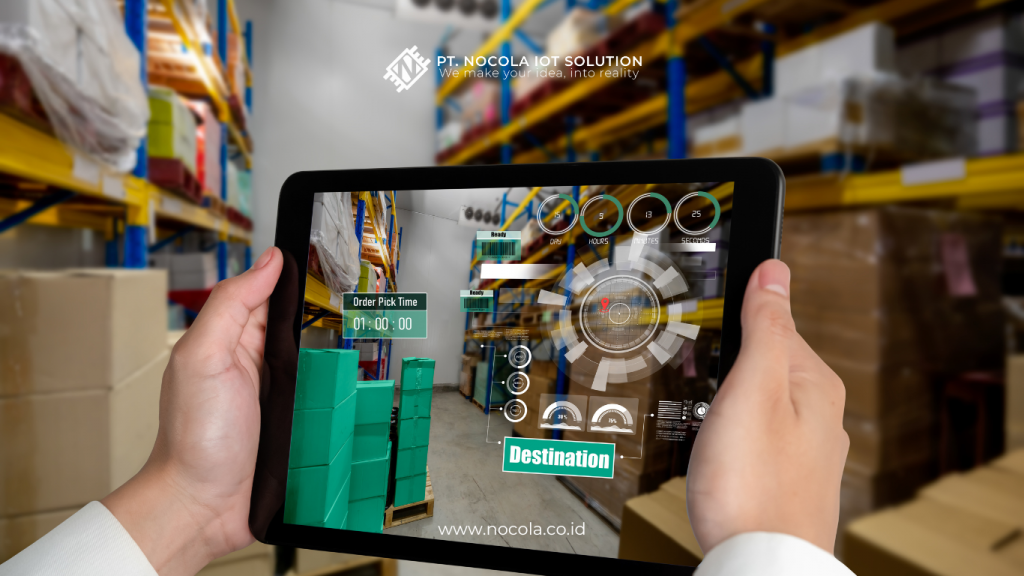
Augmented Reality (AR) is a technology that overlays digital elements onto the real world in real-time. Using devices like smartphones, tablets, or AR glasses, users can see digital objects such as images, videos, or animations that appear to exist in the real world.
AR technology utilizes cameras, motion sensors, GPS, and graphic processors to create an interactive experience. This allows businesses to present additional information, interactive experiences, or even gamification in their services.
Read More: Implementation of VR and AR in Various Fields
The implementation of AR in business offers several significant benefits:
Read More: The Rise of E-Learning: Transforming Education for the Digital Age
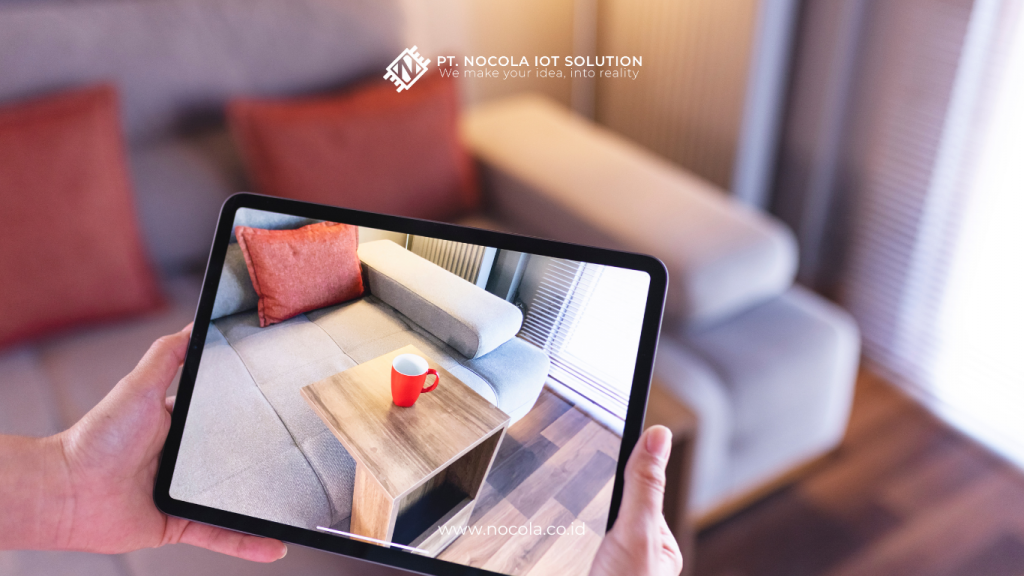
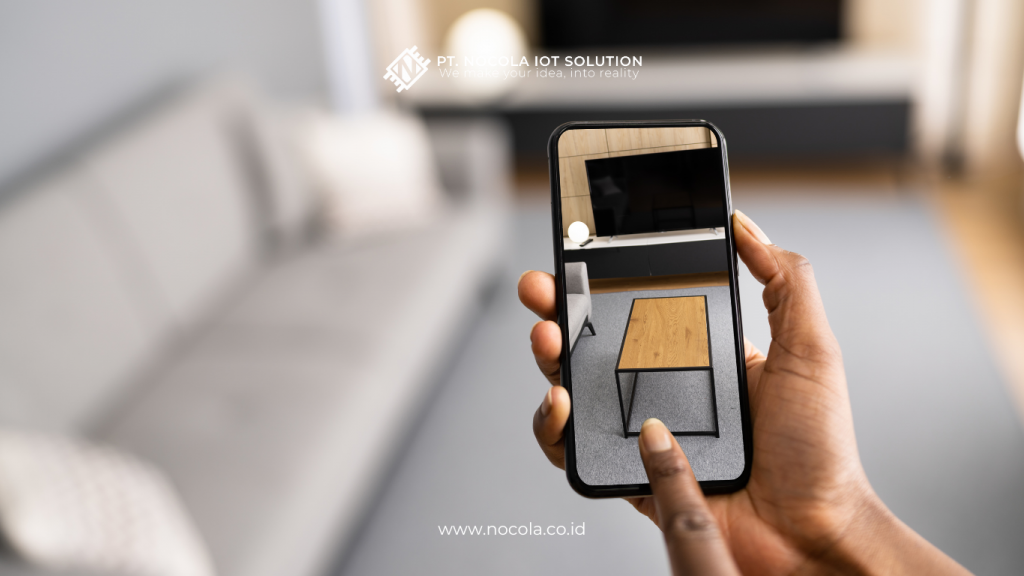
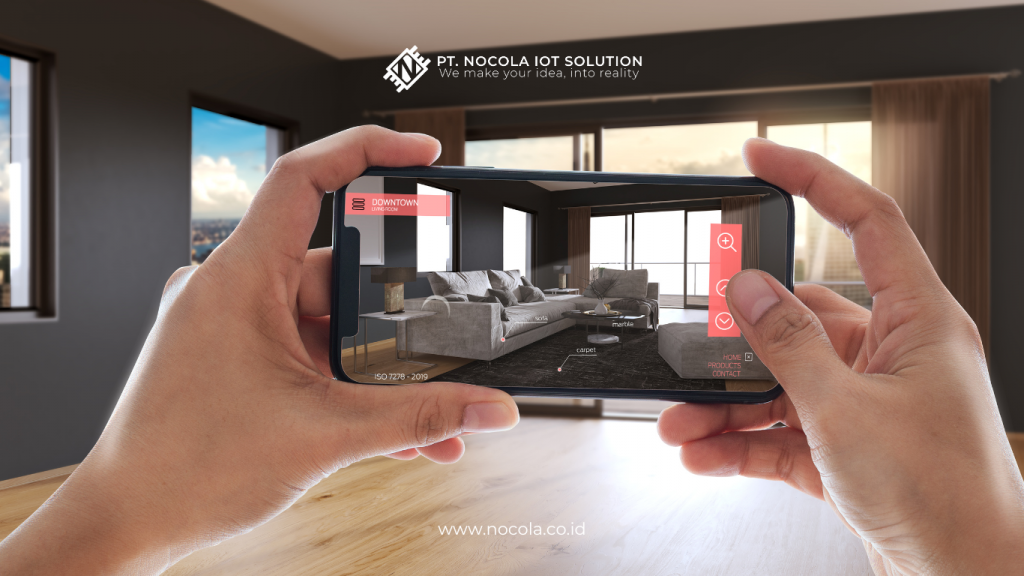
In the retail industry, AR allows customers to try products virtually. An example is apps like IKEA Place, where customers can visualize furniture in their rooms before purchasing.
In the tourism sector, AR is used to provide virtual tours of tourist attractions. With AR, users can see additional information such as history or interesting facts about a location.
In education, AR provides a more interactive learning experience. For example, students can learn about human anatomy through an AR app that displays 3D models of body organs.
AR is also used in the healthcare sector for training doctors or simulating medical procedures. This helps improve accuracy and efficiency in healthcare services.
Read More: Smart Cities: How Technology Shapes the Cities of the Future
As technology advances, AR is predicted to become more sophisticated and accessible. Here are some trends to watch:
Read More: Water Quality Monitoring System (WQMS) from Nocola: Advanced Technology for Monitoring Water Quality
To successfully implement AR, businesses should follow these steps:
Augmented Reality (AR) technology has opened up new opportunities for businesses to enhance customer experiences in more interactive, personalized, and innovative ways. With its wide applications across various industries, AR not only helps increase sales but also builds stronger relationships between brands and customers.
However, to optimize AR’s potential, businesses need to understand customer needs, invest in the right technology, and continuously evaluate the results of its implementation. With the right approach, AR can become a highly effective tool for driving business success in the digital era.