Benefits of IoT Solutions from Nocola for Modern Industry
In the era of Internet of Things (IoT), technology has become increasingly accessible to everyone, including beginners. One of the best ways to learn about IoT and electronic technology is through Arduino projects. Arduino is an open-source platform that allows tech enthusiasts and programmers to easily develop a variety of applications and devices. In this article, we will discuss an exciting simple project: controlling a light using a light sensor. We’ll explain step-by-step how to set up this project, the components needed, as well as the applications and benefits of this technology.
1. What is Nocola’s IoT Solution?

Definition
Nocola’s IoT Solution includes devices and platforms that enable organizations to connect various devices and systems within a digital ecosystem. By integrating sensor and communication technology, Nocola offers solutions that improve visibility and control over various industrial processes.
Nocola’s Featured Products
- Flux: A comprehensive IoT platform that allows organizations to efficiently monitor and manage various devices.
- LogSheet: A digital data management solution that provides recording, management, and analysis tools for better decision-making.
2. Why is IoT Important for Modern Industry?

1. Increasing Productivity
IoT technology helps companies improve productivity by automating many tasks that were previously done manually. The automation provided by Nocola’s solutions allows processes to run faster and without errors.
2. Cost Savings
Implementing IoT solutions means companies not only reduce the need to hire extensive labor but also lower costs associated with inefficient operations. With better resource management and reduced wastage, companies can enjoy significant cost savings.
3. Enhanced Security
Nocola’s IoT solutions also contribute to operational security. With monitoring systems in place, companies can promptly detect and respond to potential threats, both physically and cyber-wise.
4. Responsiveness to Market
In a dynamic business environment, companies need to quickly adapt to changing market demands. IoT enables the gathering of valuable data and analysis to understand consumer trends and preferences.
3. Specific Benefits of Nocola’s IoT Solutions

1. Flexibility and Customization
Nocola understands that each industry has unique needs. Therefore, the IoT solutions offered are designed for flexibility and customization, allowing companies to tailor solutions to their operational needs.
2. Easy Integration
One of the advantages of Nocola’s solutions is the ease of integration into existing systems. This minimizes operational disruptions during implementation and speeds up the transition to digitalization.
3. Real-Time Data Access
With real-time monitoring, companies can know the status of their devices and systems instantly. Quick access to information allows for more timely and data-driven decision-making.
4. Detailed Data Analysis
Nocola provides analytical tools that enable companies to explore accumulated data. Insights from this analysis assist in strategic planning and product development.
4. Applications of Nocola IoT Solutions in Various Sectors

1. Manufacturing Sector
In the manufacturing industry, Nocola’s IoT solutions are used to monitor production lines. Flux allows for real-time monitoring of machinery, thus minimizing downtime and increasing efficiency.
2. Energy Sector
Nocola helps energy companies manage energy usage and monitor emissions. With real-time information, companies can achieve savings and comply with environmental regulations.
3. Healthcare Sector
In the healthcare sector, Nocola’s IoT solutions facilitate better management of medical equipment and patient monitoring through connected devices.
4. Transportation Sector
Nocola simplifies fleet management by providing the necessary information for vehicle tracking and route optimization, contributing to reduced operational costs and improved customer service.
Conclusion
Nocola and its IoT solutions, including Flux and LogSheet, play a crucial role in enhancing productivity and efficiency in modern industries. By leveraging technology to manage data effectively, companies can achieve better productivity while also demonstrating their commitment to sustainability.
Adopting Nocola’s solutions is a strategic and pragmatic step for companies that want to survive and thrive in an increasingly competitive global market. Together, let’s embrace technology as a tool to create a more efficient and sustainable future!

Why is IoT Important for the Future of Industry and Technology?
In the midst of rapid growth in the world of technology, Internet of Things (IoT) has emerged as one of the main driving forces behind the transformation of how we live our daily lives and run businesses. The integration of smart devices with the internet not only improves operational efficiency but also opens new opportunities for innovation and product development. In this article, we will delve deeply into why IoT is crucial for the future of industry and technology, as well as its impact on various sectors.
What is IoT?

Definition
Internet of Things (IoT) refers to the concept where physical devices can connect and communicate with one another via the internet. These devices can range from small sensors to household appliances and large industrial machines. With this connectivity, data can be collected, analyzed, and used to enhance processes and decision-making.
How IoT Works
IoT works by connecting devices to an internet network. Once connected, devices send data through existing sensors, which can then be processed and analyzed on cloud-based platforms. The analyzed data can be used to monitor device conditions, conduct predictive maintenance, and improve operational efficiency.
Why is IoT Important for the Future?

1. Enhancing Operational Efficiency
In industries, IoT enables real-time monitoring and management of devices in a more efficient manner. With automation systems supported by IoT, companies can reduce downtime, optimize their resource usage, and lower operational costs. For example, the manufacturing sector can use IoT to monitor machine performance and quickly detect potential issues.
2. Facilitating Data-Driven Decision Making
IoT provides organizations with access to accurate and up-to-date data, enabling better decision-making. The data obtained from IoT devices can be analyzed to identify patterns and trends, assisting management in formulating more informed strategies.
3. Promoting Sustainability
Amid growing concerns about climate change, IoT helps companies take more responsibility regarding their resource usage. By monitoring energy consumption and emissions, companies can make more sustainable decisions, contributing to global efforts to protect the environment.
4. Driving Innovation in Products and Services
IoT opens doors to innovation in the development of new products and services. Companies can collect user data to better understand their needs and preferences, allowing them to create more relevant products and enhance customer experiences.
5. Facilitating Collaboration and Communication
The connectivity offered by IoT allows for more collaboration between devices and systems. This fosters better communication not just within organizations but also throughout the supply chain, leading to increased overall productivity.
IoT Applications in Various Sectors

1. Manufacturing Sector
IoT is widely used in the manufacturing sector to monitor and manage machinery, improving production efficiency and ensuring product quality. Integrated systems allow for real-time monitoring and analysis of production data.
2. Energy Sector
In the energy industry, IoT is used to monitor energy consumption and distribution. This helps companies improve efficiency, reduce waste, and meet environmental regulations.
3. Healthcare Sector
IoT plays a crucial role in healthcare services by facilitating patient health monitoring and data management. Connected medical devices allow patient data to be collected and analyzed in real-time, improving the quality of care.
4. Transportation Sector
In the transportation sector, IoT is used for fleet management, shipment tracking, and route optimization. This helps reduce travel time and operational costs.
5. Agriculture Sector
IoT can also be applied in agriculture to monitor soil conditions, moisture, and weather. This enables farmers to make better decisions regarding irrigation and fertilization, improving crop yields and efficiency of resource use.
Choosing the Right IoT Solutions

1. Business Needs Analysis
Every organization has unique needs. Conducting a thorough business needs analysis is the first step to determine the most suitable IoT solution.
2. Scalability and Flexibility
Ensure that the chosen IoT solution can grow alongside the company. Flexibility in adapting solutions is key to long-term success.
3. Affordability and ROI
Evaluate the costs of implementing the solution and the potential return on investment (ROI). Choose a solution that is not only affordable but also delivers added value to the company.
4. Support and Training
Select a vendor that offers good after-sales support and training for staff. Proper education and training will ensure that the technology adapted can be used effectively.
Conclusion
Internet of Things (IoT) plays a very significant role in transforming how industries operate in the digital era. With the right IoT technology, such as that offered by Nocola, companies can enhance operational efficiency, reduce costs, and achieve sustainability.
The adoption of digital transformation is not just an alternative but a necessity to remain competitive in an increasingly tight global market. Let us explore the potential of technology together to create a smarter and more sustainable industrial future!

How Nocola Helps Companies Increase Productivity Through IoT
In an increasingly competitive business world, companies are required to find new ways to enhance productivity and efficiency. One of the main drivers of this change is Internet of Things (IoT) technology, which allows devices to connect and communicate in real-time. Nocola is one of the leading companies in this field, providing IoT solutions designed to assist organizations not only in device management but also in optimizing business processes. In this article, we will explore how Nocola helps companies improve productivity through innovative IoT solutions, the benefits it offers, and its applications across various sectors.
Why is IoT Important for Company Productivity?

1. Real-Time Monitoring Capability
In many cases, the ability to monitor and analyze data in real-time provides a significant competitive advantage. Companies using IoT technology can make faster, more informed decisions and respond better to market conditions.
2. Process Automation
IoT enables the automation of various processes, from data collection to machine management. By eliminating time-consuming manual work, companies can enhance efficiency and reduce operational costs.
3. Analytics and Deep Understanding
Data generated by IoT devices can be analyzed to provide deeper insights into company operations. This analysis helps identify patterns, trends, and issues that need to be addressed before they become critical.
Nocola’s Solutions for Enhancing Productivity

1. Flux: Integrated IoT Platform
Flux is Nocola’s flagship solution for IoT device management. This platform enables users to connect various devices, monitor their conditions in real-time, and manage data more efficiently.
How Flux Works
- Device Integration: Flux can connect various types of IoT devices, from sensors to large machinery, allowing businesses to manage everything within a single platform.
- Real-Time Data Analysis: Users can access data directly from devices, allowing up-to-date information to be used for quick decision-making.
Benefits of Flux for Companies
- Improved Operational Efficiency: Flux allows for real-time monitoring of operational conditions, enabling problems to be identified and addressed promptly.
- Cost Savings: By minimizing downtime and optimizing resource usage, companies can reduce operational costs.
- Flexibility: The Flux solution is designed to be customizable to the specific needs of each industry sector.
2. LogSheet: Efficient Data Management
LogSheet is Nocola’s digital data management solution that helps companies record and manage data more effectively. With automation features and real-time access, LogSheet strengthens data-driven decision-making.
Key Features of LogSheet
- Automatic Data Recording: Reduces human errors in manual data entry.
- Real-Time Access: Allows users to access information anytime and anywhere, improving decision-making speed.
- Comprehensive Reporting: Facilitates the generation of in-depth reports and assists companies in operational analysis.
3. WQMS and CEMS: Quality Monitoring that Supports Sustainability
Nocola also provides Water Quality Management System (WQMS) and Continuous Emissions Monitoring System (CEMS) that help companies monitor water quality and gas emissions.
Benefits of WQMS and CEMS
- Environmental Compliance: Ensures companies meet environmental regulations by providing accurate data on emissions and water quality.
- Sustainability: Minimizes waste and emissions, contributing to sustainability and environmental protection.
The Positive Impact of Nocola on Company Productivity

1. Improving Response Speed
With real-time monitoring capabilities, companies can evaluate and respond to situations more quickly. This is crucial in dynamic industries where changes can occur anytime.
2. Increased User Awareness
Nocola’s solutions help every user understand the utilization and performance of connected devices, positively impacting operational effectiveness.
3. Continuous Innovation
With the data generated, companies can continuously innovate, seeking new solutions to improve their processes and products.
Implementation and Best Practices

1. A Well-Planned Implementation Plan
Before implementing Nocola’s solutions, it’s important to create a detailed and comprehensive plan. This includes a needs analysis, desired objectives, and the necessary steps to take.
2. Adequate Education and Training
Providing training for employees on how to use Nocola’s technology is key to ensuring they can leverage all available features optimally.
3. Routine Evaluations
Conducting routine evaluations to monitor the effectiveness of the system and ensuring it meets the evolving needs of the organization.
Conclusion
Nocola has brought significant innovations to the industrial world with its Flux, LogSheet, and other technological solutions. By leveraging modern technology, companies can enhance their efficiency and productivity, contribute to sustainability, and stay competitive in the era of Industry 4.0.
Adopting solutions from Nocola is a wise step to maintain business relevance and success in an ever-changing global market. Let’s work together to create a more efficient and sustainable future through the right technological innovations!

Complete Guide to Nocola Products: From Flux to LogSheet
In the midst of the digital transformation era, companies face various challenges to adapt and optimize their processes. One of the leading companies providing advanced technology solutions is Nocola. With flagship products like Flux and LogSheet, Nocola helps businesses across various sectors tackle challenges and reap the benefits of digital technology. This article will provide a comprehensive guide to both products, their key features, the benefits they offer, and real-world applications in the industry.
1. Introducing Flux: Integrated IoT Solution

What is Flux?
Flux is an Internet of Things (IoT) platform designed to simplify the process of connecting and monitoring various devices for companies. With Flux, users can manage their IoT devices from a single integrated platform, enabling greater efficiency in daily operations.
Key Features of Flux
- Wide Device Integration: Flux can connect various types of devices, from small sensors to heavy machinery, facilitating comprehensive monitoring.
- Real-Time Data Analysis: With the ability to collect and analyze data live, Flux allows companies to make faster and more accurate decisions.
- Process Automation: Flux is equipped with an automation system that helps optimize operations, reduce downtime, and enhance overall productivity.
Benefits of Flux for Companies
- Improved Operational Efficiency: Minimizes time spent on device management and enhances operational speed.
- Cost Savings: Reduces operational costs from losses due to downtime and optimizes resource usage.
- Flexibility and Scalability: Features that can be customized to the specific needs of each industry sector, allowing for more optimal usage.
2. Introducing LogSheet: Efficient Data Management

What is LogSheet?
LogSheet is a digital data management platform that allows companies to efficiently record, manage, and analyze information. With features such as automatic recording and real-time access, LogSheet helps businesses manage their data better.
Key Features of LogSheet
- Automatic Data Recording: Reduces errors in manual recording through modern automation technologies.
- Real-Time Access: Facilitates access to information anytime and anywhere, supporting more responsive decision-making.
- Easy Reporting: Facilitates the generation of comprehensive reports for further analysis.
Benefits of LogSheet for Companies
- High Data Accuracy: With an automatic system, the risk of human errors in recording can be minimized.
- Enhanced Collaboration: Enables better collaboration among teams with integrated data access.
- Better Financial Management: All transactions are recorded automatically, aiding companies in managing finances more effectively.
3. The Impact of Nocola in Digital Transformation

1. Operational Efficiency
With Nocola’s versatile solutions, companies can reduce downtime and enhance productivity. The combined use of LogSheet and Flux provides cost savings and improves overall performance.
2. Data-Driven Decision Making
The data generated from Nocola’s solutions provide better insights for management. With a deeper understanding of operations, companies can formulate more effective strategies for growth.
3. Commitment to Sustainability
Nocola contributes to sustainability with solutions that help companies reduce waste and emissions, aligning with global goals for environmental protection.
4. Nocola Applications Across Various Sectors

1. Manufacturing Sector
Nocola offers solutions that help the manufacturing industry monitor production processes and manage data efficiently, enhancing competitiveness and operational efficiency.
2. Energy Sector
Flux plays a crucial role in monitoring energy use in the energy sector, ensuring that companies can comply with environmental regulations.
3. Healthcare Sector
In healthcare services, Nocola assists in tracking and monitoring the use of medical devices and patient records, enhancing service efficiency.
4. Transportation Sector
Nocola simplifies fleet management by providing tools for vehicle tracking and route optimization.
5. Best Practices for Implementing Nocola

1. Structured Implementation Plan
Creating a clear and detailed plan before implementing Nocola solutions is critical for success. This should include needs analysis and the objectives to be achieved.
2. User Education and Training
Providing adequate training for users to ensure they understand how to use the system effectively.
3. System Customization
Customize Nocola’s features according to the specific needs of the company. Proper customization can help improve user experience.
4. Regular Monitoring and Evaluation
Conduct regular evaluations to monitor the effectiveness of Nocola solutions. This helps identify areas for improvement and allows for necessary adjustments.
Conclusion
Nocola, through solutions like Flux and LogSheet, helps companies prepare for a better future in the Industry 4.0 era. By leveraging this technology, businesses can enhance efficiency, productivity, and sustainability.
Adopting Nocola’s technology is a strategic move to remain competitive in an increasingly connected global market. Let’s create a more efficient and sustainable future together with the right technological innovations!

Digital Transformation Made Easier with Nocola IoT Solutions
In the ever-evolving digital era, technology plays a crucial role in transforming the way we conduct business. Internet of Things (IoT) has emerged as one of the main drivers of digital transformation, enabling better interaction between devices, systems, and humans. With Nocola IoT Solutions, companies can now streamline the integration of technology into their daily operations. In this article, we will discuss how Nocola provides IoT solutions that assist companies in their digital transformation journeys, the benefits offered, and examples of its application across various industry sectors.
Why is Digital Transformation Important?

1. The Need for Adaptation
With the rapid changes in technology and market demands, companies must be able to adapt to remain relevant. Digital transformation allows companies to leverage the latest technologies to enhance efficiency and maximize existing potential.
2. Enhancing Operational Efficiency
By adopting digital technologies like IoT, companies can accelerate business processes, reduce costs associated with manual operations, and enhance collaboration between teams.
3. Improving Customer Experience
Digital transformation is not just about improving internal processes but also about delivering a better experience for customers. With the right technology, companies can better understand customer needs and offer more personalized services.
Introducing Nocola IoT Solutions

What is Nocola?
Nocola is a company focused on developing innovative technology solutions, including IoT applications designed to enhance device management and operational efficiency. With a cloud-based approach, Nocola offers products and services that facilitate companies in integrating technology into their systems.
Nocola IoT’s Key Products
- Flux: An IoT platform that allows users to connect and monitor multiple devices in real-time.
- LogSheet: A digital data management solution that provides tools for recording, managing, and analyzing information.
How Nocola IoT Solutions Work
1. Device Integration
Nocola IoT Solutions are designed to connect with various existing devices. This ensures that all non-integrated systems can still operate effectively on a single platform.
2. Real-Time Data Collection
This platform collects data from IoT devices in real-time, allowing users to monitor and analyze device conditions anytime and anywhere.
3. Analysis and Monitoring
Nocola provides robust analytical tools for data processing. Users can conduct in-depth analysis to assess the performance and effectiveness of devices, aiding in data-driven decision-making.
Benefits of Nocola IoT Solutions

1. Boosting Productivity
With optimized monitoring and analysis, companies can reduce downtime and increase productivity. Solutions from Nocola facilitate more efficient workflows.
2. Accurate Decision Making
Accurate and up-to-date data enables management to make better and faster decisions, improving responsiveness to emerging opportunities and challenges in the market.
3. Flexibility in Operations
Nocola IoT Solutions are designed for flexibility and customization. Companies can tailor the platform’s features to their specific needs, allowing for more optimal usage.
4. Support for Continuous Innovation
With the presence of the latest technologies, Nocola encourages companies to innovate and seek new solutions to enhance their processes and products.
Application of Nocola IoT Solutions Across Various Sectors

1. Manufacturing Sector
In the manufacturing industry, Nocola IoT Solutions are used to enhance production efficiency, monitor machines and processes in real-time, and reduce downtime.
2. Energy Sector
Flux aids the energy sector in efficiently monitoring and managing energy usage. Real-time data enables companies to meet regulations and enhance energy savings.
3. Healthcare Sector
In healthcare services, Nocola IoT Solutions assist in monitoring medical devices and managing patient records, ensuring that all devices function correctly and are safe to use.
4. Transportation Sector
FluxConnect simplifies fleet management by providing critical information regarding the location and condition of vehicles, ensuring efficient operations and cost reduction.
Best Practices for Implementing Nocola IoT Solutions

1. A Well-Planned Implementation Plan
Preparing a structured implementation plan is crucial for the successful adoption of Nocola IoT Solutions. This should include an analysis of the company’s needs and achieving clear objectives.
2. User Education and Training
Ensure all employees receive adequate training on how to use the system. This will help them adapt faster and make the most of all available features.
3. Customization and Adjustment
Companies should tailor Nocola’s features to meet their specific needs. This customization is essential for maximizing efficiency and user experience.
4. Evaluation and Monitoring
Conduct regular evaluations to monitor the effectiveness of Nocola solutions. Continuous system analysis will aid in obtaining further technological developments.
Conclusion
Nocola is committed to supporting industry sustainability with innovative solutions that enhance efficiency and productivity across various sectors. With the emergence of technologies like Flux and LogSheet, companies can be better prepared to face challenges and seize opportunities in the Industry 4.0 era.
Embracing solutions from Nocola is a strategic step towards achieving success in an increasingly competitive global market. Let us work together to create a more efficient and sustainable future with the right technological innovations!

Smart Environmental Monitoring Solutions from Nocola: WQMS, AQMS, and CEMS
In a world that is becoming increasingly connected and rapidly developing, environmental challenges have become a major focus for many companies. Issues of water and air quality not only impact public health but also affect the sustainability of businesses and the environment. Amid these challenges, Nocola presents smart environmental monitoring solutions: Water Quality Management System (WQMS), Air Quality Management System (AQMS), and Continuous Emissions Monitoring System (CEMS). This article will delve into these three solutions, how each functions, the benefits they offer, and how they contribute to creating a healthier and more sustainable environment.
What Are WQMS, AQMS, and CEMS?

1. Water Quality Management System (WQMS)
WQMS is a monitoring system designed to measure and analyze water quality using IoT technology. This system allows users to obtain real-time data regarding the conditions of the water they use, assisting in early pollution detection and efficient water resource management.
2. Air Quality Management System (AQMS)
AQMS is equally important as WQMS but focuses on air quality. By using advanced sensors, AQMS monitors air pollution and emissions, providing the necessary information to maintain air quality in urban and industrial environments.
3. Continuous Emissions Monitoring System (CEMS)
CEMS is a system designed to continuously monitor gas emissions from industrial processes. With accurate monitoring, CEMS helps companies comply with environmental regulations and reduce their carbon footprint, playing a vital role in sustainability efforts.
Why Are Environmental Monitoring Solutions Important?

1. Public Health
Poor water and air quality can lead to various health issues, including respiratory diseases. Effective systems like WQMS and AQMS provide real-time information about water and air quality, which is crucial for protecting public health.
2. Regulatory Compliance
Many countries have strict regulations regarding environmental quality. Utilizing CEMS and other solutions helps companies meet legal requirements, avoid fines, and enhance business reputations.
3. Environmental Sustainability
These monitoring solutions contribute to sustainability by helping companies minimize waste and emissions. With up-to-date information on environmental quality, organizations can take proactive steps in resource management.
4. Improved Operational Efficiency
A good monitoring system allows companies to identify issues early, enhancing responsiveness to field conditions, and ultimately improving operational efficiency.
Benefits of Each Solution
1. Benefits of WQMS
- Early Pollution Detection: Enables continuous monitoring of water quality, allowing for immediate action in case of contamination.
- Efficient Water Resource Management: Facilitates better usage and management of water resources, which is critical for sustainable practices.
2. Benefits of AQMS
- Accurate Air Quality Monitoring: Continuously processes and reports air quality data to ensure compliance with environmental standards.
- Enhanced Public Awareness: Provides necessary information to the community about the air quality in their surroundings.
3. Benefits of CEMS
- Regulatory Compliance: Provides evidence of emissions monitoring for compliance with environmental regulations.
- Transparency: Increases public trust and stakeholder confidence through accurate and transparent reporting.
Applications of WQMS, AQMS, and CEMS in Various Sectors

1. Manufacturing Sector
In the manufacturing industry, WQMS and CEMS are used to ensure that production processes do not pollute the environment. Monitoring water quality and gas emissions in real time helps companies comply with regulations and operate sustainably.
2. Energy Sector
In the energy sector, AQMS is used to monitor air quality around power plants and other infrastructures. This solution helps meet emission standards and improves efficiency.
3. Healthcare Sector
In healthcare services, both systems help maintain the quality of air and water used in medical facilities, ensuring that all conditions meet established standards.
4. Agricultural Sector
WQMS allows farmers to monitor water quality for irrigation, while AQMS assists in maintaining air quality in agricultural practices, benefiting both crops and livestock.
Best Practices for Implementing Environmental Monitoring Systems

1. Structured Implementation Plan
Before implementing a system, it’s important to have a detailed and structured plan that includes a needs analysis and objectives to be achieved.
2. Employee Training
Training users on how to utilize the monitoring system is crucial to ensure they can maximize its benefits.
3. Routine Monitoring and Evaluation
Conduct regular evaluations to ensure that systems are functioning as expected and identify areas that may need improvement.
Conclusion
Nocola, through its solutions WQMS, AQMS, and CEMS, provides essential tools that help companies maintain environmental quality. By leveraging this technology, organizations can ensure compliance with regulations and contribute to sustainability and public health.
Implementing the right monitoring solutions is an essential step towards creating a better and more sustainable future. Let’s adopt technologies that support a healthier way of living together!

Nocola and the Future of Industrial Technology in Indonesia
Indonesia, as a country rich in natural resources and culture, is on the brink of a significant digital industrial transformation. With rapid technological advancements, including the Internet of Things (IoT), artificial intelligence (AI), and process digitization, the future of industry in Indonesia holds great potential. Nocola, as a leader in technological innovation in the country, provides solutions that help industries adapt and thrive in this digital era. This article will discuss how Nocola plays a role in shaping the future of industrial technology in Indonesia, the solutions it offers, and the impact of this technology on the economy and society.
Why Is Industrial Technology Important?

1. Increasing Productivity
Advanced industrial technology enables companies to boost productivity and operational efficiency. With automation and integrated systems, production processes can operate faster and more accurately.
2. Commitment to Sustainability
As the world becomes increasingly concerned about environmental issues, eco-friendly industrial technologies become vital. The solutions offered by Nocola focus on sustainability and reducing negative impacts on the environment.
3. Agility and Responsiveness to Market
In a dynamic business environment, companies must be able to adapt quickly to changing needs and market demands. Technology provides the tools necessary for quick and precise responses.
Nocola’s Solutions for Industrial Technology

1. LogSheet: Efficient Data Management
LogSheet is a data management platform that allows companies to efficiently record and manage data. With features such as automated recording and real-time reporting, LogSheet helps improve the accuracy and efficiency of information management.
Key Features of LogSheet
- Automated Data Entry: Reduces recording errors typically associated with manual processes.
- Real-Time Access: Allows access to information anytime and anywhere, supporting quick decision-making.
- Easy Integration: Can connect with other existing devices, facilitating operations.
2. Flux: Integrated IoT Solution
Flux is an IoT platform that helps companies connect and monitor various devices. This system provides real-time data analysis that supports strategic decision-making.
How Flux Works
Flux collects data from connected devices and transmits this information to a cloud-based management platform. Users can access this data through an intuitive application, enabling more effective analysis.
Benefits of Nocola in Digital Transformation

1. Operational Efficiency
With Nocola’s advanced solutions, companies can reduce downtime and enhance productivity. Both LogSheet and Flux significantly reduce costs and improve performance.
2. Data-Driven Decision Making
The data generated from Nocola’s solutions provides better insights for management. With a deeper understanding of operations, companies can formulate more effective strategies.
3. Increasing Sustainability
Nocola is committed to supporting sustainability with solutions that help companies reduce waste and emissions. This aligns with global efforts to preserve the environment.
Applications of Nocola Across Various Sectors

1. Manufacturing Sector
Nocola supports the manufacturing sector in monitoring production and managing data, increasing competitiveness and efficiency.
2. Energy Sector
Flux plays a crucial role in monitoring and controlling energy consumption, as well as reducing emissions to comply with environmental regulations.
3. Healthcare Sector
By leveraging IoT technology, Nocola provides solutions for efficiency in healthcare services through medical equipment monitoring and patient record management.
4. Transportation Sector
Nocola simplifies fleet management by providing tools for vehicle tracking and route optimization.
Best Practices for Implementing Nocola’s Technology

1. In-Depth Needs Analysis
Before implementation, it is important to conduct a comprehensive analysis of business needs. Identify which areas will benefit the most from Nocola’s technology.
2. Skilled Implementation Team
Ensure you have a trained team to guide implementation. Collaborating with technology specialists will assist in the adjustment process.
3. Continuous Training
Provide ongoing training to staff to ensure they can maximize the features offered by Nocola.
4. Monitoring and Evaluation
With the continuously updated system, conduct regular evaluations to ensure that the technology is functioning well and can be adjusted to changing needs.
Conclusion
With Nocola and technologies like LogSheet and Flux, companies are better prepared for a brighter future in the era of Industry 4.0. These solutions help improve efficiency, productivity, and sustainability.
Adopting Nocola’s technology is a smart move to remain competitive in an increasingly connected world. Together, let’s create a more efficient and sustainable future!

Improve Operational Efficiency with Nocola’s Featured Products
In the modern industrial era, where competition is increasingly intense, operational efficiency plays a key role in determining a company’s success. In the era of digital transformation, companies are required to adopt technologies that maximize productivity and minimize costs. Nocola offers a range of innovative products designed to enhance operational efficiency, helping businesses tackle challenges and seize opportunities in a rapidly changing market.
This article will discuss the various flagship products from Nocola, how these products function to improve operational efficiency, and the benefits they offer for your business.
1. Nocola’s Flagship Product: IoT Solutions

Product Description
Nocola provides a variety of Internet of Things (IoT) solutions that allow companies to connect, monitor, and manage their devices and systems efficiently. By utilizing advanced sensor technology, Nocola assists businesses in monitoring various operational aspects in real-time, from energy consumption to machine conditions.
How It Works
Nocola’s IoT products work by collecting data from connected devices and transmitting that information to a cloud-based management platform. Users can access this data through an easy-to-use application, enabling real-time reporting and analysis.
Benefits
- Real-Time Monitoring: Allows companies to monitor operational conditions directly and make quick decisions.
- Cost Savings: By minimizing downtime and optimizing resource usage, companies can reduce operational costs.
- Flexibility: Nocola’s IoT solutions are designed to be customizable to the specific needs of each industry sector.
2. LogSheet: Efficient Data Management

Product Description
LogSheet is a digital data management solution that enables companies to effectively record and manage data. With features such as automated entry and real-time access, LogSheet enhances the efficiency of information management.
Benefits of LogSheet
- High Data Accuracy: The use of automated systems minimizes human error in recording.
- Comprehensive Reporting: Simplifies the creation of reports that can assist in data-driven decision-making.
- Easy Integration: Can connect with existing systems within the company, ensuring a seamless transition.
3. Water Quality Management System (WQMS)

Product Description
The Water Quality Management System (WQMS) from Nocola offers an IoT-based water quality monitoring solution that helps companies ensure that the water they use meets established quality standards.
Benefits of WQMS
- Early Detection of Pollution: This system provides real-time information about water quality conditions, detecting pollution early.
- Water Resource Management: Assists companies in managing their water usage more efficiently, supporting environmental sustainability.
4. Continuous Emissions Monitoring System (CEMS)

Product Description
The Continuous Emissions Monitoring System (CEMS) is designed to monitor and assess gas emissions from industrial processes. By utilizing advanced technology, CEMS helps companies comply with environmental regulations and reduce their carbon footprint.
Benefits of CEMS
- Accurate Monitoring: Ensures that emissions data is accurate to meet regulatory standards.
- Transparency and Trust: Increases public trust by providing transparency in emissions management.
5. Automation and Control Systems

Product Description
Nocola also provides automation and control systems that allow companies to manage industrial processes automatically. This solution includes the control of machinery and connected equipment.
Benefits of Automation Systems
- Enhanced Safety: Reduces the risk of human error that could lead to accidents.
- Process Efficiency: Increases speed and consistency in production processes.
Conclusion
With Nocola’s flagship products, companies now have the opportunity to enhance operational efficiency and productivity amid the era of digital transformation. Implementing IoT solutions, efficient data management with LogSheet, as well as monitoring water quality and emissions, all contribute to improved business performance and positive impacts on sustainability.
Amid rapid technological changes, investing in solutions like Nocola is a smart step to remain competitive and relevant in the global market. Let’s work together to build a better future with innovations that bring efficiency and sustainability to the industry!

QRIS: Digital Payment Standard from Indonesia for Easy Transactions
In today’s digital era, cashless transactions have become an integral part of daily life. QRIS (Quick Response Code Indonesian Standard) Pembayaran is a significant initiative by Bank Indonesia aimed at simplifying digital payment systems. By facilitating the use of QR codes as a payment method, QRIS not only supports transaction efficiency but also contributes to financial inclusion across Indonesia. This article will provide an in-depth discussion about QRIS, how it works, the benefits it offers, and its positive impact on businesses and society.
What Is QRIS?

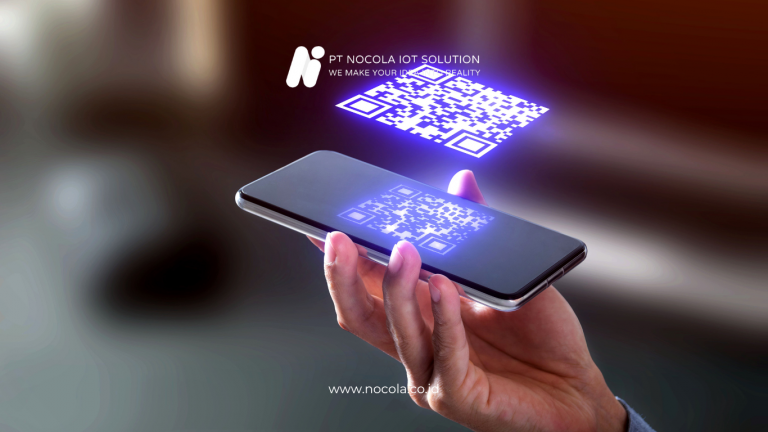
QRIS is a payment standard using QR codes issued by Bank Indonesia. With QRIS, users can make payments simply by scanning the QR code with their digital wallet application. This system allows for quick, secure, and cashless transactions, providing convenience for consumers and businesses alike.
How Does QRIS Work?
The QRIS system operates in a very simple manner:
- QR Code Issuance: Businesses issue QR codes containing payment information, such as the amount due and the recipient.
- QR Code Scanning: Consumers use their digital wallet applications to scan the QR code.
- Payment Confirmation: After scanning, consumers can confirm their payment, and funds are immediately transferred from their account to the recipient’s account.
Why is QRIS Important?

1. Strengthening Financial Inclusion
QRIS significantly contributes to financial inclusion by making payment services more accessible to all layers of society, including those who previously had no access to banking.
2. Transaction Efficiency
With QRIS, transactions become faster and easier, saving time for both consumers and businesses. It also reduces the transaction costs commonly involved in traditional payment methods.
3. Enhanced Security
The QRIS system is designed to ensure security in every transaction. By using encryption technology, consumer payment data is protected from cyber threats that could undermine user trust.
4. Reduction in Cash Usage
QRIS directly helps in reducing cash usage, which benefits businesses and also reduces the risks of theft and fraud.
Benefits of QRIS for Businesses and Consumers

1. Ease of Access
- For Businesses: With QRIS, businesses do not need to invest in expensive hardware like Electronic Data Capture (EDC) machines. They only need a smartphone to process payments.
- For Consumers: Consumers can easily make payments via the digital wallet applications they already use, without the need to carry cash.
2. Increased Sales
By providing easier and faster payment options, businesses can attract more buyers. QRIS enables consumers to perform transactions anytime and anywhere.
3. Better Financial Management
With an integrated payment system, businesses can more easily track and manage their finances. All transactions are recorded automatically, facilitating daily financial management.
4. Valuable Data Analysis
The QRIS system provides companies with access to analytical data that can aid in decision-making. Businesses can better understand purchasing patterns and customer preferences.
Applications of QRIS in Various Sectors

QRIS has been implemented in many sectors, creating significant impacts in various areas. Here are some of its applications:
1. Retail Sector
In the retail industry, QRIS has been well-received as a fast and efficient payment method. Businesses can offer convenient transactions to customers, enhancing the shopping experience.
2. Transportation Sector
QRIS is also utilized in the transportation sector for paying bus and train tickets. This allows for easier purchasing processes and reduces queues.
3. Healthcare Sector
In hospitals and clinics, QRIS is used for paying healthcare services. Particularly during the pandemic, this reduces physical contact and simplifies the payment process.
4. Tourism Sector
In the tourism sector, QRIS is used by various businesses such as hotels, restaurants, and attractions. This helps in attracting tourists who use digital wallets.
Conclusion
QRIS is not just a trend but an essential solution in creating a more efficient and sustainable payment system. With clear benefits for both businesses and consumers, QRIS has the potential to become the national standard for digital payment methods in Indonesia.
With the right policy support and active community participation, QRIS can help drive the transformation towards green transportation and a more sustainable economy in the future.

Nocola: Integrated IoT Solutions for Industry 4.0
The era of Industry 4.0 is marked by the integration of digital technology into all aspects of industrial processes. This transformation changes how businesses operate, enabling better communication between machines, systems, and people. In this context, Nocola emerges as an innovative solution that provides an integrated Internet of Things (IoT) system, aimed at optimizing efficiency, enhancing productivity, and creating smarter work environments. This article will delve deeper into Nocola, how its IoT solutions support Industry 4.0 initiatives, and the benefits that companies can gain by implementing this technology.
What Is Nocola?

Nocola is a company focused on technological innovation, particularly in the development of IoT solutions for various industries. With a cloud-based approach, Nocola offers devices and systems that enable companies to connect, monitor, and manage their devices efficiently. This technology not only simplifies data collection but also allows for in-depth analysis to support better decision-making.
Key Features of Nocola’s IoT Solutions
- Device Integration: Nocola provides a platform that can easily integrate with existing devices, allowing companies to avoid major investments in replacing their current systems. This ensures a smooth and efficient transition.
- Real-Time Data Processing: With the capability to monitor data in real-time, Nocola offers accurate and current information to assist management in decision-making. Rapid data processing allows for more agile responses to changes in the industrial environment.
- Predictive Analytics: Nocola is equipped with predictive analytics features that enable companies to anticipate problems before they occur. By using advanced algorithms, businesses can plan maintenance and optimize processes more efficiently.
- Enhanced Data Security: Data security is one of Nocola’s top priorities. With sophisticated security systems, the data collected from devices are protected against cyber threats and unauthorized access.
Why Choose Nocola for Digital Transformation?

1. Increased Operational Efficiency
One of the most significant benefits of using Nocola’s IoT solutions is improved operational efficiency. By monitoring all devices within a single platform, companies can identify bottlenecks in production processes and make necessary adjustments.
2. Enhanced Data-Driven Decision Making
The data collected by Nocola provides deep insights that help managers make decisions based on accurate and timely information. This reduces reliance on assumptions, improving accuracy in business strategies.
3. Facilitating Innovation
Nocola contributes to a culture of innovation within organizations. By providing the latest technology, companies are encouraged to continuously seek new ways to improve their products and services.
4. Supporting Sustainability
Implementing efficient systems like Nocola helps companies reduce waste and emissions, supporting sustainability initiatives that are crucial for the future.
Applications of Nocola Solutions Across Various Sectors

1. Manufacturing Sector
In the manufacturing industry, Nocola helps monitor machines and production processes. With an integrated real-time system, companies can reduce downtime and maximize output.
2. Energy Sector
Nocola plays a critical role in monitoring energy usage and emissions from power plants, ensuring companies comply with environmental regulations and improve energy efficiency.
3. Healthcare Sector
In healthcare services, Nocola solutions facilitate the monitoring of medical equipment and patient records. Accurate data helps in delivering the best possible care to patients.
4. Transportation Sector
Nocola provides solutions for fleet vehicle management, ensuring efficient use of vehicles and reducing operational costs.
Best Practices for Implementing Nocola Solutions

1. Clear Implementation Plan
As an initial step, it’s important to plan the implementation of Nocola solutions meticulously. A clear plan includes needs assessment and specific goals to be achieved.
2. Training for Users
Proper training for employees on how to use this platform is key to successful implementation. Ensure all team members understand the system thoroughly.
3. Customization to Meet Needs
Adjust the features of LogSheet to fit the specific needs of your business to improve efficiency and user experience.
4. Routine Evaluation
Conduct routine evaluations to monitor the effectiveness of the Nocola system and identify areas that need adjustments or improvements.
Conclusion
With Nocola, digital transformation is not just a dream but a reality that can be implemented. This integrated IoT solution helps companies optimize operational efficiency, enhance decision-making, and positively contribute to sustainability.
Investing in technology like Nocola is a smart move to remain competitive in the ever-evolving Industry 4.0. Let us work together to build a more efficient and sustainable future!