From Theory to Practice: Blockchain Applications in Modern Business
In recent years, blockchain technology has emerged as one of the most exciting and influential innovations. Although often associated with cryptocurrencies like Bitcoin, the application of blockchain extends far beyond that. In the modern business world, this technology provides new ways to enhance security, transparency, and efficiency in various transactions and processes. This article will discuss how blockchain is applied in business, as well as the benefits and challenges companies face when integrating this technology into their operations.
What Is Blockchain?

Definition
Blockchain is a technology that stores data in blocks connected in chronological order. Each block contains a certain amount of information and has a unique code known as a hash, which links it to the previous block. This creates a highly secure and immutable chain of data.
How Blockchain Works
Each time a transaction occurs, new information is added to the next block. This information is shared across a network of computers, where each computer has a copy of the entire blockchain. This process creates consensus among all participants in the network before changes can be implemented, thus maintaining the security and integrity of the data.
Benefits of Implementing Blockchain in Business

1. Transparency and Security
One of the main advantages of blockchain is its high transparency. Data stored in blockchain is public, and anyone can see the transactions that occur. This reduces the likelihood of fraud and increases trust between the parties involved in transactions.
2. Process Efficiency
By eliminating intermediaries, blockchain can reduce the time required to complete transactions. Processes that usually involve multiple parties can be simplified, thus increasing overall efficiency.
3. Cost Reduction
Blockchain reduces the costs associated with transactions, such as administrative fees and transaction fees paid to third parties. With a more direct system, companies can achieve significant savings.
4. Enhanced Data Accuracy
Since the information stored in the blockchain is difficult to alter or delete, the accuracy of data is much higher. In business, this means fewer errors and a reduction in costs associated with correcting data mistakes.
Applications of Blockchain in Various Sectors

1. Financial Sector
Blockchain has revolutionized the financial sector by enabling instant and secure transactions without intermediaries. For example, this technology has been used for prompt and cost-effective international money transfers, as well as for smart contracts that automatically execute agreements.
2. Supply Chain
In the supply chain industry, blockchain helps track products from manufacturers to consumers. With the transparency offered by this technology, every step in the distribution process can be monitored, enhancing trust and reducing the risk of fraud.
3. Healthcare
In the healthcare sector, blockchain is used to store and share patient data securely. This allows medical professionals to access sensitive information without the risk of data loss or privacy breaches.
4. Energy
Companies are also exploring the use of blockchain for managing renewable energy. This technology can enable peer-to-peer transactions between energy consumers, allowing them to buy and sell energy generated from renewable sources like solar panels.
5. Voting and Elections
Blockchain provides a solution for safer, more transparent, and accountable voting systems. With this technology, voters can verify that their votes have been counted, ensuring that no fraud occurs.
Challenges of Implementing Blockchain

1. Lack of Understanding and Knowledge
Many companies still find themselves unfamiliar with blockchain technology. Adequate education and training are needed to help organizations understand the benefits and workings of this technology.
2. Scalability Issues
One of the frequent challenges faced by blockchain is scalability. While blockchain offers high security, processing large numbers of transactions can be complex and time-consuming.
3. Regulatory Compliance
Regulations regarding blockchain usage remain inconsistent worldwide. Companies must navigate the challenges of complying with legal requirements associated with its use.
4. Implementation Costs
Implementing new technology, including blockchain, can require significant upfront investment. These costs often include hardware, software, and employee training.
Steps to Implement Digital Transformation with Blockchain

1. Needs Assessment
The first step in implementing blockchain is to conduct a thorough needs assessment of the business. Identify areas in business operations that could benefit from blockchain usage.
2. Building a Strong Team
Assemble a team comprising members from various disciplines to guide the implementation process. This team should have expertise in technology, legal compliance, and operations.
3. Research Technologies
Conduct research on existing blockchain platforms. Choose one that best fits your organization’s needs while paying attention to factors such as security and scalability.
4. Prototyping and Testing
Before full implementation, prototype and test the system to identify potential issues and make necessary adjustments.
5. Training for Employees
Education and training are vital for the adoption of new technology. Ensure that all employees understand how the new system will work and how they can maximize its benefits.
Conclusion
Digital transformation through the implementation of blockchain is an essential step for companies that want to remain relevant in a modern and ever-evolving society. With numerous benefits, including efficiency, transparency, and cost reduction, blockchain provides real solutions to challenges faced by businesses today.
With the right understanding and efficient technology application, companies can compete more effectively and contribute to sustainability and innovation. Let us embrace this new era and continue innovating for a better future!

New Directions in Green Transportation: Electric Vehicles and Their Future
Transportation plays a vital role in modern life. From daily commutes to global logistics, mobility serves as the backbone of productivity. However, attention is now turning to the environmental impact of conventional transportation systems. The consumption of fossil fuels and exhaust emissions have driven the need for cleaner and more sustainable alternatives.
In this context, electric vehicles (EVs) have emerged as a primary solution for achieving green transportation. Backed by technological advancements and growing awareness of the importance of preserving the Earth, electric vehicles are now not just a trend but a necessity for the future.
Benefits of Electric Vehicles for the Environment and Daily Life

1. Zero Emissions and Cleaner Air
Electric vehicles produce no exhaust emissions, making them an ideal choice for reducing air pollution. Cities with dense vehicle traffic can experience improved air quality, ultimately enhancing public health.
2. Reducing Dependence on Fossil Fuels
By switching to electric energy, we decrease the consumption of gasoline and diesel derived from non-renewable resources. This strengthens national energy independence, especially when electricity is generated from renewable energy sources.
3. Noise Pollution Reduction
Electric vehicles operate much more quietly than conventional fossil fuel-powered vehicles. This contributes to a quieter and more comfortable urban environment.
4. High Energy Efficiency
Electric vehicles use energy more efficiently. Electric motors can convert more than 60% of electrical energy into propulsion, while conventional engines only convert about 20%.
5. Easier Maintenance
Without oil, combustion systems, and many moving components, electric vehicles require less maintenance. This offers convenience and long-term savings for owners.
Innovations in Electric Vehicle Technology

1. Advanced Battery Technology
The performance of electric vehicles heavily relies on battery technology. Currently, lithium-ion batteries dominate the market due to their ability to store more energy and last longer. Solid-state battery technology is also being developed to provide greater power with faster charging times.
2. Modern Charging Systems
The charging infrastructure is rapidly evolving. There are charging stations with fast charging capabilities and home charging solutions that can be tailored to user needs. Some innovations also include wireless charging technology that allows vehicles to charge without cables.
3. Regenerative Braking Features
This feature allows vehicles to convert energy from braking back into electricity and store it in the battery. The result is higher energy efficiency and enhanced driving range.
4. Connectivity and IoT
Modern electric vehicles are equipped with integrated systems based on Internet of Things (IoT). This enables owners to monitor battery status, vehicle location, and even schedule charging through mobile applications.
Government Support and Global Companies

1. Sustainable Regulations and Policies
Various countries worldwide are establishing policies to accelerate the adoption of electric vehicles. Many have announced bans on conventional combustion engine vehicles starting from 2030–2040 as part of their carbon neutrality commitments.
2. Subsidies and Tax Incentives
Governments offer incentives in the form of tax reductions, discounts, and direct subsidies for electric vehicle purchases. This makes EVs increasingly affordable for the general public.
3. Investment in R&D and Infrastructure
Support also comes in the form of investments in research and development, alongside the construction of infrastructure such as public charging stations in urban centers, rest areas, and residential areas.
4. Partnerships with Automotive Industry
Global automotive companies like Tesla, Hyundai, Toyota, and Volkswagen continue to innovate in the development of electric vehicles. Collaborating with the government opens opportunities for investment and enhances national production capacity.
The Development of Electric Vehicles in Indonesia

1. Vision for Low-Emission Transportation
Indonesia shows a strong commitment to developing electric vehicles as part of efforts to reduce greenhouse gas emissions. The government targets that EVs will make up 20% of the national vehicle total by 2030.
2. Local Production and Investment
Major automotive manufacturers like Hyundai and Wuling have begun building electric vehicle factories in Indonesia. This not only accelerates the adoption of EVs but also opens new job opportunities and strengthens the national industry.
3. Renewable Energy Potential
Indonesia has significant potential in solar, geothermal, and hydro energy. This energy can be used to charge electric vehicles sustainably and environmentally friendly.
4. Public Literacy and Education
Various campaigns and exhibitions have been organized to introduce electric vehicles to the public. This education is key to raising awareness of the benefits of electric vehicles for daily life.
The Future of Green Transportation

1. Smart and Connected Mobility
The future of transportation is not only environmentally friendly but also smart and connected. Electric vehicles will be part of the smart mobility ecosystem, allowing vehicles to communicate, manage traffic, and maximize travel efficiency.
2. Autonomous Electric Vehicles
The development of autonomous electric vehicles is intensifying. This technology is expected to reduce traffic accidents, improve comfort, and support EV-based public transportation.
3. Shared Vehicles and Flexible Services
Shared transportation models like car-sharing and ride-hailing based on EVs are increasing. This helps reduce the number of personal vehicles and maximizes resource efficiency.
4. Accessibility for All
As technology advances and mass production increases, the prices of electric vehicles are expected to become more affordable. This allows for wider access to EVs, not only in major cities but also in remote areas.
Conclusion: Moving Towards a Cleaner Future
Electric vehicles and their future symbolize a significant change in the way we move. With its wide-ranging benefits, from emission reduction to energy efficiency and driving comfort, EVs present a tangible solution toward a cleaner and more sustainable world.
Governments, industries, and communities are now stepping together to encourage the transition towards green transportation. Supportive policies, technological advancements, and public awareness are key to accelerating the adoption of electric vehicles.
Now is the right time to be part of this change. By choosing electric vehicles, we are not only adopting advanced technology but also directly contributing to a healthier future for our planet. Green transportation is not just an option; it’s a smart step for the upcoming generations.

5 Most Innovative Technologies That Are Changing the Face of Modern Farming
Agriculture has become one of the most critical sectors in human life. With the world’s population continuously increasing and the demand for food ever rising, technology in agriculture is rapidly evolving. Currently, digital transformation has changed the way we farm, making activities more efficient, sustainable, and prepared to face future challenges. This article will review five of the most innovative technologies that have transformed modern agriculture, along with the impacts they have on farmers and the industry as a whole.
1. Internet of Things (IoT)

Description and Function
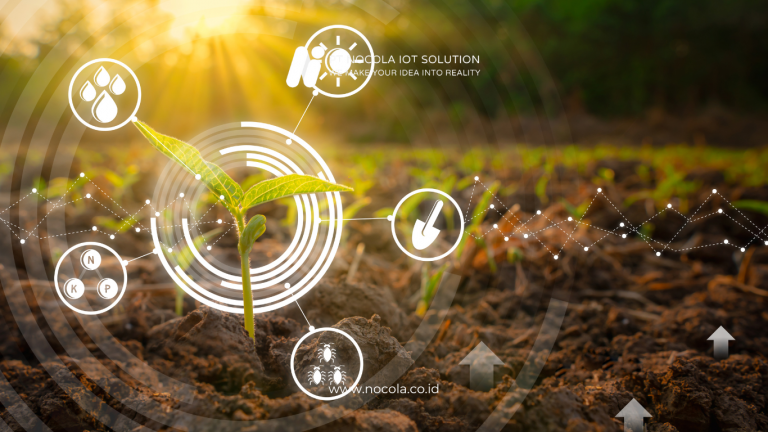
The Internet of Things (IoT) is one of the most important innovations in modern agriculture. By utilizing connected sensors and devices, IoT allows farmers to monitor soil conditions, moisture, weather, and plant health in real-time. With the data collected, farmers can make better decisions about irrigation, fertilization, and treatment of crops.
Benefits:
- Better Decision-Making: With real-time data, farmers can plan their agricultural activities more effectively.
- Increased Resource Efficiency: Water and fertilizer usage can be optimized to improve crop yields.
- Early Problem Detection: Sensors placed on plants can detect diseases or pest infestations early.
2. Agricultural Drones

Description and Function
Drones have become valuable tools in modern agriculture. With the ability to fly over fields, drones can be used to monitor crops, perform mapping, and even spray pesticides or fertilizers on plants.
Benefits:
- Accurate Mapping: Drones can generate topographical maps to help identify areas that require special attention.
- Efficient Surveillance: Farmers can oversee thousands of hectares of land in a short time, allowing them to identify issues that may not be visible from the ground.
- Time and Cost Savings: Drones can reduce the time and costs involved in manually monitoring crops.
3. Artificial Intelligence (AI)

Description and Function
Artificial Intelligence (AI) is another technology that is increasingly applied in agriculture. With the capability to analyze large amounts of data, AI can assist farmers in predicting crop yields, identifying diseases, and planning better land management strategies.
Benefits:
- In-Depth Data Analysis: AI can process data from various sources to make more accurate predictions.
- Process Automation: AI-based systems can automate various tasks, such as pest control and irrigation scheduling.
- Precision Agriculture Optimization: AI helps maximize agricultural output based on the analysis of soil and plant conditions.
4. Precision Fertilization Technology

Description and Function
Precision fertilization technology refers to the method of applying fertilizers precisely, based on the specific needs of the plants. With an integrated monitoring system, farmers can apply the necessary fertilizers at the right time and in the appropriate amounts.
Benefits:
- Reduction of Fertilizer Waste: More efficient fertilization reduces waste and can enhance sustainability.
- Better Yield: By providing fertilizers according to needs, crop yields can be improved.
- Environmental Impact Reduction: With this technology, farmers can minimize the negative impact on the environment by reducing excess fertilizer use.
5. Cloud-Based Plant Management Systems

Description and Function
Cloud-based plant management systems allow farmers to manage all their agricultural data in one integrated platform. With access to data from anywhere, farmers can easily monitor all aspects of their farming operations.
Benefits:
- Easy Access: Information about the condition of plants and agricultural data can be accessed from any device.
- Efficient Data Analysis: Cloud-based platforms facilitate data analysis, allowing for smarter agriculture that responds to changes.
- Better Collaboration: Centralized data allows teams to collaborate more effectively, improving managerial decisions.
Conclusion
Digital transformation, especially through IoT, drones, AI, and cloud-based systems, brings significant changes to modern agricultural practices. By leveraging this technology, farmers can enhance efficiency, productivity, and sustainability while adapting to ever-evolving market demands.
Facing the challenges and opportunities ahead, the agricultural industry is set to become smarter and more responsive. Let us embrace innovation in agriculture to create a better and more sustainable future for society.

Implementing IoT in Transportation: Better Accessibility and Efficiency
In recent years, the Internet of Things (IoT) has taken over many aspects of our lives, especially in the transportation sector. This digital transformation offers new ways to improve accessibility, efficiency, and safety in transportation management. Amid the growing population and increasing demand for fast and efficient transportation services, the implementation of IoT technology has become increasingly important. This article will discuss how IoT is applied in the field of transportation, the benefits it offers, and various real-world applications that have made significant advancements in this industry.
What Is the Internet of Things (IoT)?

Definition
The Internet of Things (IoT) refers to a network of connected physical devices that can communicate over the internet. In the context of transportation, IoT encompasses a range of devices and systems, from smart vehicles to infrastructure monitoring tools, that support better operations and management.
Why Is IoT Important in Transportation?

1. Enhancing Accessibility
With IoT technology, transportation systems can adapt more quickly to user needs. For example, IoT-based applications can provide real-time information about schedules, routes, and traffic conditions to users, making their journeys more planned and comfortable.
2. Improving Efficiency
IoT enables deep data collection and analysis regarding travel patterns and traffic conditions. With this data, companies can optimize routes and schedules, saving time and fuel.
3. Increasing Safety
IoT-based monitoring systems can alert drivers and operators about potential hazards, such as traffic accidents, severe weather, or unsafe road conditions, improving safety on the roads.
How IoT Works in Transportation

1. Connected Sensors and Devices
IoT devices in transportation are equipped with sensors capable of collecting data on speed, location, temperature, and vehicle conditions. This data is then sent to a central server for further analysis.
2. Real-Time Data Processing
The collected data is processed in real-time to provide relevant information to users and transport system managers. This includes vehicle health reports and current traffic information.
3. Management Platforms
In a broader ecosystem, cloud-based management platforms can be used to collect and analyze all data from various sources. This allows companies to gain valuable insights and make more informed decisions.
Benefits of Implementing IoT in Transportation

1. Increased Productivity
With automation of processes and access to accurate data, transportation companies can increase their productivity. More efficient systems allow for reduced travel times and optimized resource use.
2. Reduction of Operational Costs
Through better monitoring and accurate data analysis, companies can identify areas where costs can be reduced, such as minimizing fuel consumption and vehicle maintenance.
3. Improved Customer Experience
IoT enables companies to provide better services to customers. With access to real-time information, customers can make more informed decisions about their journeys.
4. Support for Sustainability
By optimizing resource use and reducing emissions, implementing IoT in transportation contributes to sustainability and environmental protection.
Real-World Applications of IoT in Transportation

1. Smart Navigation Systems
IoT-based navigation systems help drivers determine the fastest routes, avoid congestion, and understand road conditions. For example, applications like Google Maps use real-time data to provide current information to users.
2. Fleet Management
Fleet management companies utilize IoT to track the location, conditions, and safety of their vehicles. Data on fuel consumption and engine health can help companies manage maintenance and operational efficiency.
3. Integrated Public Transportation
Many major cities are now implementing IoT-based public transportation solutions. With sensors installed on buses and trains, passengers can obtain accurate information about schedules and service reliability.
4. Autonomous Vehicles
Vehicles equipped with IoT technology can make automatic decisions based on the surrounding environmental information. These autonomous vehicles have the potential to reduce accidents and improve driver safety.
Conclusion
IoT in transportation offers numerous benefits, from improving operational efficiency to enhancing safety. The use of this technology not only provides solutions to existing problems but also improves user experience and promotes sustainability.
Companies that adopt IoT in their operations will gain significant competitive advantages in an increasingly digital and connected marketplace. Let us welcome this digital transformation and make the future of transportation more efficient and safer for all.

Welcoming the Digital Age: How Technology Transformation is Changing the Way We Work
In this fast-paced world, digital transformation has become a primary driver of how we work. From automating processes in factories to adopting tools based on the Internet of Things (IoT) in daily life, technology promises many benefits in terms of efficiency and effectiveness. In this article, we will explore how technological transformation has changed the landscape of work across various sectors, the benefits gained, and the strategies we must face in this transition.
What Is Technological Transformation?

Definition
Technological transformation refers to the process of integrating digital technology into all aspects of business operations. This includes the adoption of new technologies that have the potential to change how businesses operate and interact with their customers. This transformation involves a cultural shift within organizations, where employees are expected to adapt to new tools and techniques.
Why Is It Important?
Adopting the latest technology is essential for businesses to remain competitive in the global market. Digital transformation helps companies respond to customer demands more quickly, improve customer satisfaction, and create better operational efficiencies.
Impact of Technological Transformation Across Various Sectors
1. Manufacturing Sector
Digital transformation in the manufacturing sector is marked by the emergence of automation technology and smart manufacturing. By using IoT, manufacturers can monitor production processes in real-time, enhance supply chain visibility, and reduce downtime. For example, the use of sensors to monitor machine performance can provide valuable data that helps in planning preventive maintenance.
2. Healthcare Sector
In the healthcare sector, digital transformation has revolutionized service delivery. Telemedicine and mobile health applications allow patients to consult doctors without having to be physically present. Additionally, health information management systems facilitate efficient storage and access to patient data, improving the quality of care.
3. Retail Sector
In the retail industry, technological transformation has influenced how customers shop. E-commerce and mobile applications enable customers to shop from anywhere. By using data analytics, retailers can understand customer behavior and tailor their product offerings more attractively.
4. Transportation Sector
The transportation sector is increasingly influenced by digital technology with the emergence of intelligent transportation systems. The use of real-time navigation applications allows drivers to avoid congestion and inefficient routes. Additionally, autonomous vehicles are under development to enhance safety and efficiency.
5. Education Sector
In the education sector, educational technology (EdTech) offers innovative solutions such as online learning and e-learning platforms. With access to educational resources online, students can learn in a more flexible and affordable manner.
Benefits of Technological Transformation
1. Increased Efficiency
With automation and the use of information technology, businesses can significantly enhance operational efficiency. Processes that were previously manual can be completed in a shorter time using technology.

2. Usable Data
Technological transformation generates data that can be utilized for analysis. With this data, companies can make strategic decisions based on accurate information, reducing reliance on instinct alone.
3. Improved Customer Experience
Technology enables companies to provide better services to customers. By using data to understand customer preferences, companies can offer more personalized and relevant experiences.
4. Resilience to Change
Companies that undergo digital transformation are better prepared to face uncertainties. They can quickly adapt to changes in the market and keep up with technological advancements.
Implementing Technological Transformation in Business
1. First Step: Needs Assessment
The first step in digital transformation is assessing the needs of the organization. Identify processes that need improvement and choose the right technology to address those needs.
2. Building a Solid Team
Establishing a strong team comprising members with diverse expertise is crucial. This team will lead the digital transformation and ensure all parts of the organization are engaged.
3. Choosing the Right Technology
Selecting the right technology for your organization is critical. Ensure that the chosen technology can integrate with existing systems and meets long-term business goals.
4. Training and Education
Education and training for employees on new technology are essential for them to adapt successfully. Ensure that all team members feel comfortable using the new tools and systems.
Conclusion
Digital transformation is a journey that every business must undertake to grow and thrive in the current technological landscape. By understanding and implementing the latest technologies, companies can enhance efficiency, productivity, and safety.
Nocola is committed to helping businesses navigate this digital transformation by providing innovative solutions and the necessary support. Let us work together to make technology the main driver of success and sustainability in the future!

Anti Collision System on Forklifts: Optimizing Operational Safety and Efficiency
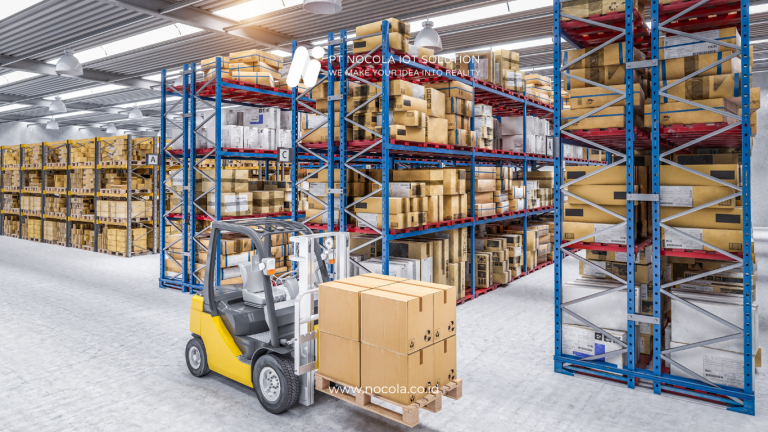
In the fast-paced industrial world, safety has always been a top priority. The increased use of forklifts in warehouses and factories often brings risks of accidents, especially when multiple vehicles operate in tight spaces. This is where the anti-collision system for forklifts plays a crucial role. This technology is designed to minimize accidents by helping operators detect potential hazards and take preventive measures. In this article, we will discuss what an anti-collision system is, how it works, its benefits, and how it can change the way companies manage forklift operations.
What Is an Anti-Collision System for Forklifts?

Definition and Function
The anti-collision system is a technology applied to forklifts to prevent collisions or accidents while moving. This system uses various sensors and advanced software to monitor the environment around the forklift, providing warnings to operators or even automatically controlling the forklift to avoid collisions.
Key Components
- Ultrasonic or Lidar Sensors: Detects objects around the forklift, measures distance, and helps identify potential hazards.
- Warning System: Provides audio or visual signals to alert operators of collision risks.
- Automatic Control: In more advanced systems, the forklift can automatically slow down or stop when it detects objects in its path.
Why Choose an Anti-Collision System for Forklifts?

1. Enhancing Safety
The implementation of an anti-collision system significantly improves operational safety. This system helps reduce accidents that may occur, protecting employees from injury and preventing damage to goods and infrastructure.
2. Improving Operational Efficiency
By reducing the number of accidents, companies can avoid downtime from losses and rehabilitation. This system allows operators to work more confidently, enhancing both the speed and efficiency of the goods delivery process.
3. Compliance with Safety Standards
Many industries have strict regulations and safety standards. By implementing this technology, companies can ensure that they comply with all established requirements.
4. Reducing Insurance Costs
By minimizing the risk of accidents, companies can save on insurance costs. Many insurance providers offer lower rates for companies with adequate safety measures, such as anti-collision systems.
How Anti-Collision Systems Work

1. Object Detection
The anti-collision system on forklifts uses sensors to detect objects around the forklift. These sensors include ultrasonic or Lidar sensors that measure distance to objects and provide data to the control system.
2. Early Warnings
When a sensor detects an object within a dangerous range, the system alerts the operator. Alerts can take the form of audible alarms, flashing lights, or visual displays on screens.
3. Preventive Actions
In some more advanced systems, forklifts can automatically slow down or stop, avoiding potential collisions without operator intervention.
Benefits of Implementing Anti-Collision Systems on Forklifts

1. Early Detection and Quick Response
This system allows for early detection of potential collisions, giving operators the opportunity to react more quickly. Improved response times contribute to higher safety levels.
2. Reduction of Accidents
With an integrated system, accidents caused by human error can be minimized. This not only protects operators but also safeguards equipment and the goods being moved.
3. Useful Data and Analysis
Some systems are equipped with the ability to record data related to each event detected. This data can be analyzed to identify patterns and develop further improvement strategies.
4. Easy Implementation
Many anti-collision systems are designed to be easily implemented on existing forklifts without requiring significant modifications.
Applications of Anti-Collision Systems in Various Sectors

1. Construction Sector
At construction sites, forklifts are often used to transport heavy materials. This system helps maintain work safety and prevent accidents in often crowded areas.
2. Manufacturing Sector
In the manufacturing industry, anti-collision systems are essential for monitoring the movement of forklifts between production lines and storage areas. This helps avoid collisions with equipment and other workers.
3. Distribution Sector
The distribution sector also benefits from this system. By managing the movements of forklifts more safely, management can increase the efficiency of goods transfer.
4. Retail Sector
In retail, safe and efficient warehouse management is crucial. The anti-collision system helps ensure that goods being moved do not get damaged or cause injury.
5. Energy Sector
In the energy industry, forklifts are used to move heavy equipment and hazardous materials. The presence of this system ensures that all operations are conducted safely.
Conclusion
The load monitoring and anti-collision systems on forklifts offer smart solutions that bring numerous benefits across various industrial sectors. By enhancing operational efficiency and safety, this technology not only reduces costs but also helps maintain infrastructure reliability and protect workers.
Nocola is committed to bringing innovation to forklift management. Let’s work together to contribute to a safer and more sustainable future through the implementation of the right technologies.

Real-Time Load Monitoring on IoT-Based Scissor Lifts: A Smart Solution for Safety and Efficiency
In this era of digital transformation, technology is continuously changing the way we operate in the industrial sector. One of the emerging innovations is the real-time load monitoring of forklifts using the Internet of Things (IoT). Amid the demands for enhanced operational efficiency and safety, load monitoring systems for forklifts provide a crucial solution for companies that rely on transporting goods and maneuvering materials at work sites. This article will explain how IoT technology is applied in monitoring forklift loads, the benefits it offers to the industry, and best practices that can help companies maximize the use of this technology.
What Is Real-Time Load Monitoring for Forklifts Based on IoT?

Definition
Real-time load monitoring on forklifts based on IoT is a system that uses sensors and devices connected to the internet to directly measure and report the load transported by the forklift. With data received in real-time, operators can make better and quicker decisions regarding loading and transporting goods.
Key Functions
- Accurate Load Measurement: Sensors on the forklift measure the lifted load and provide real-time data on carrying capacity, ensuring that the forklift operates under safe limits.
- Real-Time Data Collection: With IoT systems, operators can access information about load status and equipment performance anytime and anywhere.
- Reporting and Analysis: The collected data can be analyzed to provide insights into equipment usage and support better decision-making.
Why Choose an IoT-Based Load Monitoring System for Forklifts?

1. Enhancing Safety
One of the biggest advantages of this load monitoring system is improved operational safety. Accurate data regarding the lifted load can minimize the risk of accidents due to overloading. Additionally, the system provides early warnings to operators when the load approaches maximum limits, preventing hazardous situations.
2. Operational Efficiency
By monitoring the load in real-time, companies can enhance overall operational efficiency. The data generated allows managers to maximize forklift utilization, both in loading and transportation times.
3. Reduction in Maintenance Costs
With continuous monitoring, companies can conduct better-planned maintenance, reducing costs associated with wear and damage from excessive forklift usage.
4. Improved Decision-Making Process
Direct access to accurate information allows for faster and data-driven decision-making for all parties involved, from operators to managers.
Benefits of Implementing IoT-Based Load Monitoring for Forklifts

1. Real-Time Data and Accuracy
IoT systems provide accurate data obtained in real-time. This is crucial for safe and efficient material handling.
2. Responsiveness to Needs
With continuous monitoring, companies can quickly respond to changing operational needs, whether that involves reducing or increasing workload.
3. In-Depth Analytics
The data collected from the system can be analyzed to gain insights into operational patterns, enabling ongoing improvements in business processes.
4. Contribution to Sustainability
Efficient load data management also means reducing waste and environmental impact, aligning with the company’s efforts to operate sustainably.
Applications of IoT-Based Load Monitoring for Forklifts in Various Sectors

1. Construction Sector
In the construction industry, monitoring the load of scissor lifts is critical for moving heavy materials. With this technology, the management of building materials becomes more efficient and safe.
2. Manufacturing Sector
This monitoring system can also be applied in the manufacturing sector to safely move products from one point to another, ensuring that forklifts operate under safe capacity limits.
3. Distribution and Retail Sector
In the distribution sector, load monitoring technology helps in managing fleets and monitoring the loading processes, ensuring that supplies remain optimal.
4. Transportation and Logistics
In the management of goods transportation, load monitoring becomes crucial to minimize potential losses and ensure timely deliveries.
5. Public Space Management
This system can also be implemented in managing public spaces that require the mobility of heavy materials, such as park management or urban infrastructure projects.
Conclusion
Real-time load monitoring on forklifts based on IoT is an effective solution for improving efficiency, safety, and sustainability across various industrial sectors. By leveraging this technology, companies can reduce operational costs, enhance productivity, and tackle challenges that arise in this digital age.
Nocola is committed to bringing innovation to forklift management and providing solutions that support sustainability and efficiency across various sectors. Let’s work together to create a more efficient and sustainable future for all industries.

Real-Time Load Monitoring on IoT-Based Forklifts: Improving Operational Efficiency
In this era of digital transformation, technology is increasingly changing the way we work, especially in the industrial sector. One of the rising innovations is real-time monitoring of forklift load using the Internet of Things (IoT). Amid the demands for improved operational efficiency and safety, load monitoring systems for forklifts provide a much-needed solution for companies reliant on transporting goods and maneuvering materials at work sites. This article will explain how IoT technology is applied in load monitoring for forklifts, the benefits it brings to the industry, and best practices that can help companies maximize the use of this technology.
What Is Real-Time Load Monitoring for Forklifts Based on IoT?

Definition
Real-time load monitoring on forklifts based on IoT is a system that uses sensors and devices connected to the internet to measure and report the load carried by forklifts instantly. With data received in real-time, operators can make better and faster decisions regarding loading and transporting goods.
Key Functions
- Accurate Load Measurement: Sensors on the forklift measure the lifted load and provide real-time data regarding carrying capacity, ensuring that the forklift is not overloaded.
- Real-Time Data Collection: Information about whether the forklift is operating within safe and efficient limits can be accessed directly by operators and management teams.
- Reporting and Analysis: The collected data can be analyzed for performance monitoring and better decision-making.
Why Choose an IoT-Based Load Monitoring System for Forklifts?

1. Enhancing Safety
One of the biggest advantages of this load monitoring system is the improvement of operational safety. With accurate data regarding the lifted load, the risk of accidents due to overloading can be minimized. Forklift operators can avoid potentially dangerous situations.
2. Operational Efficiency
By monitoring the load in real-time, companies can enhance overall operational efficiency. The data generated allows managers to maximize forklift usage, reducing the time spent on loading and transporting.
3. Cost Reduction
With a system that can monitor load, companies can reduce maintenance costs associated with wear and damage from excessive forklift usage.
4. Improved Decision-Making Processes
Direct access to accurate information enables faster, data-driven decision-making for all parties involved, from operators to managers.
Benefits of Implementing IoT-Based Load Monitoring for Forklifts

1. Real-Time Data and Accuracy
IoT systems provide accurate data in real-time. This is crucial for the safe and efficient handling of materials.
2. Responsiveness to Changing Needs
With continuous monitoring, companies can quickly respond to changing operational needs, whether it involves reducing or increasing workload.
3. In-Depth Analytics
Data collected from the system can be analyzed to gain insights into operational patterns, enabling ongoing improvements in business processes.
4. Support for Sustainability
Efficient load data management also means reducing waste and environmental impact, aligning with the company’s efforts to operate sustainably.
Applications of IoT-Based Load Monitoring in Various Sectors

1. Manufacturing Sector
In the manufacturing industry, this technology is crucial as forklifts are often used to move raw materials and finished products. With accurate monitoring, production efficiency can be significantly improved.
2. Distribution and Logistics Sector
Distribution companies can use this monitoring system to improve inventory management and control shipping costs, ensuring that goods arrive at their destinations in optimal condition and on time.
3. Construction Sector
At construction sites, monitoring forklifts helps in the movement of heavy materials and ensures that operations are conducted safely, reducing the risk of work-related accidents.
4. Retail Sector
In retail, load monitoring can enhance warehouse management efficiency and the loading process when preparing products for store delivery.
5. Energy Sector
In the energy industry, monitoring the use of forklifts to move heavy equipment and hazardous materials can be well managed, maintaining workplace safety while ensuring efficiency.
Tips for Optimizing Load Monitoring for Forklifts

1. Routine Training
Provide regular training and refreshers for employees on how to use IoT systems in forklifts to maximize functionality.
2. Regular Maintenance
Schedule maintenance for forklift systems and hardware to ensure everything works optimally.
3. Feature Customization
Customize monitoring features based on the specific operational needs of your business. Customization enhances user experience and efficiency.
4. Regular Data Analysis
Schedule routine evaluations to analyze data and understand patterns and trends, which can help in strategic decision-making.
Conclusion
Real-time load monitoring on forklifts based on IoT is an effective solution for improving efficiency, safety, and sustainability across various industrial sectors. By leveraging this technology, companies can reduce operational costs, enhance productivity, and address challenges that arise in this digital era.
Nocola is committed to bringing innovation to forklift management and providing solutions that support sustainability and efficiency across various sectors.

IoT-Based Corrosion Monitoring: Improving Infrastructure Reliability
In the face of the increasingly pressing climate crisis, the need for accurate and real-time information about corrosion has become critical. Behind the construction of skyscrapers, majestic bridges, and complex transportation infrastructure, lies a significant challenge that we all face: corrosion. In this digital transformation era, corrosion monitoring is becoming increasingly important to ensure that the structures we build remain safe and reliable. One promising innovation in this regard is IoT-based corrosion monitoring. This technology not only allows us to detect signs of corrosion early, but also provides essential real-time information to maintain structural integrity. In this article, we will discuss the application of IoT technology in corrosion monitoring, the benefits it offers, and the challenges faced in its implementation.
What Is IoT-Based Corrosion Monitoring?

Definition of Corrosion Monitoring
IoT-based corrosion monitoring is a system that integrates sensors and IoT devices to detect and monitor corrosion levels in various materials and structures. By continuously gathering data, this system can provide the necessary information to prevent more serious damage and ensure operational safety.
How Does IoT Work in Corrosion Monitoring?

1. Smart Sensors
The corrosion monitoring system uses smart sensors specifically designed to measure various parameters related to corrosion, such as:
- Humidity Level: High humidity often poses a major risk for corrosion, and sensors can provide real-time readings.
- pH and Resistivity: These parameters help determine the acidity of materials and the likelihood of corrosion occurring.
2. Internet Connectivity
Sensors equipped with internet connectivity transmit data to the management system. This allows users to access information anytime and anywhere, providing flexibility in management.
3. Data Analysis
The collected data is stored in a cloud-based platform, enabling in-depth analysis and reporting. With good data analysis capabilities, management can make decisions to prevent further damage.
Benefits of IoT-Based Corrosion Monitoring

1. Early Detection
One of the main benefits of IoT-based corrosion monitoring is its ability to detect signs of corrosion early. Early detection allows companies to avoid more serious structural damage that requires expensive repairs.
2. Better Management
Real-time data helps maintenance teams manage assets more effectively. They can gain insights into when and where maintenance is needed, enabling better planning.
3. Reduced Maintenance Costs
By continuously monitoring corrosion levels, companies can perform better-planned maintenance, reducing costs associated with sudden damage.
4. Improved Safety
The success of corrosion monitoring systems contributes to enhanced operational safety, especially in high-risk industries.
Applications of IoT-Based Corrosion Monitoring in Various Sectors

1. Oil and Gas Industry
In the oil and gas sector, drilling and storage are highly susceptible to corrosion. IoT monitoring systems can provide crucial information about the condition of pipes and equipment.
2. Construction
In the construction field, monitoring corrosion in building structures, such as bridges and buildings, is crucial for safety. With precise information, timely actions can be taken before damage occurs.
3. Transportation
The transportation sector, particularly involving heavy vehicles and infrastructure, benefits from corrosion monitoring applications. This ensures that vehicles and highways remain safe to use.
4. Energy Sector
Energy installations, including power plants, also require corrosion monitoring to ensure safe and effective operations.
Conclusion
in corrosion monitoring is an important step toward enhancing sustainability and risk management in the industrial sector. By utilizing advanced technology, we can not only protect our infrastructure but also create a safer environment for future generations.
Nocola is committed to supporting the implementation of innovative technology in corrosion monitoring. Let’s work together to create solutions that benefit not only companies but also the environment and society as a whole.

Robotics in Everyday Life: Definition, Functions, and Future Opportunities
In the midst of rapid technological advancement, robotics is becoming an integral part of our daily lives. From production lines in factories to smart devices at home, robotics not only boosts efficiency but also transforms how we interact with our surroundings. Furthermore, with the emergence of artificial intelligence (AI), robotics can now perform much more complex and sophisticated tasks. This article explores the role of robotics across various sectors, its practical applications in everyday life, as well as the challenges and opportunities that lie ahead.
What Is Robotics?

Definition of Robotics
Robotics is a branch of technology concerned with the design, construction, operation, and use of robots. A robot can be defined as an automated machine capable of performing specific tasks with little to no human intervention.
A Brief History
The development of robotics began in the 20th century with the invention of the first automated machines used in industry. Since then, robotics has evolved rapidly with the emergence of new technologies and the integration of artificial intelligence. From cargo-moving robots to robots that can interact with humans, innovation in this field continues to grow.
Functions and Features of Robotics

1. Process Automation
Robots are used to automate production processes in factories. By reducing human intervention, robots can increase speed and accuracy while lowering production costs.
2. Human-Robot Interaction
Modern robots are equipped with sensors and AI technology, allowing them to efficiently interact with humans. This is particularly useful in customer service and healthcare industries.
3. Monitoring and Control
In a broader context, robots are also used for monitoring and controlling in industries such as agriculture and energy. Robotics monitors environmental conditions, providing valuable data to support decision-making.
The Use of Robotics in Industrial Sectors

1. Manufacturing Sector
The manufacturing industry is one of the largest users of robotics. Here, robots perform heavy and repetitive tasks such as machine assembly, packaging, and welding. With robots, companies can increase productivity and reduce workplace injuries.
2. Healthcare Sector
Robots have also made a significant contribution to the healthcare sector. Surgical robots, for instance, allow doctors to perform procedures with greater precision and minimal invasiveness. Meanwhile, delivery robots help distribute medications within hospitals.
3. Logistics and Supply Chain
In logistics, robots are used to automate goods movement processes. Robotic systems can manage inventory, navigate warehouses, and boost overall operational efficiency.
The Use of Robotics at Home

1. Cleaning Robots
One of the most common home robotics applications is cleaning robots. Smart vacuum robots efficiently clean floors, making daily life easier for homeowners.
2. Personal Assistants
AI-based personal assistant robots can help with various tasks, from managing schedules and answering questions to controlling smart home devices. They enhance comfort and efficiency in everyday life.
3. Home Security
Security robots come equipped with sensors and cameras to monitor homes. They provide real-time reports via apps, enhancing overall home safety.
Future Opportunities in Robotics

1. Continuous Innovation
The world of robotics continues to advance with ongoing research and innovation. With more sophisticated AI, robots will be able to perform a wider range of tasks more effectively and safely.
2. Integration with IoT Technology
Robotics and IoT will become increasingly integrated, creating smarter systems that can communicate and collaborate with each other. This opens up new opportunities in automation and monitoring.
3. Human-Centric Robot Development
Designs focusing more on human interaction will become more popular. Robots that can collaborate better with humans will be key elements in future industries.
Conclusion
Robotics in everyday life—both in industrial and home settings—offers many opportunities to enhance efficiency and quality of life. With advanced technology and ongoing innovations, the future looks promising.
Nocola is committed to being part of this digital transformation, helping implement robotics solutions that can bring positive change to both industries and communities. Let’s welcome a smarter and more connected future!