Physical Address
304 North Cardinal St.
Dorchester Center, MA 02124
Physical Address
304 North Cardinal St.
Dorchester Center, MA 02124
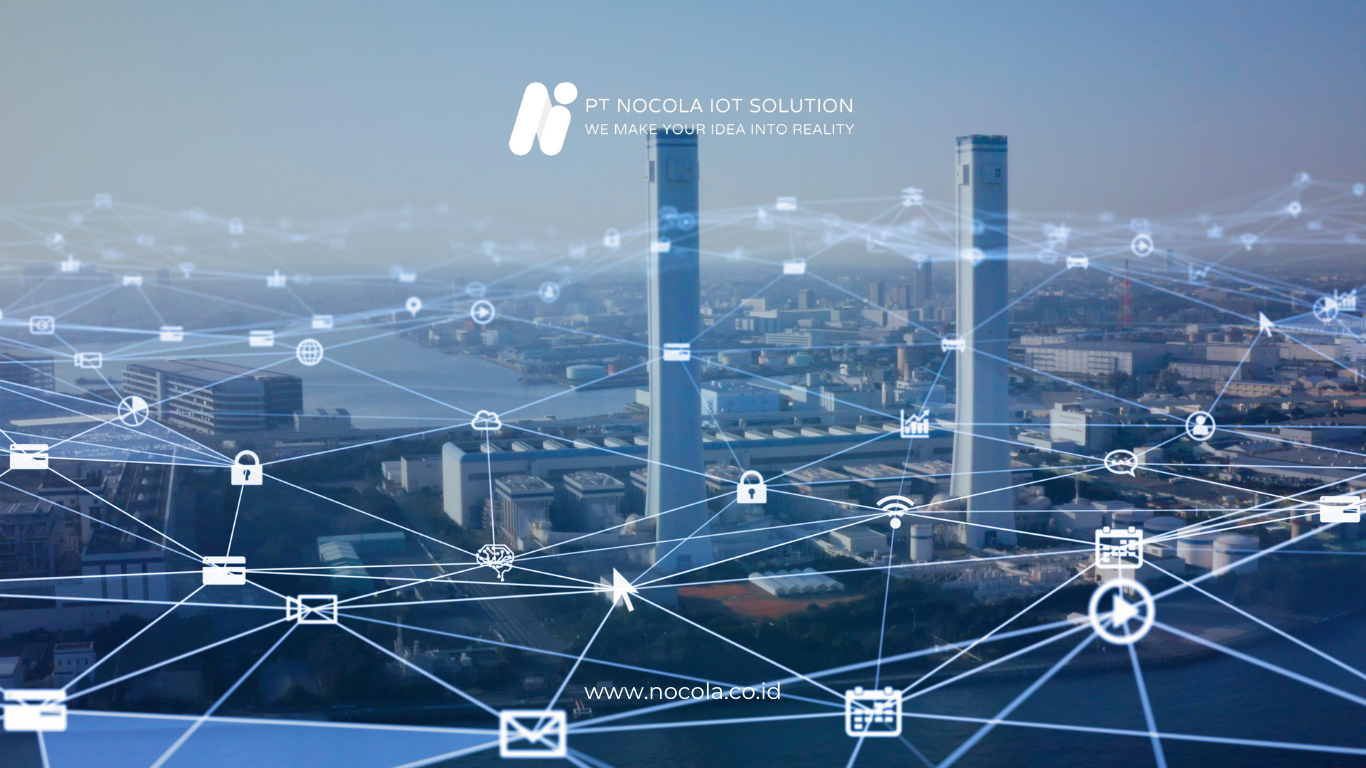
In the world of modern business and industry, the speed of information has become a decisive factor for success. Delayed decisions, even by just a few hours, can have a significant impact on productivity, operational costs, and even workplace safety. This is where *real-time data* plays a crucial role.
Companies can no longer rely solely on daily or weekly reports. They require immediate visibility into field conditions to respond quickly and appropriately to changes. The monitoring system by Nocola serves as a technology-based solution that enables companies to leverage real-time data for more accurate decision-making.
This article will delve into how Nocola’s monitoring system helps companies enhance operational efficiency, reduce risks, and establish a smarter working system through the use of real-time data.
Also Read: WQMS: Real-Time Water Quality Monitoring Solution
Before discussing the benefits of the monitoring system, it is important to understand the risks that arise when companies do not have direct access to data.
Manual reports or periodically collected data often become irrelevant by the time they are used.
Without real-time monitoring, operational disruptions are only recognized after they have made a significant impact.
A lack of data leads management to rely on intuition rather than factual information from the field.
Without continuous data, performance analysis becomes less comprehensive.
Real-time data is information that is collected, transmitted, and displayed with minimal latency. In the context of monitoring systems, this data reflects the actual conditions on the ground.
Characteristics of real-time data include:
Nocola’s monitoring system is designed to ensure that real-time data can be utilized optimally by companies.
Nocola’s monitoring system is an integrated digital solution that combines sensors, connectivity, and analytics dashboards to monitor various operational aspects in real-time.
This system can be used for:
With a modular approach, Nocola’s monitoring system can be tailored to meet the needs of various industries.

Nocola’s monitoring system operates through several main steps:
Sensors are installed at strategic points to measure important parameters such as:
Data from sensors is transmitted via a network to a central system without manual input.
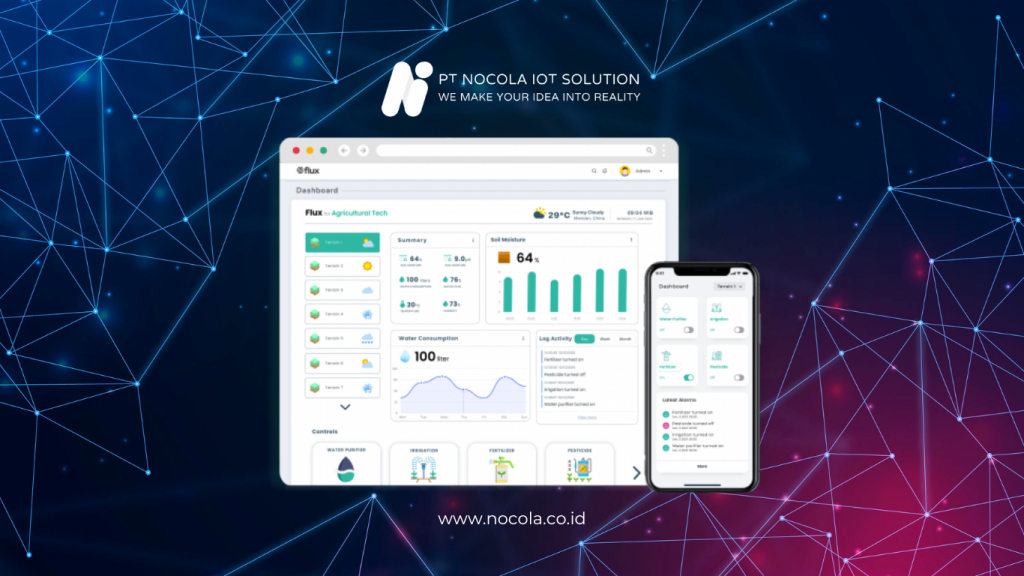
Data is displayed in a visual dashboard that is easy to understand, complete with graphs and status indicators.
The system will send alerts if data exceeds predetermined limits.
With real-time data, management can:
Problems are detected earlier, allowing for prevention before they develop into major disruptions.
Real-time monitoring helps:
Everyone has access to the same data, enhancing team accountability and coordination.
Real-time data is key to making precise decisions in the modern industrial era. With Nocola’s monitoring system, companies can monitor operational conditions directly, detect potential issues earlier, and respond quickly and accurately.
Nocola’s monitoring system helps companies:
In a fast-paced business environment, the ability to make timely decisions is no longer a luxury but a necessity. By utilizing real-time data, Nocola’s monitoring system becomes an essential foundation for more intelligent, responsive, and sustainable operations.

