Physical Address
304 North Cardinal St.
Dorchester Center, MA 02124
Physical Address
304 North Cardinal St.
Dorchester Center, MA 02124

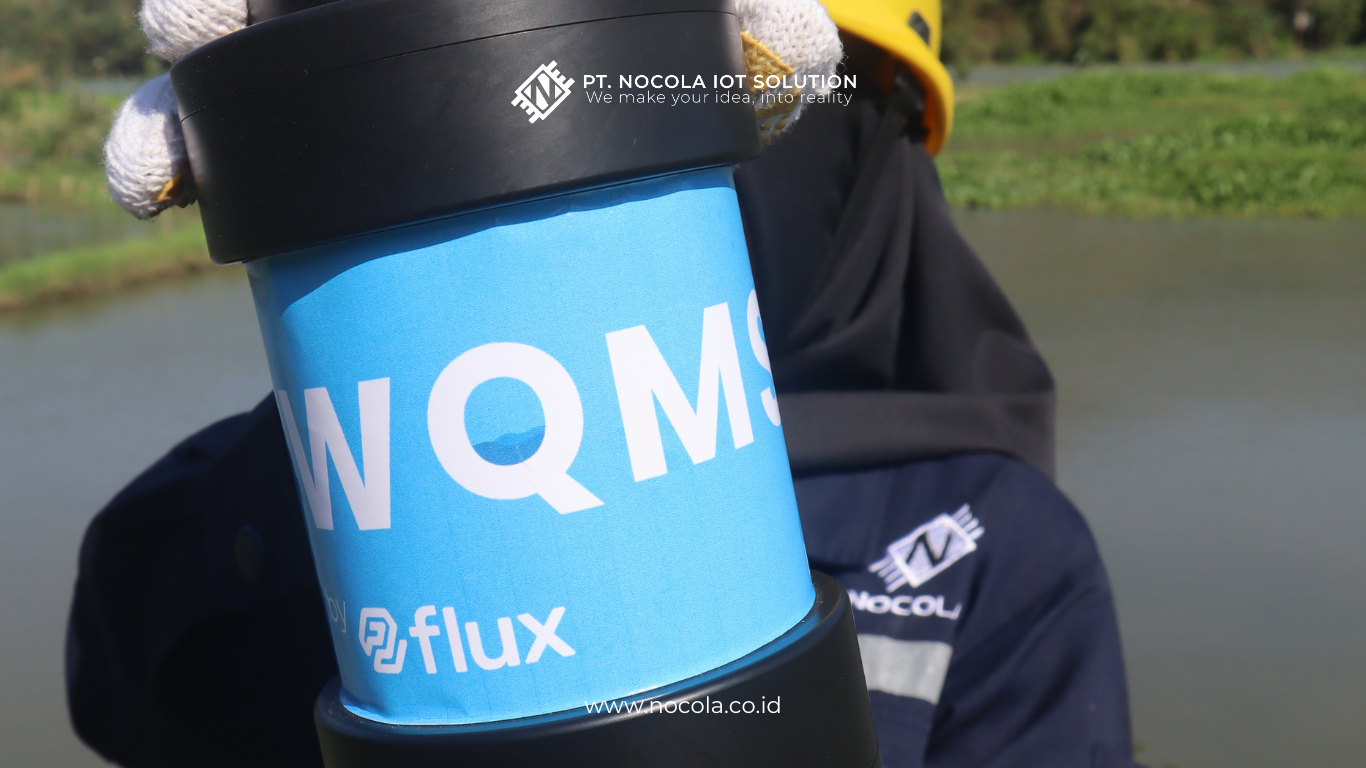
The sustainable management of water resources is a major challenge in this modern era, especially with increasing population and industrialization. One crucial technology that helps maintain water quality is the Water Quality Monitoring System (WQMS). WQMS plays a significant role in monitoring water quality in real-time, providing accurate data on water conditions across various locations. This article will discuss the benefits of WQMS and how this technology contributes to protecting our water resources.
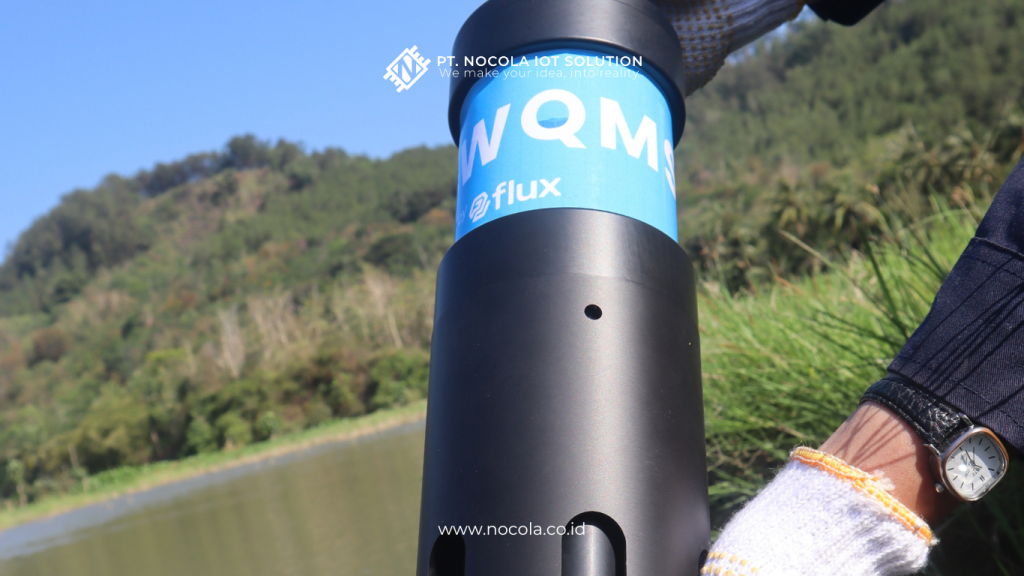
WQMS is a system used to monitor water quality parameters such as pH, temperature, dissolved oxygen, conductivity, and more. The system typically consists of sensors, software, and integrated data infrastructure to provide real-time monitoring. The collected data can be accessed by governments, industries, or non-governmental organizations to take appropriate actions to maintain water quality.
This system is commonly applied in areas like rivers, lakes, reservoirs, and industrial environments to ensure that water used by humans and ecosystems remains safe and clean. With WQMS technology, water quality monitoring can be done automatically, without the need for time-consuming manual supervision.
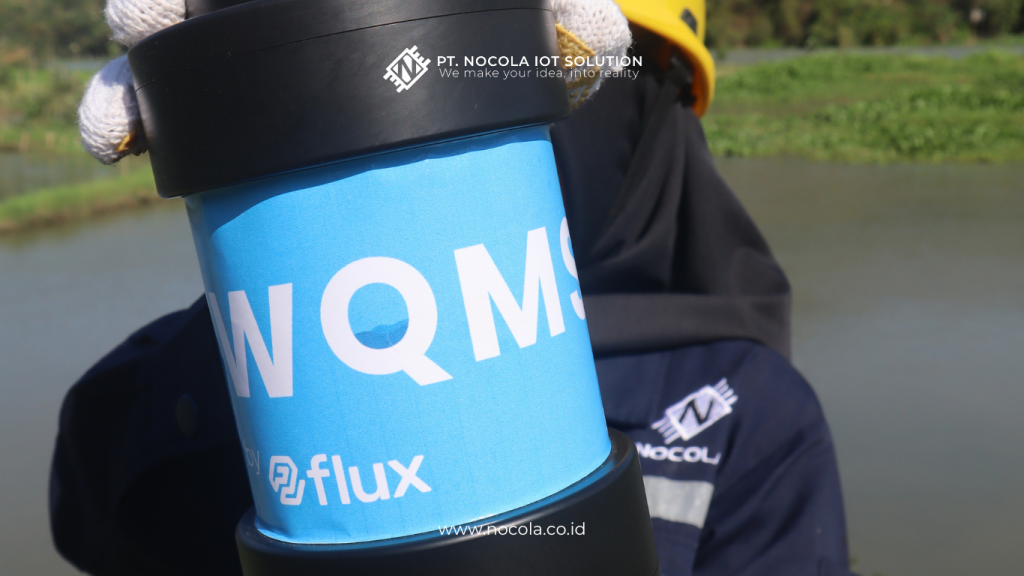
One of the main advantages of WQMS is its ability to monitor water quality in real-time. The system is equipped with sensors that continuously collect data and send it to the control center. Real-time monitoring allows for rapid responses to changes in water quality, such as sudden drops in quality or increases in pollutant levels.
For example, if pollution occurs in a river due to industrial activities, WQMS can quickly detect changes in parameters such as increased heavy metals or other harmful chemicals. With this information, authorities can take immediate steps to halt the spread of pollution and minimize its impact.
With the data obtained from WQMS, water resource managers can make smarter and more efficient decisions. The continuously updated data allows them to adjust management strategies based on actual conditions. For instance, during dry seasons when water flow decreases, the system can provide information about water quality, which may be affected by higher concentrations of pollutants.
Thus, WQMS not only helps maintain water quality but also improves efficiency in water management, especially in areas vulnerable to water crises.
Water pollution can have serious impacts on human health and ecosystems. WQMS plays a key role in the early detection of water pollution, allowing preventive measures to be taken before conditions worsen. Early detection enables the government or authorities to quickly identify the source of pollution and stop its spread.
For example, if WQMS sensors detect an increase in harmful chemical levels in a river near a factory, local authorities can immediately contact the industry involved and halt activities causing the pollution.
Safe and clean drinking water is a basic human need. WQMS helps ensure the quality of drinking water by monitoring essential parameters such as pH, dissolved oxygen levels, and the presence of harmful chemicals. With WQMS, drinking water providers can monitor the quality of water from its source to the consumer.
This system is crucial in preventing disease outbreaks caused by contaminated water. When water quality falls below the established standards, WQMS will immediately issue a warning so that corrective actions can be taken promptly.
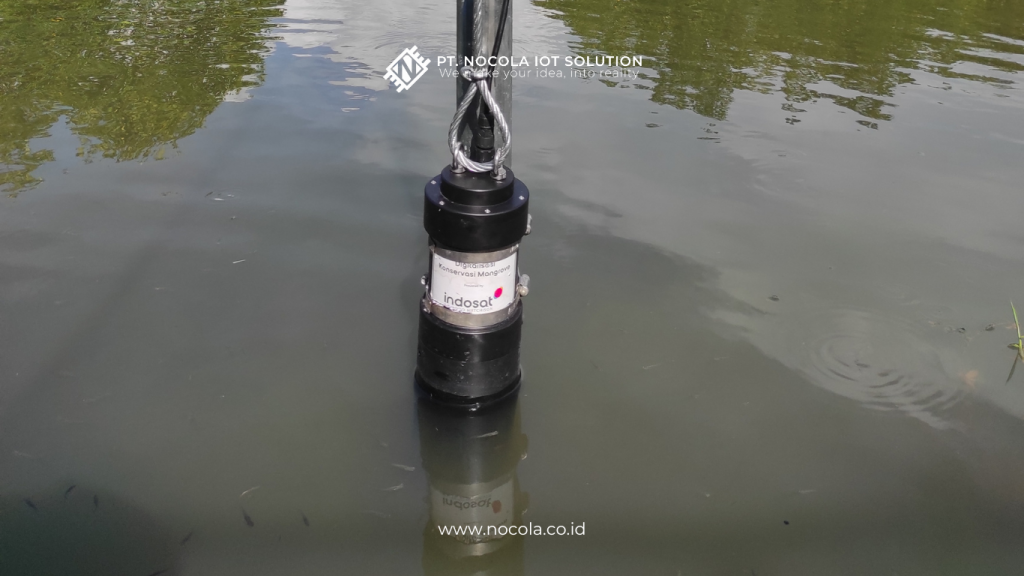
Water ecosystems are highly sensitive to changes in water quality. Excessive water pollution can lead to the death of organisms that depend on the ecosystem. With WQMS, monitoring water ecosystems becomes more effective. The system helps prevent environmental degradation by ensuring that water quality remains within safe limits to support life.
Fisheries and marine habitats heavily depend on good water quality. Water pollution can disrupt marine food chains, affect fish populations, and even lead to the extinction of certain species. WQMS helps protect marine habitats by monitoring water conditions in coastal environments, enabling immediate action to prevent further pollution.
By safeguarding water quality in fisheries, WQMS also contributes to maintaining fish resources, which are an important part of the human food chain.
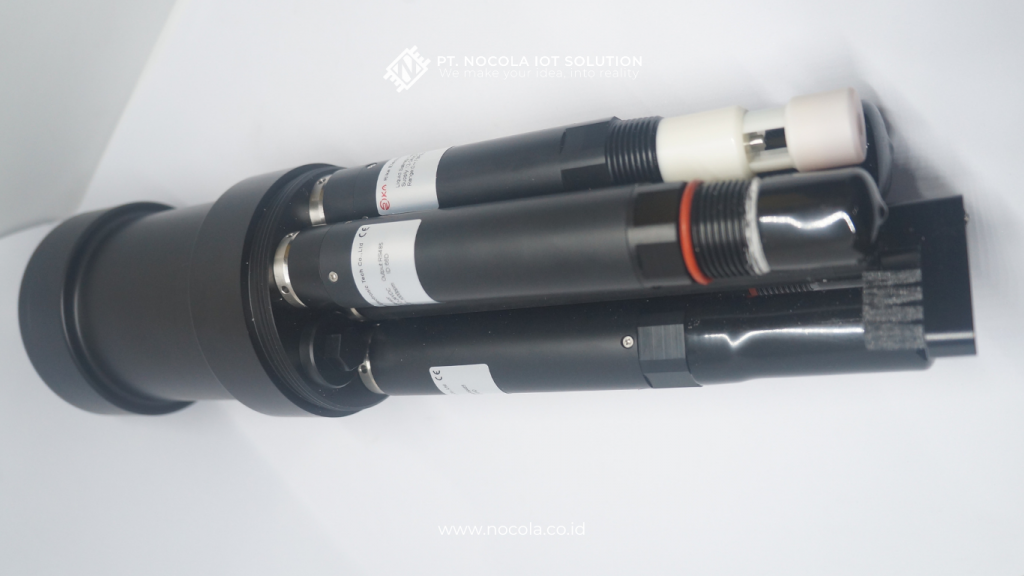
Industries often contribute to water pollution through waste discharge. The application of WQMS in the industrial sector helps ensure that wastewater meets environmental standards before being released into water sources. Continuous monitoring allows companies to reduce the risk of accidental pollution and comply with government regulations regarding waste management.
Agricultural activities can also pollute water through the use of pesticides, fertilizers, and other chemicals. WQMS can be used to monitor the impact of these activities on nearby water sources, allowing mitigation measures to be taken to protect water quality in the area.
Governments and non-governmental organizations involved in environmental work use WQMS to comprehensively monitor water conditions in rivers, lakes, and reservoirs. The data generated by WQMS can be used to inform environmental policies and sustainable water management. Additionally, the system serves as a tool for detecting environmental violations by industries or other entities that fail to comply with regulations.
The Water Quality Monitoring System (WQMS) is an essential technology in efforts to maintain and improve water quality across various sectors. With its ability to monitor water parameters in real-time, WQMS offers numerous benefits, from early pollution detection, enhancing water management efficiency, to protecting ecosystems and drinking water quality.
In an era where environmental challenges are increasing, the implementation of WQMS can help ensure that water resources remain clean and safe for use by humans and other ecosystems. While there are some challenges in implementation, such as cost and infrastructure, the long-term benefits of this system far outweigh the drawbacks, particularly in maintaining environmental sustainability and public health.
As technology continues to evolve, WQMS will become more sophisticated and accessible, and it is expected to be widely implemented in the future. Utilizing WQMS is a strategic step in protecting one of the Earth’s most important resources: water.