Physical Address
304 North Cardinal St.
Dorchester Center, MA 02124
Physical Address
304 North Cardinal St.
Dorchester Center, MA 02124
As we enter the beginning of 2026, the industrial world is at a point of increasingly evident change. The previously gradual digital transformation is now moving faster and more comprehensively. Companies are not only required to survive but also to adapt, innovate, and leverage technology as a competitive advantage.
The year 2026 marks an important momentum for industries to evaluate and embark on new steps. Various technologies such as Internet of Things (IoT), artificial intelligence (AI), automation, and real-time data systems have increasingly become standards rather than merely optional additions. Industries that can read trends and take early action will have a stronger position amid intensifying competition.
This article will discuss the technology trends of industry 2026 that serve as the main drivers of transformation, as well as how the beginning of the year is an ideal time to initiate strategic changes.
Also Read: LogSheet Digital Nocola: Operational Record Transformation
The beginning of the year is always a phase of reflection and planning for many companies. In the industrial sector, this moment becomes even more crucial as technological changes move quickly and directly impact daily operations. The year 2026 opens up significant opportunities for industries to leave behind conventional processes and switch to smarter systems.
Transformation involves more than just replacing manual tools with digital ones; it encompasses a complete change in work methods. From data recording, operational oversight, to decision-making, everything is demanded to be based on accurate and real-time data.
Industries that take advantage of the beginning of the year to design a technology roadmap will have greater advantages. They can outline long-term strategies, adjust budgets, and prepare human resources to be ready to face changes. Conversely, companies that delay transformation risk falling behind and finding it challenging to catch up amid technological acceleration.
The year 2026 is also marked by increasing demands for efficiency, transparency, and sustainability. Regulations, market pressures, and consumer expectations drive industries to adopt technologies that can concretely address these challenges.
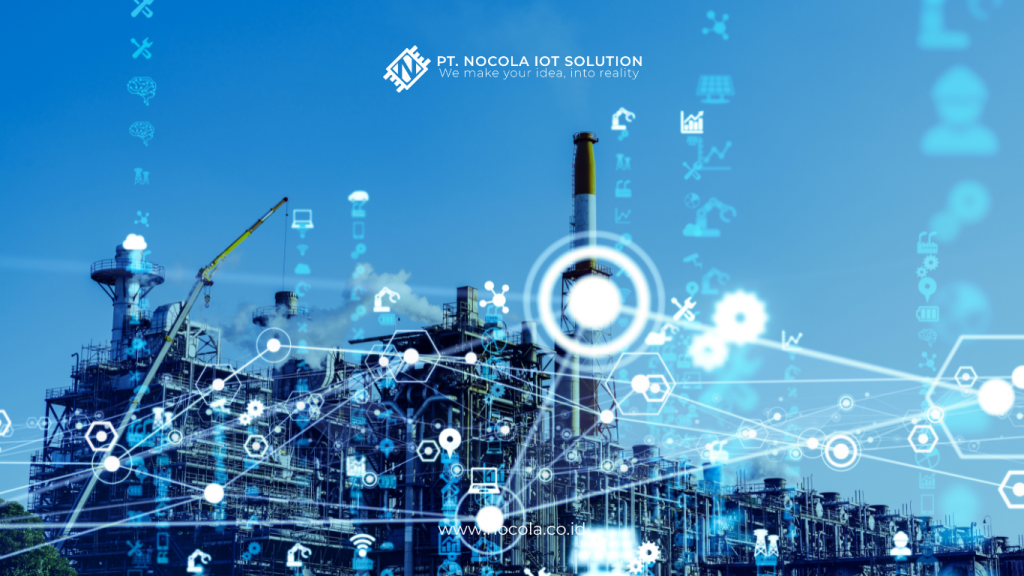
One of the most dominant technology trends in 2026 is the massive use of the Internet of Things (IoT). IoT is no longer viewed as an experimental technology but as a primary foundation for building a connected, data-driven modern industry.
Through IoT, various devices, machines, and sensors can connect and transmit data in real-time. This data becomes a valuable asset for monitoring operational performance, detecting potential disruptions, and improving process efficiency.
In 2026, successful industries are those that can effectively manage real-time data. Monitoring the condition of machines, energy consumption, environmental quality, and operational activities can now be performed within a single integrated system. This allows for faster responses to changes in the field.
Moreover, real-time data helps industries transition from a reactive approach to a proactive one. Issues can be detected early before they escalate into major damages. Consequently, downtime can be minimized, and operational costs become more controllable.
IoT also opens up integration opportunities across sectors. Data from various sources can be combined to provide a comprehensive view of industry performance, serving as a basis for more accurate decision-making.
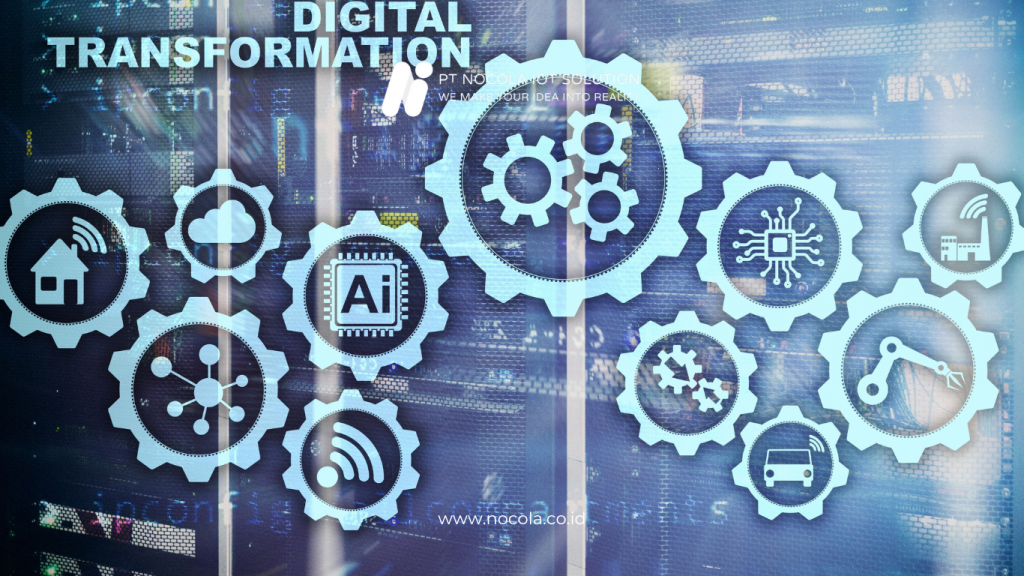
The next trend gaining strength in 2026 is the combination of automation and artificial intelligence (AI). While IoT acts as a data collector, AI serves as the brain that analyzes and provides insights from that data.
Automation in the industrial sector is not just limited to production machinery, but also includes administrative processes and operational oversight. Automated systems can perform repetitive tasks consistently, reducing reliance on manual processes that are prone to errors.
AI enables industries to conduct large-scale data analysis at high speed. Patterns that were previously difficult to recognize can now be identified more easily. From here, industries can predict maintenance needs, optimize production schedules, and improve product quality.
In 2026, automation and AI also play vital roles in decision-making. Data-based recommendations help management choose the most effective actions rather than relying solely on intuition. This makes operations more measurable and strategic.
The application of automation and AI ultimately aims for one main goal: to increase efficiency without sacrificing quality. Industries can work faster, more accurately, and more adaptively to market changes.
**One of the major challenges in industrial transformation is the operation of separate systems. In 2026, technology trends are moving towards a stronger and more comprehensive approach to *integrating digital systems.*
Integration allows data from various departments and devices to be collected in one platform. This eliminates information silos and makes collaboration between teams more effective. Management no longer needs to compile data from various sources manually.
Fast and accurate decision-making becomes key to competitive advantage in the industry. With an integrated system, important information can be accessed in real-time by those who need it. This is crucial in situations that require immediate responses, such as operational disruptions or changes in environmental conditions.
In addition to speeding up decision-making, system integration also enhances transparency. Every activity is recorded and traceable, allowing for more objective performance evaluations. Industries can easily identify areas that need improvement and design appropriate strategies.
This trend shows that technology is not merely a supporting tool, but has become a core part of industrial business strategies in 2026.
Looking at the overall technology trends in 2026, one thing is clear: the future industry is adaptive, sustainable, and technology-driven. Digital transformation is no longer a short-term project but a continuous journey that requires long-term commitment.
Being adaptive means that industries can respond quickly to changes, whether in technology, regulations, or market needs. Technologies such as IoT, AI, and integrated systems provide the flexibility needed to face these dynamics.
Sustainability becomes a primary focus, coinciding with increased attention to energy efficiency, emission reductions, and environmental responsibilities. Technology helps industries monitor and manage their operational impacts more accurately and measurably.
Being technology-based means that every significant decision is supported by valid data and insights. With this foundation, industries not only survive in 2026 but are also prepared to face future challenges.
The beginning of the year is the best time to embark on this transformation. With the right strategies and appropriate technology utilization, industries can confidently step toward a competitive future.
The technology trends of 2026 mark a new chapter in the transformation of the industrial world. IoT, real-time data, automation, AI, and system integration become the main pillars shaping how modern industries operate.
The beginning of the year serves as a strategic momentum for initiating change. Industries willing to transform early will gain advantages in efficiency, speed, and decision-making accuracy. Conversely, delaying technology adoption risks widening the gap with competitors.
By understanding the trends and directions of technology in 2026, companies can formulate more directed and sustainable steps. Transformation is no longer an option; it is a necessity. And the year 2026 is the perfect start for moving towards a smarter, more adaptive, and future-ready industry.
