Physical Address
304 North Cardinal St.
Dorchester Center, MA 02124
Physical Address
304 North Cardinal St.
Dorchester Center, MA 02124

Fatigue Monitoring: Enhancing Workplace Safety and Productivity
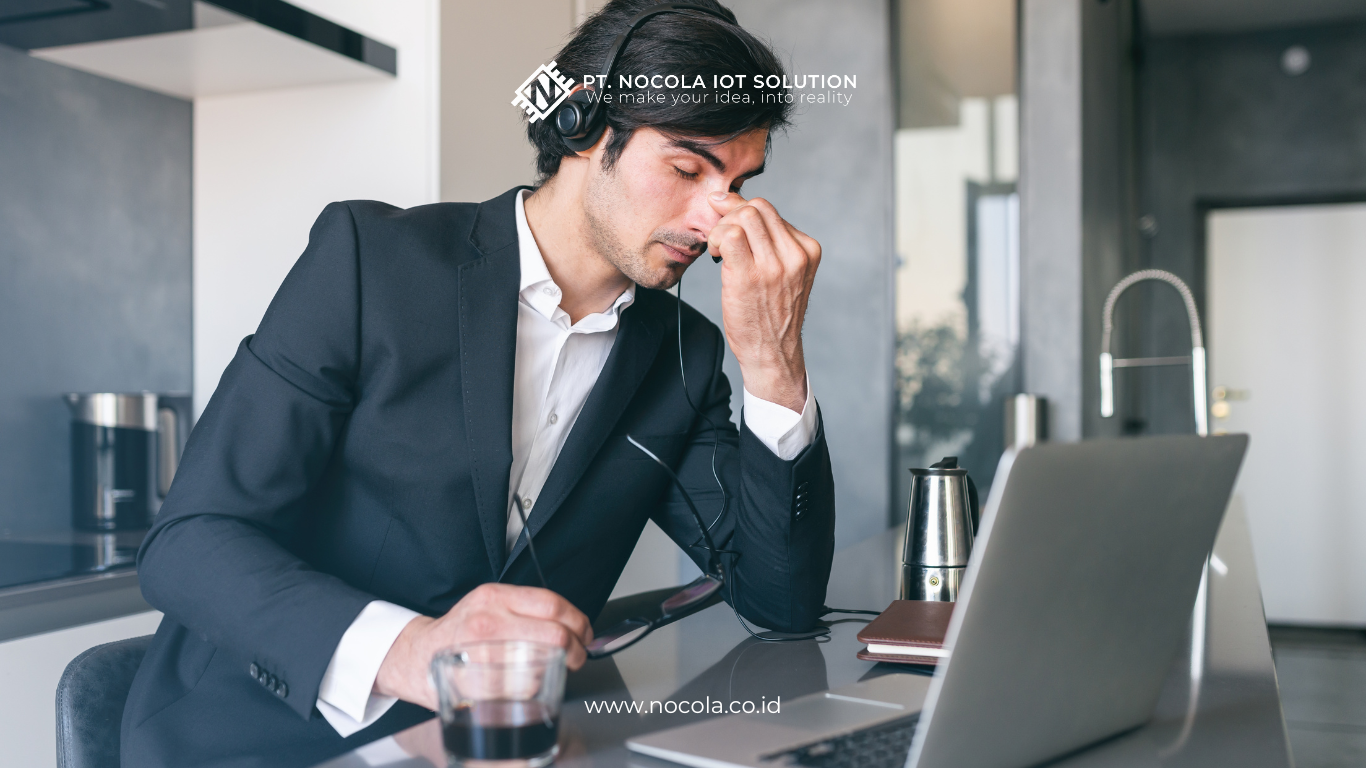
Fatigue monitoring is an advanced technology used to track workers’ fatigue levels in various industries. As attention to workplace health and safety increases, fatigue monitoring has become a critical solution to maintain productivity and prevent accidents caused by exhaustion. This article explores what fatigue monitoring is, how it works, its benefits, and the industries that most need this technology.
Read More: Benefits of Water Quality Monitoring System (WQMS) in Water Resources Management
Fatigue monitoring is a technology-based system designed to monitor signs of fatigue in workers in real-time. These systems often use sensors or cameras to detect physical changes, such as variations in breathing frequency, heart rate, eye movement, or behavioral patterns indicating decreased alertness. The goal is to provide early warnings to workers or managers when someone begins showing signs of fatigue that could be dangerous.
Fatigue monitoring is commonly used in high-concentration environments and physically demanding industries, such as mining, transportation, manufacturing, and healthcare. This system can be integrated with wearable devices, management dashboards, or surveillance cameras to facilitate comprehensive monitoring.

Fatigue monitoring works by collecting data from workers through various devices or sensors installed in the workplace. Below are common methods used:
One of the early signs of fatigue is changes in eye movement patterns. As workers become tired, the frequency of blinking increases, and reaction times slow down. Fatigue monitoring uses cameras or infrared sensors to track eye movements and detect these changes. If the system detects that workers’ eyes are slowing or blinking frequently, it will issue a warning.
This technology also utilizes sensors to measure heart rate and breathing. When the body is tired, heart rate and breathing patterns may change. For example, a worker’s heart rate might slow or speed up, while their breathing becomes shallow. The system analyzes this data to determine if the worker is at high fatigue risk.
Fatigue monitoring can also analyze worker behavior to detect signs of exhaustion. It monitors body movements, posture, and walking patterns. If workers begin to show signs such as slouching, walking slowly, or frequently rubbing their eyes, the system will recognize fatigue.
Wearable devices are increasingly popular in fatigue monitoring. Devices like smartwatches or health monitors continuously track workers’ vital signs, such as body temperature, oxygen levels, and physical activity. This data is integrated into the fatigue monitoring system, which generates reports or warnings when necessary.
Advanced fatigue monitoring systems use artificial intelligence (AI) and machine learning to analyze large amounts of data. AI learns from fatigue patterns in various individuals and improves detection accuracy over time, providing more personalized warnings according to each worker’s condition.

Fatigue monitoring technology offers several crucial benefits related to safety, productivity, and employee well-being. Here are the main advantages:
Fatigue is often a leading cause of accidents, especially in high-risk environments such as mining, transportation, or jobs involving heavy machinery. Fatigue monitoring detects early signs of exhaustion, allowing preventative measures to be taken before an accident occurs.
Tired workers tend to be less productive as their ability to focus and perform tasks correctly declines. With early warnings from the fatigue monitoring system, managers can ensure workers take appropriate rest breaks, maintaining their productivity.
Fatigue monitoring benefits not only workplace safety but also workers’ overall well-being. The system helps ensure employees do not exceed their physical and mental limits, creating a healthier work environment and extending employees’ careers.
Workplace accidents and reduced productivity due to fatigue can significantly impact operational costs. Fatigue monitoring reduces accident risks and enhances work efficiency, ultimately lowering expenses related to compensation, equipment damage, or productivity loss.
In some countries, workplace safety regulations require companies to monitor worker fatigue, especially in high-risk industries. Fatigue monitoring helps companies comply with these regulations by providing relevant and accurate data on workers’ conditions.

Read More: Building an IoT Ecosystem with Fluxcloud from Nocola: Managing IoT Data at Scale
Fatigue monitoring technology is highly beneficial in various industries, particularly those involving heavy physical labor and high risk. Below are some sectors that benefit the most from this technology:
The mining industry is known for its high risks, especially because workers often work long shifts in challenging environmental conditions. Fatigue monitoring is used to track the physical condition of mine workers, preventing accidents caused by extreme fatigue.
In the transportation sector, especially for long-haul drivers and pilots, fatigue is a significant risk factor. Monitoring systems help ensure that operators remain alert, improving safety on the roads and in the air.
Fatigue monitoring systems are a critical tool for enhancing safety and productivity across industries where fatigue poses significant risks.
3. Manufacturing
In the manufacturing sector, fatigue monitoring helps prevent accidents involving heavy machinery. Tired workers may be less alert and prone to making dangerous mistakes while operating machines. This technology allows companies to identify workers who need rest before they make errors that could lead to damage or injury.
4. Healthcare
Workers in the healthcare sector, such as doctors and nurses, often have to work long shifts that can cause extreme fatigue. Fatigue monitoring helps identify when medical personnel start to lose concentration and are at risk of making medical errors. This is crucial for maintaining patient safety and ensuring the quality of healthcare services.
5. Construction
In the construction industry, workers often face physically demanding tasks and hazardous work environments. Fatigue monitoring helps track the physical condition of workers, allowing managers to ensure they are working safely and in optimal physical condition.
Although fatigue monitoring technology offers many benefits, there are several challenges that need to be addressed, such as worker privacy, implementation costs, and the accuracy of systems in detecting fatigue. However, with advancements in AI and increasingly sophisticated sensors, it is expected that this technology will become more affordable and accurate in the future.
1. Worker Privacy and Trust
One of the biggest challenges in implementing fatigue monitoring is the issue of privacy. Some workers may feel uncomfortable with intensive monitoring, especially if it involves cameras or sensors continuously tracking their activities. To address this, companies need to ensure that the data collected is only used for safety and worker welfare purposes.
2. Implementation Costs
While fatigue monitoring technology offers many benefits, the initial implementation costs can be a barrier for small or medium-sized companies. However, as technology advances and device costs decrease, it is expected that more companies will be able to adopt this system in the future.
3. Improved Accuracy with AI
The use of artificial intelligence and machine learning in fatigue monitoring is continuously evolving. With more advanced data analysis, these systems will become increasingly capable of detecting signs of fatigue with greater accuracy and providing timely warnings. This enables companies to be more proactive in ensuring worker safety.
Fatigue monitoring is an important technological solution for ensuring the safety, productivity, and well-being of workers across various industries. By utilizing technologies like sensors, cameras, and AI, these systems can detect signs of fatigue in real-time, provide early warnings, and help prevent workplace accidents. Although there are challenges in implementing this technology, its long-term benefits in creating a safer and healthier work environment are significant. As technology evolves, fatigue monitoring will continue to be an essential part of workplace safety strategies in the future.