In today’s fast-paced work environment, especially in sectors like industry, transportation, and mining, fatigue poses one of the most significant challenges to safety and productivity. Companies must implement systems capable of monitoring employee fatigue levels in real-time and providing prompt and accurate solutions. One of the latest innovations offering such a solution is Fatigue Monitoring from Nocola. This article will explore the key features of this system and how the technology can help companies enhance both safety and productivity.
Before discussing its features, it is essential to understand what fatigue monitoring entails. Fatigue monitoring is a technology used to detect signs of fatigue in workers in real-time. This technology utilizes advanced sensors and algorithms to analyze behavior, facial expressions, and physiological responses to identify fatigue. It is crucial, particularly in sectors where high levels of fatigue can lead to fatal accidents or a decrease in productivity.
Fatigue affects not only the health of workers but also their performance. Studies have shown that fatigue can lead to decreased concentration, increased risk of accidents, and reduced productivity. With an effective monitoring system, companies can take preventive measures to avoid these negative impacts. Nocola offers an innovative solution with fatigue monitoring features specifically designed to ensure workers remain productive and safe.
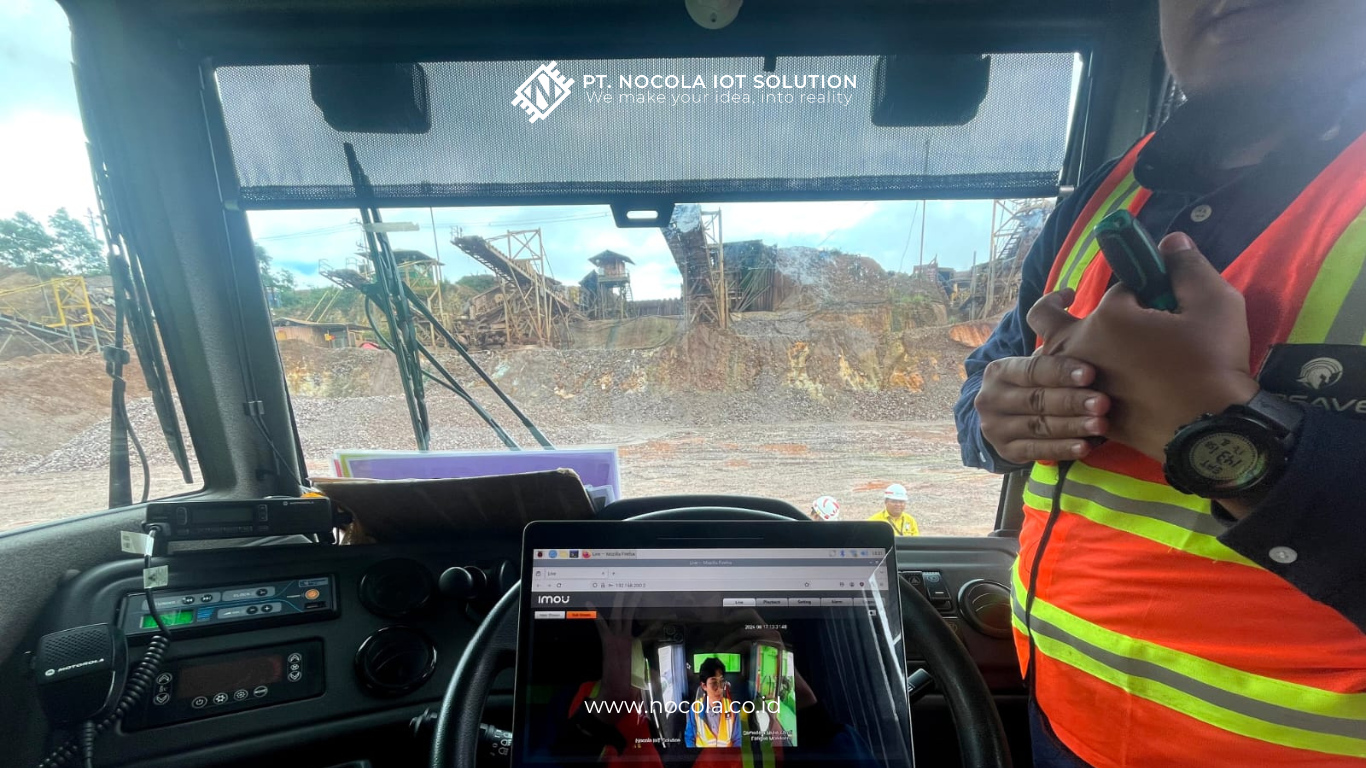
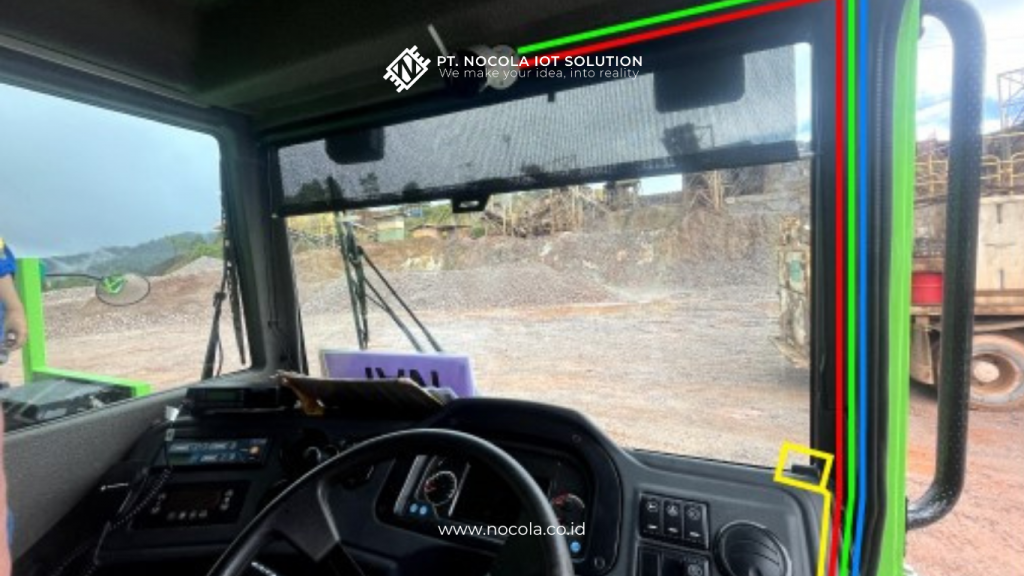
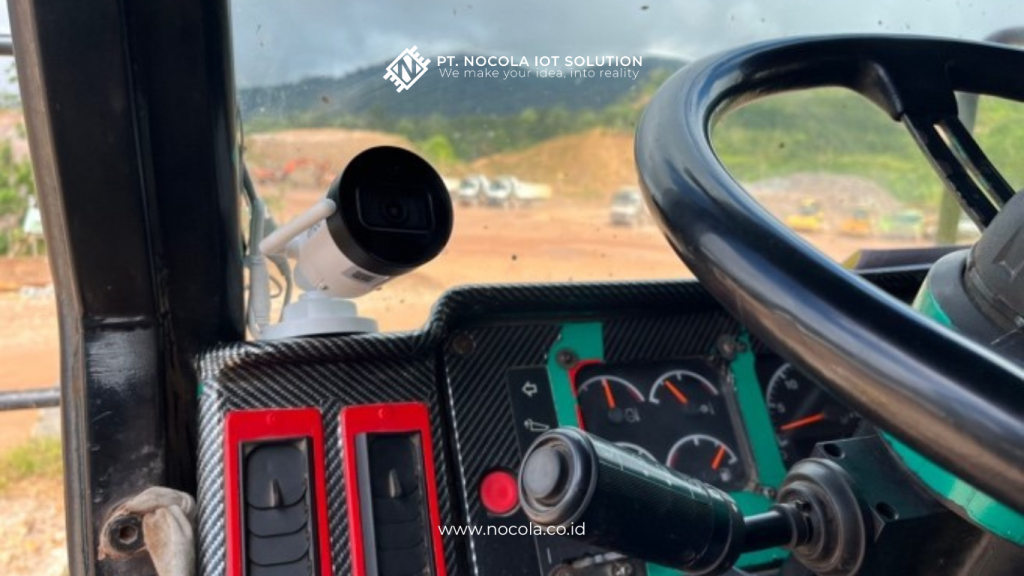
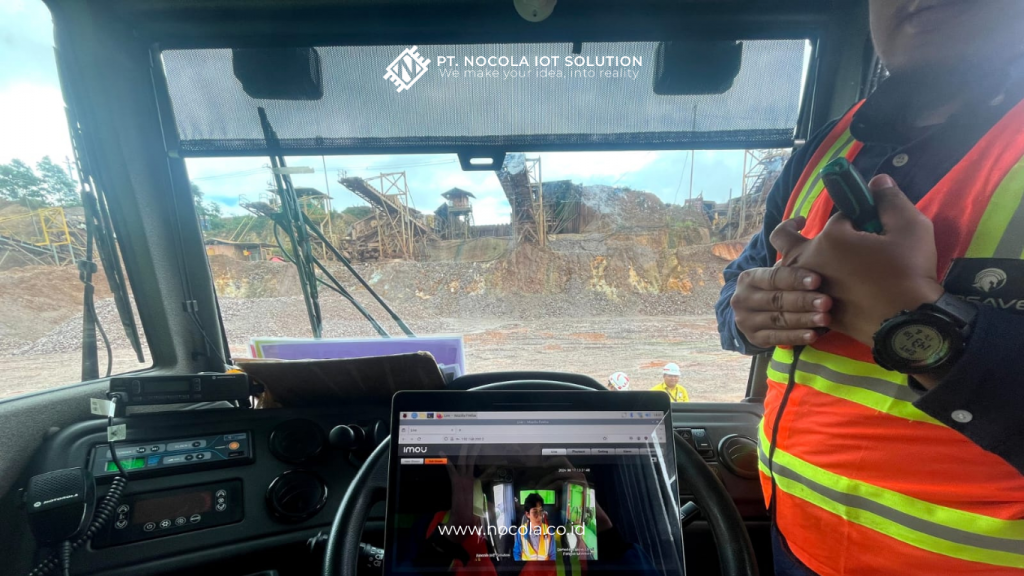
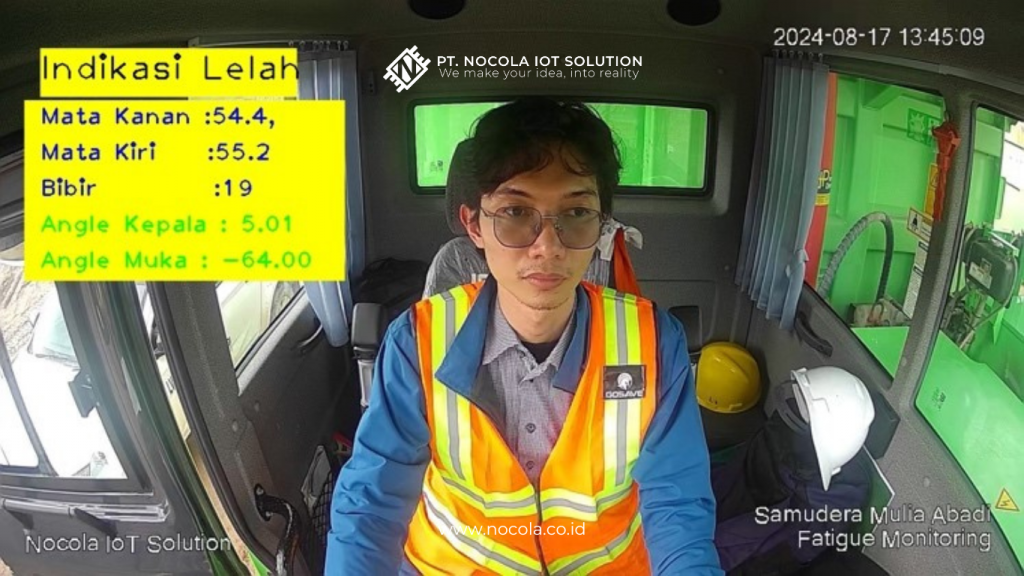
Real-Time Fatigue Detection Nocola’s Fatigue Monitoring can detect fatigue in real-time using sensors placed on equipment or wearable devices like helmets or smart glasses. These sensors monitor behavioral changes such as blinking frequency, head position, and breathing patterns. The system provides early warnings to workers or operators when fatigue is detected, helping to prevent accidents.
AI and Machine Learning Integration With Artificial Intelligence (AI) and Machine Learning (ML), the system continuously learns and improves its accuracy. It doesn’t just detect physical symptoms but also analyzes work patterns and environmental conditions to predict when fatigue is likely to occur, offering accurate recommendations for breaks or rest periods.
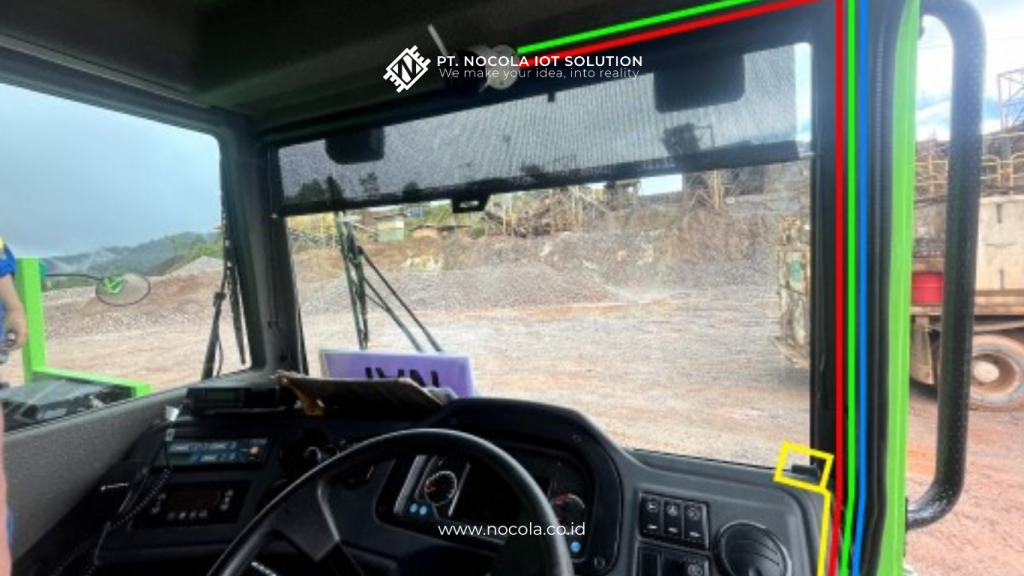
Integration with IoT Devices Nocola’s Fatigue Monitoring integrates with IoT (Internet of Things) devices to create a comprehensive ecosystem. It connects with heavy equipment, vehicles, or machinery, allowing data to be automatically collected and used to monitor workers’ overall health, providing deeper insights into their work conditions and fatigue levels.
Automatic Notifications and Alarms When significant signs of fatigue are detected, the system sends automatic notifications to workers and supervisors via mobile apps, dashboards, or sound alarms. This allows supervisors to take immediate action, such as scheduling rest breaks or temporarily halting operations if necessary.
Interactive Analytics Dashboard Nocola’s fatigue monitoring comes with an interactive analytics dashboard that allows managers to monitor workers’ fatigue levels in real-time and view trends that help in decision-making. The data includes daily fatigue levels, team fatigue statistics, and specific environmental conditions, enabling companies to plan preventive actions more effectively.
Customization and Adjustments Each industry has unique work conditions, and Nocola’s Fatigue Monitoring offers customization options to meet specific needs. For instance, in mining sectors, extreme environmental conditions may require sensors to be more sensitive to temperature and air pressure, ensuring that the system remains accurate and relevant in the field.
Comprehensive and Predictive Reporting The system also generates comprehensive reports periodically, which include both historical data and predictive insights on future fatigue risks. This helps companies plan preventive strategies, such as optimizing rest schedules or rotating job roles.
Nocola’s Fatigue Monitoring can be implemented in various industrial sectors, including:
Transportation Sector: Where heavy vehicle drivers often work long hours and require monitoring systems to prevent accidents.
Mining Sector: Where harsh environmental conditions make workers vulnerable to fatigue.
Manufacturing Sector: Where workers are required to perform repetitive and exhausting tasks.
Conclusion
Nocola’s Fatigue Monitoring is an effective solution for addressing fatigue challenges in the workplace. With advanced features such as real-time detection, IoT integration, automated notifications, and in-depth analytics, this system helps companies ensure worker safety and productivity. Utilizing AI and machine learning technology, Nocola’s Fatigue Monitoring can also predict future fatigue risks, allowing companies to take better preventive measures.