Physical Address
304 North Cardinal St.
Dorchester Center, MA 02124
Physical Address
304 North Cardinal St.
Dorchester Center, MA 02124
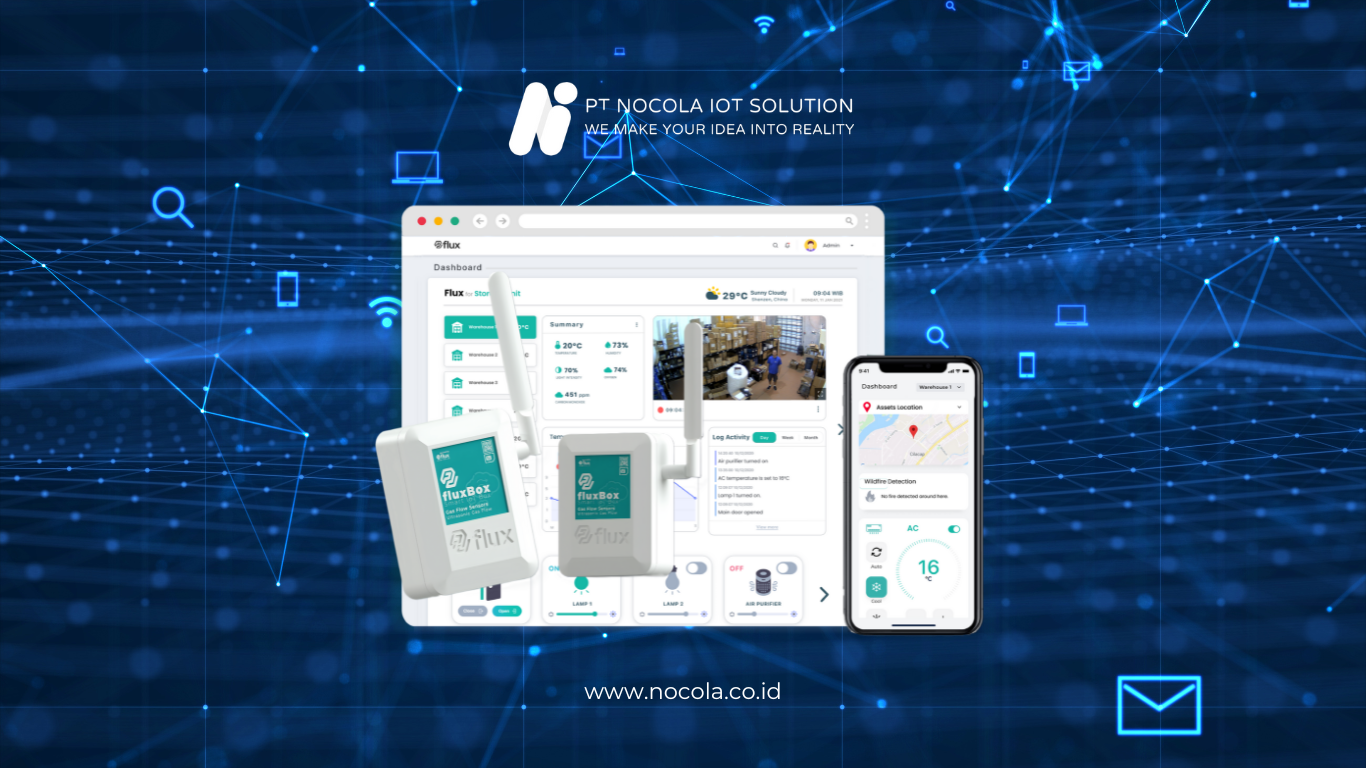
In a world increasingly driven by technology, especially in the era of Industry 4.0, the need for efficient and effective systems to manage IoT devices becomes ever more important. Flux, developed by Nocola, offers a leading solution to connect, manage, and optimize various IoT devices across different industrial sectors. In this article, we will discuss the advantages and innovative features of the Flux Platform and how this technology can transform the way businesses operate.
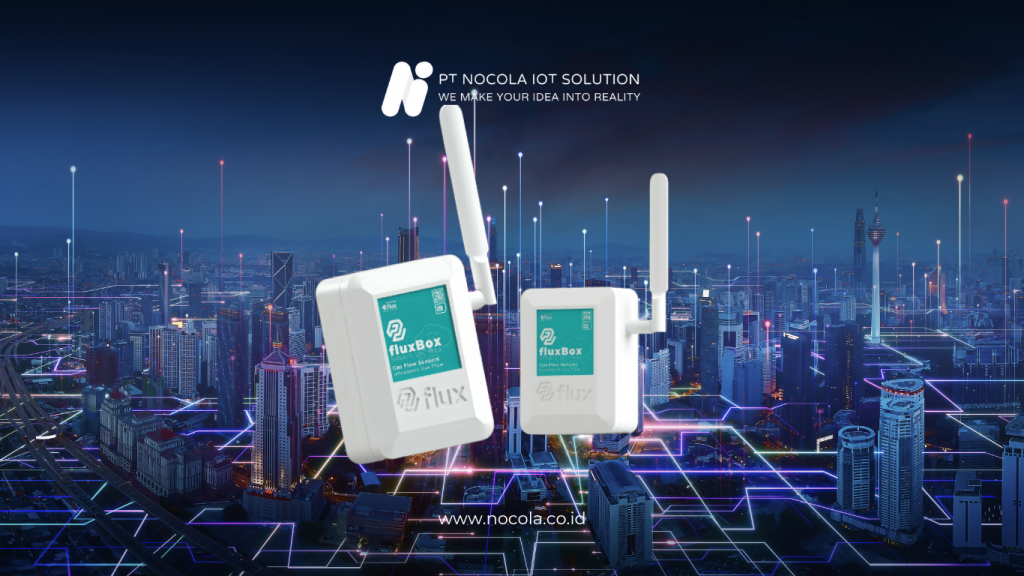
Flux Platform is an IoT device management system that enables companies to connect and monitor devices in real-time. With Flux, users can collect, analyze, and utilize data from various devices to enhance decision-making and operational efficiency.
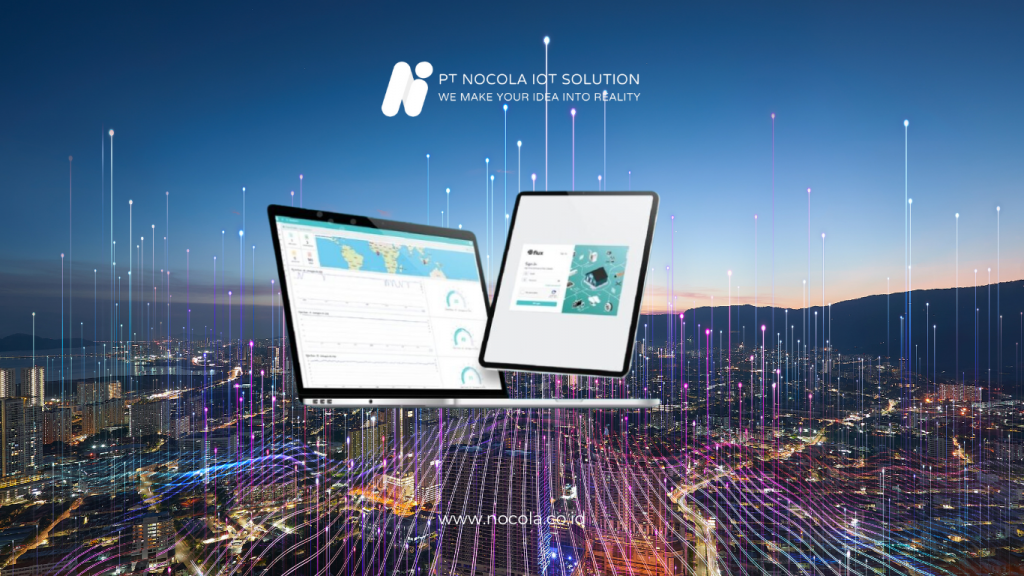
By integrating IoT devices into management systems, Flux helps businesses gain better visibility into their operations. Real-time data allows companies to identify issues and optimize processes, from production to delivery.
Accurate and relevant data from IoT devices aids management in making better decisions. With advanced analytical systems, Flux allows companies to respond quickly to competition and market shifts.
Increased efficiency leads to reduced operational costs. By monitoring resource usage, Flux helps companies minimize waste and maximize financial potential.
Integrating smart technology within the Flux system enables companies to continuously innovate. Information collected from data can be used to devise new strategies and product developments, creating added value for customers.
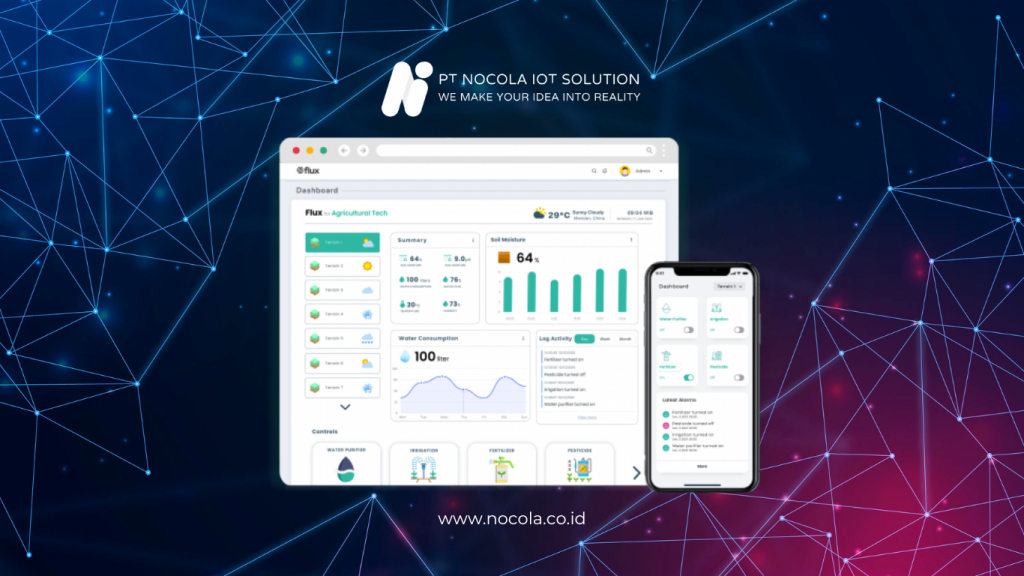
The Flux platform allows users to connect various sensors and IoT devices into a single system. This creates an integrated network and simplifies monitoring.
After devices are connected, Flux collects the generated data and stores it on a cloud-managed platform. This data is then analyzed to provide useful insights and reports.
With effective data analysis, Flux can trigger automated actions based on defined conditions. For example, if a temperature sensor detects a spike, the system can send alerts to technicians or take actions to cool the device.
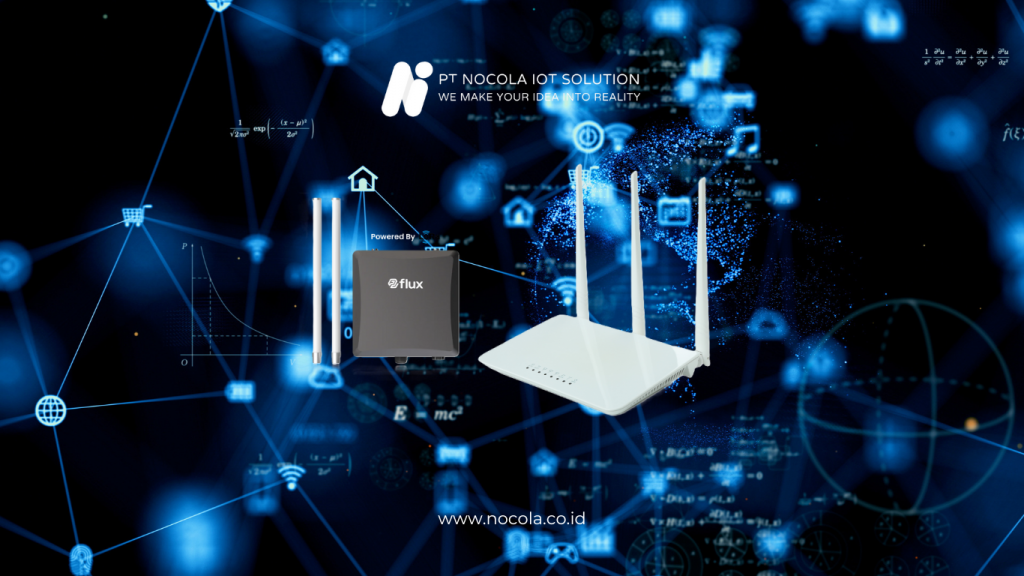
In the manufacturing industry, Flux can be used to monitor each stage of the production process. With better information, managers can optimize production lines and improve product quality.
Flux helps energy companies monitor energy usage and emissions, supporting sustainability and compliance with environmental regulations.
In the transportation sector, Flux can be utilized for fleet management and route optimization.
In the healthcare sector, Flux can support monitoring medical equipment and storing medical supplies.
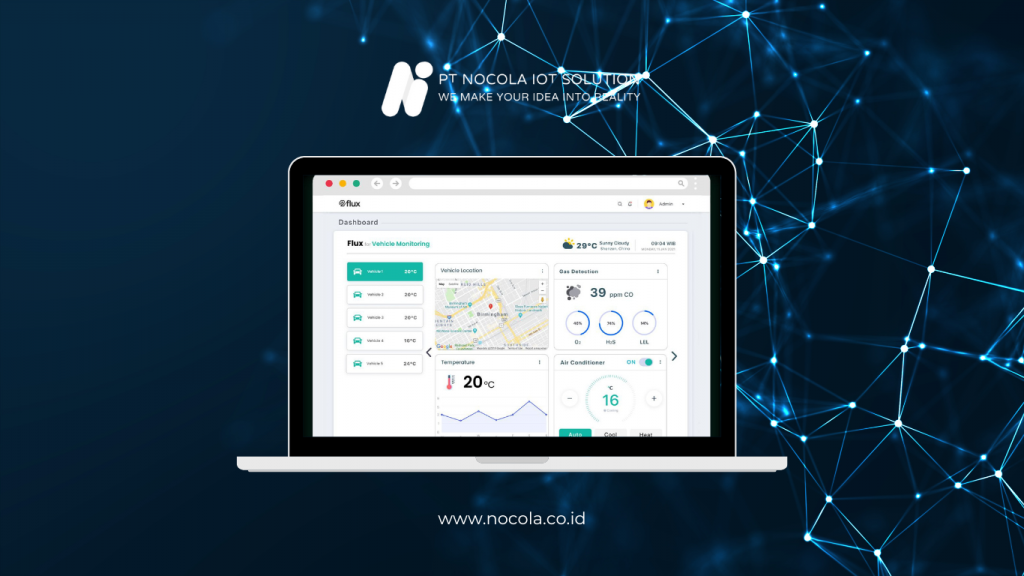
Before implementing the system, conduct a needs analysis to understand how Flux can meet the operational needs of the company.
Select the appropriate IoT devices to integrate into the Flux system. Ensure that all devices are tested and ready to connect.
Companies must ensure that the required infrastructure is adequate to support the implementation of Flux. This includes internet networks, servers, and other hardware.
Provide adequate training for user teams on how to use Flux and the integrated technology. Well-trained employees will maximize the benefits of the system.
After implementation, routinely evaluate the performance of the Flux system. Gather feedback from users to continuously improve the effectiveness of the implementation.
Flux from Nocola is an innovative solution that has the potential to bring significant changes in how companies operate across various sectors. By implementing IoT technology and data management through Flux, businesses can enhance efficiency, productivity, and sustainability.
Successful implementation involves a deep understanding of business needs while engaging employees in the change process. Through the right steps and modern technological support, we can embrace a future with more efficient and environmentally friendly industrial systems.

