Physical Address
304 North Cardinal St.
Dorchester Center, MA 02124
Physical Address
304 North Cardinal St.
Dorchester Center, MA 02124
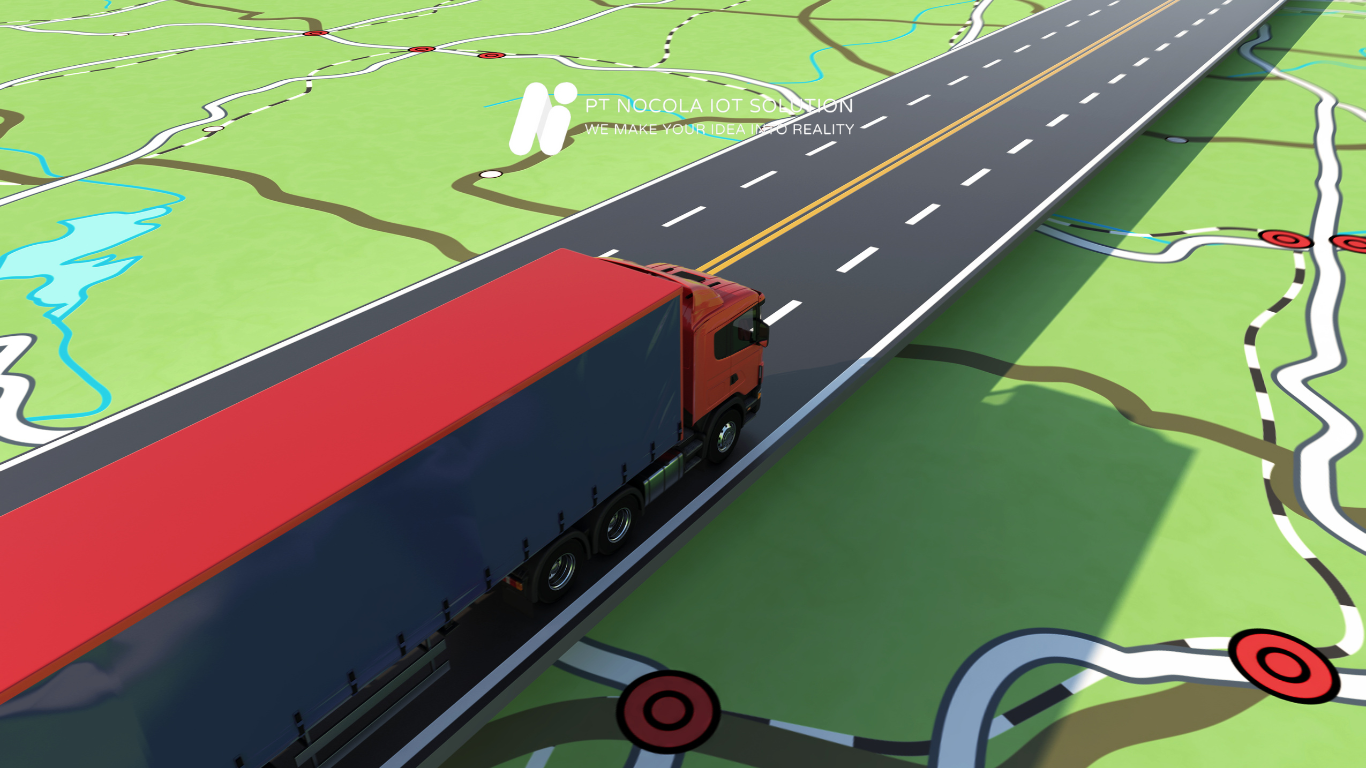
In the digital era, speed and accuracy have become key factors for success in the logistics industry. Companies that can monitor and manage their assets in real-time will have a significant competitive advantage. This is why Flux Track, an IoT-based asset tracking solution from Nocola, emerges as an answer to these challenges.
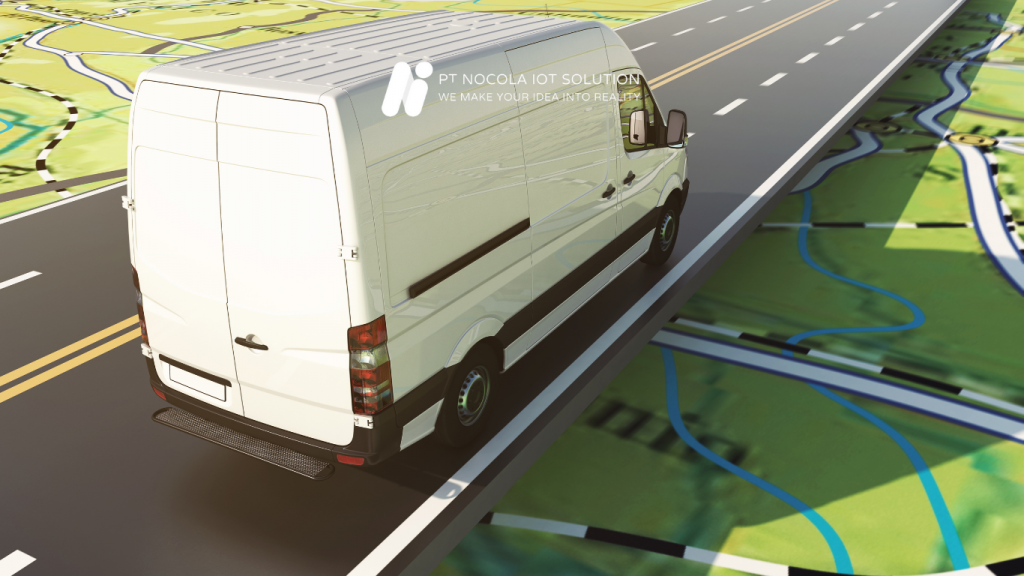
With intelligent tracking capabilities, cloud integration, and data-driven analytics, Flux Track allows companies to gain comprehensive visibility over their fleets, containers, and operational equipment efficiently and accurately. This article will discuss how Flux Track works, its benefits for the logistics industry, and its important role in supporting digital transformation in the transportation and supply chain sectors.
Also Read: Flux Dashboard: Easy and Effective IoT Data Visualization
The logistics industry today faces complex challenges that demand high efficiency and full transparency. Some of these challenges include:
In these situations, companies need smart solutions that can provide accurate data instantly for quick decision-making. This is where Flux Track plays a crucial role.
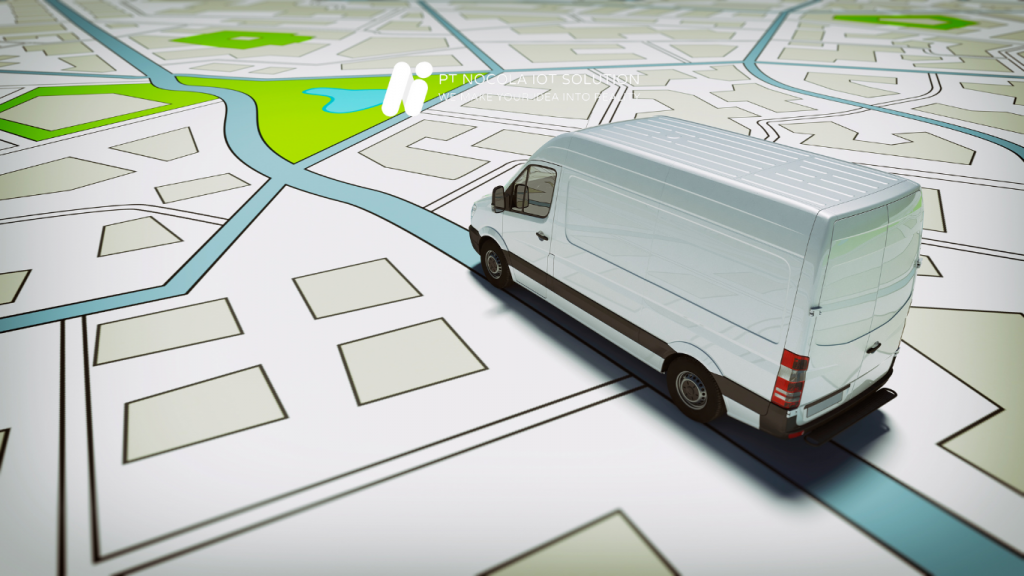
Flux Track is part of the Flux IoT Platform by Nocola, designed to monitor, track, and analyze asset movements in real-time.
Based on Internet of Things (IoT) technology, this system integrates sensor devices, GPS, and cloud analytics to provide total visibility of assets across various locations.
With these features, Flux Track enables efficient and measurable asset management for companies.
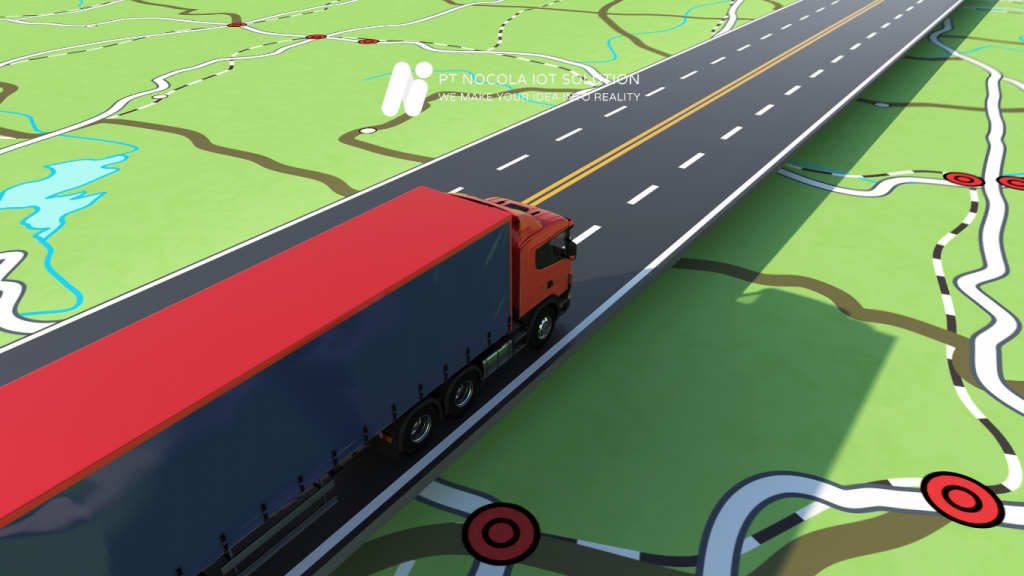
Flux Track operates through integration between IoT sensors, communication networks, and cloud systems.
Here’s how it works:
With this approach, Flux Track provides full control to users without the need for complex additional infrastructure.
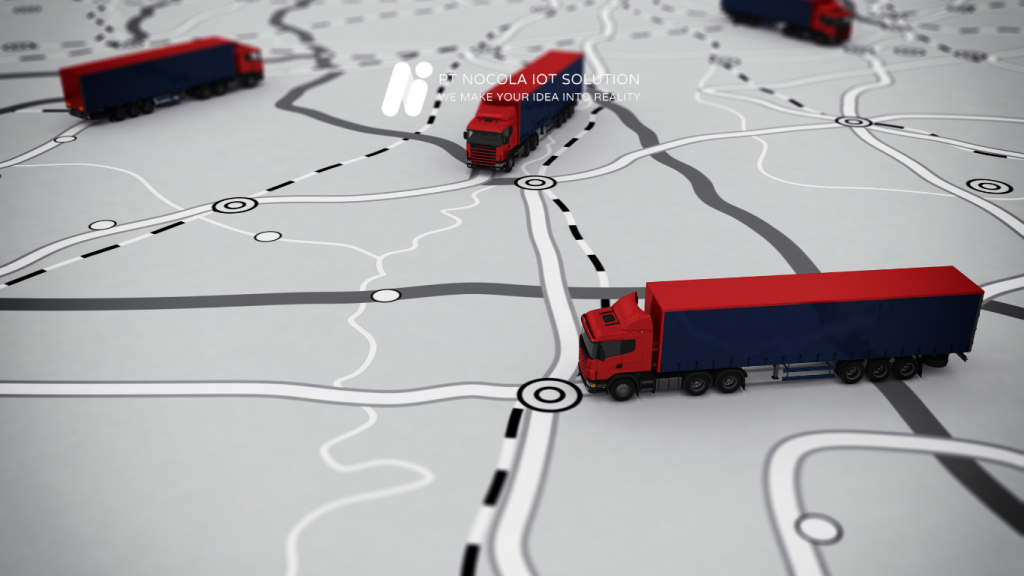
Flux Track comes with various advantages over traditional tracking systems:
Powered by the latest GPS and IoT technology, Flux Track can detect location with meter-level accuracy, even in areas with limited signals.
Flux Track can seamlessly connect with the company’s logistics management systems, ERP, or third-party applications via a flexible API.
Both small companies and large corporations can use Flux Track according to their needs—from a few vehicles to thousands of assets spread across various regions.
With a cloud-based system, companies do not need to invest heavily in server infrastructure or additional hardware.
All data is transmitted and stored with high encryption, ensuring the security of operational and customer information.
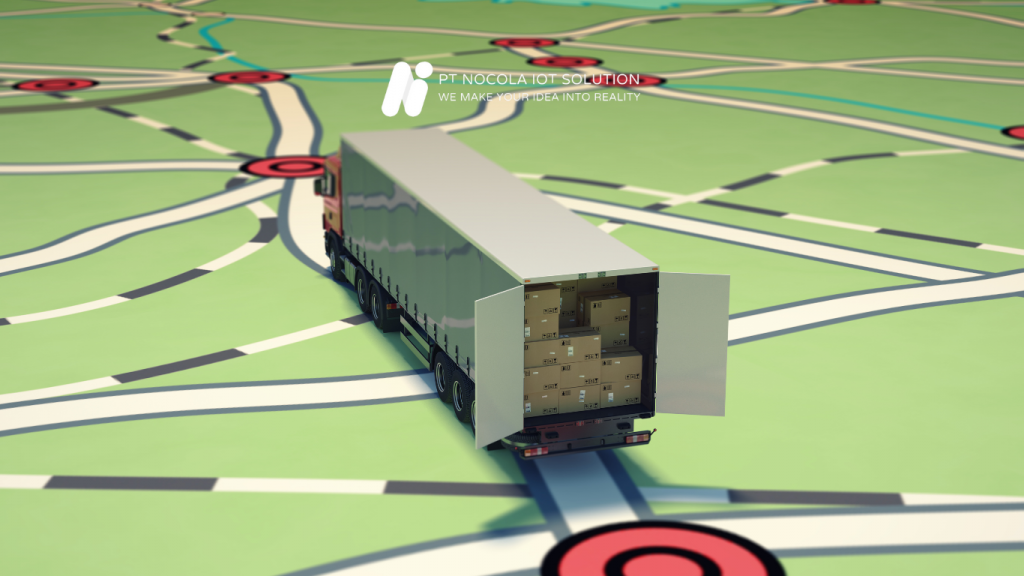
The implementation of Flux Track directly impacts the efficiency and productivity of logistics businesses.
Operational managers can see the position of each vehicle, estimated arrival times, and status of shipments in real-time.
With AI-based route analysis, Flux Track helps find the fastest and most efficient paths, reducing travel times and fuel consumption.
Through geofencing features, the system immediately sends notifications if an asset leaves a designated area.
Automatic monitoring reduces the need for manual inspections, lowering costs and boosting field team productivity.
With real-time information, customers can accurately track the status of their shipments, increasing trust and loyalty.
Flux Track is not just an asset tracking tool—it is a smart solution for efficient, accurate, and measurable logistics management.
Through the combination of IoT, AI, and cloud technology, Flux Track helps companies achieve new levels of operational efficiency with complete visibility of their assets.
By adopting Flux Track, the logistics industry can:
Flux Track proves that the future of modern logistics is digital, connected, and intelligent—and Nocola is at the forefront of this revolution.

