Physical Address
304 North Cardinal St.
Dorchester Center, MA 02124
Physical Address
304 North Cardinal St.
Dorchester Center, MA 02124

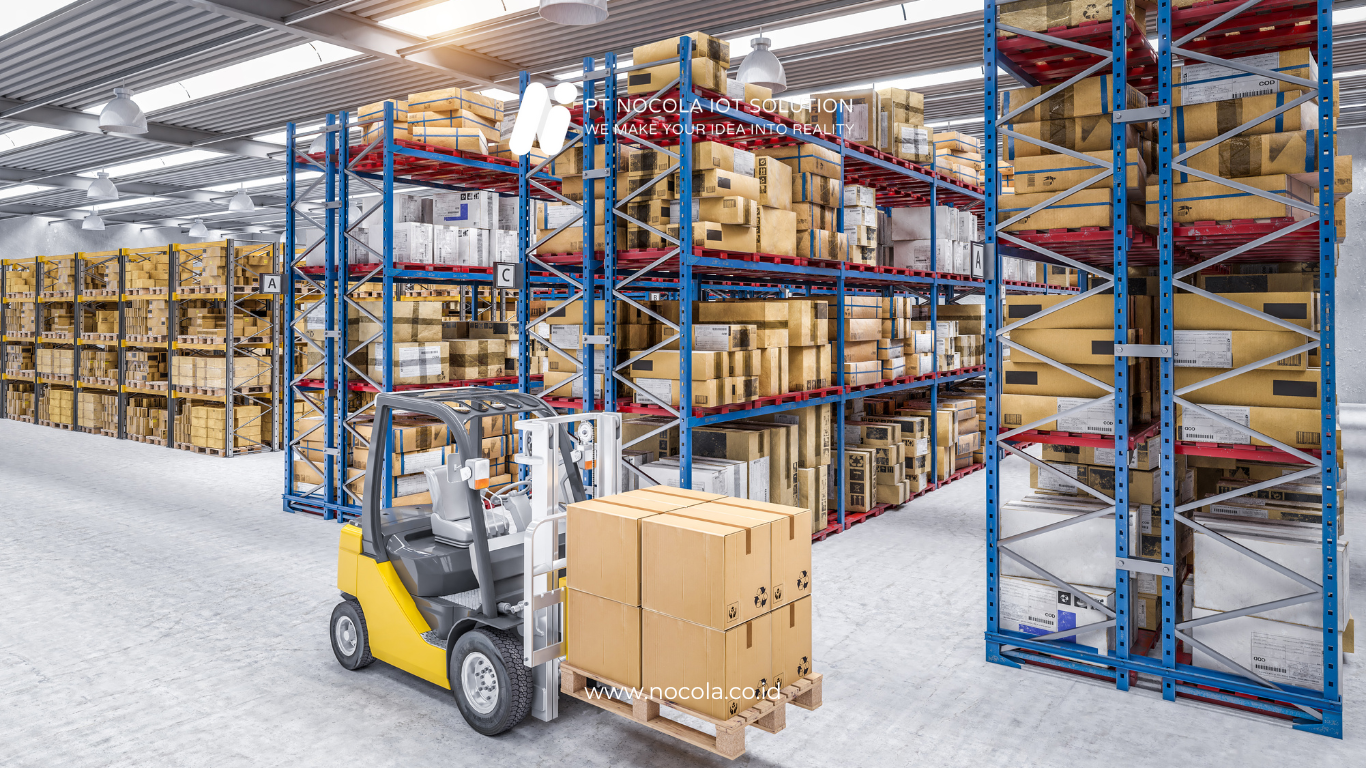
In the fast-paced industrial world, safety has always been a top priority. The increased use of forklifts in warehouses and factories often brings risks of accidents, especially when multiple vehicles operate in tight spaces. This is where the anti-collision system for forklifts plays a crucial role. This technology is designed to minimize accidents by helping operators detect potential hazards and take preventive measures. In this article, we will discuss what an anti-collision system is, how it works, its benefits, and how it can change the way companies manage forklift operations.
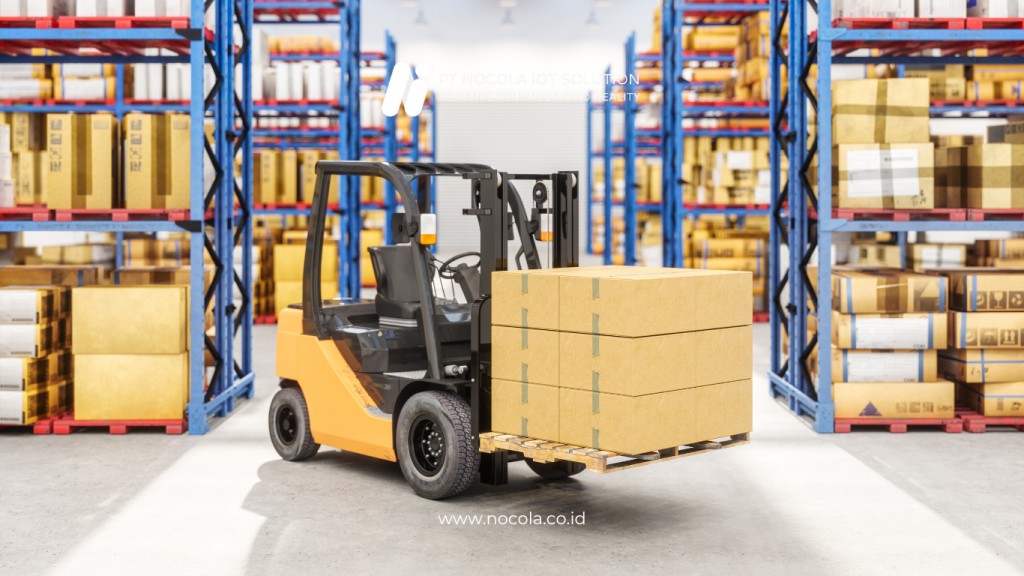
The anti-collision system is a technology applied to forklifts to prevent collisions or accidents while moving. This system uses various sensors and advanced software to monitor the environment around the forklift, providing warnings to operators or even automatically controlling the forklift to avoid collisions.

The implementation of an anti-collision system significantly improves operational safety. This system helps reduce accidents that may occur, protecting employees from injury and preventing damage to goods and infrastructure.
By reducing the number of accidents, companies can avoid downtime from losses and rehabilitation. This system allows operators to work more confidently, enhancing both the speed and efficiency of the goods delivery process.
Many industries have strict regulations and safety standards. By implementing this technology, companies can ensure that they comply with all established requirements.
By minimizing the risk of accidents, companies can save on insurance costs. Many insurance providers offer lower rates for companies with adequate safety measures, such as anti-collision systems.
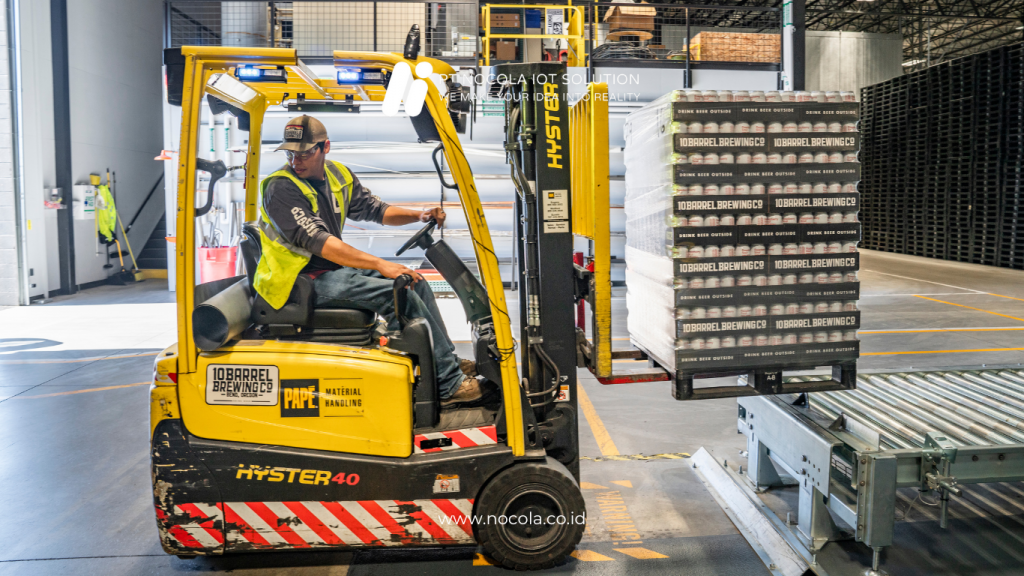
The anti-collision system on forklifts uses sensors to detect objects around the forklift. These sensors include ultrasonic or Lidar sensors that measure distance to objects and provide data to the control system.
When a sensor detects an object within a dangerous range, the system alerts the operator. Alerts can take the form of audible alarms, flashing lights, or visual displays on screens.
In some more advanced systems, forklifts can automatically slow down or stop, avoiding potential collisions without operator intervention.
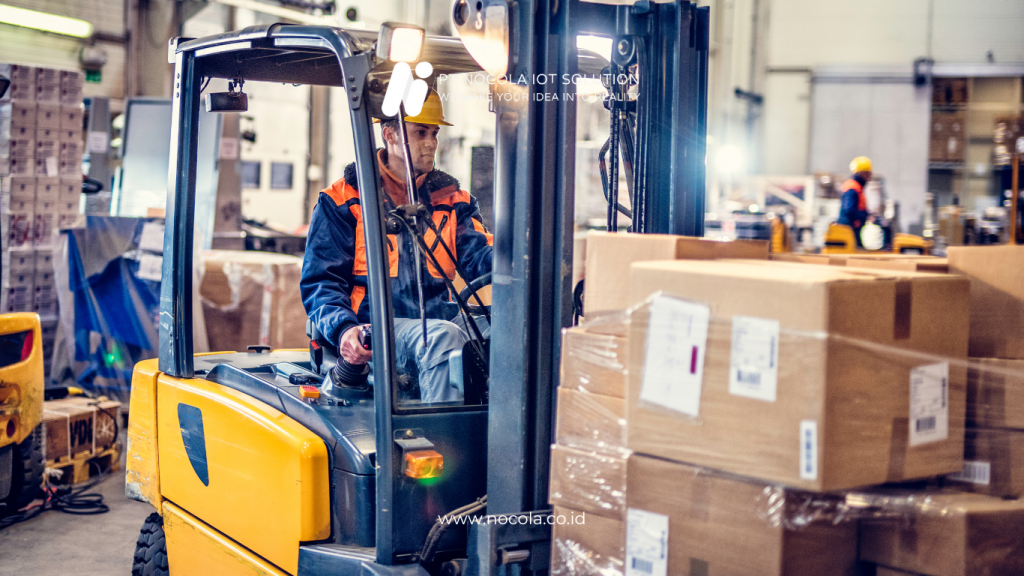
This system allows for early detection of potential collisions, giving operators the opportunity to react more quickly. Improved response times contribute to higher safety levels.
With an integrated system, accidents caused by human error can be minimized. This not only protects operators but also safeguards equipment and the goods being moved.
Some systems are equipped with the ability to record data related to each event detected. This data can be analyzed to identify patterns and develop further improvement strategies.
Many anti-collision systems are designed to be easily implemented on existing forklifts without requiring significant modifications.

At construction sites, forklifts are often used to transport heavy materials. This system helps maintain work safety and prevent accidents in often crowded areas.
In the manufacturing industry, anti-collision systems are essential for monitoring the movement of forklifts between production lines and storage areas. This helps avoid collisions with equipment and other workers.
The distribution sector also benefits from this system. By managing the movements of forklifts more safely, management can increase the efficiency of goods transfer.
In retail, safe and efficient warehouse management is crucial. The anti-collision system helps ensure that goods being moved do not get damaged or cause injury.
In the energy industry, forklifts are used to move heavy equipment and hazardous materials. The presence of this system ensures that all operations are conducted safely.
The load monitoring and anti-collision systems on forklifts offer smart solutions that bring numerous benefits across various industrial sectors. By enhancing operational efficiency and safety, this technology not only reduces costs but also helps maintain infrastructure reliability and protect workers.
Nocola is committed to bringing innovation to forklift management. Let’s work together to contribute to a safer and more sustainable future through the implementation of the right technologies.

