Physical Address
304 North Cardinal St.
Dorchester Center, MA 02124
Physical Address
304 North Cardinal St.
Dorchester Center, MA 02124

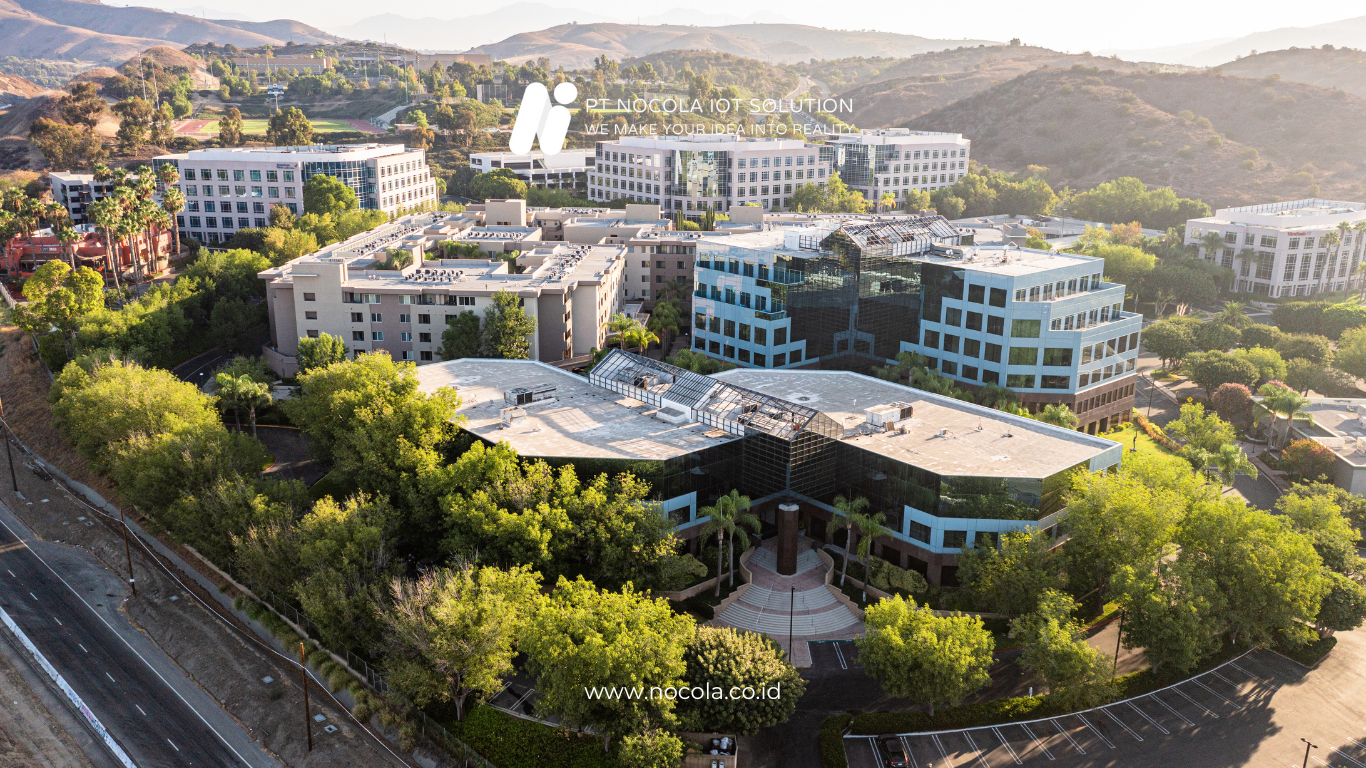
In the face of the increasingly urgent climate crisis and the growing need for better sustainability, the concept of green building is gaining more attention. Green building or environmentally friendly buildings is an approach to construction that prioritizes energy efficiency, sustainable material use, and environmental protection. In this article, we will explore what green building is, how modern technology contributes to its implementation, its benefits, and the challenges faced in realizing sustainable buildings.
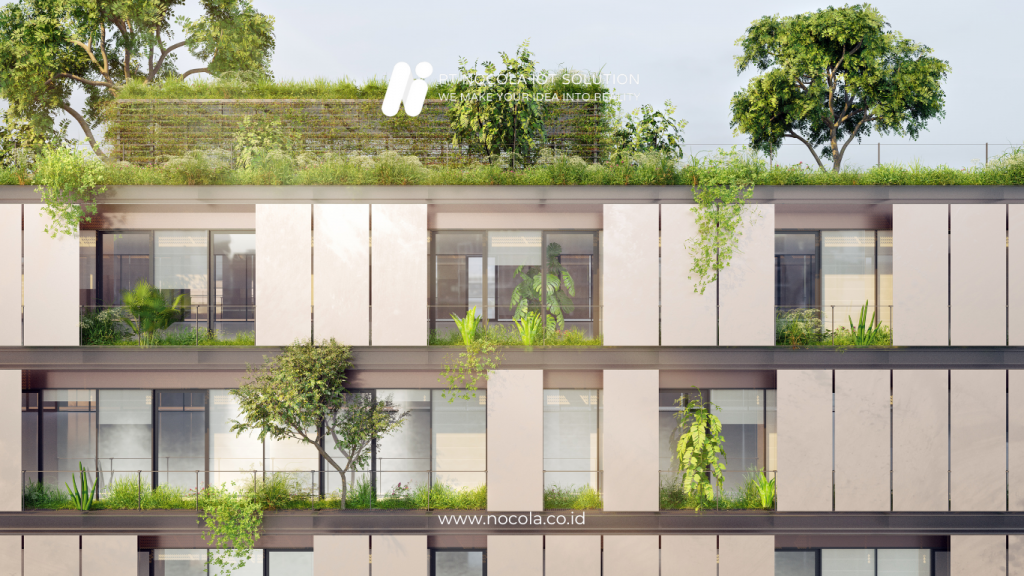
Green building is the process of planning, designing, constructing, and operating buildings that aim to reduce negative environmental impacts and improve energy efficiency. This concept includes the use of environmentally friendly resources, reducing emissions, and creating healthy spaces for occupants.
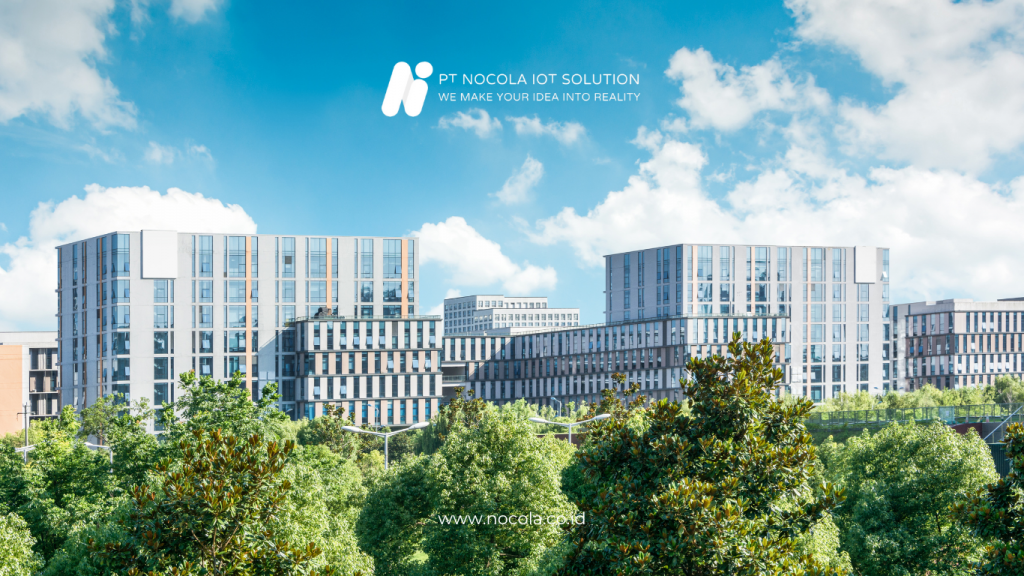
Conventional buildings often use non-sustainable resources and generate waste that can harm the environment. By implementing green building principles, we can reduce carbon footprints and decrease the usage of natural resources.
Green building emphasizes energy efficiency, which can lower operational costs. Although there may be a higher initial investment, long-term energy savings will greatly outweigh the costs, providing financial benefits for property owners.
By providing a healthier and more comfortable environment, green buildings enhance the quality of life for their occupants. Implementing good ventilation and using non-toxic materials can reduce health risks.
Building automation systems use technology to control and monitor various systems, including lighting, heating, and cooling, based on real-time needs. This optimizes energy consumption.
Using solar panels on rooftops allows the utilization of renewable energy to meet part of the building’s electricity needs, thus reducing dependence on fossil fuels.
Sensors installed inside and outside the building can monitor air quality, temperature, and humidity. This data helps manage the HVAC (Heating, Ventilation, and Air Conditioning) system to create a comfortable environment.
These systems can collect and monitor water usage to ensure efficiency. Rainwater can be collected and used for irrigating gardens or green areas.
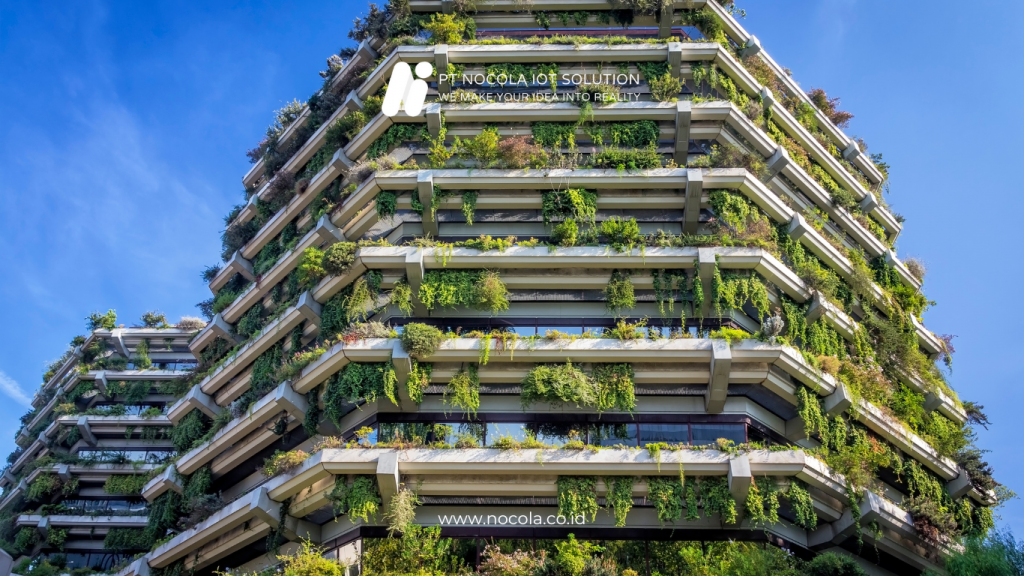
Buildings designed with green building principles can reduce energy needs by 30-50% compared to conventional buildings. This provides direct financial benefits to owners and occupants.
Investing in green buildings can increase property value. More buyers and tenants are looking for environmentally friendly buildings, making it advantageous for property owners.
Green building contributes to broader sustainability initiatives. By reducing the use of natural resources and generating less waste, environmentally friendly construction creates positive impacts on the environment as a whole.
Applying good design techniques in green buildings creates environments that reduce the risk of allergies and respiratory illnesses, resulting in greater comfort for occupants.
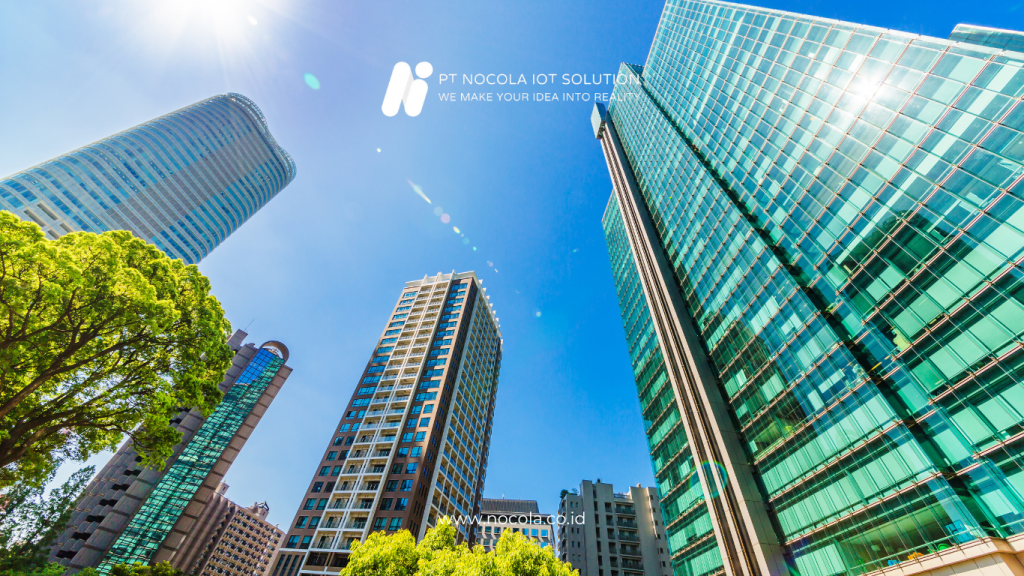
Creating a detailed plan for green building projects, from design to execution, is crucial for successful implementation.
Choosing eco-friendly materials and considering longevity as well as recycling processes will support sustainability principles in construction.
Collaboration between architects, developers, and contractors is key to achieving sustainability goals in green building projects.
Green building is a promising solution to the challenges faced in the construction industry today. By leveraging technology and environmentally friendly practices, we can not only enhance efficiency and reduce costs but also develop a healthier and more sustainable environment.

