Physical Address
304 North Cardinal St.
Dorchester Center, MA 02124
Physical Address
304 North Cardinal St.
Dorchester Center, MA 02124


In recent years, the Internet of Things (IoT) has taken over many aspects of our lives, especially in the transportation sector. This digital transformation offers new ways to improve accessibility, efficiency, and safety in transportation management. Amid the growing population and increasing demand for fast and efficient transportation services, the implementation of IoT technology has become increasingly important. This article will discuss how IoT is applied in the field of transportation, the benefits it offers, and various real-world applications that have made significant advancements in this industry.
The Internet of Things (IoT) refers to a network of connected physical devices that can communicate over the internet. In the context of transportation, IoT encompasses a range of devices and systems, from smart vehicles to infrastructure monitoring tools, that support better operations and management.
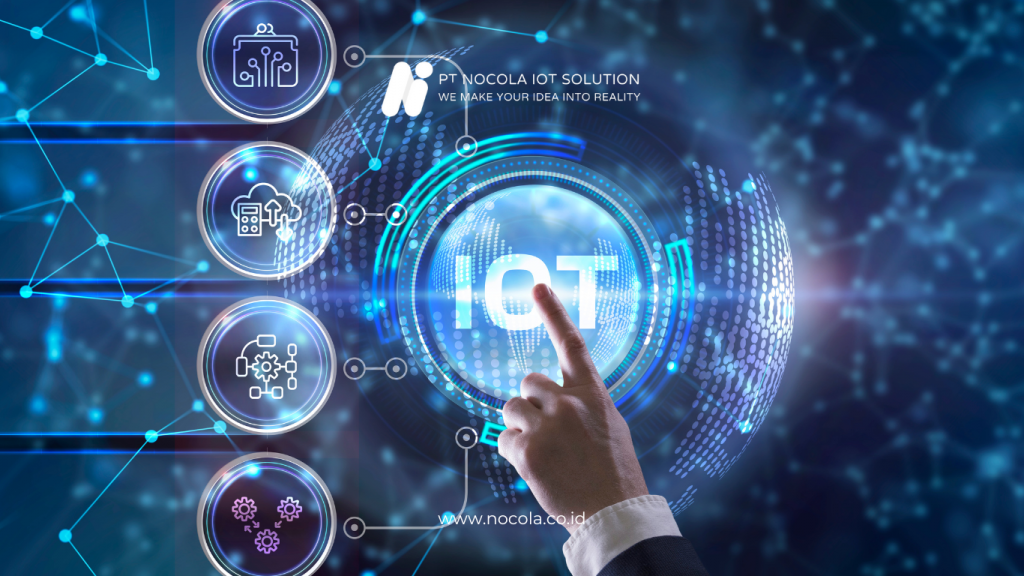
With IoT technology, transportation systems can adapt more quickly to user needs. For example, IoT-based applications can provide real-time information about schedules, routes, and traffic conditions to users, making their journeys more planned and comfortable.
IoT enables deep data collection and analysis regarding travel patterns and traffic conditions. With this data, companies can optimize routes and schedules, saving time and fuel.
IoT-based monitoring systems can alert drivers and operators about potential hazards, such as traffic accidents, severe weather, or unsafe road conditions, improving safety on the roads.
IoT devices in transportation are equipped with sensors capable of collecting data on speed, location, temperature, and vehicle conditions. This data is then sent to a central server for further analysis.
The collected data is processed in real-time to provide relevant information to users and transport system managers. This includes vehicle health reports and current traffic information.
In a broader ecosystem, cloud-based management platforms can be used to collect and analyze all data from various sources. This allows companies to gain valuable insights and make more informed decisions.
With automation of processes and access to accurate data, transportation companies can increase their productivity. More efficient systems allow for reduced travel times and optimized resource use.
Through better monitoring and accurate data analysis, companies can identify areas where costs can be reduced, such as minimizing fuel consumption and vehicle maintenance.
IoT enables companies to provide better services to customers. With access to real-time information, customers can make more informed decisions about their journeys.
By optimizing resource use and reducing emissions, implementing IoT in transportation contributes to sustainability and environmental protection.
IoT-based navigation systems help drivers determine the fastest routes, avoid congestion, and understand road conditions. For example, applications like Google Maps use real-time data to provide current information to users.
Fleet management companies utilize IoT to track the location, conditions, and safety of their vehicles. Data on fuel consumption and engine health can help companies manage maintenance and operational efficiency.
Many major cities are now implementing IoT-based public transportation solutions. With sensors installed on buses and trains, passengers can obtain accurate information about schedules and service reliability.
Vehicles equipped with IoT technology can make automatic decisions based on the surrounding environmental information. These autonomous vehicles have the potential to reduce accidents and improve driver safety.
IoT in transportation offers numerous benefits, from improving operational efficiency to enhancing safety. The use of this technology not only provides solutions to existing problems but also improves user experience and promotes sustainability.
Companies that adopt IoT in their operations will gain significant competitive advantages in an increasingly digital and connected marketplace. Let us welcome this digital transformation and make the future of transportation more efficient and safer for all.

