Physical Address
304 North Cardinal St.
Dorchester Center, MA 02124
Physical Address
304 North Cardinal St.
Dorchester Center, MA 02124

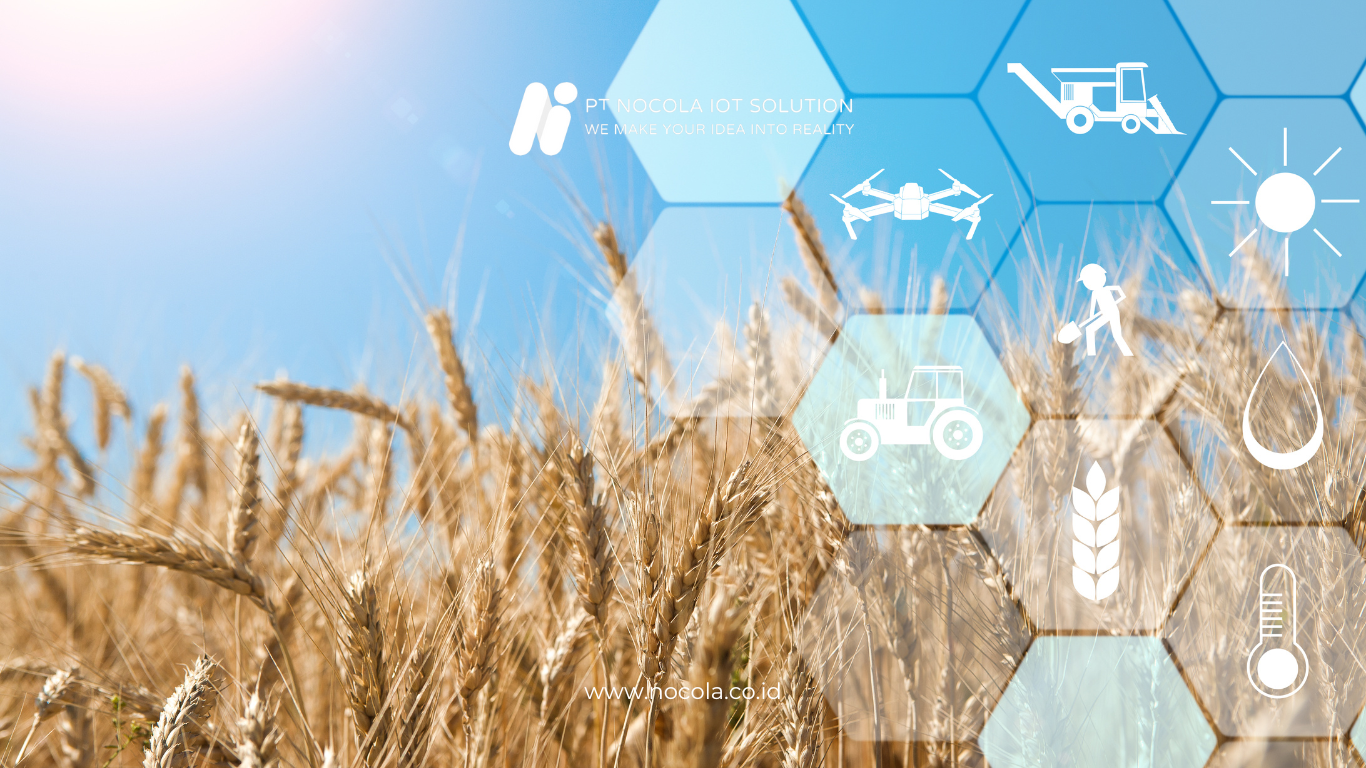
The agricultural sector plays a vital role in maintaining food security and the national economy. However, on the other hand, farmers face various challenges, ranging from unpredictable climate change, limited water resources, to low efficiency in land management. In such conditions, conventional approaches that rely solely on experience are no longer sufficient.
Technological advancements provide new solutions through IoT-based soil and weather sensors. This technology enables farmers to monitor field and environmental conditions in real-time, allowing for more accurate cultivation decisions. With precise data support, agricultural productivity can significantly increase while minimizing the risk of losses.
This article will discuss in detail how the implementation of IoT-based soil and weather sensors serves as a key to enhancing modern agricultural productivity.
Also Read: Nocola Innovation: New Products for Smart Industry, Smart Farming, and Smart Monitoring
Before discussing solutions, it is important to understand the main challenges faced by the agricultural sector in Indonesia.
Agriculture is highly dependent on natural conditions such as:
When weather changes occur extremely and unpredictably, harvest results become uncertain.
Many farmers still rely on manual observations, which are often:
As a result, decisions regarding fertilization, irrigation, and planting times are not always well-targeted.
Without clear data, the use of water, fertilizers, and labor is often excessive, which increases production costs without ensuring higher yields.
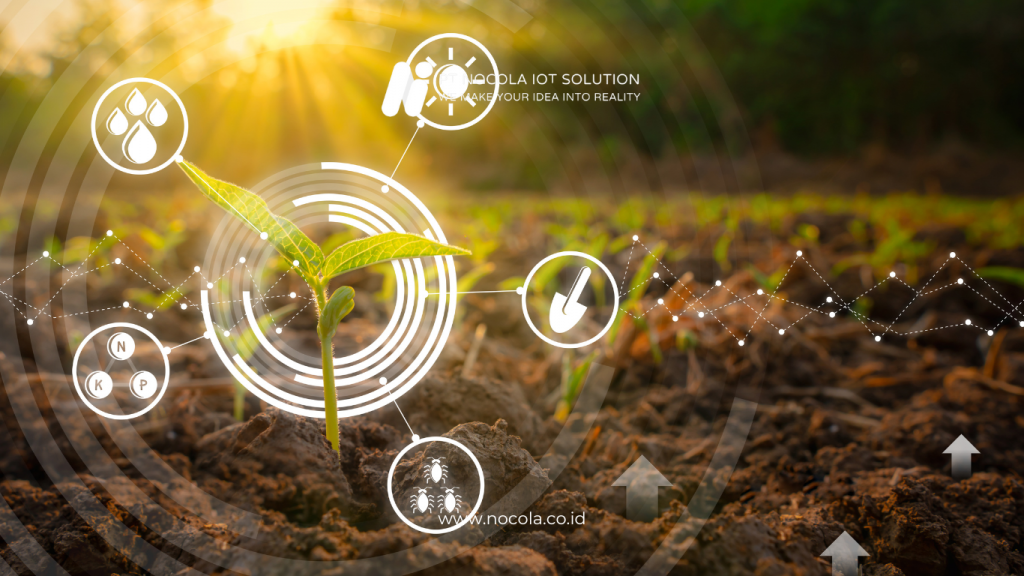
The Internet of Things (IoT) is technology that connects physical devices to the internet for the automatic collection and transmission of data. In agriculture, IoT acts as a “digital sensor” that continuously monitors field and environmental conditions.
Soil sensors measure important parameters such as:
This data helps farmers understand the actual conditions of the land objectively.
Weather sensors monitor surrounding environmental conditions, including:
Weather information is crucial for planning agricultural activities.

Sensors installed in the fields continuously gather data. This data is then sent via the internet to a digital platform.
Data from the sensors is displayed on an easily understood visual dashboard, allowing farmers or land managers to monitor agricultural conditions anytime and anywhere.
The IoT system can be configured to send automatic alerts, for example, when:
In this way, actions can be taken more quickly.
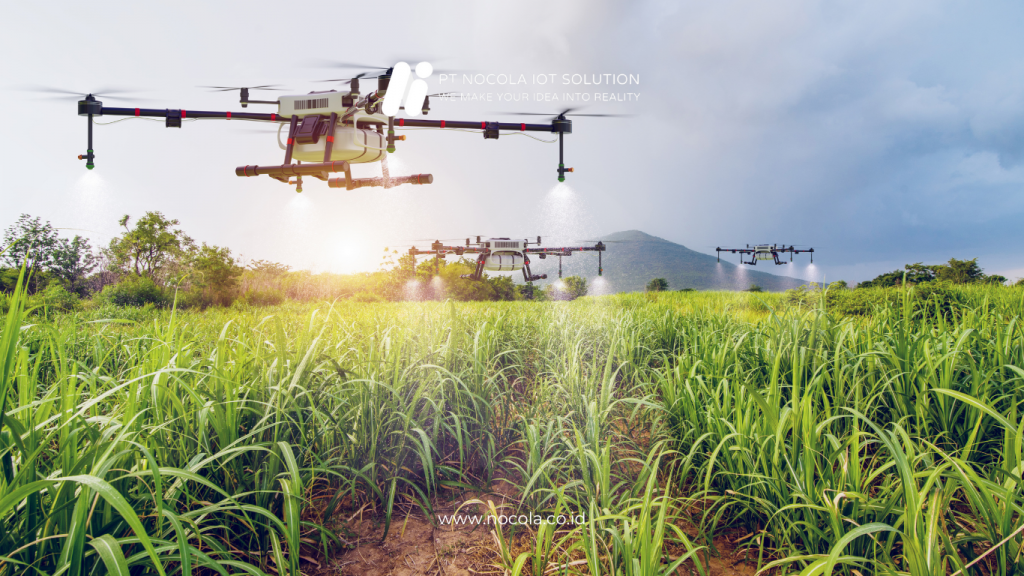
Soil moisture data helps farmers determine:
This prevents water wastage and reduces the risk of plant stress due to under- or over-watering.
By knowing detailed soil conditions, fertilization can be done:
As a result, plant growth becomes more optimal.
Continuous monitoring helps detect changes in soil quality early, allowing for timely corrective actions to be taken.
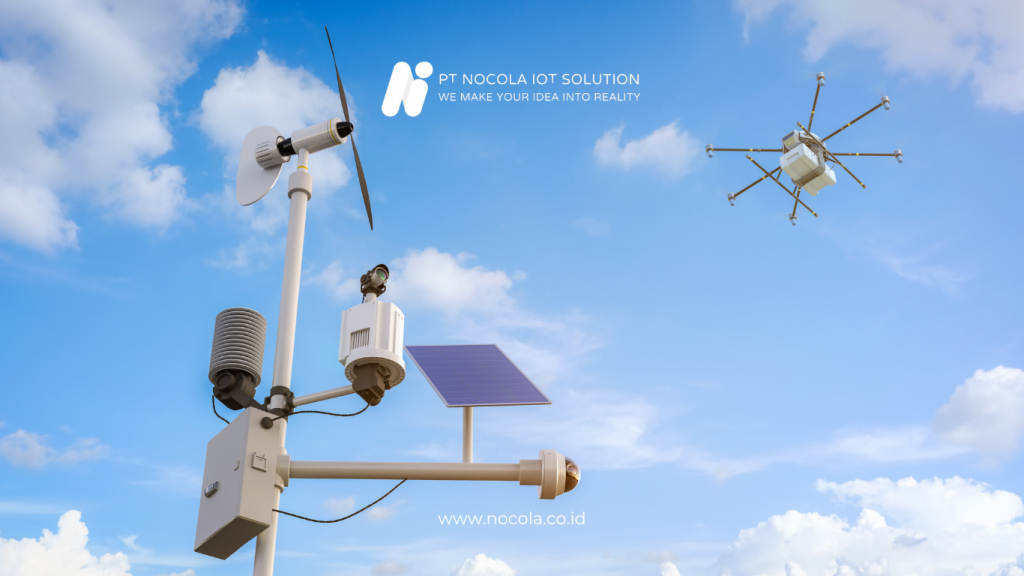
Real-time weather data helps farmers determine:
With accurate weather information, farmers can:
This can minimize the risk of crop failure.
IoT-based soil and weather sensors have proven to be effective solutions in enhancing agricultural productivity. With accurate real-time data, farmers can manage land more efficiently, reduce the risk of crop failure, and optimize resource use.
Amid the challenges of climate change and the increasing food demand, the adoption of IoT technology in agriculture is no longer an option but a necessity. Through a data-driven approach, the agricultural sector can evolve to become more modern, productive, and sustainable, while simultaneously improving the welfare of farmers in the future.

