Physical Address
304 North Cardinal St.
Dorchester Center, MA 02124
Physical Address
304 North Cardinal St.
Dorchester Center, MA 02124
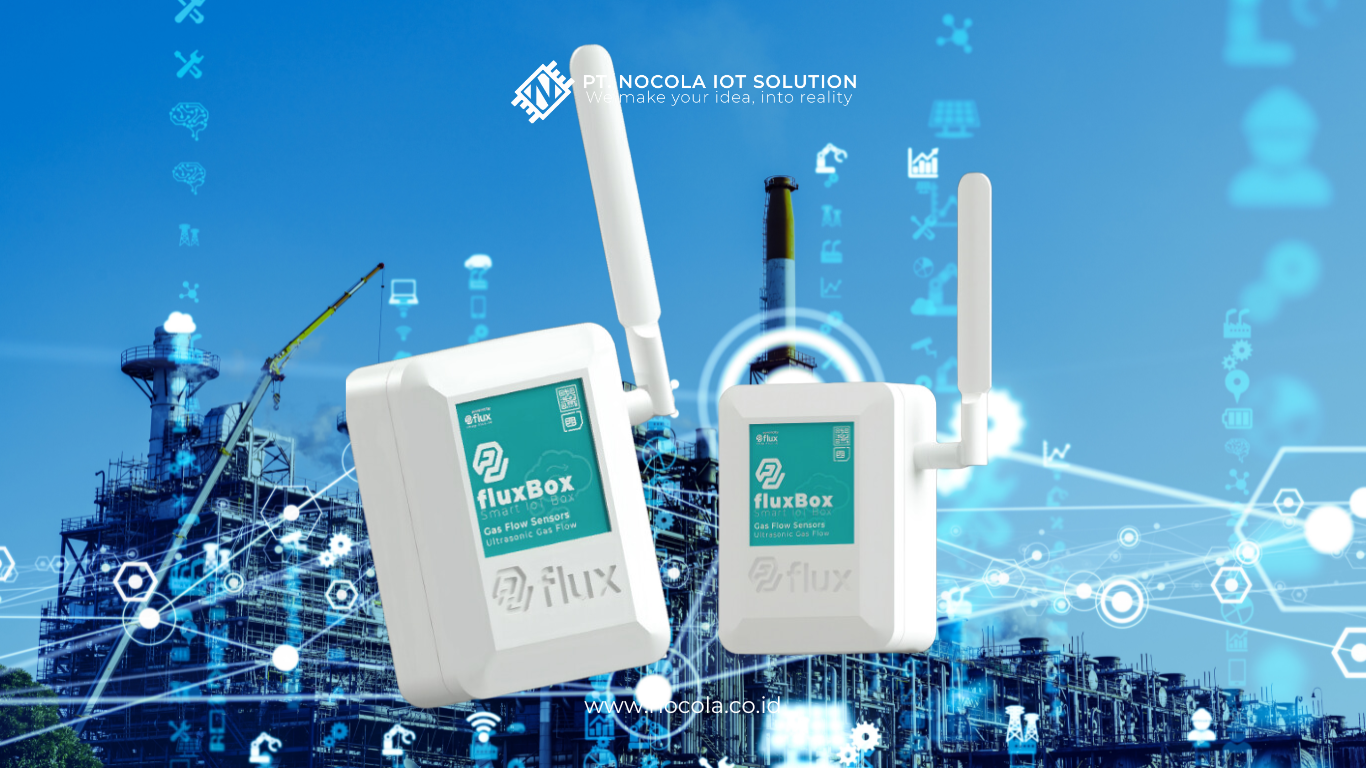
In recent years, Internet of Things (IoT) and Artificial Intelligence (AI) technologies have become the key pillars of the Industry 4.0 revolution. These two technologies enable automation and process optimization across various industrial sectors, especially in manufacturing. One leading platform helping companies integrate IoT and AI into manufacturing is Flux from Nocola. Flux is designed to connect, manage, and optimize various IoT devices while leveraging AI for more advanced data analysis.
This article will explain how the integration of AI and IoT with Flux from Nocola can help manufacturing companies achieve higher efficiency, increase productivity, and ensure a more automated future for manufacturing.
Read More: The Innovation Behind Nocola’s Fluxbox and Fluxgateway: Connecting IoT for a Smarter World
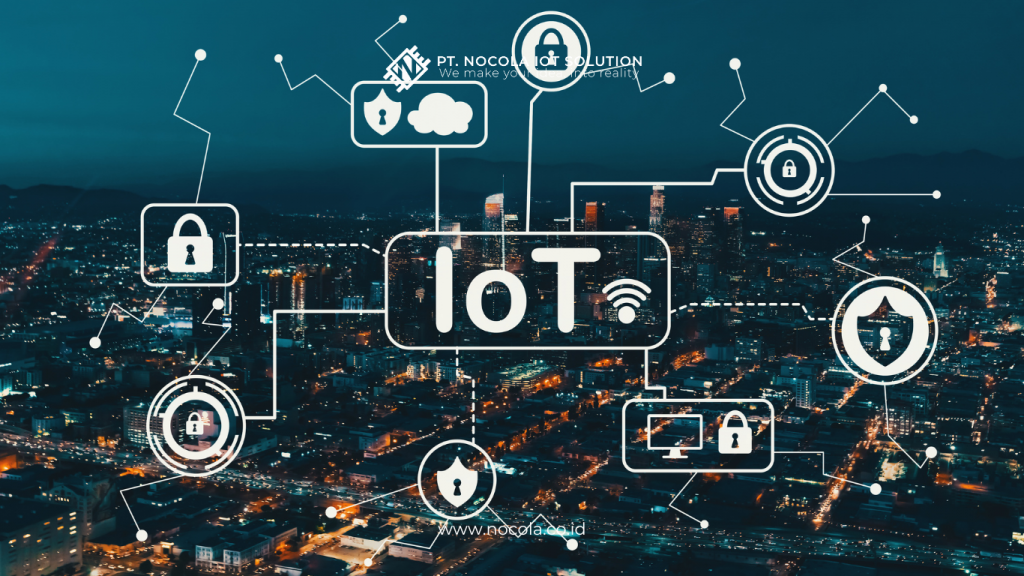
Flux is an IoT platform developed by Nocola to manage and connect various IoT devices into an integrated system. This platform offers a complete solution to monitor, control, and manage IoT devices in real-time, whether in factory environments, logistics facilities, or within the manufacturing supply chain.
Flux consists of several key components like Fluxbox, Fluxgateway, and Fluxdashboard that work together to collect, analyze, and transmit data from connected IoT devices. With Flux, companies can monitor machine conditions, equipment, and the work environment in real-time, allowing for problem prediction and faster, more accurate decision-making.
Read More: Nocola IoT Solutions for Smart Agriculture: Monitoring and Managing Resources with Latest Technology
The Internet of Things (IoT) enables manufacturing companies to connect their machines, equipment, and production systems into a network that communicates with each other. By using connected sensors and devices, IoT collects data from every part of the production process, including temperature, pressure, humidity, vibration, and machine performance.
With IoT integration through platforms like Flux, this data can be accessed in real-time and used to perform in-depth analysis. This data not only helps companies understand machine performance but also enables prediction of potential breakdowns, efficiency drops, or maintenance needs before issues occur. This means companies can avoid costly downtime, optimize energy usage, and ensure consistent production quality.
Read More: ChatGPT and Generative AI: Changing the Way We Communicate and Work
On the other hand, Artificial Intelligence (AI) plays a crucial role in processing and analyzing data generated by IoT devices. In the manufacturing context, AI can be used to predict when machines need maintenance, optimize production schedules, and even identify patterns that humans might miss.
With AI integration through Flux, companies can leverage machine learning and intelligent algorithms to automatically analyze data and provide accurate recommendations. For example, AI can learn energy consumption patterns from factory machines and recommend ways to reduce energy usage during specific hours. Additionally, AI can help improve product quality by analyzing data from the production process and providing instant feedback on potential errors or inefficiencies.
Read More: Technological Innovation in Manufacturing: From IoT to AI
Integrating AI and IoT through Flux offers many benefits for manufacturing companies, including:
With IoT and AI working together, many production processes can be automated. This includes monitoring machine conditions, automatically adjusting production parameters, and even identifying and solving issues autonomously. Flux enables companies to ensure more efficient production with minimal human intervention.
Unexpected downtime is one of the biggest issues in the manufacturing industry. However, with real-time data from IoT and predictive AI analysis, Flux can predict when machines need maintenance and prevent downtime. This not only increases efficiency but also reduces emergency repair costs.
AI integrated into Flux can analyze data from every stage of the production process and provide insights into areas that can be optimized to improve product quality. AI can also detect anomalies or small errors that might be missed by human oversight, thereby reducing defective products.
By utilizing IoT and AI, Flux helps companies minimize energy usage, reduce material waste, and optimize resource usage. Data collected by IoT devices can be processed by AI to find the best ways to manage energy and raw materials, leading to operational cost savings.
Read More: Industrial Revolution 4.0: Integrating AI and IoT in Manufacturing
The IoT and AI integration offered by Flux represents an important step towards a more automated and efficient future in manufacturing. The strength of this platform lies in its ability to manage large amounts of data and turn them into actionable insights. Flux enables companies to monitor, analyze, and make decisions in real-time, ultimately boosting productivity and reducing costs.
As AI and IoT technologies continue to advance, the future of manufacturing will increasingly depend on digital solutions like Flux from Nocola. This will not only help companies overcome existing challenges but also prepare them for the next stage of industrial innovation.
Integrating AI and IoT with Nocola’s Flux offers a huge opportunity for the manufacturing industry to achieve higher efficiency, reduce operational costs and improve production quality. With the ability to monitor, analyze and manage data in real-time, Flux facilitates better automation and predictive maintenance that reduces downtime.
In the future, companies that can utilize this technology will be at the forefront of facing increasingly complex industrial challenges. Nocola’s Flux is not just an IoT platform, it is the key to a smarter, more automated manufacturing transformation.