Physical Address
304 North Cardinal St.
Dorchester Center, MA 02124
Physical Address
304 North Cardinal St.
Dorchester Center, MA 02124
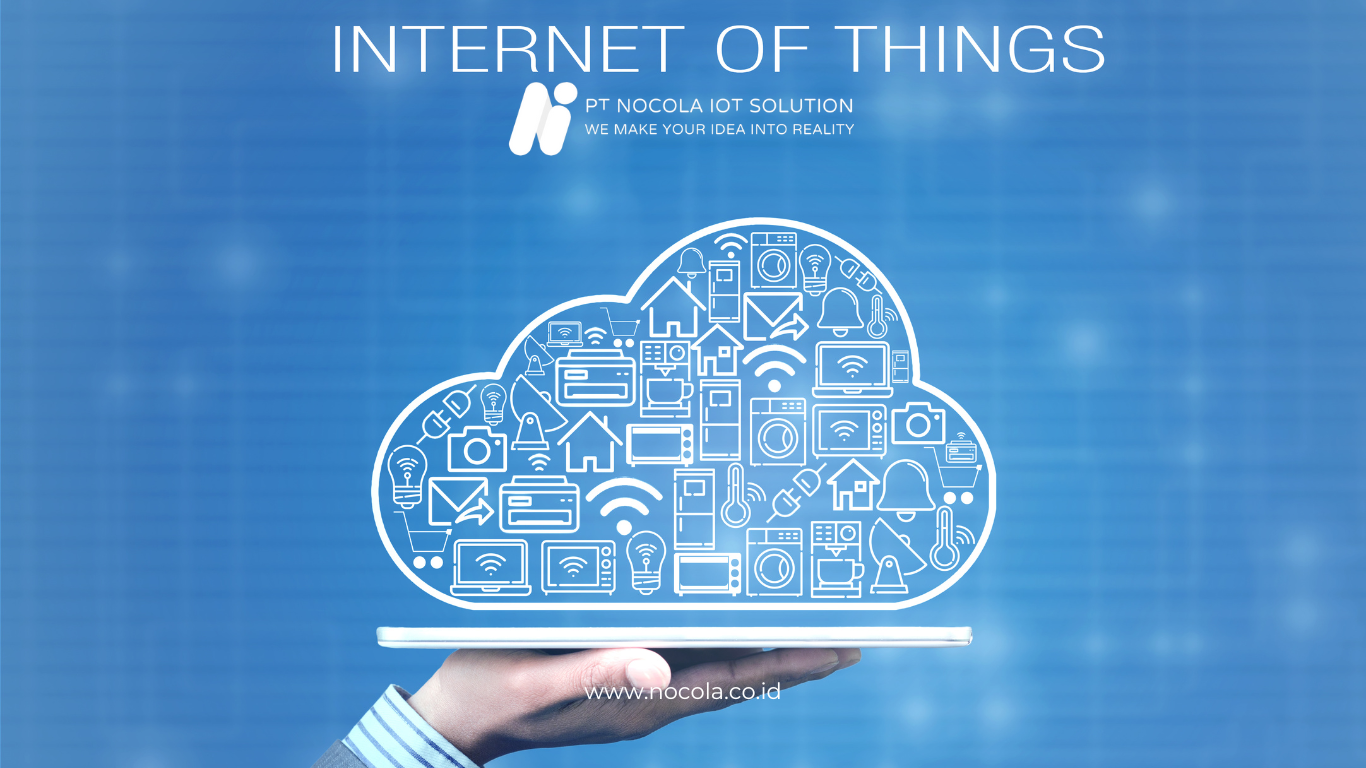
Digital transformation has become a major driving force of change in the industrial world. Companies no longer rely solely on conventional methods to manage operations, but are shifting toward more advanced and integrated technology-based systems. One of the most significant developments is the use of Internet of Things (IoT), cloud computing, and artificial intelligence (AI) in industrial monitoring systems.
In the modern industrial era, the need for accurate and real-time data has become increasingly important. Companies are required to monitor machine conditions, production processes, and working environments quickly and precisely. This aims to improve efficiency, reduce risks, and ensure operational sustainability.
The integration of IoT, cloud, and AI is a solution that meets these needs. These three technologies complement each other in creating monitoring systems that are not only responsive but also intelligent and adaptive.
This article will discuss how industrial IoT monitoring integrated with cloud and AI can transform how modern industries manage data and operations.
The Internet of Things (IoT) is the core foundation of modern industrial monitoring systems. This technology enables physical devices such as sensors, machines, and production equipment to connect and exchange data via the internet.
In industrial contexts, IoT is used to collect data directly from the field. IoT sensors can measure parameters such as temperature, pressure, vibration, humidity, and energy consumption. This data is automatically transmitted to a central system for further analysis.
The main advantage of IoT lies in its ability to provide real-time data. With continuously updated data, companies can monitor operations directly without manual inspections.
IoT also enhances operational visibility. For example, production managers can monitor machine performance in detail, identify potential failures, and make data-driven decisions.
Additionally, IoT enables automation in certain processes. For instance, systems can send alerts when anomalies occur, allowing quick action before major failures happen.
After data is collected by IoT devices, the next step is processing and storage. This is where cloud computing plays a crucial role in modern industrial monitoring systems.
Cloud technology allows companies to store large volumes of data without relying on expensive and complex local infrastructure. Data from multiple locations can be accessed centrally and flexibly.
One key advantage of cloud computing is scalability. Companies can adjust storage and computing capacity based on their needs, which is essential given the rapidly growing volume of IoT data.
Cloud also enables real-time data access from multiple devices, allowing operational teams and stakeholders to monitor conditions anytime and anywhere.
Data security is another important aspect. Cloud providers typically implement advanced security systems, including encryption and strict access control.
With cloud computing, IoT data is not only stored but also ready for further analysis using advanced technologies such as AI.
Artificial Intelligence (AI) complements IoT and cloud integration in industrial monitoring systems. While IoT collects data and cloud stores it, AI processes the data into valuable insights.
AI can analyze large volumes of data quickly and accurately. It identifies patterns, detects anomalies, and provides recommendations based on available data.
One of the most popular AI applications in industry is predictive maintenance. Using AI algorithms, systems can predict when machines are likely to fail, enabling maintenance before breakdowns occur.
AI can also optimize production processes by analyzing data to improve efficiency and reduce waste.
Another advantage of AI is its ability to continuously learn from data, improving prediction accuracy over time.
Thus, AI supports not only monitoring but also strategic decision-making.
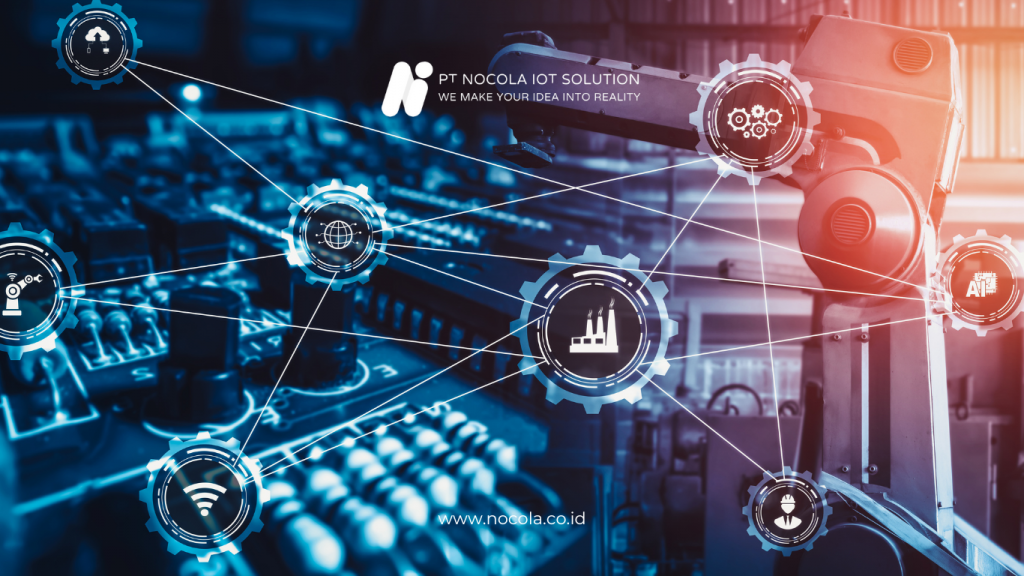
The integration of IoT, cloud, and AI offers significant benefits for modern industries. One major benefit is improved operational efficiency, as issues can be identified and resolved faster.
This integration also enhances data accuracy, as automatically collected and AI-analyzed data is more reliable than manual methods.
Cost savings are another key advantage. Predictive maintenance and process optimization help reduce repair, energy, and operational costs.
It also supports better decision-making through comprehensive data and deep analysis.
From a sustainability perspective, integrated monitoring systems help reduce environmental impact by tracking energy usage and emissions in real time.
These benefits make IoT, cloud, and AI integration a key driver of Industry 4.0 transformation.
Despite its advantages, implementing IoT, cloud, and AI integration presents challenges. One major challenge is the high initial investment cost for devices and infrastructure.
System integration complexity is another issue, requiring careful coordination between technologies.
Data security is also critical due to increased cyber risks. Strong security systems are necessary.
Additionally, skilled human resources are required to manage these advanced systems.
However, technological advancements continue to provide solutions, making systems more affordable and easier to implement.
In the future, industrial monitoring will evolve with technologies such as edge computing, digital twins, and advanced real-time analytics.
Industries that adopt these technologies effectively will gain strong competitive advantages globally.
The integration of IoT, cloud, and AI has significantly transformed modern industrial monitoring systems. These technologies work together to collect, store, and analyze data in real time.
With industrial IoT monitoring, companies can improve efficiency, reduce risks, and make more accurate data-driven decisions. Cloud computing provides flexibility, while AI delivers advanced analytics and predictive capabilities.
Despite implementation challenges, the long-term benefits are substantial. As technology continues to evolve, this integration will become the foundation for smarter, more efficient, and sustainable industries.
