Physical Address
304 North Cardinal St.
Dorchester Center, MA 02124
Physical Address
304 North Cardinal St.
Dorchester Center, MA 02124

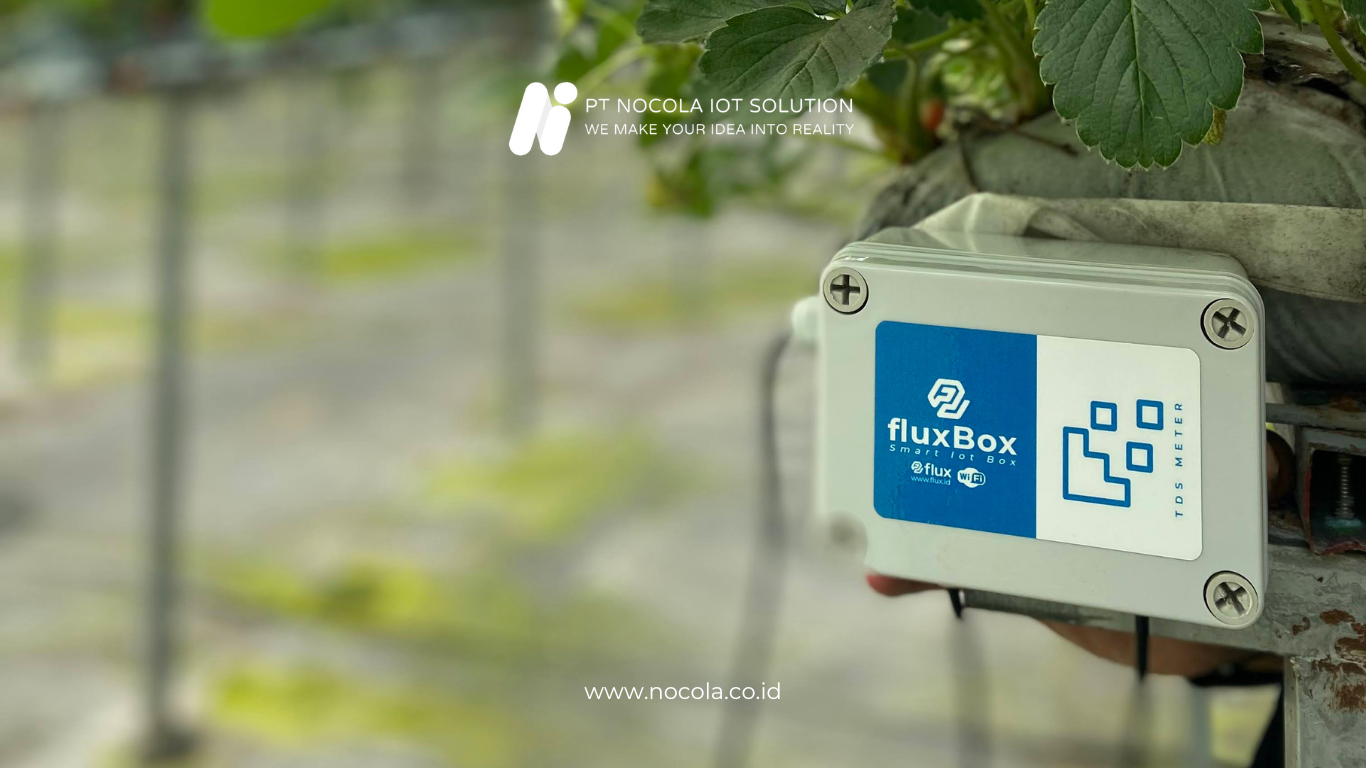
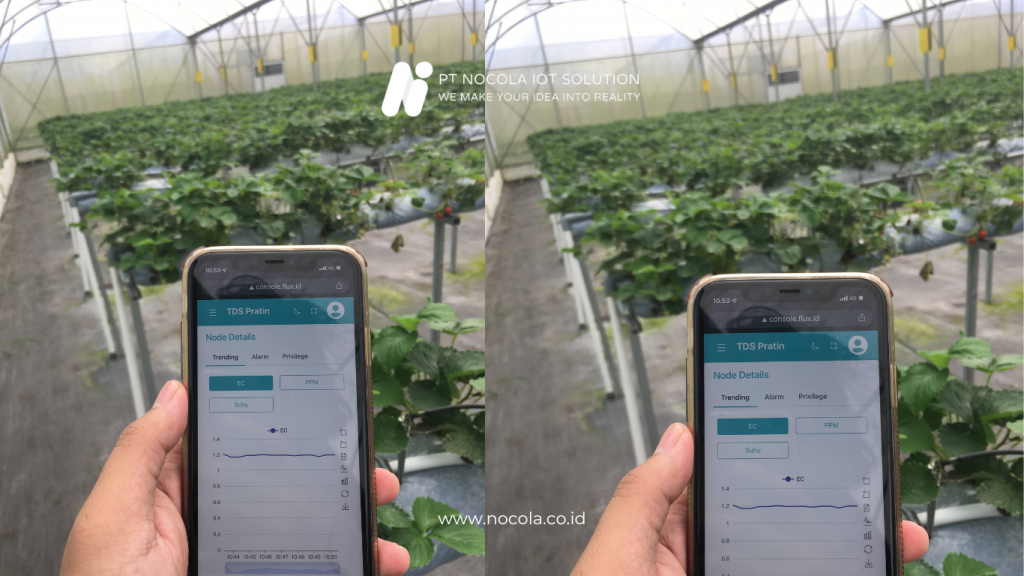
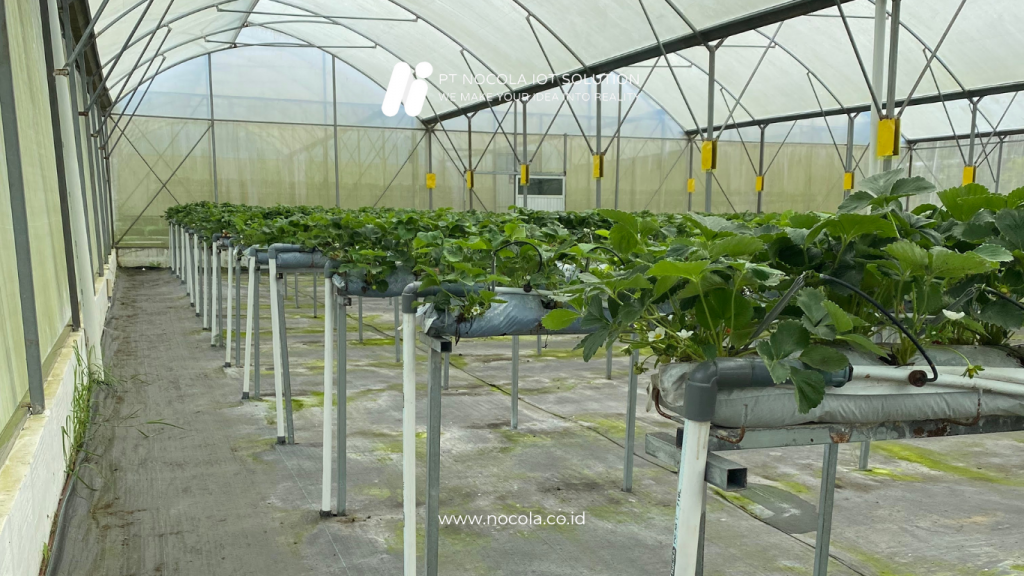
In the digital era, agriculture is no longer just about shovels and vast lands. Soil-less hydroponics systems are becoming increasingly popular because they are more efficient, save space, and produce high-quality yields. However, challenges still exist: farmers must regularly monitor pH levels, temperature, nutrients, and water conditions. This is where Internet of Things (IoT) technology comes in as a solution. With IoT, hydroponic systems can be monitored in real-time directly from a smartphone, anytime and anywhere.
Also Read: Mobile Health: Monitoring Patients Remotely with IoT Wearables
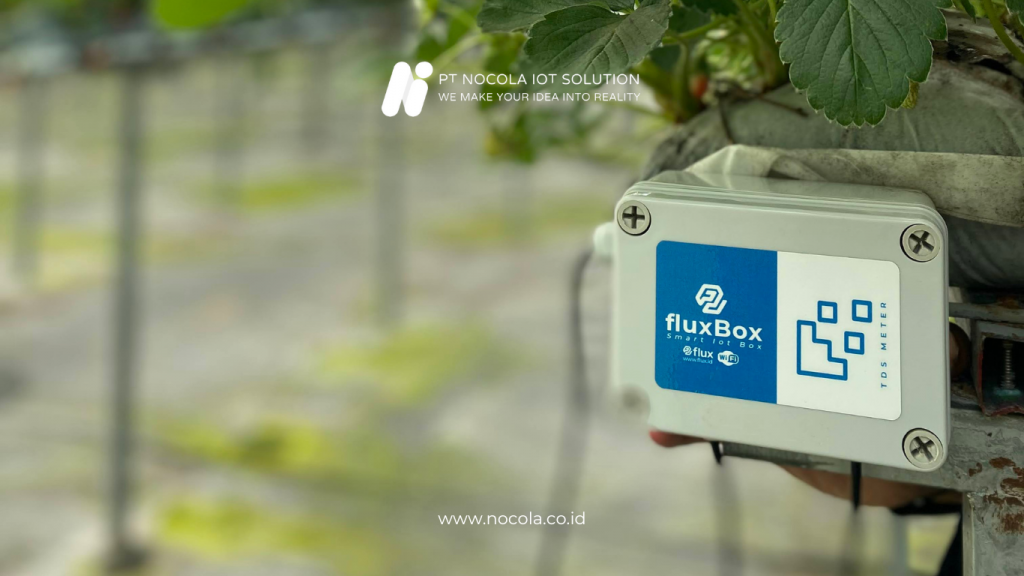
IoT technology in hydroponics refers to systems that connect various sensors—such as pH meters, water temperature sensors, TDS (Total Dissolved Solids) sensors, and humidity sensors—to the internet. These sensors transmit data to digital platforms or applications, allowing farmers to access information in real-time via smartphone or computer.
| Parameter | Function | Impact if Unstable |
|---|---|---|
| pH Water | Maintains optimal nutrient absorption | Stressed plants, slow growth |
| Nutrients (TDS/EC) | Provides food for the plants | Yellowing leaves, failure to thrive |
| Water Temperature | Maintains plant metabolism | Root rot or difficulty in nutrient absorption |
If these parameters are not controlled, plants can become damaged, harvests can fail, and financial losses can increase.
To effectively monitor the health of hydroponic systems, IoT systems consist of several key components:
With IoT integration, every incoming data point is automatic, accurate, and minimizes human error.
To clarify, here are the simple steps on how the IoT systems operate in the field:
Farmers do not need to be on-site; they can simply open an app to check all important conditions.
If pH levels are too high or nutrients are low, the smartphone will send an immediate alert.
Turning on water pumps, adding nutrients, and even adjusting lighting can be automated based on sensor data.
No need for repeated manual checks. Operational costs and human error risks can be significantly reduced.
IoT in hydroponics is not just a trend; it is a real solution for modern farming. By utilizing sensors to monitor pH, nutrients, temperature, and humidity in real-time from a smartphone, the cultivation process becomes easier, more accurate, and efficient. For home gardeners, startup agriculture businesses, and large agribusinesses, this technology can serve as a stepping stone towards sustainable smart farming.

