Physical Address
304 North Cardinal St.
Dorchester Center, MA 02124
Physical Address
304 North Cardinal St.
Dorchester Center, MA 02124


Agriculture remains the backbone of food security in many countries, including Indonesia. However, challenges such as climate change, dwindling water resources, and the need for modern agricultural efficiency drive the need for technological innovation. One widely used innovation today is the Internet of Things (IoT) in smart irrigation systems, particularly through the use of soil moisture sensors.
This technology serves as a solution to optimize water usage, increase crop yields, and reduce operational costs in agriculture. This article will discuss how IoT and moisture sensors work in smart irrigation, their benefits, implementation challenges, and the potential future of this technology in agriculture.
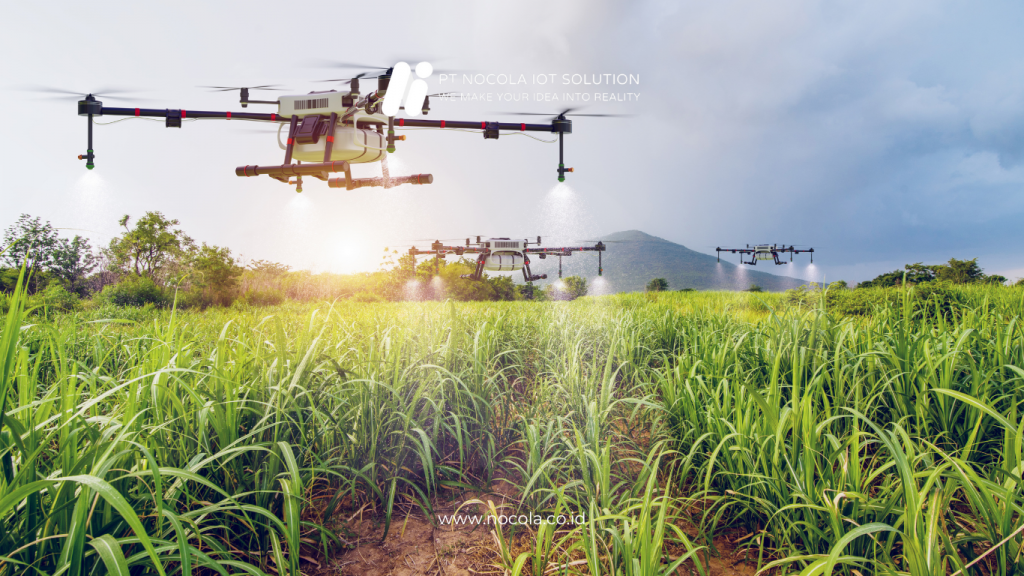
Internet of Things (IoT) refers to a network of devices interconnected through the internet, capable of collecting and exchanging data in real time. In the context of agriculture, IoT allows farmers to monitor land, weather, and crops from a distance through sensors embedded in the fields.
A smart irrigation system is an automation technology that regulates the watering of plants based on data obtained from soil and weather sensors. This system can automatically turn on or off irrigation, adjusting the volume of water based on the needs of the plants and environmental conditions, thereby optimizing water and energy use.

Soil moisture sensors measure the water content in the soil. This data is sent to a central system that automatically manages the timing and volume of irrigation. If the soil moisture is adequate, the system will delay watering. Conversely, if the soil is too dry, the irrigation system will be activated.
Some common types of soil moisture sensors used in smart irrigation systems include:
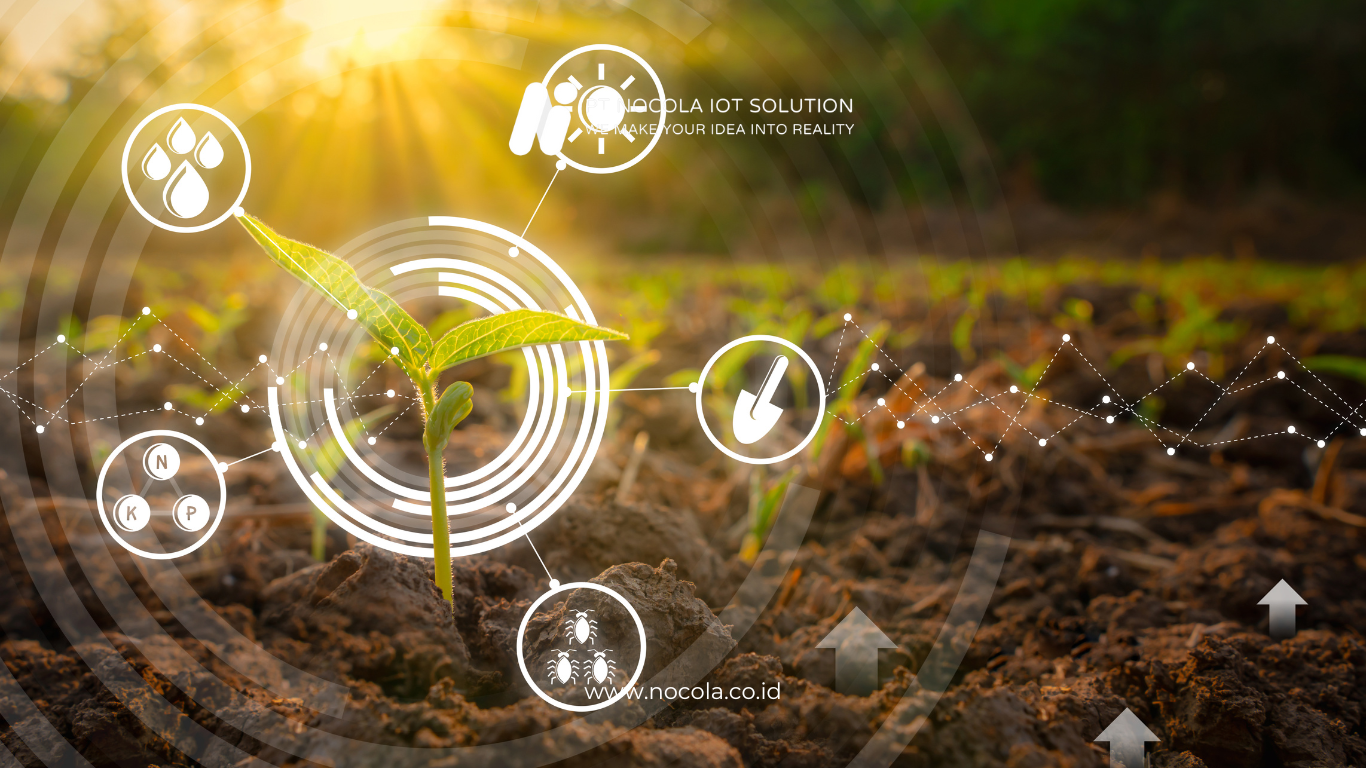
One of the greatest benefits is water conservation. Plants are only watered when they need it, rather than on a fixed schedule that can be inefficient.
Plants receiving the right amount of water tend to be healthier and more productive, thereby increasing yields.
Automation reduces the need for labor to manually water plants, saving on water and electricity costs as well.
Farmers can monitor land conditions from anywhere, even from a smartphone, allowing for quicker responses to emergencies.
The implementation of IoT in smart irrigation systems with moisture sensors is a revolutionary solution to modern agricultural challenges. With the ability to automatically and real-time monitor and control irrigation, this technology helps improve water efficiency, agricultural productivity, and environmental sustainability.
However, to maximize its benefits, support infrastructure, technology education, and adequate initial investments are required. With a gradual and adaptive approach, farmers in Indonesia can start experiencing the digital transformation towards smarter and more sustainable agriculture.

