Physical Address
304 North Cardinal St.
Dorchester Center, MA 02124
Physical Address
304 North Cardinal St.
Dorchester Center, MA 02124


In recent years, awareness of the importance of protecting the environment has significantly increased worldwide. With the emergence of Internet of Things (IoT) technology, we now have a powerful tool to monitor and manage the environment more effectively. One important application of IoT is in monitoring water quality and gas emissions, which can be done in real-time. This article will discuss how the use of IoT in the environmental sector can help us maintain water quality, reduce emissions, and overall create a cleaner and safer world.
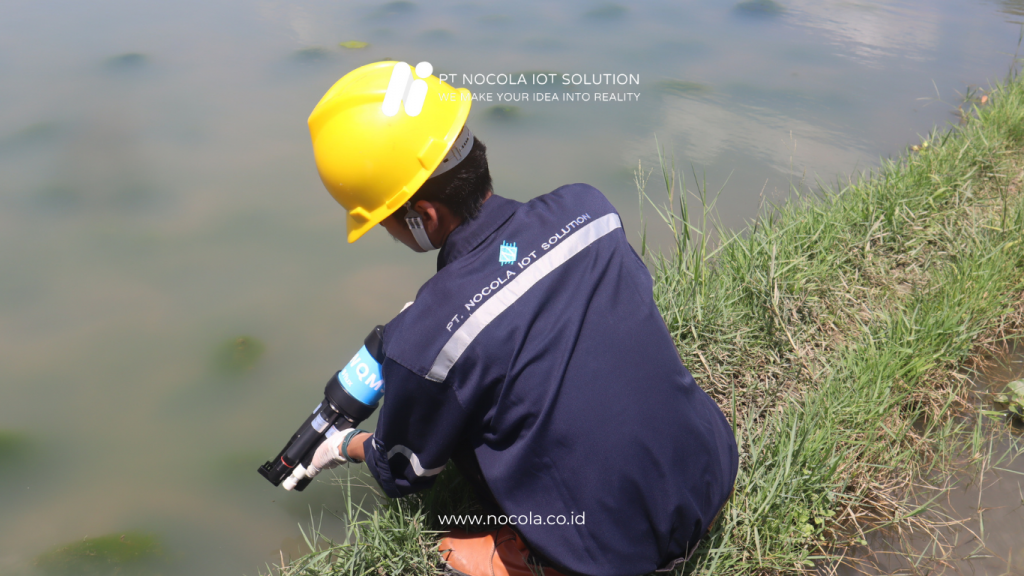
Also read: WQMS Nocola: IoT-Based Water Quality Monitoring Technology
The Internet of Things (IoT) is a network of physical devices connected to the internet that can communicate and exchange data with one another. In the context of the environmental sector, IoT encompasses various devices used to monitor environmental parameters and provide real-time data.
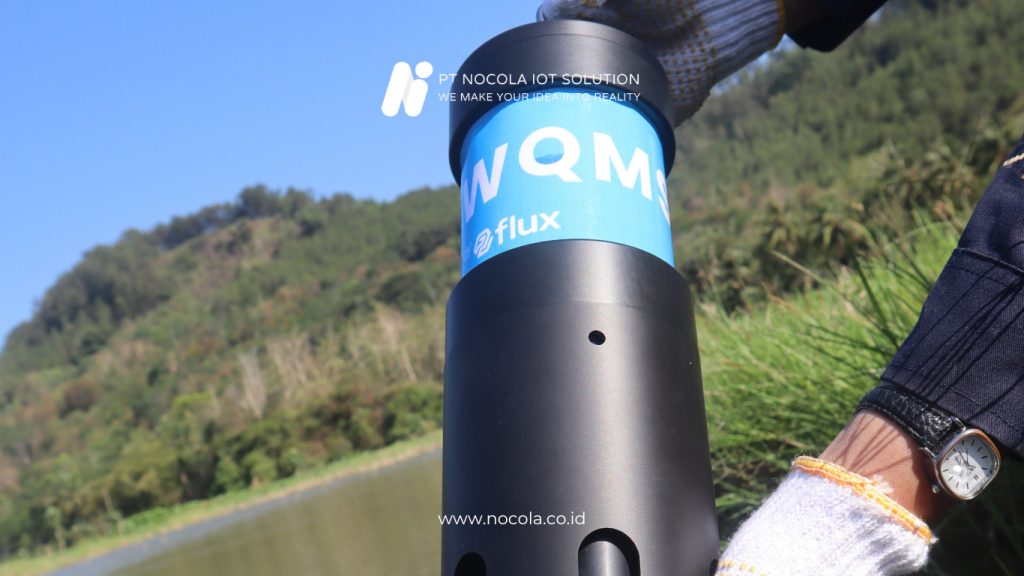
One of the main advantages of using IoT sensors for monitoring water quality is the accuracy of the data. The sensors used are designed to provide precise measurements, allowing for quick action if there are significant changes.
A company managing a recreational lake uses IoT sensors to continuously monitor pH and dissolved oxygen levels. With early detection, they can take immediate actions if parameters begin to deviate from safe thresholds.
By leveraging IoT, data on water quality can be collected in real-time. This provides stakeholders such as local governments and environmental organizations with the necessary data for rapid responses to specific issues.
The data obtained from water quality monitoring can be used to support evidence-based decision-making. Environmental policies can be established based on insights from the collected data.

IoT systems designed to monitor greenhouse gas emissions enable companies to maintain compliance with environmental regulations. Emission sensors can be installed in smokestacks and production areas to provide information about the type and volume of gases being released.
Accurate, real-time emission data allows companies to detect problems early and take mitigation actions. This contributes to the overall reduction of emissions produced by industrial processes.
By analyzing the collected emission data, companies can develop strategies to reduce their carbon footprint. For example, data may indicate the need to invest in clean technologies or improve operational processes.
IoT-based emission monitoring allows companies to easily generate the reports required for compliance. Data that has already been recorded in real-time can be used for reporting without time-consuming manual procedures.

In addition to water quality and emissions, IoT also enables monitoring air quality in urban environments. Sensors installed in strategic locations can measure pollution, providing important data to improve the quality of life for communities.
IoT can be used to analyze the impact of infrastructure, such as bridges and buildings. Installed sensors can provide real-time data on leaks or damage, supporting preventive maintenance.
In managing natural resources, especially water and soil, proper monitoring can help maintain quality and quantity. With IoT technology, water usage can be monitored more accurately, supporting better conservation practices.
IoT in the environmental sector offers highly beneficial solutions for managing water quality and gas emissions. By leveraging the right technologies, such as intelligent monitoring systems and sensors, we can restore and maintain environmental sustainability worldwide.
The adoption of IoT in monitoring ensures that actions taken are based on accurate data, allowing for rapid responses to undesirable changes. Ultimately, embracing this technology is not just about efficiency but also about protecting our planet for future generations.

