Physical Address
304 North Cardinal St.
Dorchester Center, MA 02124
Physical Address
304 North Cardinal St.
Dorchester Center, MA 02124


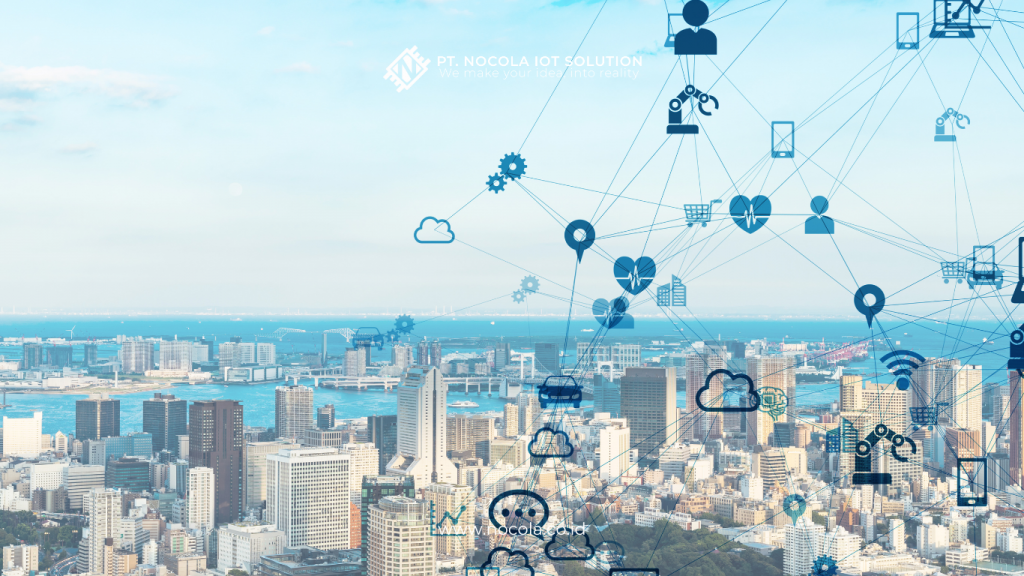
In the ever-evolving digital era, the Internet of Things (IoT) has become one of the leading technologies transforming various sectors, including transportation. IoT enables device connections through the internet, allowing data to be collected, analyzed, and used to enhance efficiency and safety. In the transportation sector, IoT offers advanced solutions for traffic management, public transport, vehicle control, and much more.
This article will discuss how IoT is changing the transportation industry, focusing on two main aspects: efficiency and safety. Additionally, we will look at the impact of IoT on various applications in the modern transportation world.
Read More: Getting to Know the Internet of Things (IoT): Its Impact on Daily Life
IoT in transportation refers to the application of sensors, smart devices, and connectivity technologies to manage and control transportation assets such as vehicles, infrastructure, and drivers. The goal is to enhance operational efficiency, reduce costs, and improve safety.
Sensors installed on vehicles, road infrastructure, and public transport facilities can send real-time data. This data is then processed by intelligent IoT systems, generating valuable insights such as traffic patterns, road conditions, and driver behavior.
Read More: Nocola Flux Water Level: An Efficient and Integrated Water Level Monitoring Solution
One of the key benefits of IoT in transportation is improved traffic management. By using traffic sensors, CCTV cameras, and GPS data from vehicles, IoT systems can monitor traffic in real-time and provide information to drivers.
For instance, the system can recommend the fastest route based on current traffic data, reducing congestion and travel time. In large cities that often face traffic jams, this technology is very useful in alleviating traffic burdens and optimizing road usage.
IoT is also used in managing public transportation. Digital ticketing systems connected to the IoT network allow users to pay and track public transport departure and arrival times in real-time. Moreover, the system can predict passenger density, enabling operators to optimize schedules and vehicle numbers.
In some advanced cities, buses and trains connected to IoT are also capable of providing real-time information on vehicle positions, departure schedules, and estimated arrival times (ETA). This improves passenger convenience and operational efficiency of public transportation systems.
In the logistics industry, IoT plays a crucial role in fleet management. Transportation companies can use IoT data to track vehicles, monitor engine conditions, and optimize delivery routes. This way, they can reduce fuel consumption, extend vehicle life, and ensure on-time deliveries.
IoT technology also helps monitor vehicle conditions such as tire pressure, engine temperature, and fuel status. This data allows maintenance to be performed before damage occurs, reducing downtime and increasing fleet efficiency.
Read More: Benefits of Water Quality Monitoring System (WQMS) in Water Resources Management
IoT enables the implementation of early warning systems that notify drivers about traffic conditions, bad weather, or other hazards. For example, sensors installed on vehicles can detect potential collisions and provide warnings to drivers.
Additionally, driver behavior recognition technology can be used to detect signs of fatigue or dangerous driving behaviors. With this information, IoT systems can give warnings or even activate the vehicle’s autonomous mode to prevent accidents.
The development of autonomous vehicles is highly influenced by IoT. Autonomous cars use advanced IoT sensor networks to monitor their surroundings and make decisions independently. With this technology, vehicles can communicate with road infrastructure and other vehicles to reduce accident risks.
Autonomous cars connected to IoT can also follow traffic rules more accurately than humans, as the system can respond to situations quickly and precisely. This not only improves road safety but also reduces congestion since autonomous vehicles can operate with high efficiency.
Read More: Nocola’s Fatigue Monitoring Features: Leading Solutions to Increase Safety and Productivity
Although IoT offers many benefits in transportation, its implementation still faces several challenges. One of the biggest challenges is data security. IoT-connected systems are vulnerable to cyberattacks, making it crucial to have strong security protocols in place.
Moreover, the cost of implementing IoT technology is still relatively high, especially in developing countries. Significant investment is required to integrate sensors, smart infrastructure, and communication networks needed to support IoT. However, with increasing technology adoption and infrastructure development, these challenges are expected to diminish over time.
IoT has opened many new opportunities in the transportation sector, enhancing operational efficiency and driver safety. From traffic management to autonomous vehicles, this technology is transforming the way we move and interact with transportation infrastructure.
Despite the challenges in implementation and security, the benefits offered by IoT far outweigh them. With proper integration, IoT can help create smarter, safer, and more efficient transportation systems in the future. Therefore, governments, companies, and other stakeholders need to collaborate to accelerate IoT adoption in transportation to create better travel environments for everyone.