Physical Address
304 North Cardinal St.
Dorchester Center, MA 02124
Physical Address
304 North Cardinal St.
Dorchester Center, MA 02124

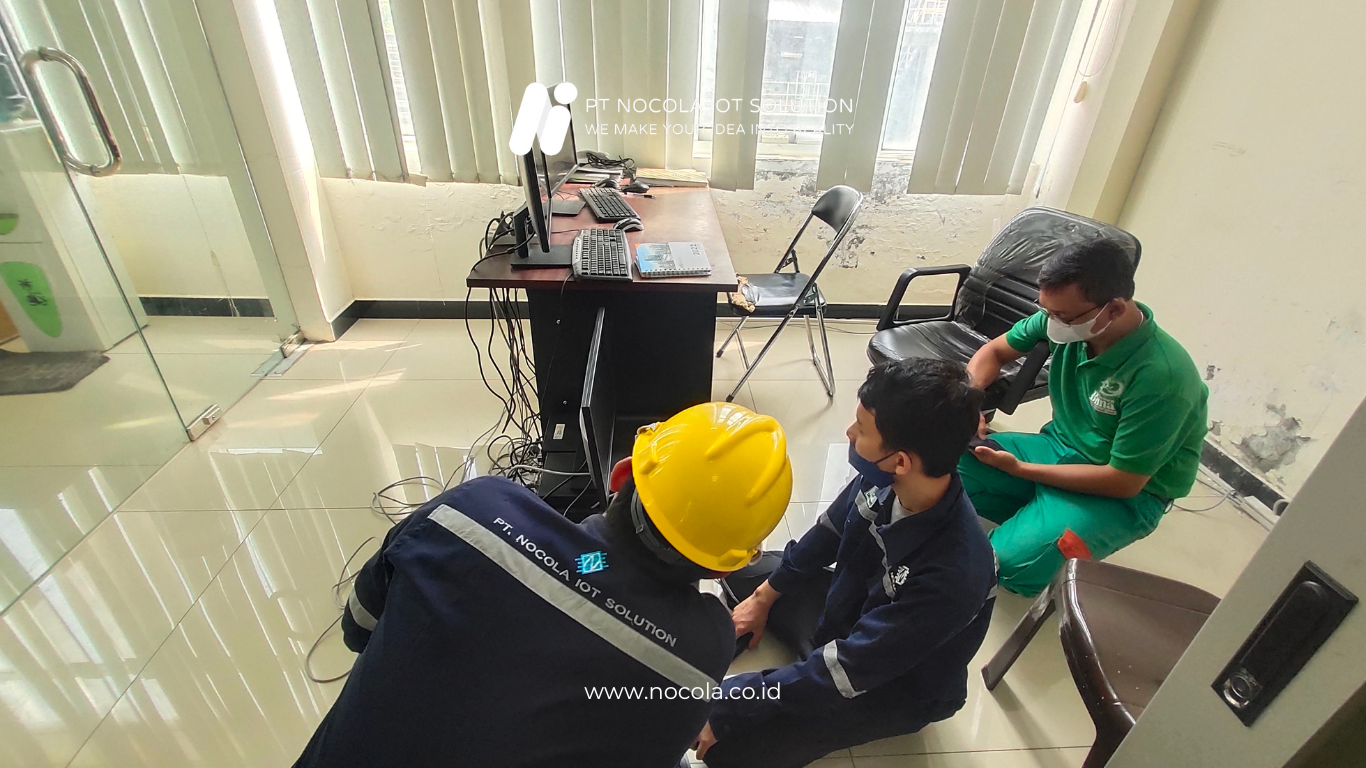
Digital transformation has become a fundamental necessity for modern industries that aim to remain competitive amid rapid technological advancements. One of the key pillars of this transformation is the utilization of Internet of Things (IoT), which enables various devices to connect and exchange data in real-time.
However, having numerous IoT devices alone is not enough. The real challenge lies in how to manage, process, and utilize the generated data to deliver real value for industrial operations. This is where system integration plays a crucial role.
One increasingly popular solution is the use of Flux as a data processing language capable of optimizing IoT data management. With a flexible and powerful approach, the integration of IoT with Flux enables industries to improve operational efficiency, accelerate decision-making, and reduce potential errors.
This article will discuss in depth how IoT Flux integration can become a strategic solution to enhance industrial operational efficiency.

Read Also : Utilizing IIoT for Supply Chain Optimization
IoT integration refers to the process of connecting various smart devices such as sensors, actuators, and control systems into a single integrated ecosystem. These devices collect data from multiple points in the production process, including temperature, pressure, humidity, and machine performance.
Without proper integration, the generated data becomes scattered and difficult to utilize optimally. Therefore, a platform or data processing language is required to efficiently manage large volumes of data.
Flux emerges as a query and analytics language specifically designed to handle time-series data, which is the primary data type in IoT systems. Flux allows users to process data flexibly, including filtering, aggregation, transformation, and visualization.
By combining IoT and Flux, industries can build systems that not only collect data but also understand and utilize it effectively to support operations.
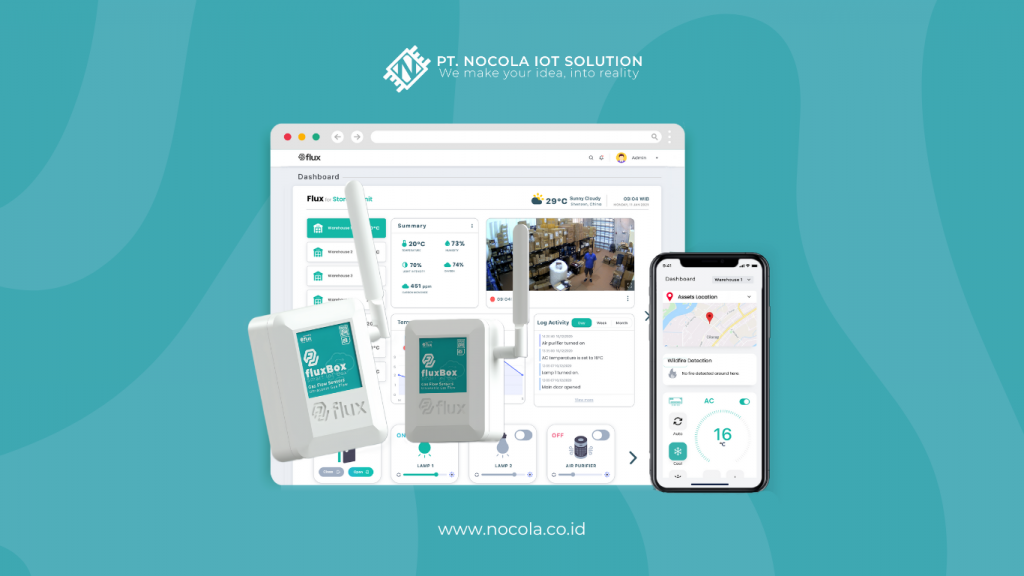
Read Also : Flux by Nocola: Integrated IoT Platform for All Needs
The integration of IoT with Flux works through several interconnected stages. First, IoT devices such as sensors and gateways collect data from various points in the field. This data is typically transmitted to servers or storage platforms such as time-series databases.
Next, Flux is used to access and process the data. With flexible queries, users can select specific data, group it based on time, and perform in-depth analysis according to operational needs.
For example, in the manufacturing industry, Flux can be used to analyze machine performance in real-time. If there is a decline in efficiency or signs of malfunction, the system can automatically notify operators.
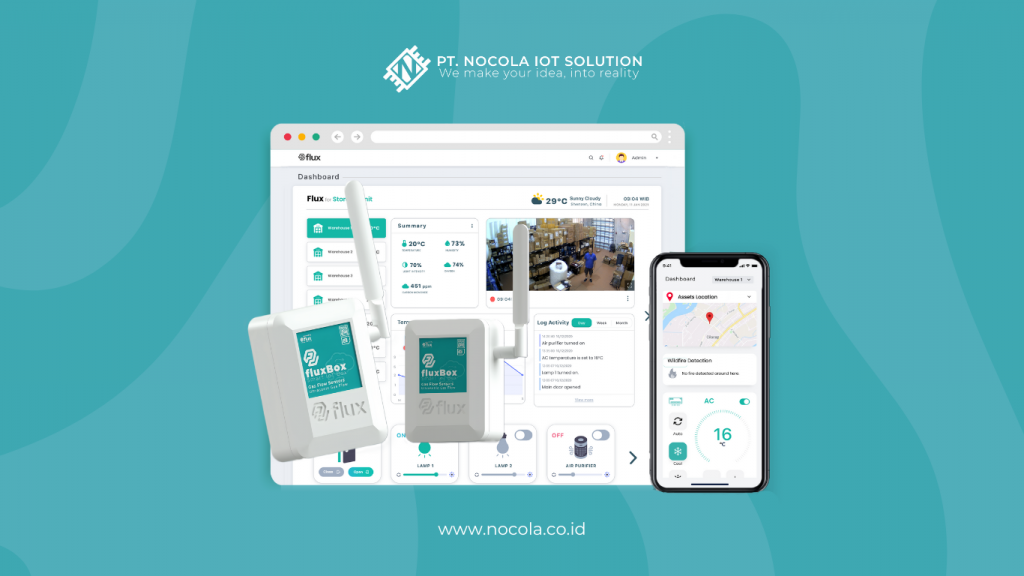
In addition, Flux can be integrated with visualization dashboards, allowing complex data to be presented in easy-to-understand graphical formats. This helps operational teams monitor overall system conditions more effectively.
Through this mechanism, IoT Flux integration enables a more structured, transparent, and accessible data flow across the organization.

Read Also : Tips to Improve Operational Efficiency with Digital LogSheets
Implementing IoT and Flux integration provides significant benefits for industrial operations. One of the key advantages is improved process efficiency. With real-time data availability, companies can identify operational bottlenecks and respond more quickly.
Additionally, this system supports data-driven decision-making. Instead of relying on assumptions, management can use actual data to determine more accurate operational strategies.
Another benefit is the reduction of machine downtime. Through data analysis performed by Flux, potential issues can be detected early, allowing maintenance to be carried out before system failures occur.
This integration also contributes to cost savings. By optimizing energy usage, improving maintenance planning, and reducing human error, companies can minimize unnecessary expenses.
Equally important, IoT Flux integration enhances operational visibility. All processes can be monitored comprehensively, improving coordination between teams and boosting overall productivity.
Read Also : IoT Implementation in Telemedicine: Challenges & Opportunities in Indonesia
IoT and Flux integration can be applied across various industries with different needs. In manufacturing, this system is used to monitor machine performance, product quality, and production efficiency.
In the energy sector, IoT Flux integration helps monitor electricity distribution, energy consumption, and detect network disruptions. This enables energy companies to deliver more reliable and efficient services.
In the logistics industry, this technology is used to track goods movement, monitor environmental conditions during transportation, and optimize delivery routes.
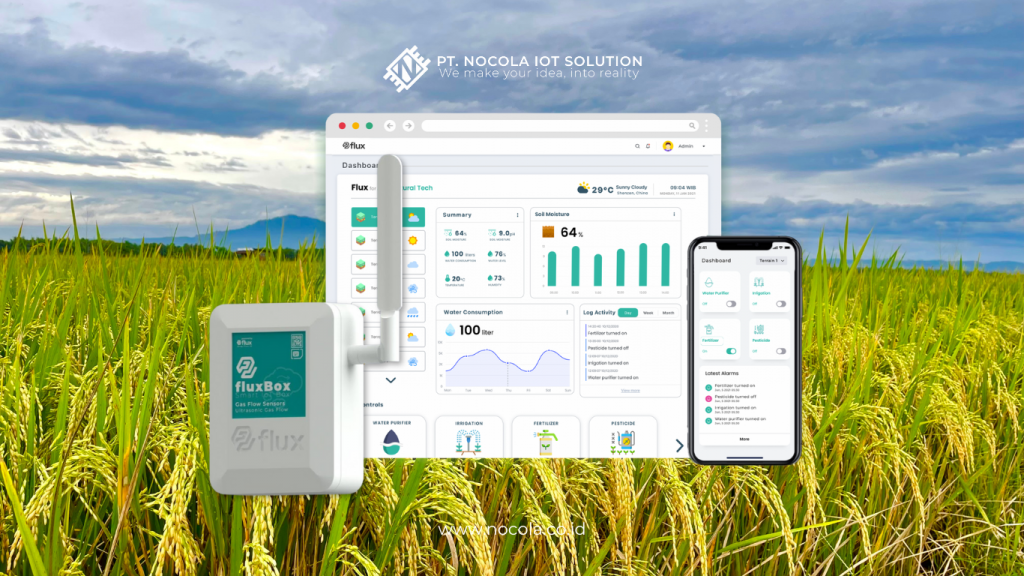
In modern agriculture, IoT and Flux are used to monitor soil conditions, humidity, and weather. With this data, farmers can determine optimal planting and harvesting times.
These examples demonstrate the high flexibility of IoT Flux integration and its adaptability to various industrial needs.
Read Also : One Dashboard for Multiple Data: Integrated Monitoring Solution with Flux
Although it offers many advantages, implementing IoT and Flux integration also comes with several challenges. One of the main challenges is the complexity of integrating different devices and systems.
In addition, data security is a critical concern. With numerous connected devices, the risk of data breaches or cyberattacks increases.
Another challenge is the need for skilled human resources with expertise in data management and Flux programming. Without sufficient expertise, the system’s full potential cannot be utilized.
To overcome these challenges, companies can implement several strategies. First, choose IoT platforms that are compatible and easy to integrate. Second, implement strong security systems to protect data. Third, provide training for internal teams to effectively manage the system.
Additionally, companies can collaborate with technology solution providers to ensure smooth implementation aligned with operational needs.
The integration of IoT devices with Flux is an innovative solution that significantly improves industrial operational efficiency. With the ability to manage and analyze data in real-time, this system helps companies make faster and more accurate decisions.
Through proper integration, industries can enhance productivity, reduce downtime, and optimize resource utilization. Although there are challenges in implementation, the long-term benefits far outweigh them.
As technology continues to evolve, IoT Flux integration will become an essential part of industrial digital transformation toward smarter, more efficient, and sustainable operations.
