Physical Address
304 North Cardinal St.
Dorchester Center, MA 02124
Physical Address
304 North Cardinal St.
Dorchester Center, MA 02124
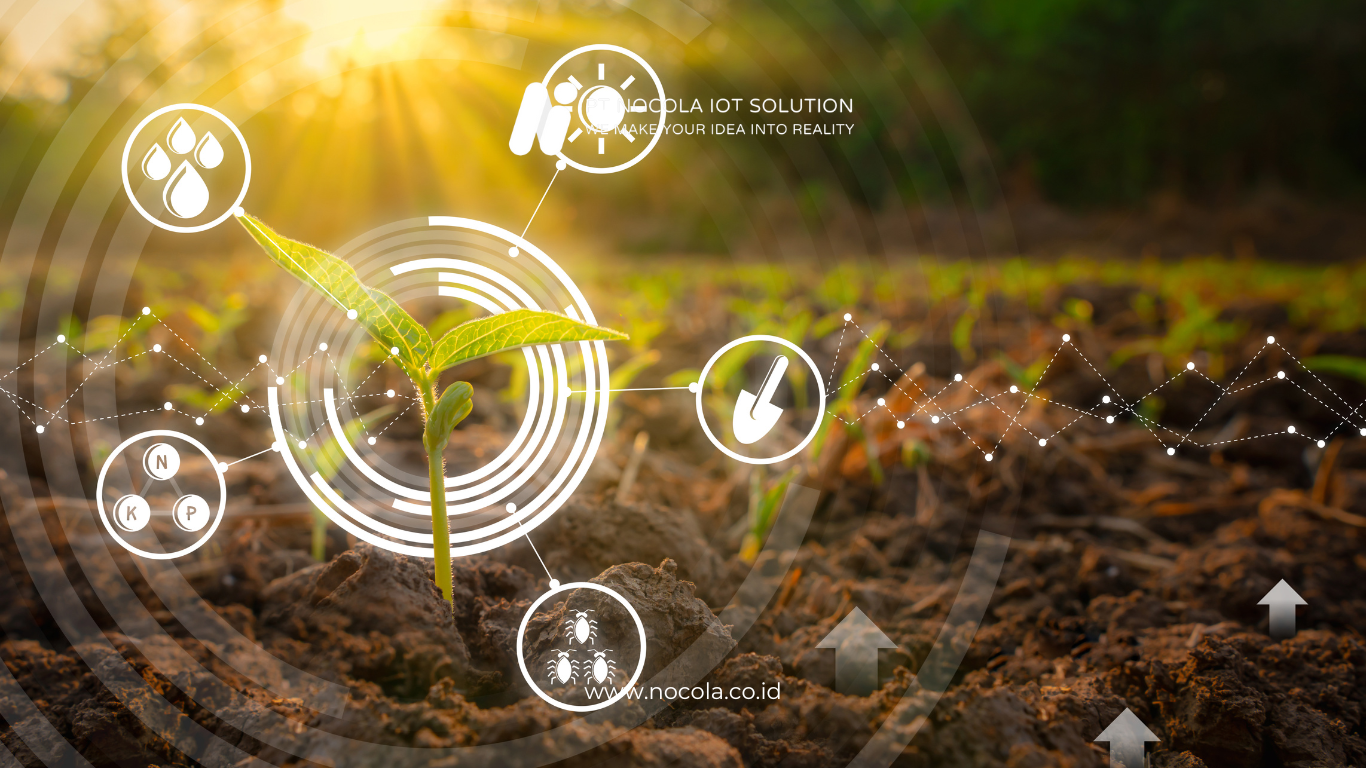
In the modern agricultural world, farmers face various challenges such as climate change, land degradation, and the need for high efficiency. To address these challenges, the Internet of Things (IoT) has emerged as an innovative solution through the concept of precision farming. Precision farming is a data-driven approach to managing land and crops accurately, efficiently, and sustainably. By utilizing real-time data from sensors and IoT devices, farmers can make timely and targeted decisions.
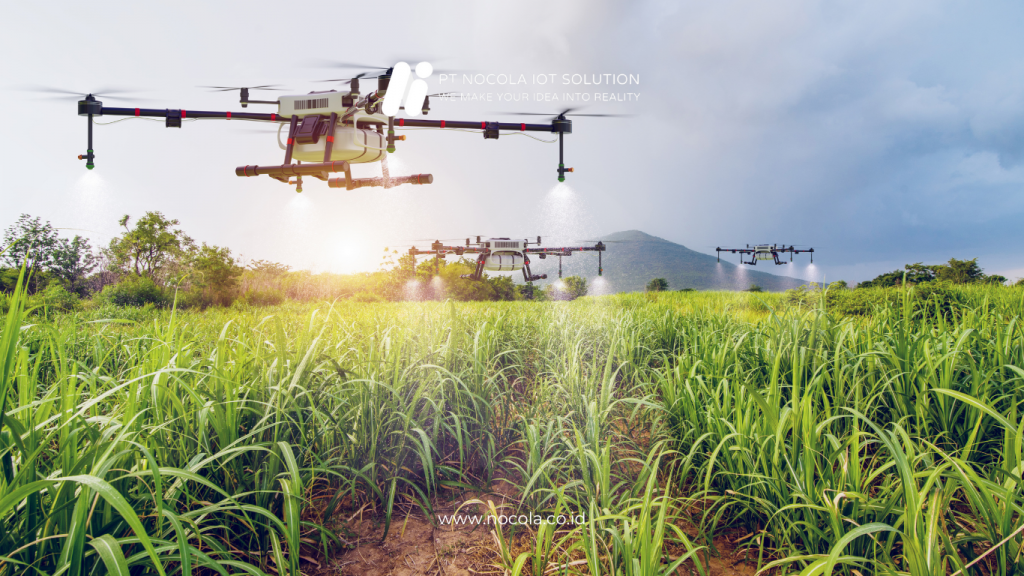
Precision farming involves the use of high technology such as soil sensors, drones, GPS, and other IoT devices to monitor and manage agricultural processes. This system gathers data directly from the fields and sends it to an analytical dashboard that provides detailed information about soil conditions, moisture, temperature, nutrient levels, and pest activities.
Examples of its applications include automatic irrigation systems based on soil moisture, precise fertilization based on plant conditions, and monitoring plant health using drone imagery. All of these allow farmers to manage resources more efficiently and improve land productivity.
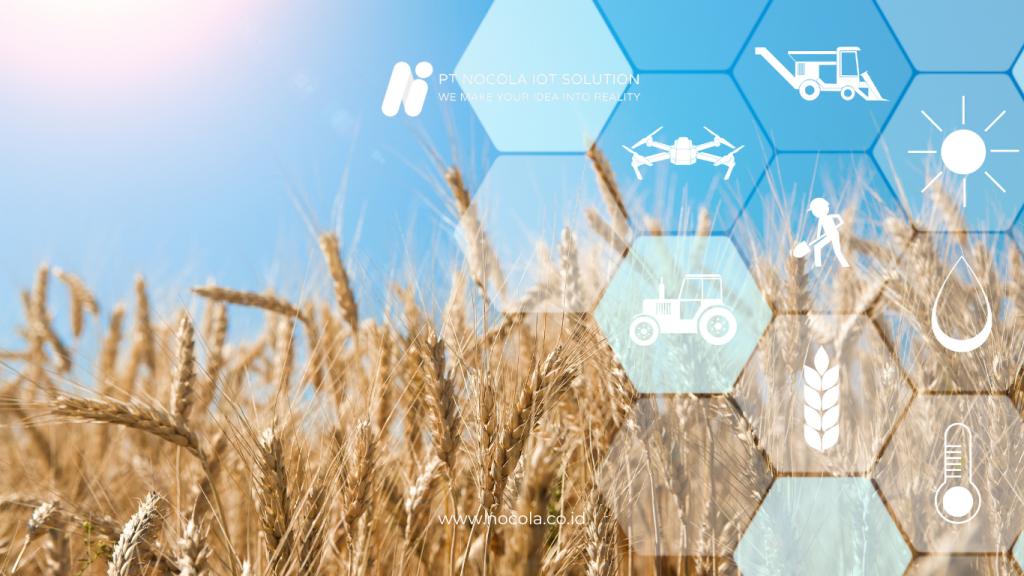
IoT technology in precision farming offers numerous tangible benefits:

Some important components of this system include:
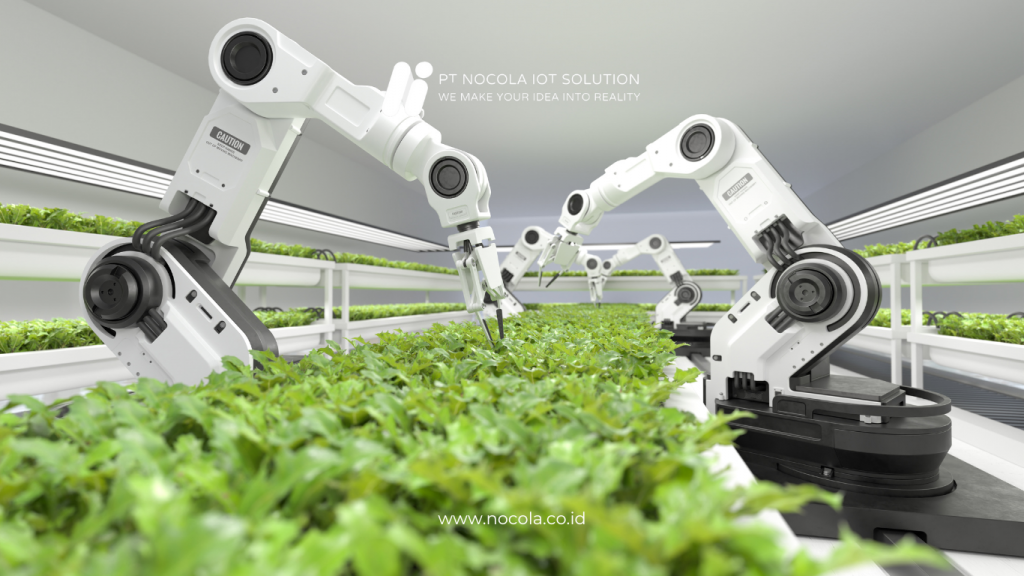
As technology advances, precision farming will become increasingly sophisticated, with the integration of artificial intelligence (AI), machine learning, and blockchain. AI can provide automated planting recommendations based on weather predictions and historical patterns, while blockchain will enhance transparency in the agricultural supply chain.
Indonesia, as an agrarian country, has significant potential to adopt this technology. With support from the government, private sector, and farming communities, IoT-based agriculture can become the new standard for improving national food security.
Precision farming supported by IoT technology offers a revolutionary approach in agriculture. By utilizing real-time data from various sensors and smart devices, farmers can enhance efficiency, reduce costs, and achieve higher yields. Challenges such as access to technology and implementation costs can be addressed through collaboration and education. In the future, data-driven agriculture will be key in realizing a sustainable food system in Indonesia.

