Physical Address
304 North Cardinal St.
Dorchester Center, MA 02124
Physical Address
304 North Cardinal St.
Dorchester Center, MA 02124


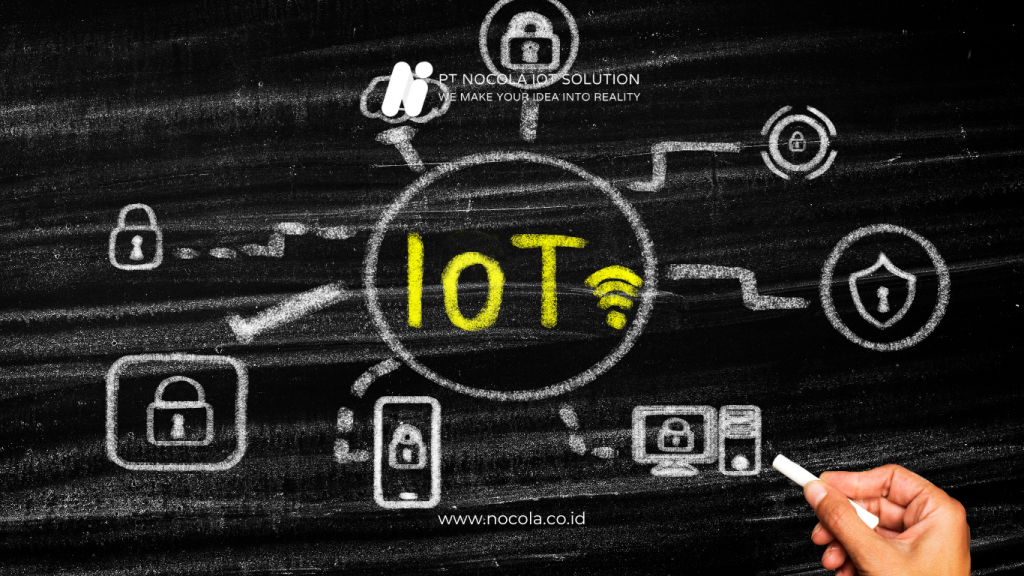
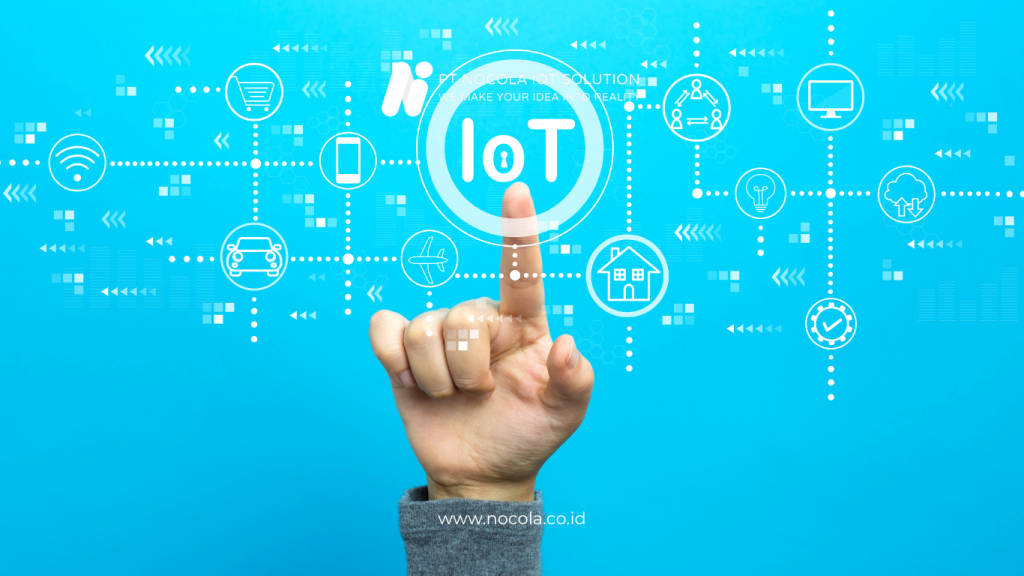
The Internet of Things (IoT) has become an essential part of modern life. From smart homes to connected vehicles, and automated industrial systems to digital health services—IoT provides incredible efficiency and convenience. However, this rapid development also brings significant risks: cyberattacks targeting IoT devices and connected data.
IoT security has now become a crucial topic. Without proper protection, devices and data are at risk of becoming gateways for hackers, who can steal sensitive information, disable systems, and even remotely control devices. This article will thoroughly discuss the challenges of IoT security and strategies to protect devices and data from cyberattacks.
Read More: How to Combat Cyber Crime
IoT connects billions of devices to the internet. Each device is a potential point of exploitation. Several reasons explain why IoT security is crucial:
Without preventive measures, attacks can result in financial losses, reputational damage, and even threats to human safety.
Some of the most common forms of attacks on IoT devices include:
There are various practical steps that individuals and organizations can take to enhance IoT security:
Avoid using default passwords. Use a combination of complex characters, and enable two-factor authentication (2FA) where available.
Ensure that all IoT devices are always running the latest firmware version, as updates often contain security patches.
Segment IoT devices from the main network. For example, use a dedicated Wi-Fi for IoT devices to prevent attacks from spreading to other devices.
All communications between devices should be encrypted using secure protocols such as TLS/SSL.
Use monitoring systems to detect suspicious activities. Logging helps track the traces of an attack.
For businesses and industries, IoT security must be part of the company’s cybersecurity strategy. Some best practices include:

As the number of connected IoT devices is expected to exceed 30 billion by 2030, the demand for security becomes urgent. Some future trends in IoT security include:
With these innovations, IoT security is expected to become more proactive rather than just reactive.
IoT security is a critical foundation in an increasingly connected digital era. Cyberattacks on IoT devices can lead to significant losses for individuals and companies alike. Therefore, security strategies such as using strong passwords, encrypting data, network segmentation, and adopting AI and blockchain technology must be implemented.
Protecting IoT devices is not only the responsibility of manufacturers but also of users and organizations. Through collaboration and the application of best practices, IoT can continue to grow safely and provide maximum benefits without compromising data security and privacy.

