Physical Address
304 North Cardinal St.
Dorchester Center, MA 02124
Physical Address
304 North Cardinal St.
Dorchester Center, MA 02124

Agriculture is a vital sector that sustains human life. However, challenges such as climate change, limited resources, and the increasing global food demand require this sector to adapt. One innovation that addresses these needs is the Internet of Things (IoT).
With the implementation of IoT, the concept of smart farming has emerged, allowing farmers to utilize technology to improve productivity, reduce risks, and maintain environmental sustainability. This article will explore how IoT technology is applied in smart farming, the benefits it offers, real implementation examples, and its prospects for the future.
Read Also: Smart Farming: The Future of Agriculture
Smart farming is a modern agricultural system that integrates IoT technology to optimize the entire cultivation process. IoT enables sensors, actuators, and monitoring systems to connect via the internet, allowing data to be collected, analyzed, and utilized for decision-making.
With smart farming, farmers can:

IoT acts as a connector between the farming environment and the digital platform that analyzes data. Its main roles include:
IoT sensors measure soil moisture, temperature, light intensity, and air quality, allowing farmers to understand the current conditions of their land.
Using data from sensors, automated irrigation systems can turn pumps on or off based on plant needs, thus conserving water.
AI-based sensors and cameras can detect potential pest invasions early, allowing for preventive actions before they escalate.
The collected data is used to predict crop growth patterns, determine optimal harvest times, and strategize long-term care.
Used to measure moisture, pH levels, and nutritional content in the soil. This information determines when and how much fertilizer or water to supply.
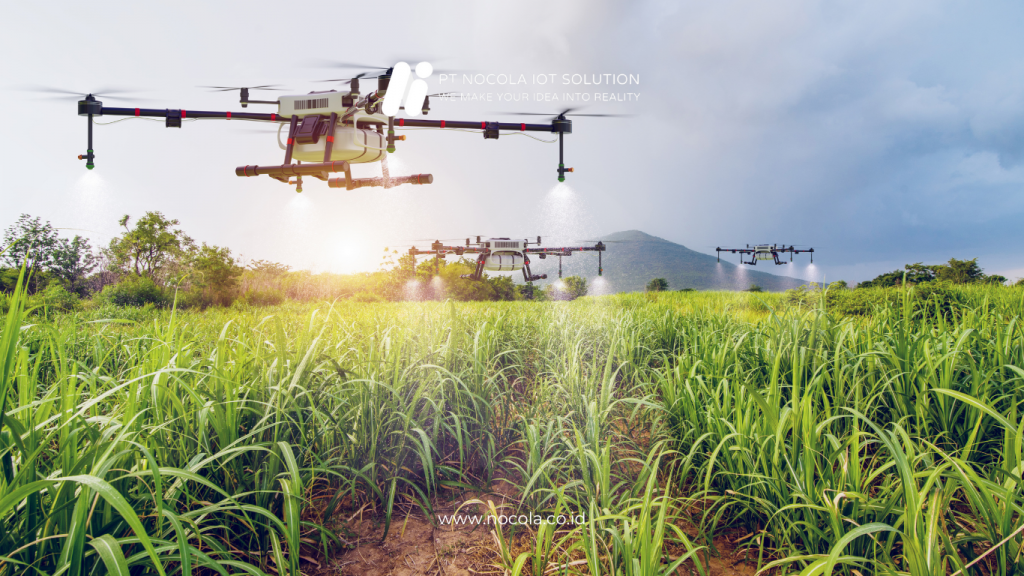
IoT drones are used to monitor land conditions from the air, conduct pesticide spraying, and map agricultural areas with high precision.
Facilitates the management of large agricultural areas by providing specific locations of plant conditions that need special attention.
All data is displayed in an interactive visual dashboard that can be accessed through smartphones or computers.
Combined with IoT to analyze data and provide automatic recommendations to farmers.
The implementation of IoT in agriculture leads to a variety of significant benefits, including:
The use of water, fertilizers, and pesticides is more measured according to the needs of the crops.
With data-driven monitoring and care, crops grow healthier, resulting in higher yields.
Early detection of pests, diseases, and extreme weather reduces the risk of crop failure.
IoT supports environmentally friendly agricultural practices by minimizing excessive chemical use.
Documented data can serve as assurance of quality and safety for agricultural products.
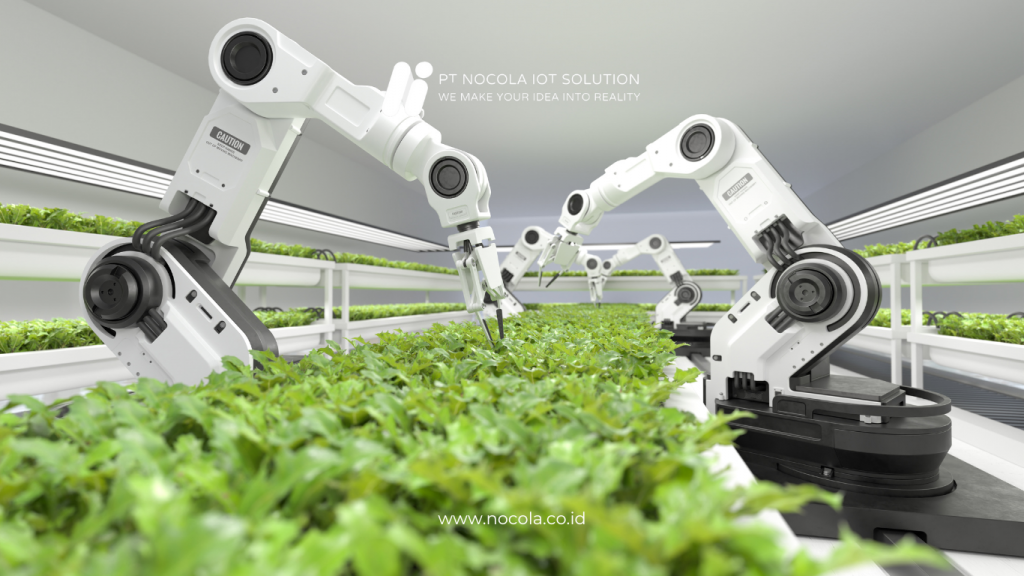
IoT sensors are used to monitor soil moisture, weather conditions, and seed health. This helps in more efficient land management.
IoT is utilized to measure humidity and temperature levels in highland plantations, ensuring the quality of coffee beans is maintained.
Vegetable and fruit farmers use automated irrigation systems linked to sensors to maintain soil moisture according to crop needs.
Smart greenhouses are equipped with sensors for light, temperature, and humidity to maintain microclimates tailored to specific plant requirements.
IoT technology has paved the way for agricultural transformation through the concept of smart farming. By utilizing sensors, automation systems, and digital dashboards, farmers can enhance productivity, reduce costs, and maintain environmental sustainability.
Although challenges such as initial costs and infrastructure persist, IoT proves to be an innovative solution supporting the modernization of agriculture. In the future, IoT will increasingly integrate with other smart technologies, making smart farming the future of global agriculture.

