IoT Wearable Devices: A Technology Trend That’s Becoming Closer to Our Lives

In the increasingly advanced digital era, Internet of Things (IoT) and Artificial Intelligence (AI) have become key technologies transforming how we live, work, and interact. These technologies unlock significant opportunities for efficiency, automation, and data-driven decision-making across various sectors.

This article will discuss how IoT wearable devices have integrated into our daily lives, their applications, benefits, and the challenges that come with their usage.
What Are IoT Wearable Devices?

IoT Wearable Devices

Read More: Mobile Health: Monitoring Patients Remotely with IoT Wearables

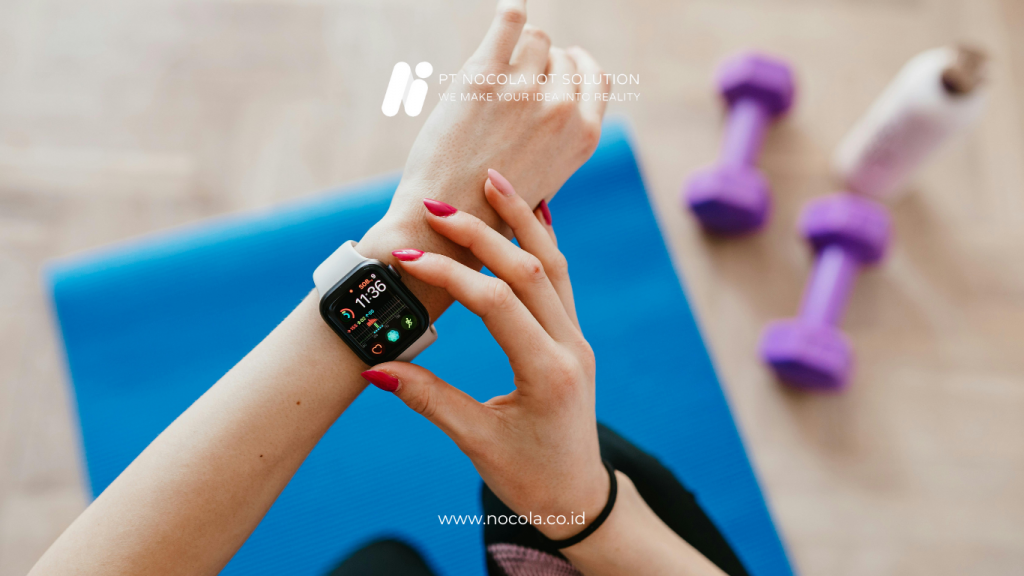
IoT wearable devices are electronic devices worn on the body, equipped with sensors, internet connectivity, and data processing technology. These devices can:

  • Collect data on body or environmental activity
  • Send data to a smartphone or the cloud
  • Provide information and recommendations in real-time

For example, a smartwatch can monitor heart rates, count steps, and send WhatsApp notifications directly to the watch screen.

Why Is It Called IoT?

These devices are called IoT because they are connected to the internet and can communicate with other devices. The data collected by the sensors is sent to applications or servers for analysis, and the results are then sent back to the user.
Popular Types of IoT Wearable Devices

Popular IoT Wearable Devices

Wearable devices are rapidly evolving and becoming more innovative. Here are the most commonly used types of IoT wearable devices:

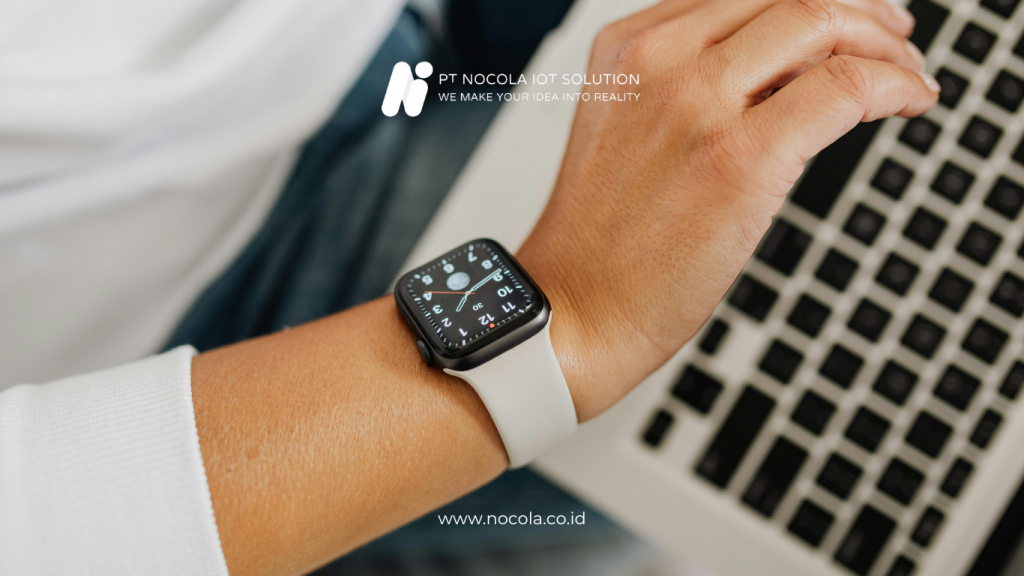
1. Smartwatches and Smartbands

These devices are the most popular and easily found. Their functions include:

  • Counting steps (step counter)
  • Monitoring heart rates and sleep quality
  • Receiving notifications for messages, emails, or calls
  • Examples: Apple Watch, Samsung Galaxy Watch, Xiaomi Mi Band

2. Smart Glasses

These smart glasses can display digital information in front of the user’s eyes. They can be used for:

  • Navigation without opening a smartphone
  • Automatically recording videos or taking photos
  • Industrial applications for job guidance
  • Examples: Google Glass, Vuzix Blade

3. Smart Clothing

Clothing equipped with sensors to monitor body conditions, often used in sports, military, and healthcare:

  • Detecting heart rates, muscle pressure, and body temperatures
  • Worn by athletes for specialized training
  • Examples: Hexoskin Smart Shirt, Athos Training System

4. Smart Shoes

Smart shoes can:

  • Measure distance, speed, and running pace
  • Provide navigation features through vibrations to the feet
  • Examples: Xiaomi Smart Shoes, Nike Adapt BB

5. Wearables for Health and Medicine

Designed specifically for health monitoring needs:
  • Needle-free blood sugar detection devices
  • Portable ECG sensors for heart monitoring
  • Smart hearing aids

How IoT Wearable Devices Work: From Sensors to Cloud

How IoT Wearables Work

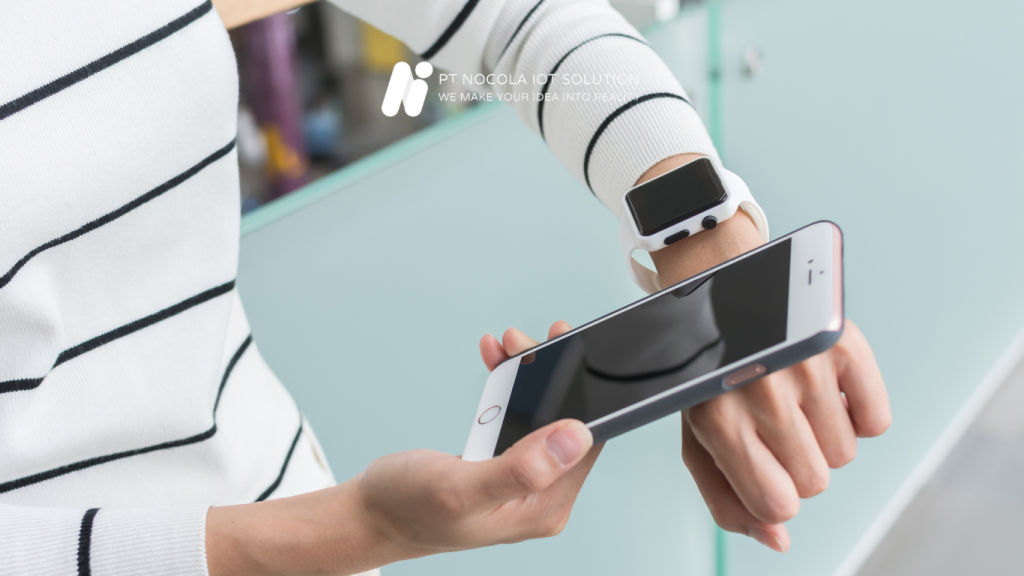
To understand how wearable devices function, let’s look at the stages they go through:
  1. Sensors Detect Body Activity
    Sensors like accelerometers, gyroscopes, and optical heart sensors capture body data.
  2. Data Processed in the Device
    Initial processing occurs in the device’s chipset, such as counting steps or heartbeats.
  3. Transmission to Smartphones or Cloud
    Data is sent to applications via Bluetooth or WiFi.
  4. Data Analysis and Visualization
    Applications display graphs, statistics, and notifications to the user.
  5. Personalization and Recommendations
    The system provides suggestions, such as “You need more sleep” or “Time to move.”

Benefits of IoT Wearable Devices in Daily Life

Benefits of Wearables

IoT wearable devices have become an integral part of modern life. Here are their key benefits:

1. Real-Time Health Monitoring

Wearables assist in monitoring:

  • Heart rates
  • Oxygen saturation (SpO2)
  • Sleep patterns
  • Stress levels and calories burned

2. Boosting Productivity

Wearables provide:

  • Notifications for emails and messages directly to the device
  • Schedule reminders and vibrating alarms
  • Voice assistants like Siri or Google Assistant

3. Promoting a Healthy Lifestyle

These devices offer motivation through:

  • Daily exercise challenges
  • Step count targets
  • Alerts for prolonged sitting

4. User Safety

Features including:

  • SOS functions that send location during emergencies
  • Tracking positions for children or the elderly
  • Smartwatches with automatic fall detection

Conclusion

IoT wearable devices are an inseparable part of modern life. Devices such as smartwatches, smart glasses, and smart clothing are no longer just accessories but vital tools for health, productivity, and safety.

With IoT technology, all data can be collected, analyzed, and used to make life easier, healthier, and more efficient. Although challenges like privacy and data security remain, the future of wearable devices is bright and filled with potential.

Leave a Reply

Your email address will not be published. Required fields are marked *

×

Talk with our support

× Hi. there