Physical Address
304 North Cardinal St.
Dorchester Center, MA 02124
Physical Address
304 North Cardinal St.
Dorchester Center, MA 02124
Mangroves are natural guardians of coastlines that play a vital role in protecting coastal areas from erosion, storms, and flooding. Additionally, mangrove forests absorb large amounts of carbon, provide habitat for various species, and support the livelihoods of coastal communities.
However, pressures from development, pollution, and climate change have led to widespread degradation of this ecosystem. Therefore, mangrove conservation cannot be done haphazardly. A data-driven and technology-based approach is needed, one of which is the use of a Water Quality Monitoring System (WQMS).
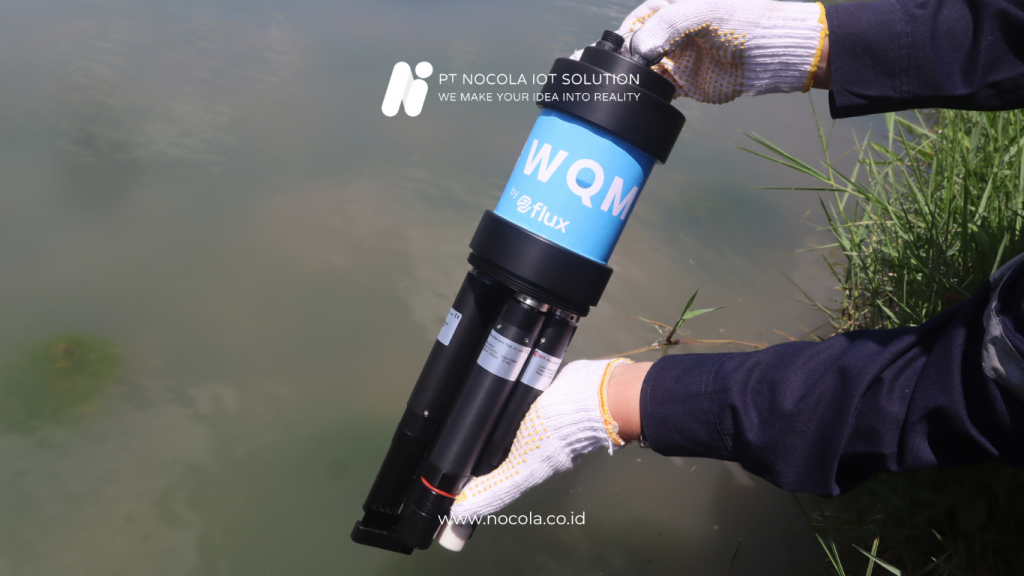
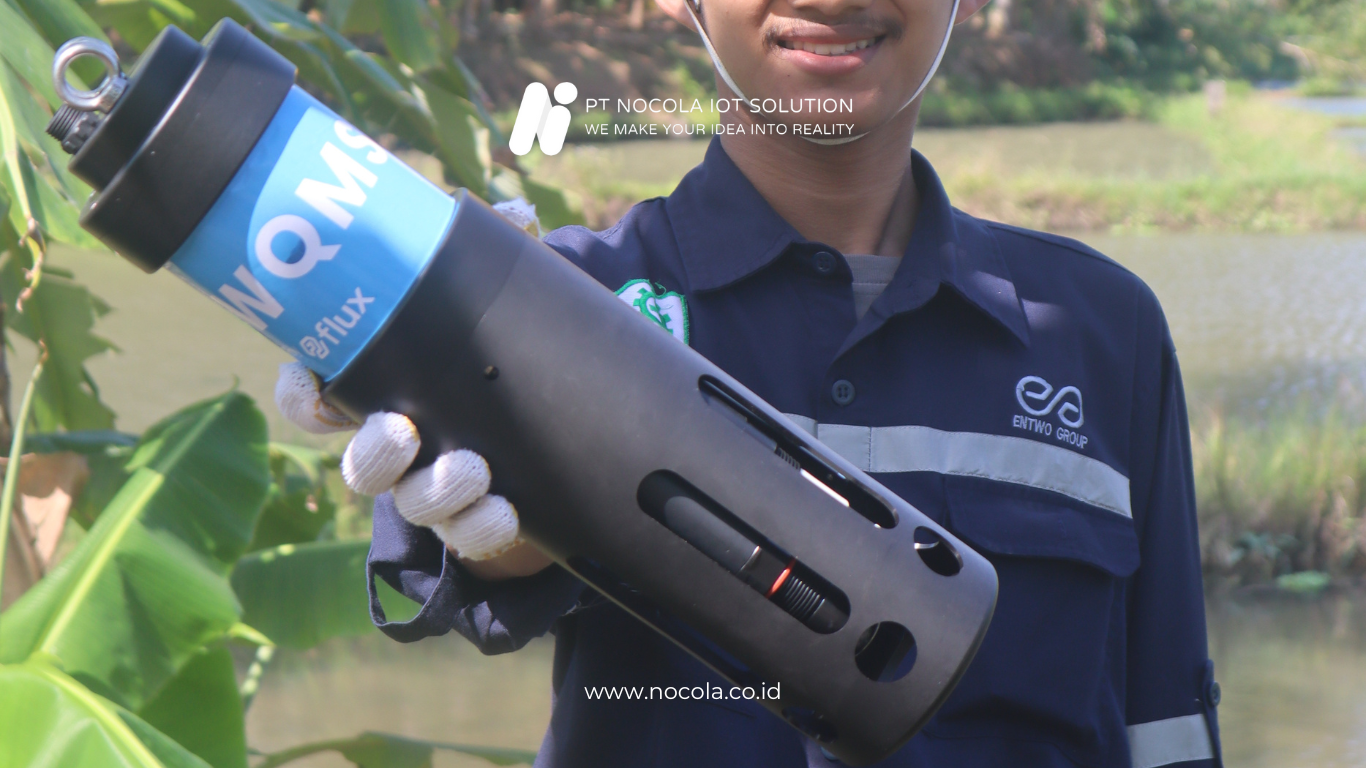
The Water Quality Monitoring System (WQMS) is a sensor and IoT-based technology designed to measure water quality parameters in real-time. This system can monitor water temperature, pH, salinity, dissolved oxygen (DO) levels, and other chemicals that may pollute the environment.
In the context of mangrove conservation, WQMS becomes an essential tool for understanding water environmental conditions and identifying threats to mangrove habitats.
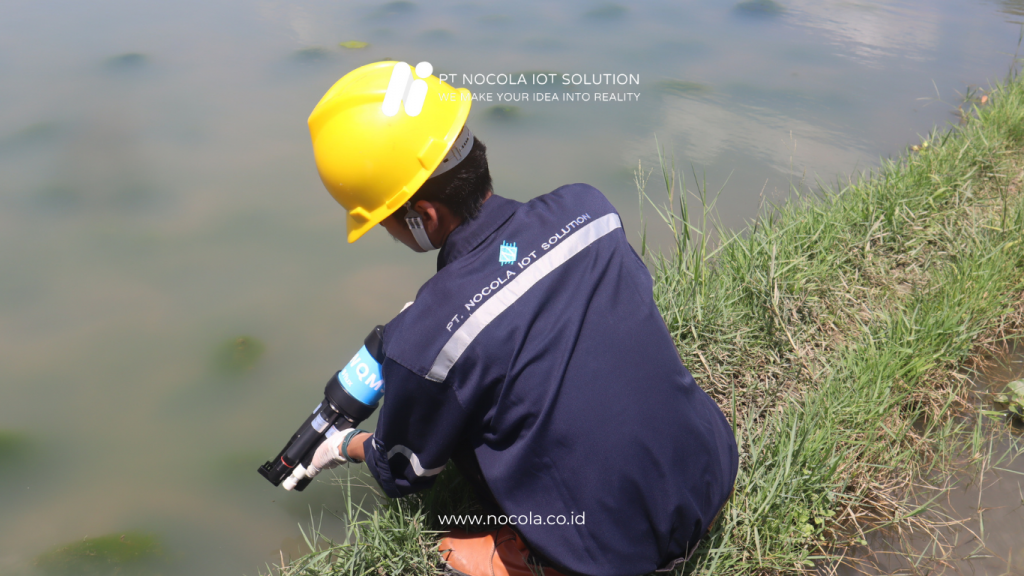
Environmental research in mangrove areas traditionally relies on manual methods, such as water sampling followed by lab analysis. This method has several drawbacks:
WQMS offers a solution to these constraints by providing continuous data that can be monitored remotely.
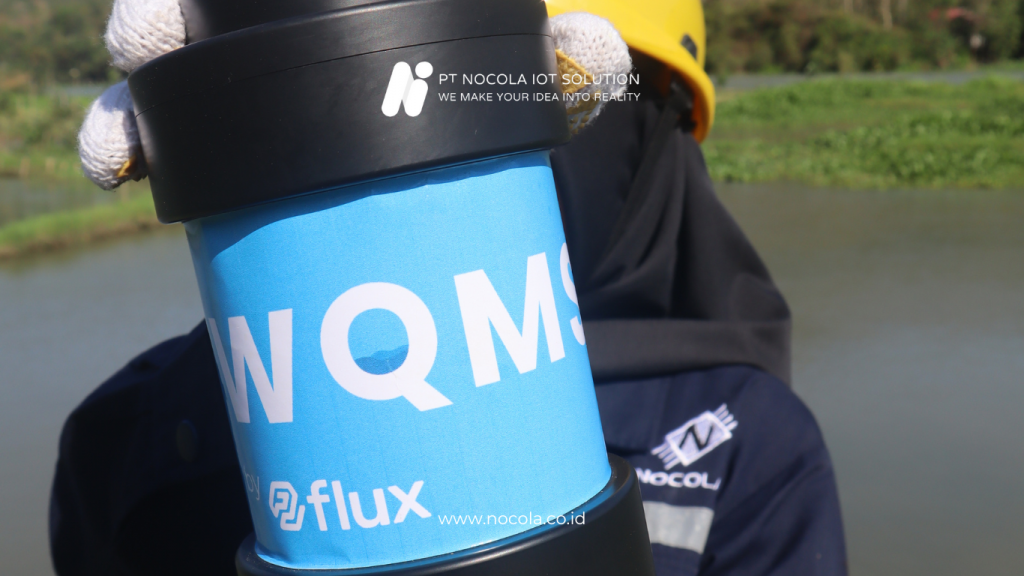
WQMS provides constant and real-time data, helping researchers and stakeholders observe trends in water quality changes. For example, drastic changes in salinity or DO levels can be promptly identified and addressed before they significantly impact the mangrove ecosystem.
With continuous monitoring, WQMS allows for early detection of pollution from industrial waste, agriculture, or other human activities. This is essential for preventing further damage to the mangrove ecosystem.
Data from WQMS can be used by government and conservation organizations to develop more targeted policies. Decisions such as area closures, mangrove replanting, or prohibiting certain activities can be supported by valid scientific data.
The WQMS technology can be connected to a publicly accessible dashboard, raising awareness and community participation in maintaining environmental quality. This also encourages transparency in the implementation of conservation programs.
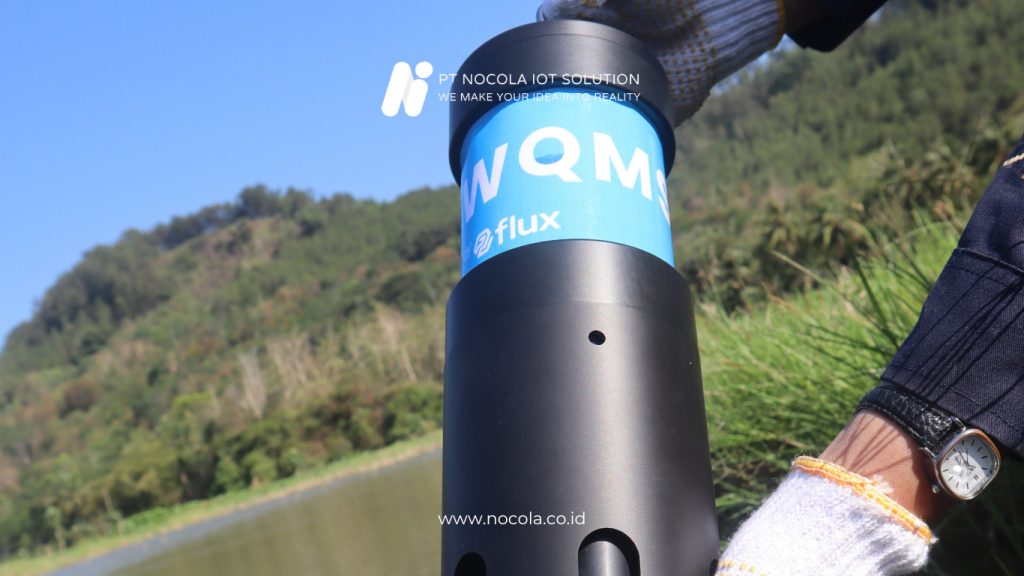
WQMS is equipped with various sensors that measure parameters such as:
The collected data is transmitted via IoT networks to a cloud-based server. Users can access data through a dashboard that displays graphs, early warnings, and monitoring history.
The WQMS system is typically supported by solar panels and 4G or LoRa networks to address energy and signal limitations in remote areas.
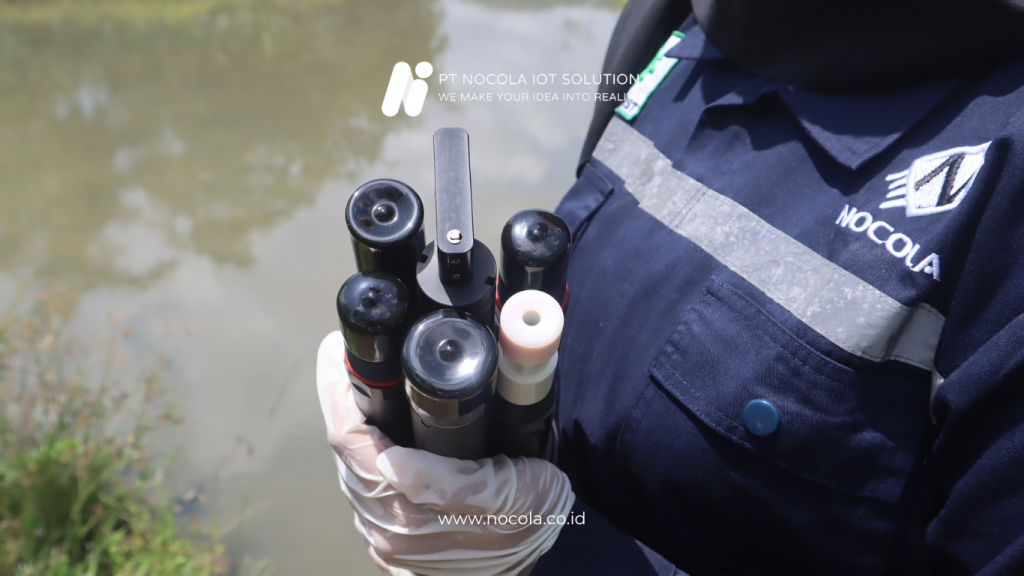
WQMS enables longitudinal research on water conditions and changes in the mangrove ecosystem over the years.
Data from WQMS can be accessed by various parties: academics, local governments, environmental NGOs, and the general public.
Although the initial investment in WQMS is relatively high, its long-term operational costs are lower compared to manual methods that require extensive resources.
Big data from WQMS opens opportunities to utilize advanced analytical technologies such as machine learning for predicting pollution trends or rehabilitation success.
Mangrove forest conservation does not solely rely on preservation enthusiasm but also on the use of technologies that can provide objective and accurate data. The Water Quality Monitoring System (WQMS) is a modern solution in environmental research and conservation, particularly in mangrove ecosystems.
Through real-time data and early detection capabilities, WQMS supports informed decision-making, increases community awareness, and helps restore and protect increasingly threatened coastal areas. With the utilization of this technology, the future of mangrove ecosystems can be preserved for generations to come.

