Physical Address
304 North Cardinal St.
Dorchester Center, MA 02124
Physical Address
304 North Cardinal St.
Dorchester Center, MA 02124

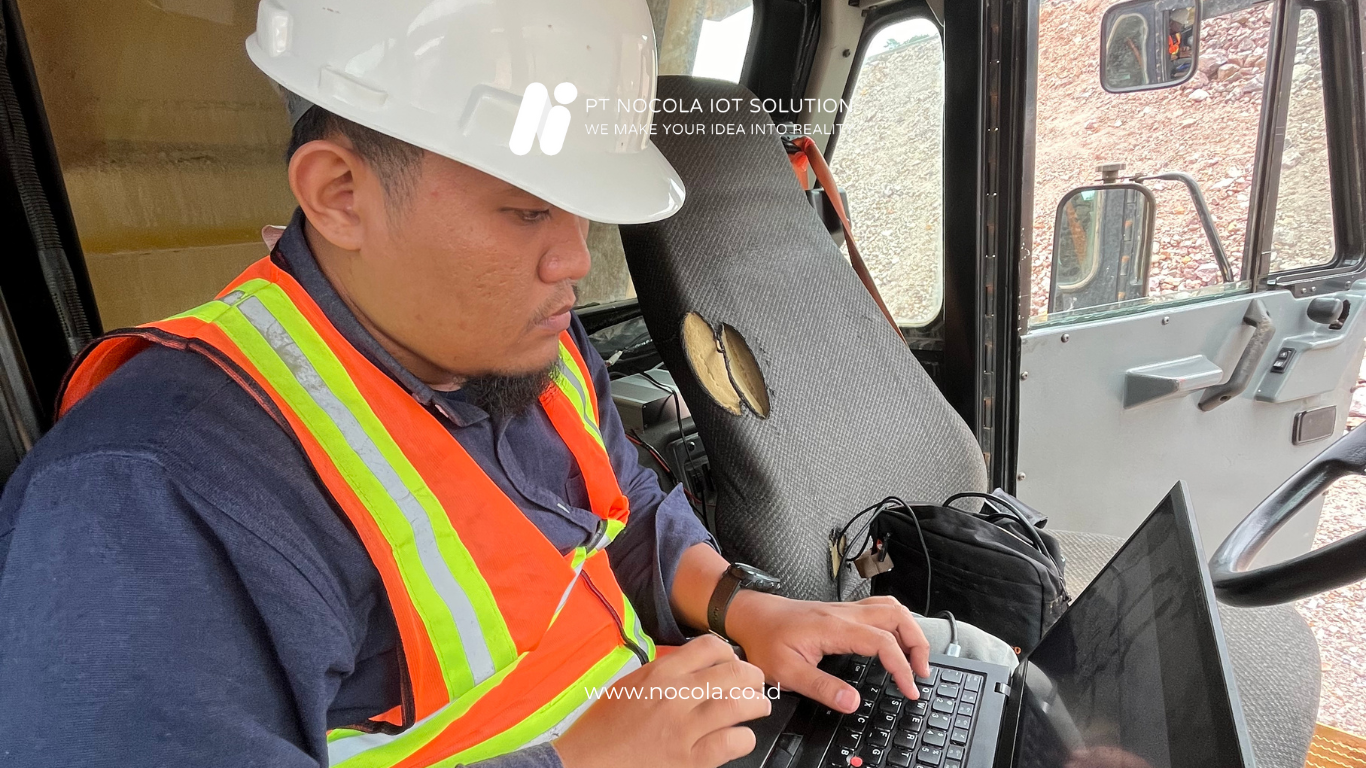
The mining industry is known as one of the highest-risk sectors. The high rate of workplace accidents, extreme environmental conditions, and heavy work pressures pose serious challenges for workers. Amidst operational complexities, fatigue has become one of the main causes of accidents in the field. Therefore, an adaptive and technology-based safety system is essential.
Read Also: Fatigue Monitoring: A Technology Solution to Prevent Fatigue in the Workplace
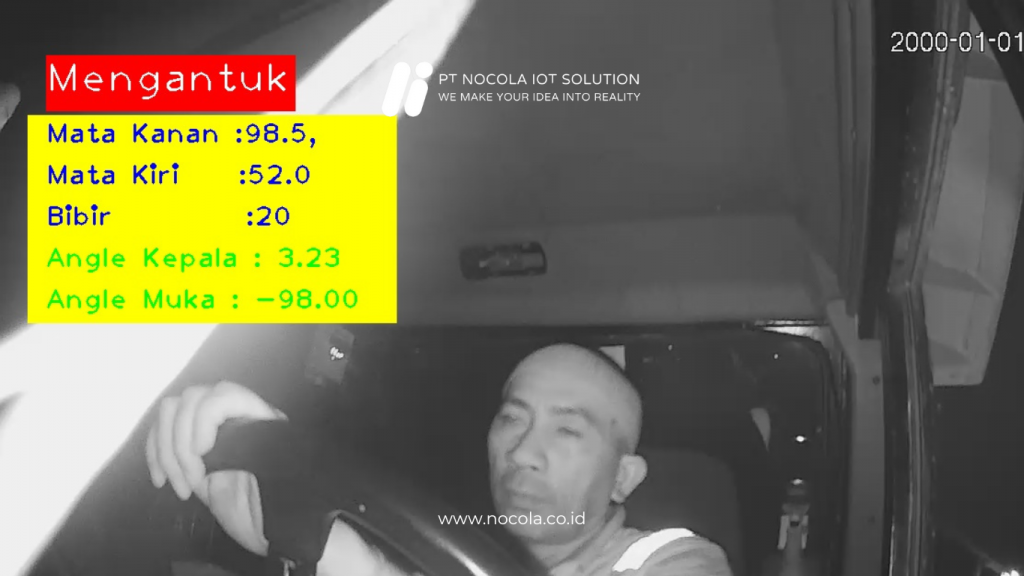
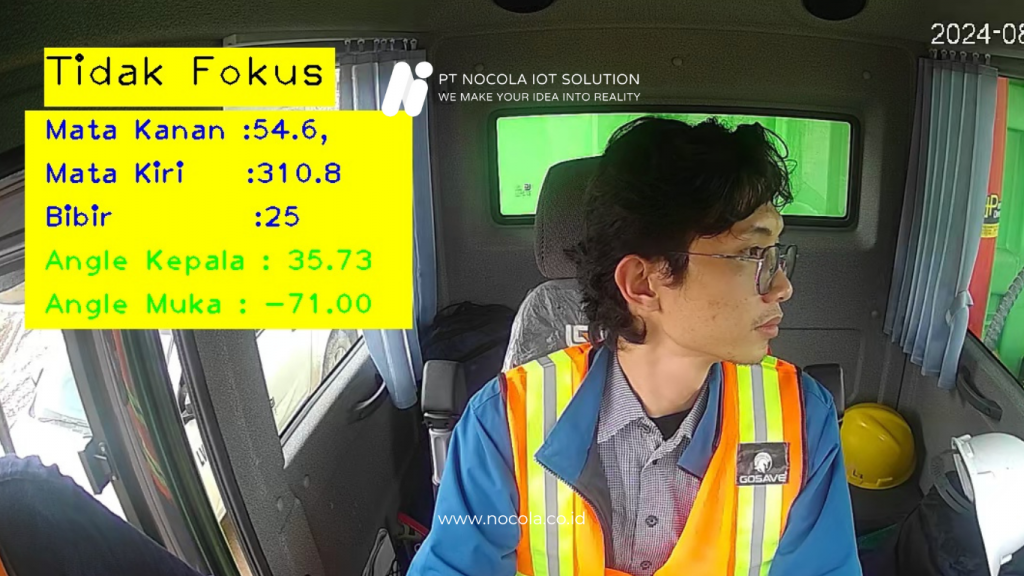
One of the cutting-edge solutions adopted by mining companies in Sulawesi is the Fatigue Monitoring System. This system uses sensors installed on helmets or operational vehicles to monitor signs of worker fatigue in real time. Indicators such as blinking, heart rate, and body posture are key data analyzed using AI (Artificial Intelligence)-based algorithms.
This technology helps management to:
With this system, the risk level can be significantly reduced while maintaining productivity.
In addition to fatigue monitoring, the Worker Tracking System is also an important pillar in modern workplace safety systems. This technology relies on GPS, Bluetooth Low Energy (BLE), and RFID to accurately monitor the movements and locations of each worker in the mining area, even in underground environments with minimal signal.
The main benefits of the Worker Tracking System in the Sulawesi mines include:
The implementation of this system is highly relevant in Sulawesi, which has vast mines and challenges related to geography.
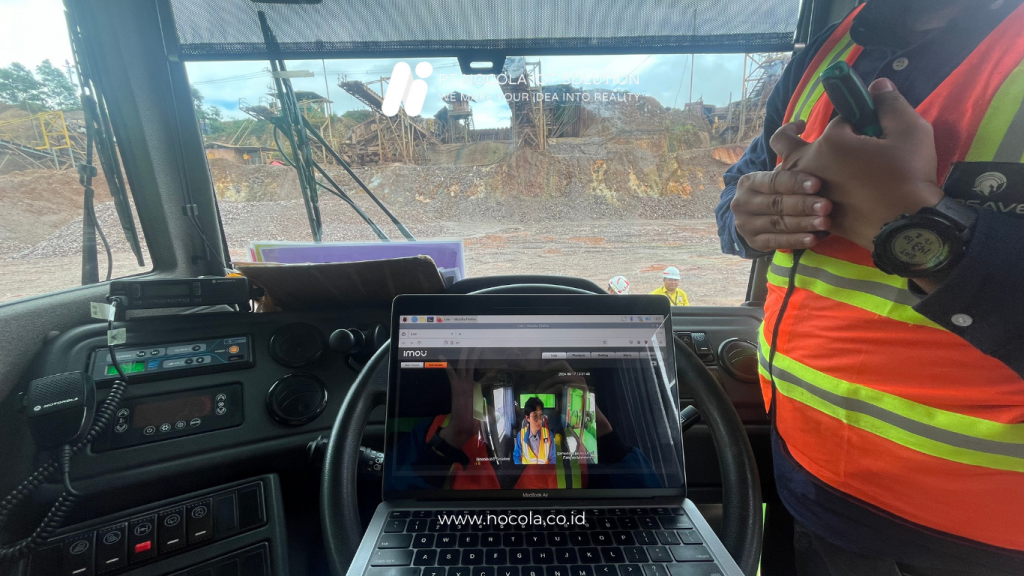
Fatigue & Worker Tracking technologies do not stand alone. Both are part of an integrated IoT (Internet of Things) ecosystem connected to monitoring dashboards, ERP systems, and mobile applications. Some additional features that support the efficiency of these systems include:
In the future, this technology can be expanded to other mining fields such as exploration, transportation, and processing of mineral resources.
The Fatigue & Worker Tracking System is not just an additional technology; it represents a real revolution in mining workplace safety, especially in areas like Sulawesi with complex operational terrains. By implementing this technology:
Investing in this safety technology is a strategic step that not only protects workers but also ensures operational continuity and productivity in mining operations.

