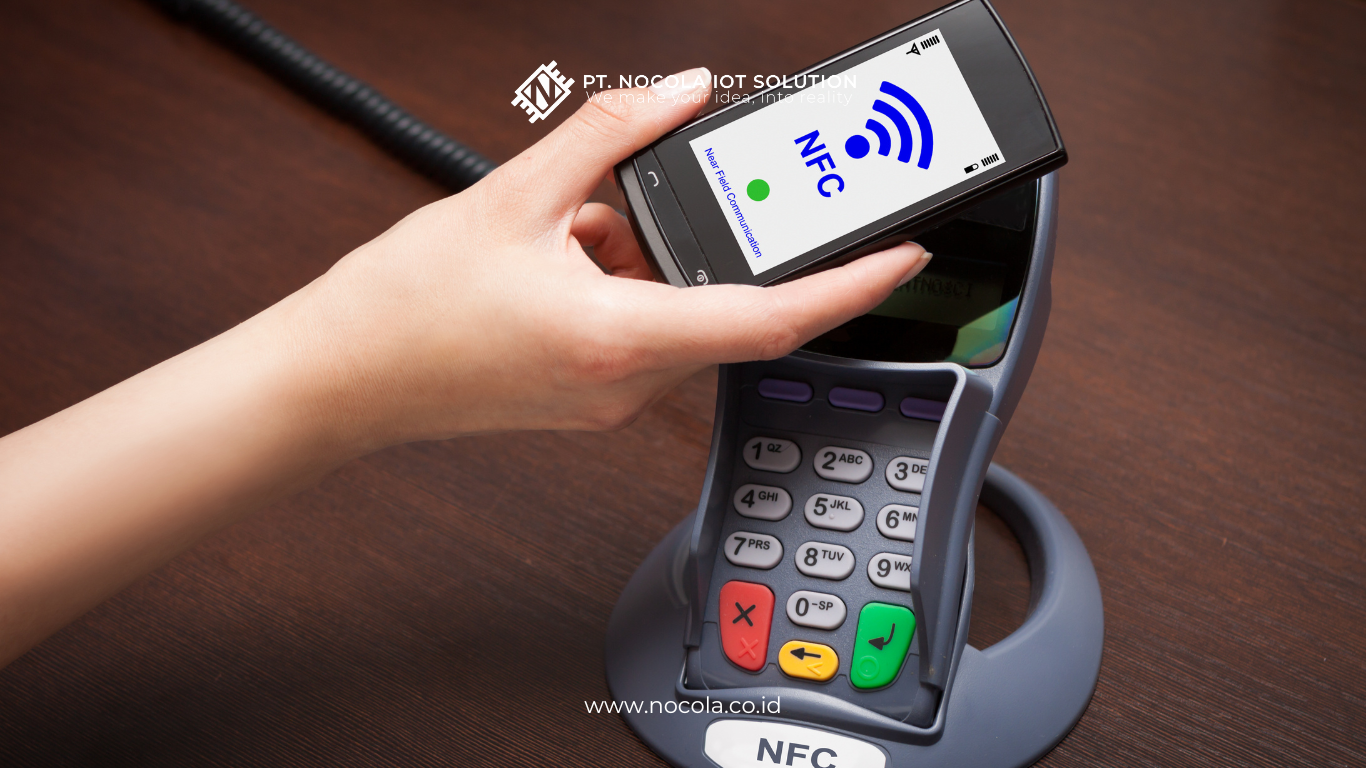
NFC Technology: Connecting Devices by Touch

Technology advances rapidly, introducing various innovations that make life easier for people. One such innovation is Near Field Communication, or NFC. This technology enables devices like smartphones, smartwatches, and smart cards to interact with each other through touch or by bringing the devices close together. NFC has become increasingly popular, especially in cashless payment transactions, data transfer, and even in the security sector. This article will delve deeper into what NFC is, how it works, its advantages and disadvantages, and its applications in daily life, further establishing its position as the technology of the future.
What is NFC Technology?

Read More: Delman.io and Nocola Partner Up for Webinar “Empowering Your Data Journey: From Real-Time Acquisition to Insightful Analytics”

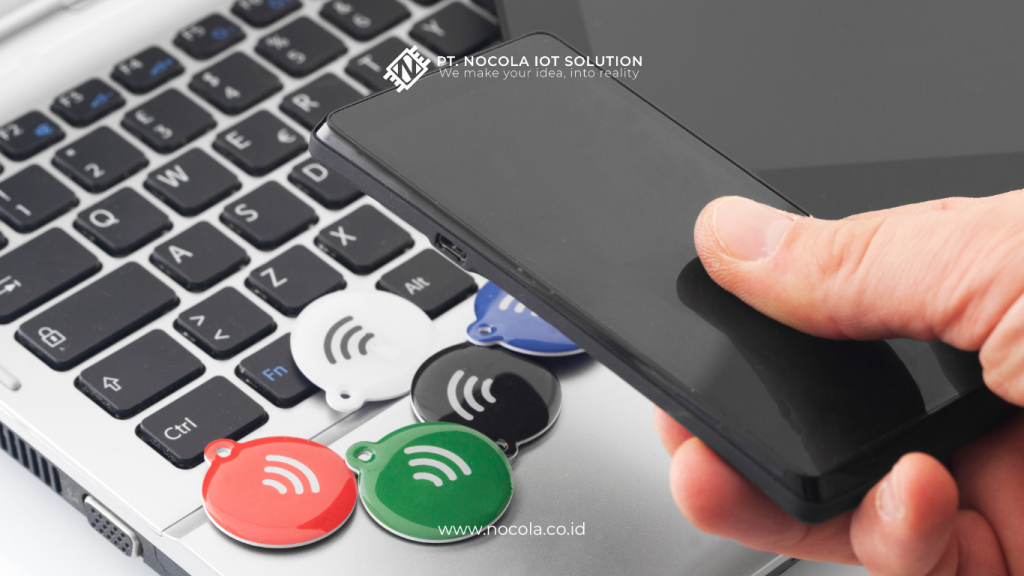
Near Field Communication (NFC) is a high-frequency wireless communication technology that allows electronic devices to exchange data over short distances, typically no more than 4 cm. NFC is an advancement of RFID (Radio Frequency Identification) technology, operating at a frequency of 13.56 MHz. Despite its simplicity, NFC offers speed and convenience in data transfer, making it suitable for various modern applications, from digital payments to access control.

NFC technology enables communication between two active devices, such as smartphone-to-smartphone, or between an active and passive device, like a smartphone and an access card. One of its main advantages is the ability to operate without an internet connection, making it a fast and secure choice for a variety of applications.
How NFC Technology Works

Read More: Fluxcloud Nocola: IoT Data Storage and Management Solution for Business

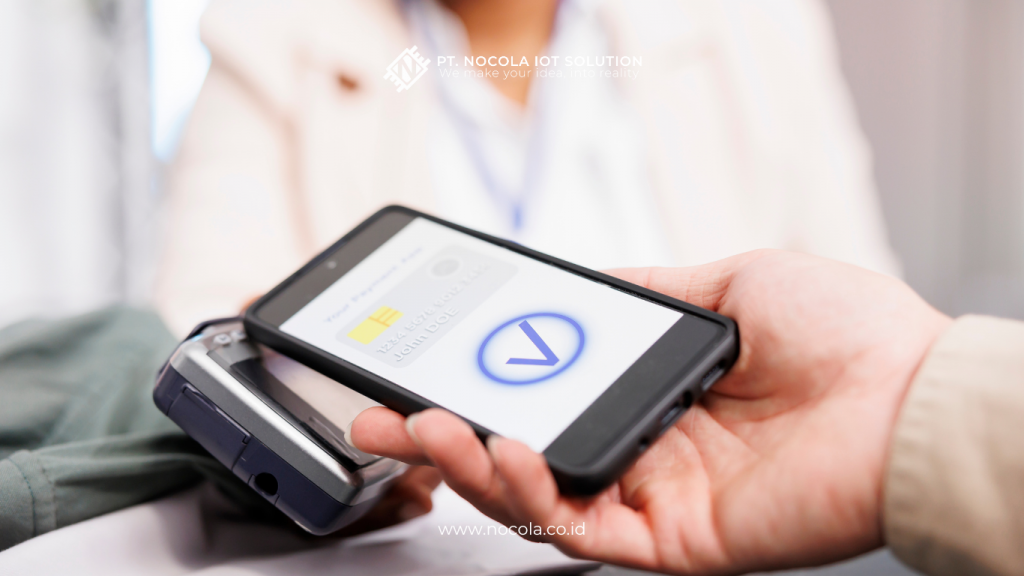
NFC works by using an electromagnetic field created when two devices come close to each other. NFC communication operates in three modes:

  1. Peer-to-Peer Mode: In this mode, two NFC devices can exchange information. A common example is two smartphones touching to share contacts, photos, or other data.
  2. Read/Write Mode: This mode allows one device to read or write data on another device. For instance, a smartphone reading information from an advertisement poster embedded with an NFC tag.
  3. Card Emulation Mode: In this mode, the device acts as an NFC card, like a credit card or access card. This mode is commonly used in payment applications such as Google Pay and Apple Pay.

Because NFC operates over a very short distance, the risk of data interception is lower compared to other wireless technologies like Bluetooth, making it a secure and reliable technology for applications requiring privacy and security.
Advantages of NFC Technology

Read More: Fluxcloud Nocola: IoT Data Storage and Management Solution for Business
  1. Ease of Use
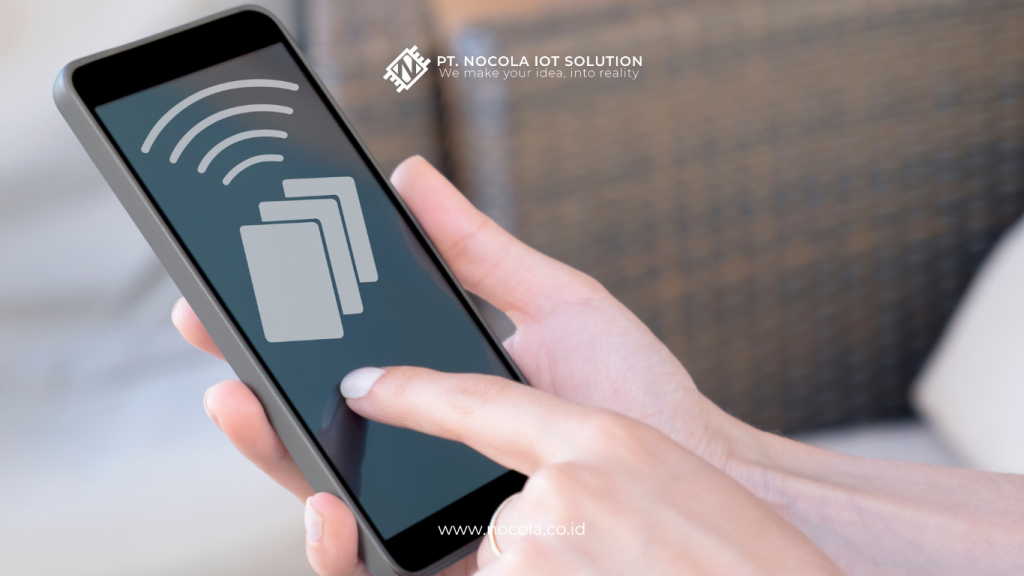
    NFC is very easy to use as it only requires bringing devices close or touching them. This makes NFC an ideal choice for quick transactions, such as payments or entry to buildings.
  2. High Security
    NFC offers high security because it works at a very short range, significantly reducing data interception risks.
  3. No Internet Needed
    Unlike many other technologies, NFC does not require an internet connection to function, allowing for transactions or data transfer anytime and anywhere, even without a network.
  4. Low Power Consumption
    NFC requires very little power to function. In many cases, passive NFC tags do not require power as they are powered by the active reading device.
  5. Fast Transactions
    Transactions with NFC occur almost instantaneously, minimizing wait times for users. This speed is a key reason NFC is widely adopted in retail and payment industries.

Disadvantages of NFC Technology

Read More: Benefits of Water Quality Monitoring System (WQMS) in Water Resource Management
  1. Limited Range
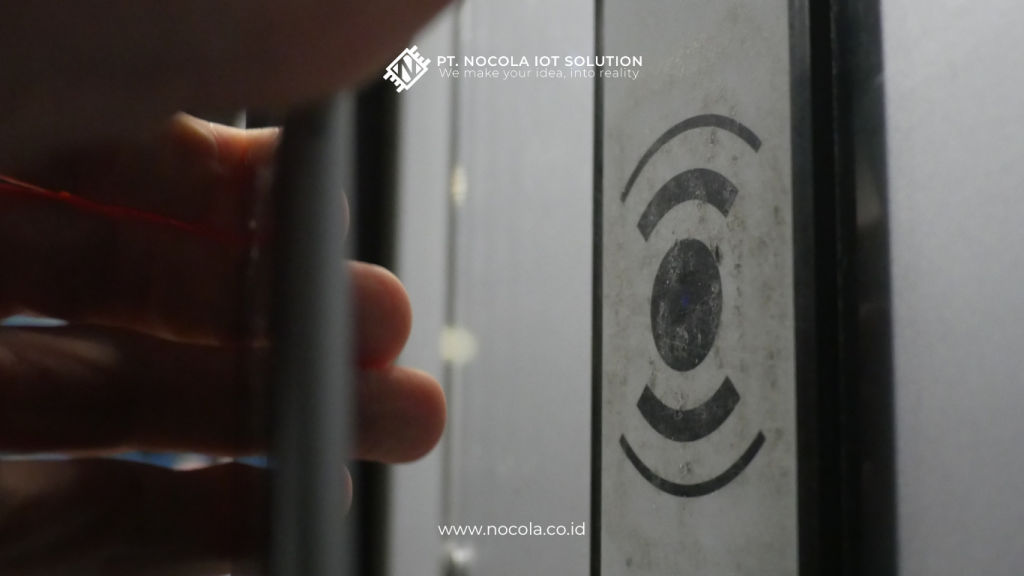
    While advantageous for security, NFC’s short range can be a limitation in some situations, making it unsuitable for long-distance data transfer.
  2. Data Speed Limitations
    NFC’s data transfer speed is relatively low compared to technologies like Bluetooth or Wi-Fi, making it less ideal for sending large files.
  3. Not Supported by All Devices
    Although many modern devices support NFC, some older or budget-friendly devices may lack this feature.

Applications of NFC in Everyday Life

Read More: Unlimited Connectivity with Fluxconnect Nocola for IoT-Based Businesses

As a simple, fast, and secure technology, NFC has numerous applications in various aspects of life. Some of its most common applications include:

  1. Contactless Payments
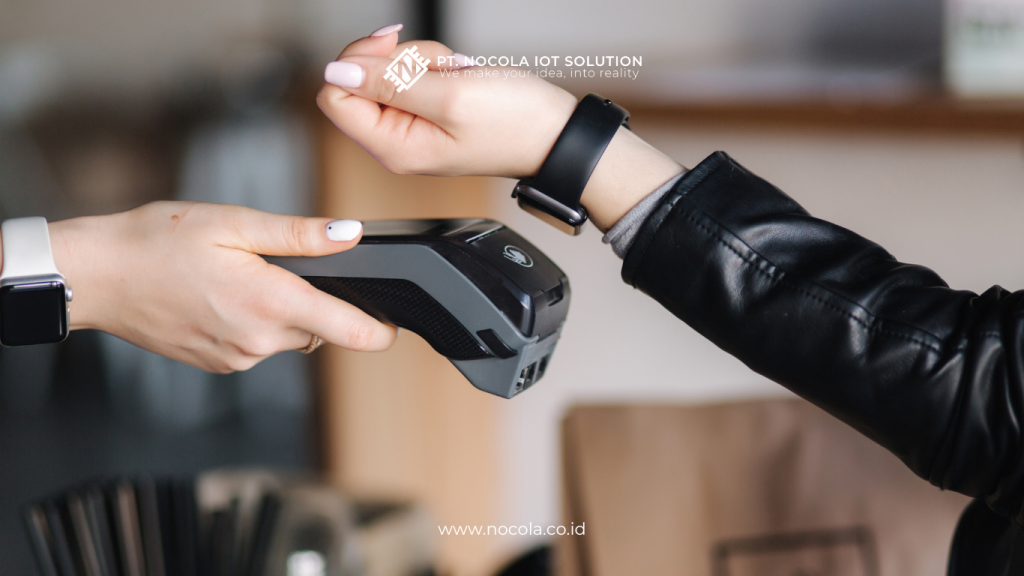
    In today’s cashless world, NFC is the technology behind payment applications such as Google Pay, Apple Pay, and Samsung Pay, enabling transactions with a simple touch or tap.
  2. Access Control
    NFC is also widely used in access control systems for buildings, hotels, and other facilities, where employees or guests can simply tap their cards or smartphones for entry.
  3. Data Transfer
    With NFC, users can quickly transfer data like contacts, photos, and other information between two NFC-enabled devices.
  4. Marketing and Information Sharing
    Marketers often use NFC tags embedded in posters or products to provide additional information or special promotions, allowing users to access relevant content by tapping their devices on these tags.

Conclusion

Near Field Communication (NFC) has changed the way we perform various daily tasks, from making payments to accessing information and sharing data. Its advantages, such as ease of use, high security, and low power consumption, have made NFC popular in many industries. However, like any technology, it has its limitations, particularly in range and data speed. Nonetheless, with the continuous development and refinement of this technology, NFC remains one of the most promising innovations for supporting the future of cashless transactions, secure access, and seamless data sharing.

Leave a Reply

Your email address will not be published. Required fields are marked *

×

Talk with our support

× Hi. there