Physical Address
304 North Cardinal St.
Dorchester Center, MA 02124
Physical Address
304 North Cardinal St.
Dorchester Center, MA 02124

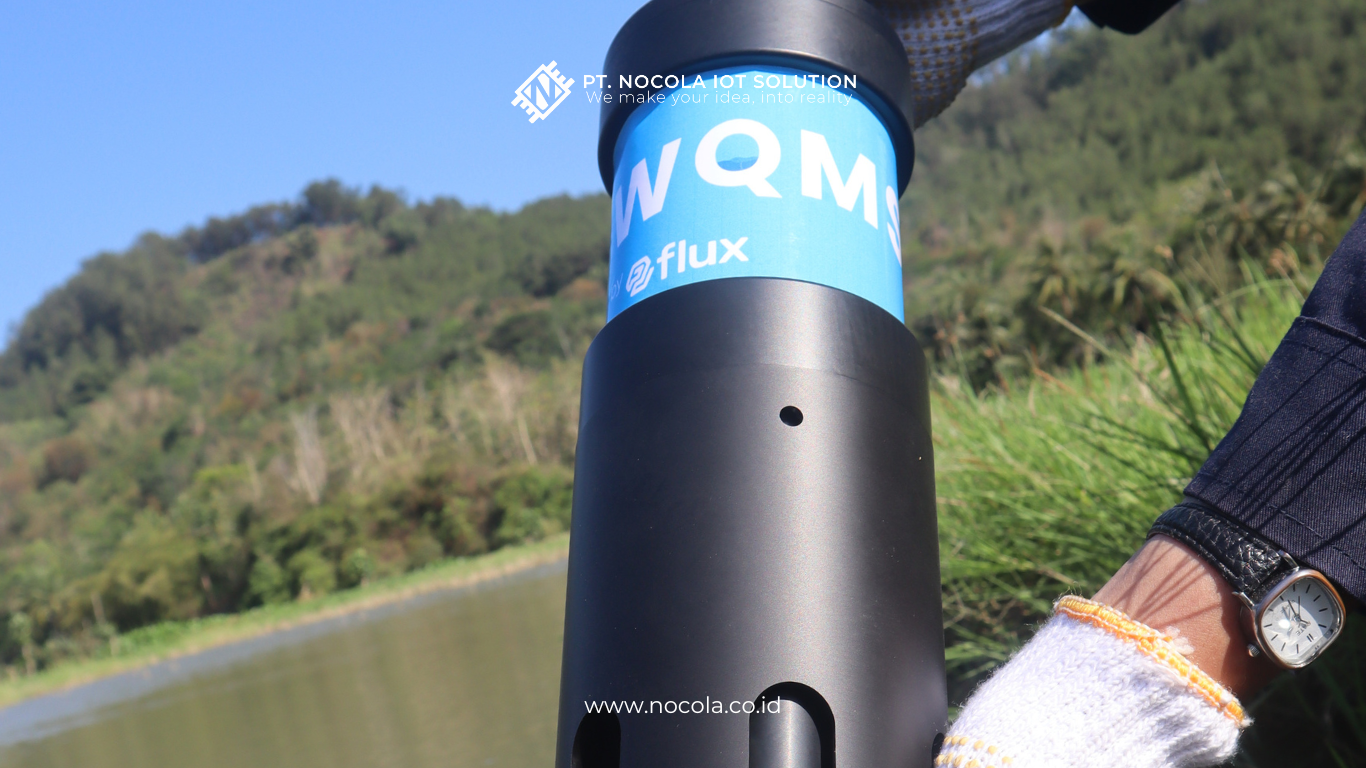
In today’s digital era, technology integration is key for companies seeking to enhance operational efficiency and decision-making. One of the most powerful combinations is the integration of the Internet of Things (IoT) and Enterprise Resource Planning (ERP) systems. Nocola, a leading IoT solution provider, offers opportunities to optimize business processes through IoT and ERP system integration. This article will explain how this integration can improve efficiency, transparency, and better decision-making across various industries.
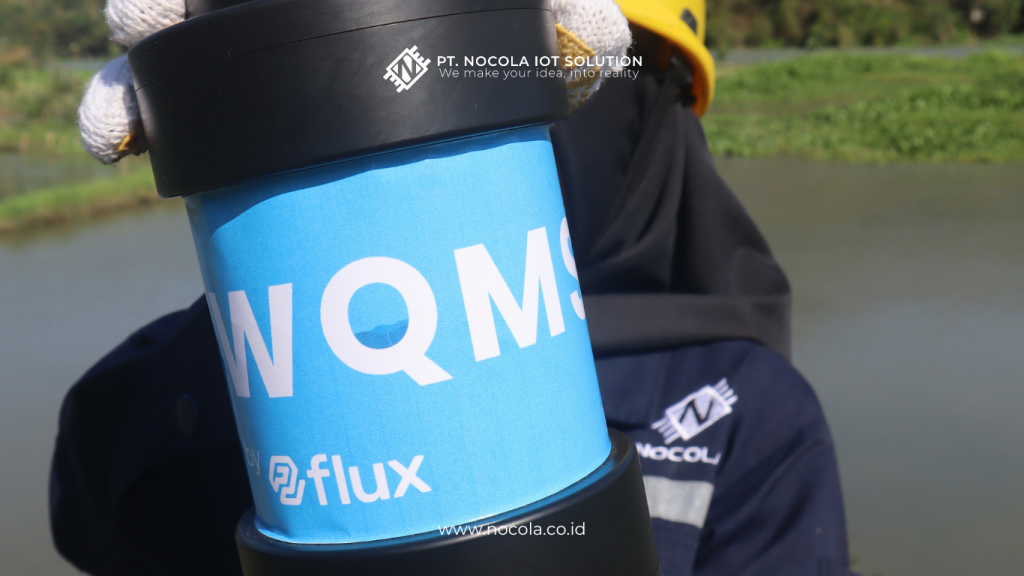
Read More: Shaping the Future of Industry with Nocola’s Integrated IoT Solutions
Internet of Things (IoT) is a network of physical devices connected to the internet, enabling real-time data collection, exchange, and analysis. With IoT, sensors and devices can monitor environmental conditions, machine performance, and user behavior, providing valuable insights that companies can use to improve operations.
Enterprise Resource Planning (ERP) systems are business management software that integrates various operational processes within a company, such as finance, production, inventory, payroll, and more. ERP helps companies better plan, manage, and monitor their resources.
When IoT is integrated with ERP, real-time data from IoT devices can be sent directly to the ERP system, creating a more efficient and transparent ecosystem.
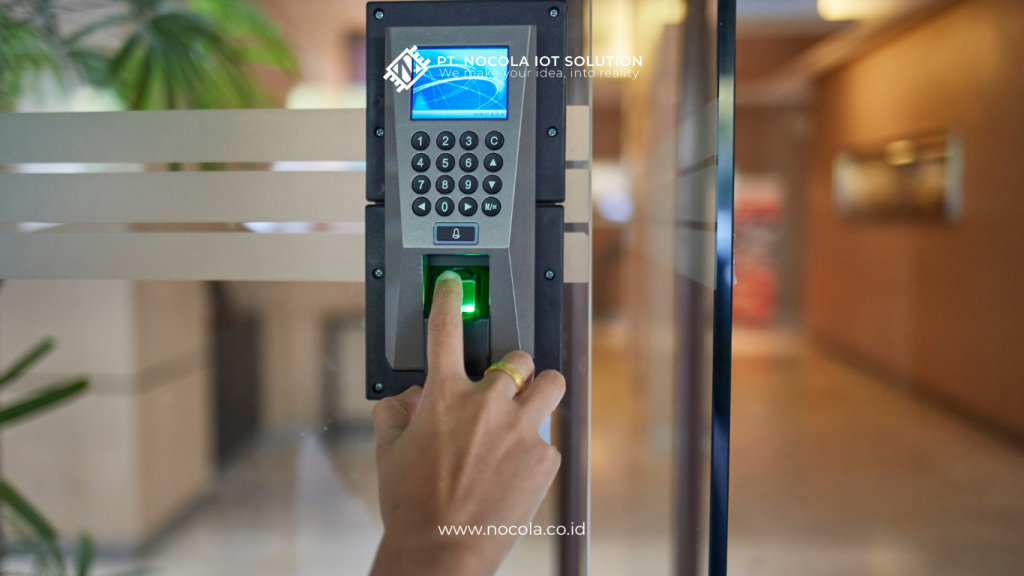
Read More: How to Choose the Right ERP System for Manufacturing Industries
The integration of IoT with ERP provides numerous advantages for companies, particularly in terms of operations and decision-making. Here are some key benefits that can be achieved through this integration:
By integrating IoT into ERP systems, companies can collect real-time data from various sources, such as production machines, field devices, or distributed products. This data is then processed in ERP to provide an overall view of the company’s performance. For example, IoT sensors can automatically monitor inventory status and send this information to the ERP, allowing companies to avoid stock shortages or surpluses.
Automation is one of the main benefits of integrating IoT with ERP. With IoT, many manual tasks can be replaced by sensors that operate without human intervention. For example, manufacturing companies can use IoT sensors to monitor their equipment, and the ERP system will immediately send notifications if there’s an issue. This reduces the need for manual inspections and speeds up repairs, saving time and money.
The integration of IoT and ERP allows for better monitoring and control of operations. Processes that previously took a long time can now be completed more quickly and efficiently. For example, IoT sensors on production machines can detect a decline in performance and immediately notify the relevant team through the ERP system, allowing the company to address issues early before they disrupt overall production.
The greatest advantage of this integration is improved decision-making. With real-time data accessible via ERP, managers can make faster, more informed decisions. Data from IoT devices provides deeper insights into operational conditions, enabling companies to respond better to market or environmental changes.
IoT enables more detailed and real-time tracking of assets and operations. The data collected from IoT is integrated into ERP, providing transparent access to every stage of the business process. For instance, logistics companies can use IoT sensors to track shipments, which are then synchronized with ERP to provide up-to-date information to all stakeholders.
Read More: Data Security in IoT Systems: How Nocola Ensures Customer Data Privacy and Security
The integration of IoT and ERP can be applied across various industry sectors, offering benefits that suit the specific needs of each industry. Here are some examples of this integration’s application:
In the manufacturing industry, IoT and ERP integration enables more efficient management of supply chains and production processes. IoT sensors can be used to monitor equipment and production processes, providing early warnings about breakdowns or maintenance needs. This data is then integrated into the ERP system, allowing companies to plan maintenance without disrupting production.
In the logistics sector, companies can utilize IoT to track their assets’ movement in real-time. This tracking data is integrated with ERP to provide accurate information on shipping status, inventory, and scheduling. This helps logistics companies improve delivery timeliness and reduce the risk of errors.
Modern agriculture also gains significant benefits from IoT and ERP integration. IoT sensors can be used to monitor soil conditions, humidity, and environmental temperatures, while this data is processed in ERP to help farmers optimize crop yields. With this system, farmers can make better decisions regarding irrigation, fertilization, and resource usage.
In the energy sector, companies can monitor energy consumption and equipment performance through IoT. This data is then analyzed in ERP to help companies manage their energy resources more efficiently and reduce waste.
By integrating IoT with ERP, companies can significantly improve their operational efficiency and decision-making. The real-time data collected through IoT sensors provides valuable insights that can be used to automate processes, optimize resources, and create transparency in the entire business process. For companies seeking to stay competitive in this era of digital transformation, the integration of IoT and ERP is an important step toward achieving better business performance.