Physical Address
304 North Cardinal St.
Dorchester Center, MA 02124
Physical Address
304 North Cardinal St.
Dorchester Center, MA 02124
Nocola has become one of the leaders in technological innovation, offering digital solutions and hardware to support various industries. Their focus includes emission monitoring technology, digital logging, and Internet of Things (IoT)—each aimed at enhancing efficiency, productivity, and sustainability. This article summarizes Nocola’s flagship products and recent technological advancements, as well as their impact on modern industries.
CEMS is one of Nocola’s biggest innovations. This system is designed to monitor gas emissions in real-time across various sectors, including energy, manufacturing, and transportation.
The adoption of CEMS by various companies has significantly reduced harmful gas emissions, positively impacting air quality and sustainability.
Digital Logsheet is designed to facilitate electronic recording of operational data. With this solution, companies can optimize information management and improve data accuracy.
Digital Logsheet speeds up decision-making processes and enhances operational transparency. With clear and accurate operational records, companies can better evaluate their performance.
WQMS is another solution from Nocola focused on monitoring water quality. This system is vital for companies operating in sectors related to water resources.
WQMS helps companies maintain clean and safe water resources, encouraging more responsible practices in resource management.
Nocola continues to invest in research and development to produce better and more efficient products. With a focus on sustainability, Nocola aims to create technologies that not only meet business needs but also provide significant environmental benefits.
One of Nocola’s key steps is integrating monitoring technologies, such as CEMS and WQMS, with Internet of Things (IoT). This enables automatic data collection from various connected sources, helping companies make faster, data-driven decisions.
Nocola collaborates with various sectors, including governments and environmental organizations, to develop sustainable solutions. This collaboration not only strengthens Nocola’s position as a leader in technological innovation but also enhances its impact on communities and the environment.

With integrated systems, companies can monitor and manage their operations more effectively. Accurate data helps identify areas for improvement and savings.
Companies using Nocola’s solutions tend to find it easier to meet institutional and regulatory requirements regarding environmental standards. The presence of accurate data aids in audits and reporting.
Nocola’s products contribute directly to the reduction of emissions and waste, generating a positive impact on the environment. This serves as a value addition for companies focused on sustainability.
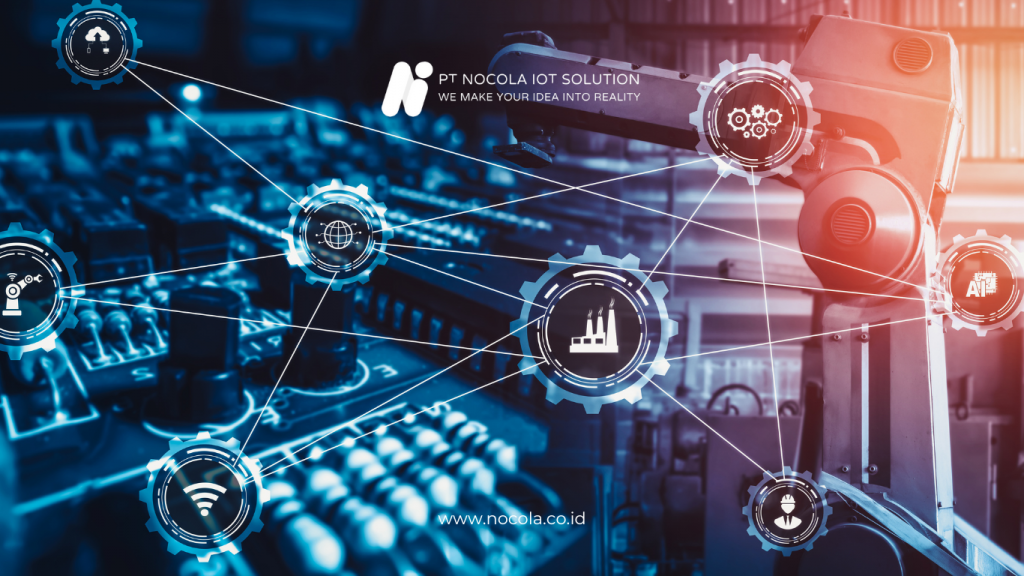
The application of Nocola’s technology in the energy sector provides better monitoring of emissions from power plants. With CEMS, energy companies can ensure they comply with environmental regulations.
In the manufacturing sector, Digital Logsheet enables more efficient and accurate recording of production processes. This enhances effectiveness and quality control of products.
The use of WQMS in agriculture helps monitor water quality for irrigation, ensuring that agricultural yields remain safe and of high quality.
In healthcare services, Nocola technology helps monitor water quality and ensure that the hospital environment remains clean and safe for patients.
Companies should meticulously plan the implementation of Nocola’s technology, including selecting suitable products and integration strategies.
Involving the entire team in the implementation process will enhance their understanding and acceptance of the new technology. Educating them about the benefits and functionality of the systems is key to successful adoption.
Once the technology is implemented, periodic monitoring is necessary to evaluate the effectiveness of the systems and the results achieved. Feedback from users will be invaluable for continuous improvement.
Nocola, through technologies such as CEMS, Digital Logsheet, and WQMS, offers innovative solutions to tackle challenges in emission and water quality management. With a systematic and sustainable approach, companies can improve operational efficiency, comply with regulations, and contribute to environmental protection.
Digital transformation through the implementation of these technologies is not just about adapting to change but about building a cleaner and more sustainable future. Let us all achieve success by leveraging the right technologies!

