Physical Address
304 North Cardinal St.
Dorchester Center, MA 02124
Physical Address
304 North Cardinal St.
Dorchester Center, MA 02124

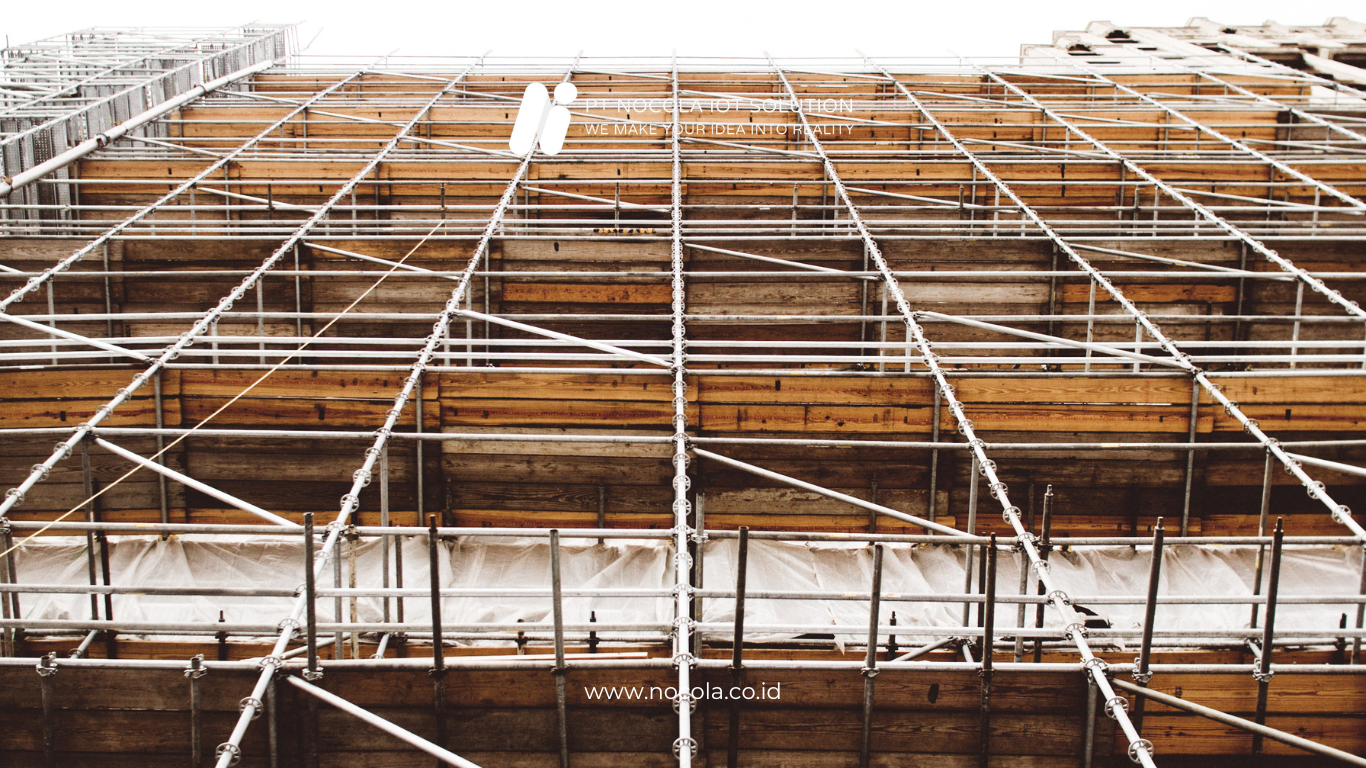
Structural damage to buildings, bridges, and infrastructure often occurs gradually and is not immediately visible. Small cracks, changes in vibrations, and declines in stability often go unnoticed. When these early signs are not detected, the risk of significant damage or even structural failures can increase significantly.
In the digital era, conventional approaches, such as periodic manual inspections, are no longer sufficient. The industry requires solutions that can monitor continuously, accurately, and in real-time. This is where Strulytic, based on IoT sensors, comes in as an innovative solution to prevent structural damage early.
This article will discuss in detail how Strulytic works, its benefits for various sectors, and its role in maintaining the safety and sustainability of infrastructure.
Also Read: Strulytic: Structural Analytics Technology that Prevents Damage Early
Before discussing the advantages of Strulytic, it is important to understand the various challenges that industries face in traditional structural monitoring.
Manual structural inspections have several key weaknesses, such as:
As a result, many damages are only detected when they are already serious.
Without adequate monitoring systems, structures are at risk of experiencing:
These risks not only affect assets but also human safety.

Strulytic is a structural health monitoring system that utilizes IoT sensors to monitor the condition of structures continuously. This system is designed to detect minor changes in structures before they develop into major damage.
Strulytic leverages IoT sensor technology to provide ongoing monitoring of structural conditions.
With Internet of Things (IoT) technology, sensors on Strulytic can:
This allows for remote monitoring without the need for constant physical inspections.
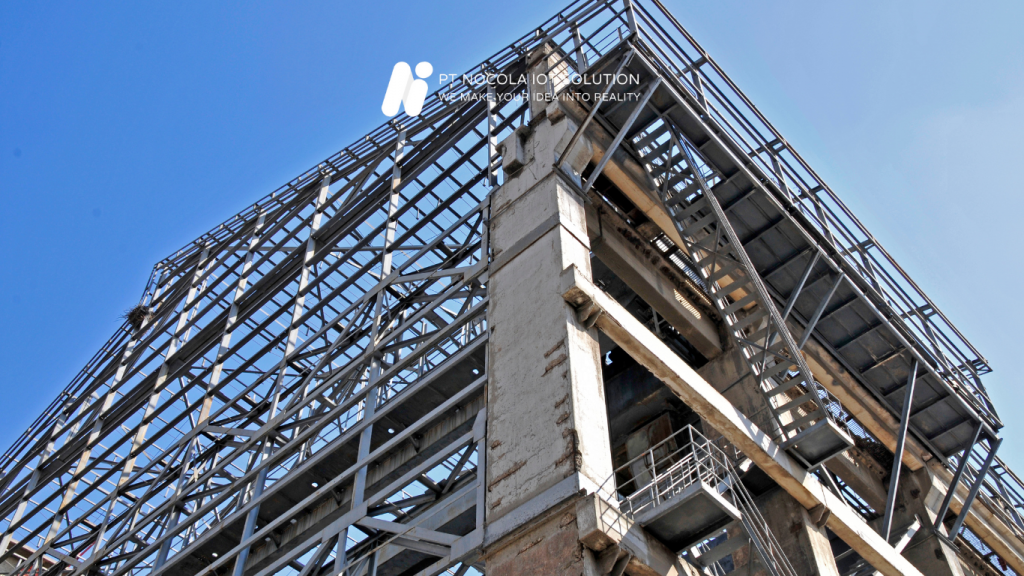
Vibration sensors are used to detect:
Small changes in vibrations often indicate early signs of damage.
These sensors monitor:
They are crucial for bridges, tall buildings, and critical infrastructure.
Environmental sensors help analyze the impact of:
This data is useful for understanding the environmental factors that influence the structure.

Strulytic sensors operate 24/7, continuously collecting structural condition data. There is no time lag that risks delays in detection.
Sensor data is sent to the cloud system via the IoT network, where it can be processed automatically.
Data is displayed on an easy-to-understand visual dashboard, complete with graphs and status indicators.
In the event of detected anomalies, Strulytic will provide:
This is key to preventing significant damage.
Strulytic is capable of detecting:
Early detection allows for repairs before damage escalates.
With condition-based maintenance, costs can be minimized because:
Real-time structural monitoring helps to:
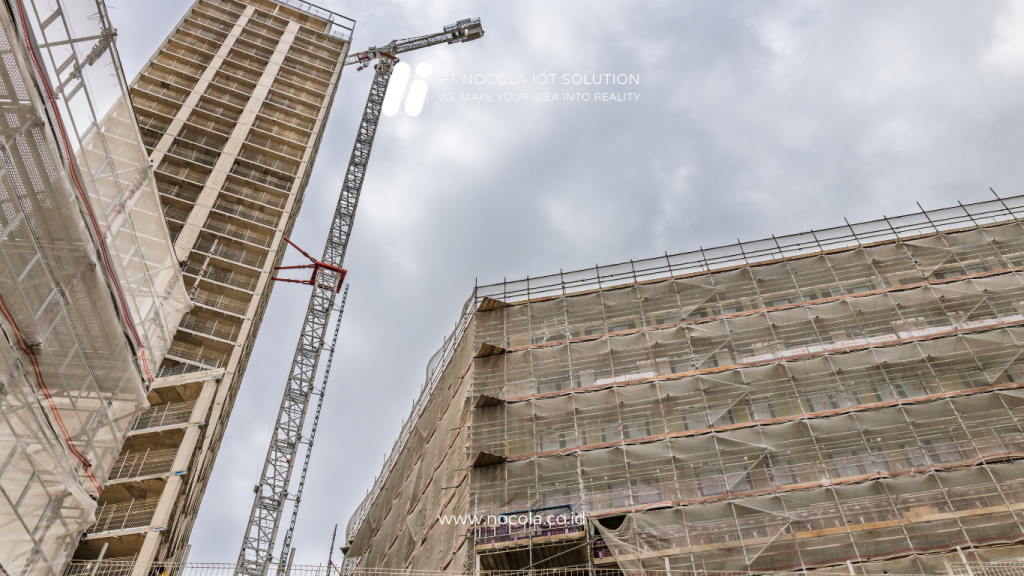
Strulytic helps building owners monitor:
In bridges and public infrastructure, Strulytic plays a role in:
For factories and energy facilities, Strulytic helps maintain:
IoT-based Strulytic is an effective solution for early detection of structural damage. With real-time monitoring, an early warning system, and continuous data analysis, Strulytic helps asset owners and infrastructure managers maintain safety, efficiency, and reliability.
In the face of increasing safety and sustainability demands, a preventive approach through Strulytic becomes a strategic step. This technology not only protects valuable assets but also ensures that infrastructure remains safe and operates optimally over the long term.

