Physical Address
304 North Cardinal St.
Dorchester Center, MA 02124
Physical Address
304 North Cardinal St.
Dorchester Center, MA 02124

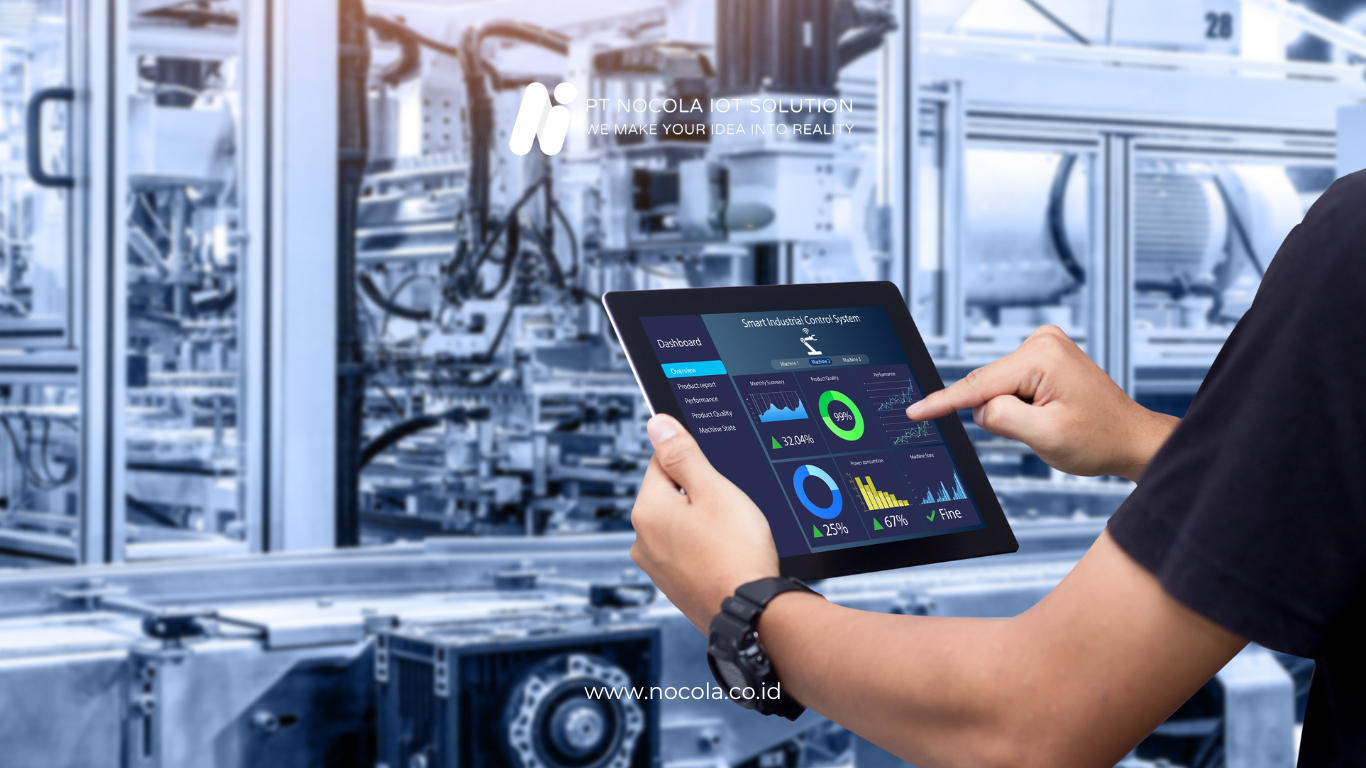
Human error remains one of the main causes of disruptions, inefficiencies, and even workplace accidents in industrial operations. Errors can manifest in various forms, including incorrect data recording, overlooking important procedures, and delays in responding to critical conditions on-site.
The causes of human error are varied. High workloads, complex processes, time pressures, and a lack of visibility into data often make it difficult for operators to work consistently. In many companies, operational processes still rely on manual record-keeping and verbal communication, increasing the likelihood of errors.
The impact of human error cannot be underestimated. Small mistakes in recording can trigger incorrect decisions, leading to financial losses, decreased product quality, or disruptions in the supply chain. Therefore, efforts to reduce operational human error have become an urgent necessity for modern industries.
Also Read: LogSheet Digital Nocola: Transforming Operational Recordkeeping
Manual systems are still widely used in daily operations, particularly in inspection, monitoring, and reporting activities. Although they seem simple, these systems have many limitations that contribute to high rates of human error.
Recording based on paper or manual spreadsheets relies heavily on individual accuracy. Writing errors, incomplete data entries, or delayed reports can often occur unnoticed. Additionally, the data verification process becomes more complicated as information is scattered across various documents and files.
Manual systems also cannot provide early warnings when anomalies occur. Operators must recognize changes in conditions on their own, which is not always easy in dynamic working situations. As a result, potential issues are often addressed too late.
These limitations make manual systems increasingly irrelevant for industries that require high speed and accuracy. Without changing the approach, the risk of errors will continue to recur and be difficult to manage.

Digital systems arise as solutions to significantly reduce human error. By leveraging technology, many operational processes can be standardized and automated, minimizing reliance on human memory and interpretation.
Digital record-keeping allows data to be entered directly into the system, complete with automatic validation. Input errors can be minimized through standard formats, value limitations, and notifications of any data inconsistencies.
Moreover, digital systems provide real-time data that can be accessed by various parties. Operators, supervisors, and management can see the same conditions simultaneously, reducing miscommunication and differences in perception.
With an integrated system, every operational activity is recorded chronologically. This facilitates audits, evaluations, and continuous improvements. Data accuracy increases, and trust in operational information is maintained.
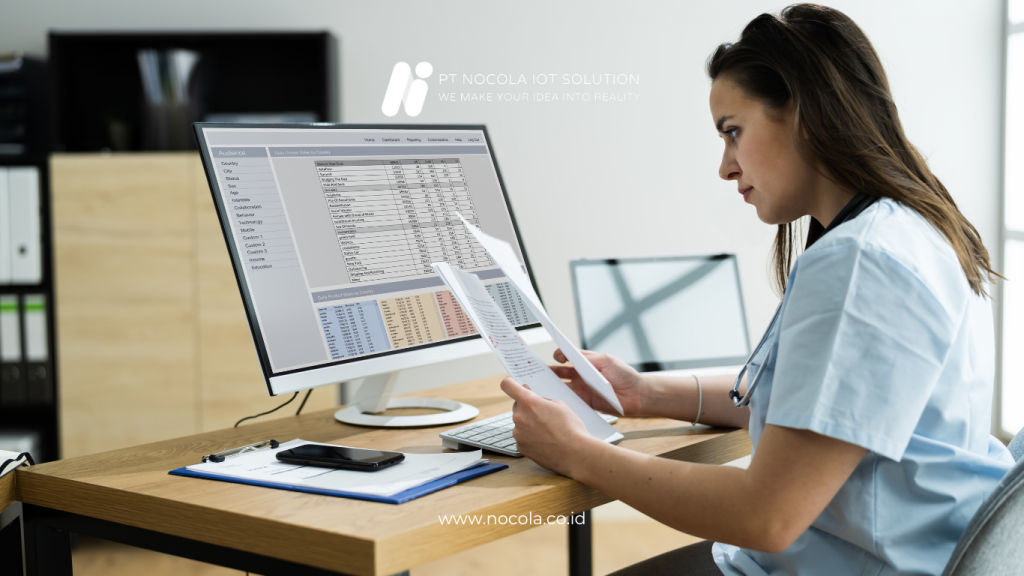
One of the main advantages of digital systems is their ability to automate and monitor in real-time. Automation helps reduce repetitive tasks that are prone to errors, while real-time monitoring provides immediate visibility into operational conditions.
With real-time monitoring, changes in conditions can be detected early. The system can send automatic alerts if certain parameters exceed normal limits, allowing operators to take corrective action before issues escalate.
Automation also plays a vital role in maintaining workflow consistency. Standard procedures can be applied systematically without relying on individual habits, greatly helping to maintain operational quality and safety.
The combination of automation and real-time monitoring creates a more controlled work environment. Human errors cannot be completely eliminated, but their impact can be significantly reduced with the support of appropriate digital systems.

Reducing operational human error is not only about technology but also about changing work culture. Digital systems help encourage the shift from assumption-based decision-making to a data-driven approach.
With accurate and easily accessible data, every decision can be made objectively. Operational teams no longer work based on approximations but rely on the actual information available in the system.
Digital systems also enhance transparency and accountability. Every activity is clearly recorded, making performance evaluations more objective. Industries can easily identify areas needing improvement and develop appropriate strategies.
Over time, a data-driven work culture will be naturally formed. Teams become more accustomed to relying on the system, following procedures, and utilizing technology for more effective and error-free work.
Human error remains a significant challenge in industrial operations, especially in complex and dynamic work environments. Limited manual systems often increase the risk of errors and hinder efficiency.
Implementing digital systems is a strategic step to mitigate operational human error. Through digitalization, automation, and real-time monitoring, industries can improve accuracy, consistency, and speed of work.
More than just technology, digital systems help build a more disciplined, data-driven work culture. With this approach, companies can not only minimize errors but also enhance productivity and competitiveness in the long run.