Physical Address
304 North Cardinal St.
Dorchester Center, MA 02124
Physical Address
304 North Cardinal St.
Dorchester Center, MA 02124


Technology continues to evolve rapidly, bringing various innovations that impact different aspects of our lives. One significant innovation is the chatbot, which is increasingly being used across various industries to enhance customer service. In this article, we will delve into the role of chatbots in improving customer service, their benefits, challenges, and future prospects.
Read More: AI and the Future of Work: Challenges and Opportunities
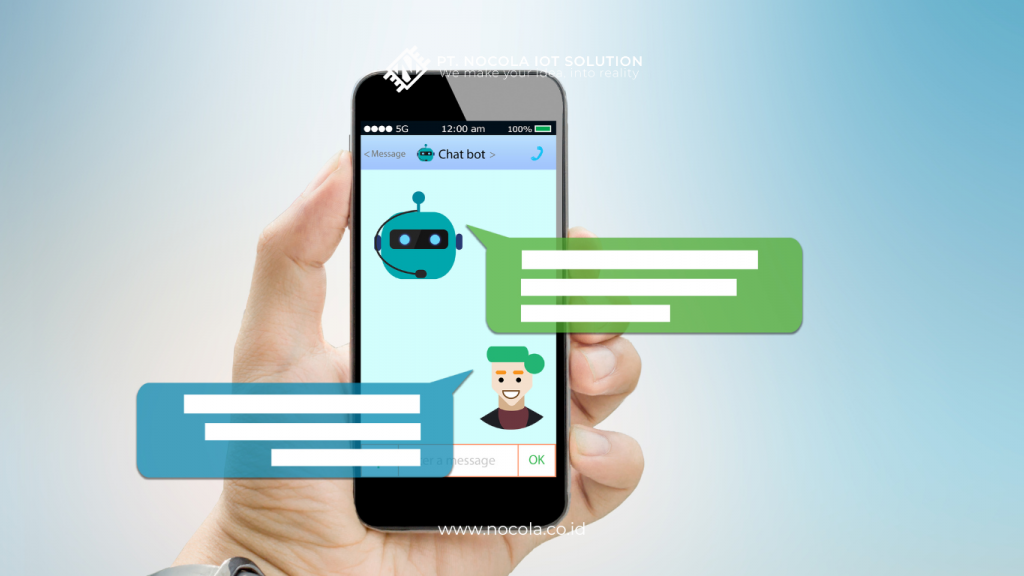
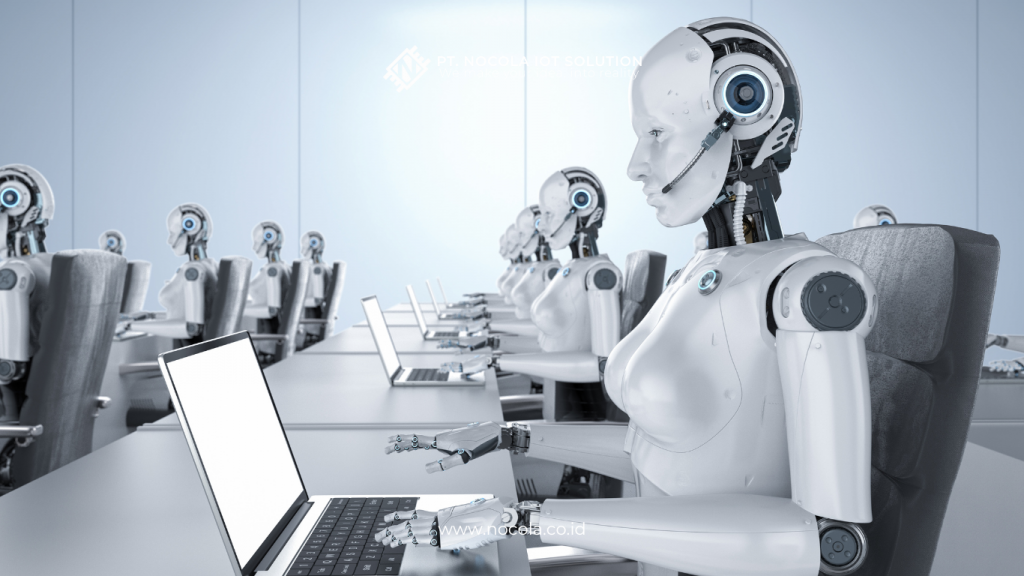
Chatbots are computer programs designed to simulate human conversations through text or voice. Chatbots leverage artificial intelligence (AI) and natural language processing (NLP) technology to understand and respond to user queries or requests. There are two main types of chatbots:
Read More: ChatGPT: Friend or Foe in Today’s Digital World
One of the main advantages of chatbots is their ability to provide customer service around the clock. Unlike humans, chatbots do not need breaks and can work non-stop, ensuring that customers can always get assistance whenever they need it.
Chatbots can respond to customer questions and requests within seconds. This is crucial in today’s fast-paced world, where customers expect quick and efficient service. With chatbots, customer wait times can be minimized, thereby increasing customer satisfaction.
Chatbots can handle multiple requests simultaneously, which is not possible for human agents. This is particularly useful during peak times, such as during promotions or holidays, when the number of customer inquiries spikes.
By using chatbots, companies can save operational costs associated with hiring and training customer service staff. Chatbots can handle repetitive and simple tasks, allowing human agents to focus on more complex issues that require human intervention.
AI-based chatbots can learn from previous interactions with customers, allowing them to provide more personalized service. They can recommend products or services based on the customer’s purchase history and preferences, increasing the chances of conversion and customer loyalty.
Read More: Multifunctional AI Widely Used in Offices
In the e-commerce industry, chatbots can help customers find products, answer questions about stock availability, process returns, and provide product recommendations. This helps enhance the online shopping experience and drives sales.
Banks and financial institutions use chatbots to provide information about account balances, recent transactions, and other banking services. Chatbots can also assist in loan applications and handling insurance claims.
Chatbots can help travelers book tickets, arrange travel schedules, recommend tourist attractions, and answer questions about hotel amenities. They can also assist in handling complaints and special requests from guests.
In the healthcare industry, chatbots can provide information about symptoms, schedule appointments with doctors, and remind patients to take their medication. They can also provide accurate and reliable medical information to patients.
Telecommunication companies use chatbots to handle customer questions about data plans, bills, and technical services. Chatbots can also assist in the activation and deactivation of services.
Read More: AI and the Future of Work: Challenges and Opportunities
Although AI and NLP technologies are constantly evolving, chatbots still have limitations in understanding the nuances of human language, such as sarcasm, irony, or ambiguous questions. This can lead to inaccurate responses and lower customer experience.
Chatbots collect and store personal customer data, raising concerns about data security and privacy. Companies must ensure that their chatbots comply with data privacy regulations and have strong security measures to protect customer information.
Integrating chatbots with existing company systems and databases can be a technical challenge. Companies need to ensure that chatbots can communicate with backend systems to provide accurate and real-time information to customers.
Customers may have high expectations of chatbot capabilities. When chatbots fail to meet these expectations, it can lead to disappointment and decreased customer satisfaction. Companies need to manage customer expectations by providing clear information about what chatbots can do.
Read More: AI-based Cybersecurity: Protecting the Digital Frontier
The future will see the development of smarter chatbots capable of understanding customer emotions. With advancements in AI and NLP, chatbots will be able to provide more empathetic responses tailored to the customer’s emotional state.
Chatbots will become increasingly integrated with other technologies, such as predictive analytics and the Internet of Things (IoT), to provide more comprehensive and proactive services. For example, chatbots in the hospitality industry could connect with IoT devices in guest rooms to offer more personalized and automated services.
Future chatbots will support multichannel experiences, allowing customers to interact with chatbots through various channels, such as social media, instant messaging apps, websites, and voice devices. This will provide ease of access and consistency in customer service.
Chatbots will continue to be trained and improved through continuous learning. Data from customer interactions will be used to enhance the accuracy and relevance of chatbot responses, thereby improving customer experience over time.
Chatbots play a crucial role in enhancing customer service by providing fast, efficient, and personalized service. Despite the challenges in implementation, such as language understanding limitations and security issues, the future of chatbots looks very promising. With advancements in AI and NLP technologies, as well as integration with other technologies, chatbots will become increasingly important tools in customer service strategies. Companies that adopt chatbots can save costs, improve customer satisfaction, and gain a competitive advantage in the market.