Physical Address
304 North Cardinal St.
Dorchester Center, MA 02124
Physical Address
304 North Cardinal St.
Dorchester Center, MA 02124

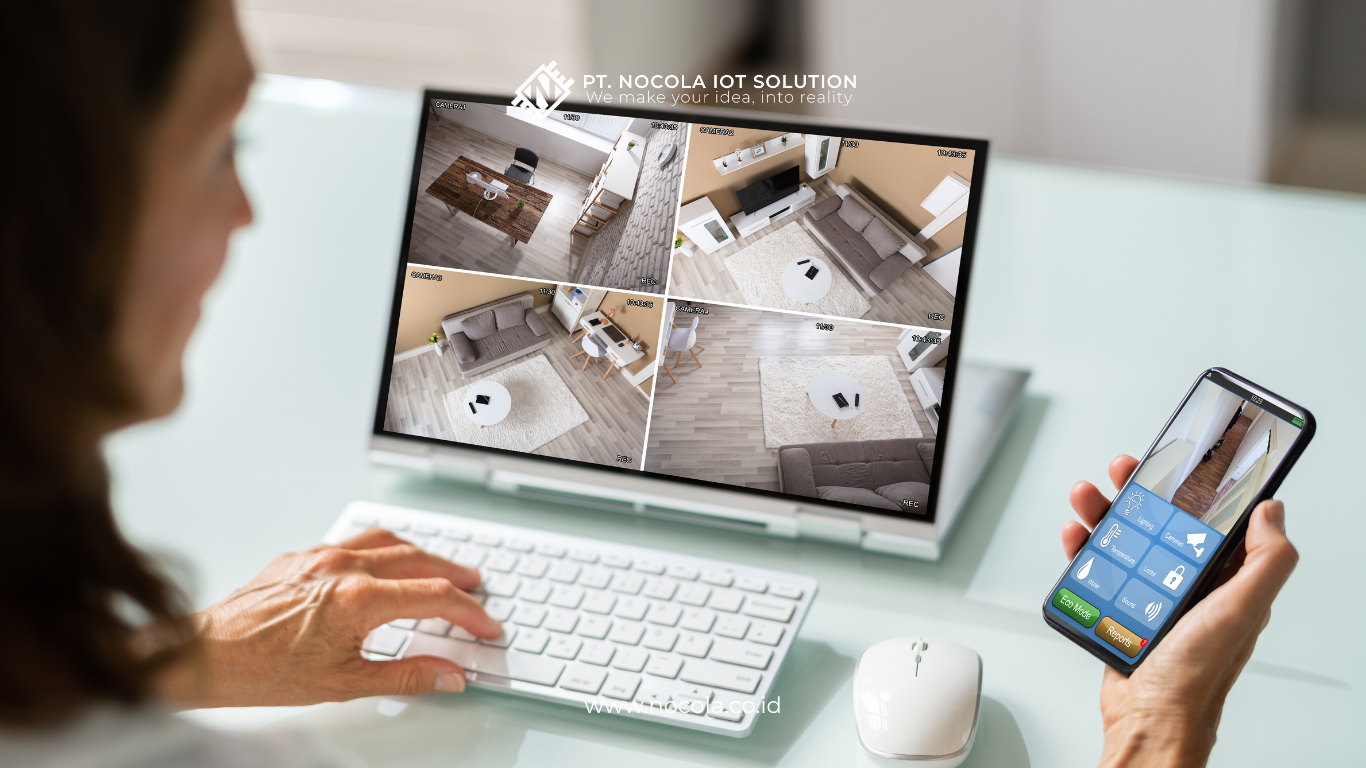
Internet of Things (IoT) has brought significant changes to our lives, from smart homes to more efficient industries. However, as a result of the growing adoption of IoT, significant security challenges are introduced that must be addressed. This article will discuss the security challenges faced by IoT devices and simple solutions that can be taken to protect your smart devices.
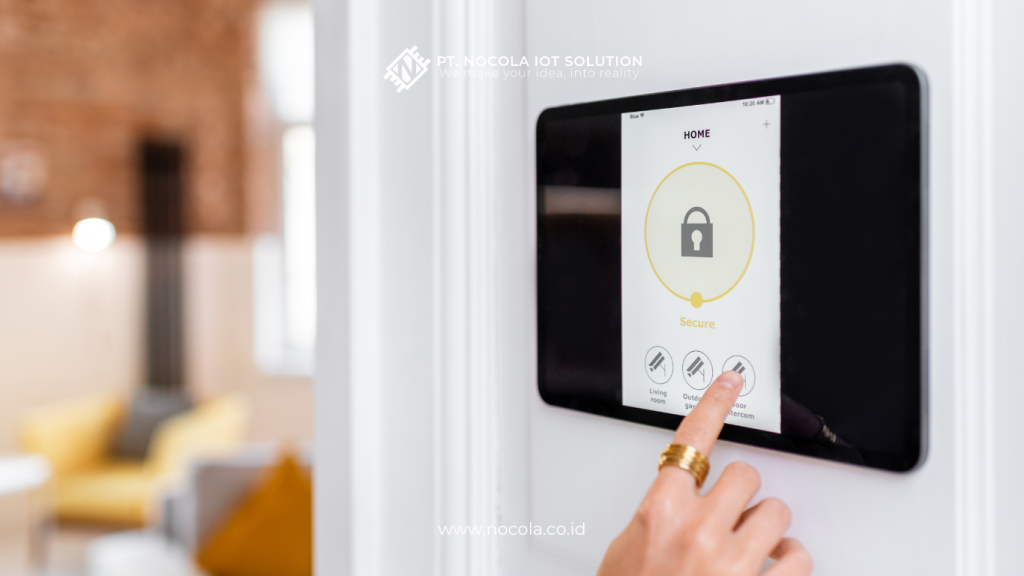
Read More: Smart Plugs IoT: Controlling Electronic Devices Easily
IoT devices often have limited computing resources, making it difficult to implement robust security measures. Additionally, many of these devices have firmware that is rarely updated, consequently making them vulnerable to exploits.
The absence of consistent security standards in the IoT industry makes it difficult to ensure that all devices adhere to good security practices. Manufacturers often focus on rapid product development to market, neglecting security.
IoT devices collect and process large amounts of personal data. Leakage or misuse of this data can pose significant privacy risks to users.
IoT devices often become targets of DDoS (Distributed Denial of Service) attacks, where attackers leverage a large number of infected devices to flood the target with internet traffic, making services unavailable.
Many IoT devices lack strong authentication mechanisms, making them easily accessible by unauthorized parties. Insufficient access control, moreover, allows attackers to take control of the devices.
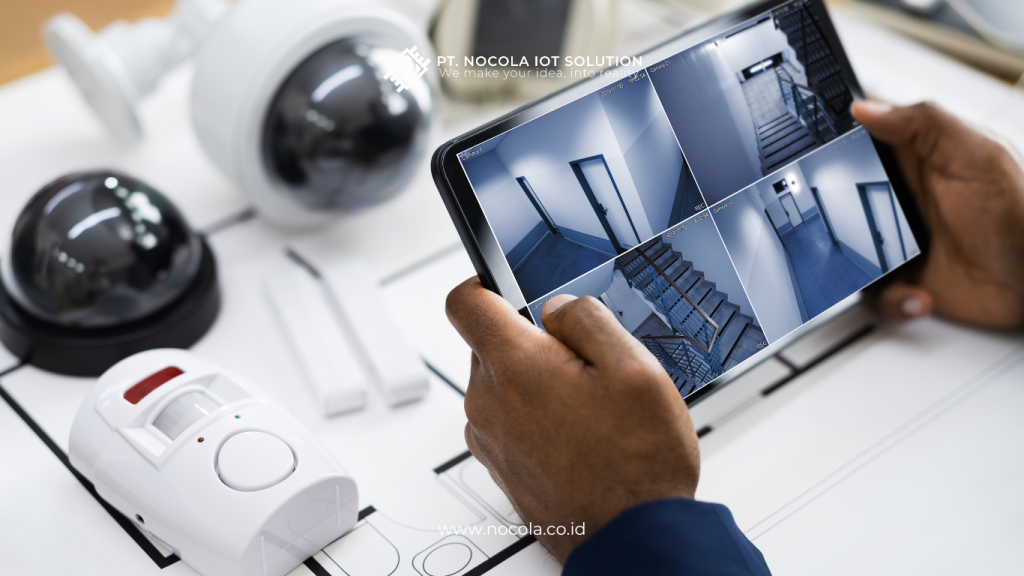
Read More: IoT Smart Parking with Slot Monitoring at IPC
Manufacturers should provide regular firmware updates to close discovered vulnerabilities. Users should also ensure that their devices are always updated with the latest firmware version.
The IoT industry requires consistent and comprehensive security standards. These standards should cover software development, data encryption, and best practices for identity and access management.
Data encryption is a crucial step in protecting the information collected and transmitted by IoT devices. The use of end-to-end encryption can help safeguard data from theft or misuse.
Implementing strong authentication mechanisms, such as two-factor authentication, can prevent unauthorized access to IoT devices. Additionally, proper access control should be enforced to ensure that only authorized users can control the devices.
Implementing threat monitoring and detection systems can help identify and respond to security threats quickly. The use of technologies such as machine learning can enhance threat detection capabilities by learning normal behavior patterns and identifying suspicious activities.
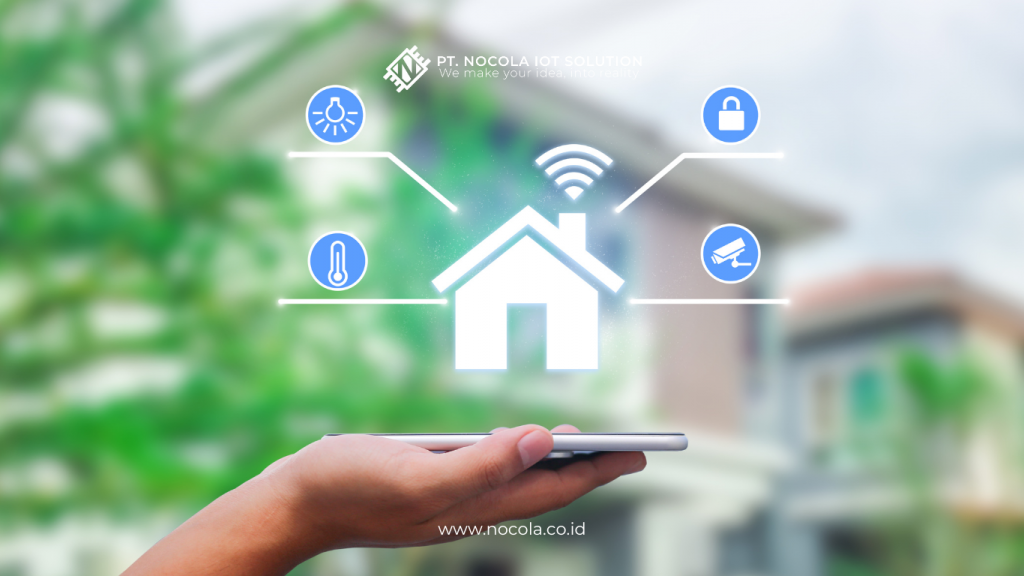
Read More: Frequently Used Smart Home IoT
Smart home devices, such as security cameras, thermostats, and smart speakers, are common examples of IoT used in daily life. Here are some steps that can be taken to enhance the security of smart home devices:
Many smart home devices are shipped with easily guessable default passwords. Changing the default password to a strong and unique one is the first step to securing the devices.
Enabling automatic updates ensures that devices always use the latest firmware version, which includes the latest security patches.
Using a separate Wi-Fi network for IoT devices can limit the impact of a security breach. If an IoT device is compromised, the main network and personal data remain protected.
Enabling network encryption, such as WPA3, can help protect the data transmitted over the Wi-Fi network from interception.
Monitoring device activity can help detect unusual behavior, such as unauthorized access attempts or suspicious configuration changes.

Read More: Smart Hotel with fluxLiving: Monitoring and Control Solutions
IoT security will continue to be an important topic as technology evolves and the number of connected devices increases. Here are some trends we can expect in the future:
Governments in various countries are beginning to realize the importance of IoT security and are introducing regulations requiring manufacturers to meet certain security standards.
The development of more advanced security technologies, such as artificial intelligence and machine learning, will help enhance the capabilities of detecting and responding to security threats.
Collaboration between IoT device manufacturers, service providers, and security researchers will be key to addressing complex security challenges. Sharing information and best practices will help create a safer IoT ecosystem.
Educating users about the importance of IoT security and the steps they can take to protect their devices will be an essential part of the security strategy. Users who are more aware of security risks will be more proactive in protecting their devices.
IoT security is a major challenge that requires serious attention from manufacturers, users, and governments. By adopting good security practices, regularly updating devices, and using advanced security technologies, we can mitigate the risks associated with IoT devices. The future of secure IoT requires collaboration and commitment from all parties involved to ensure that the benefits of this technology can be enjoyed without sacrificing security and privacy.