Physical Address
304 North Cardinal St.
Dorchester Center, MA 02124
Physical Address
304 North Cardinal St.
Dorchester Center, MA 02124

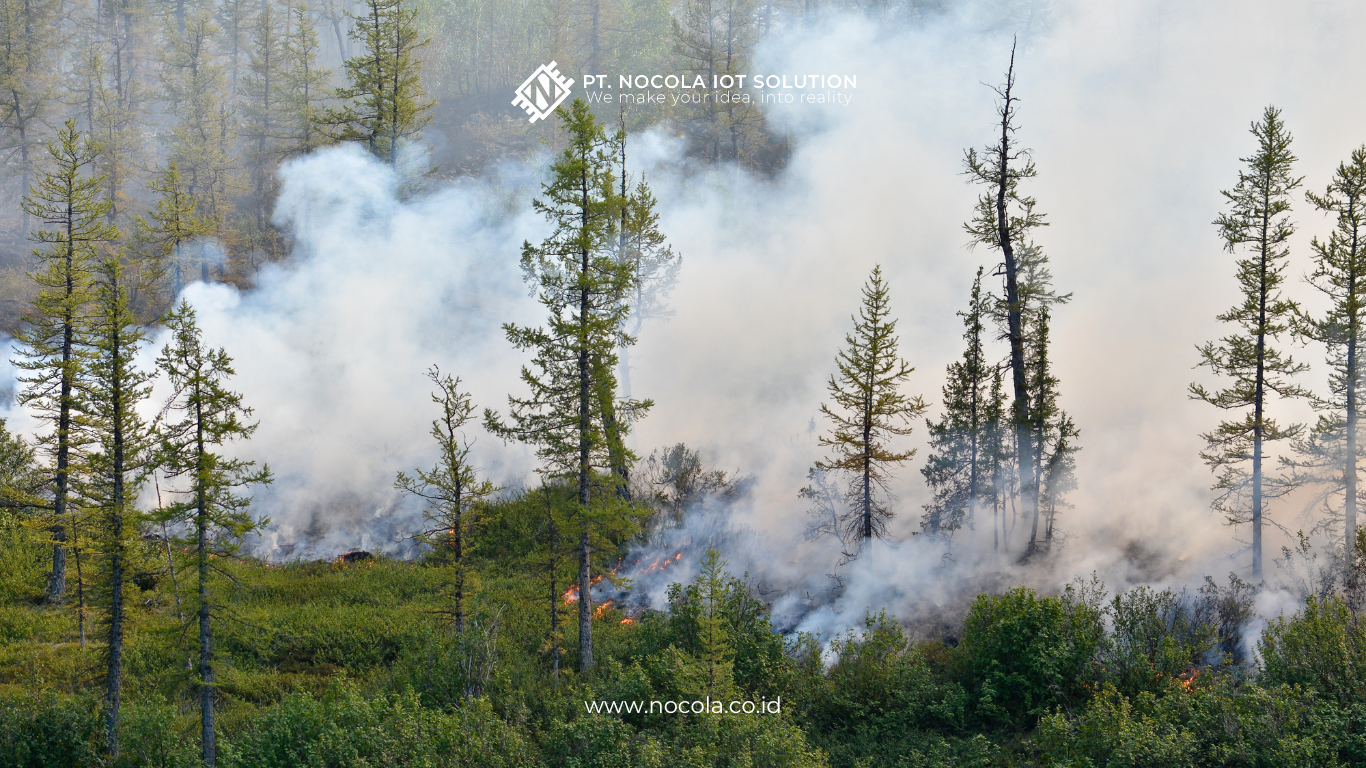
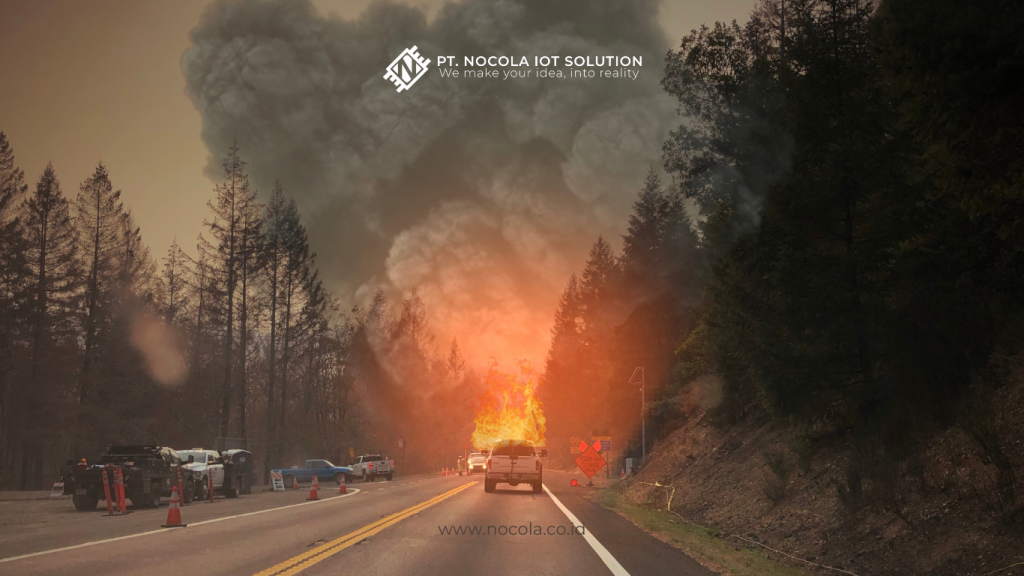
Forest fires are a growing concern globally, causing significant environmental damage, loss of wildlife, and posing threats to human life and property. Traditional methods of monitoring and detecting forest fires are becoming increasingly inadequate due to the scale and intensity of modern wildfires. This is where smart IoT sensors come into play, revolutionizing the way forest fires are monitored and managed. This article explores how smart IoT sensors are enhancing early detection and rapid response to forest fires.

Read More: IoT in the Retail Industry: Transforming the Shopping Experience
The Internet of Things (IoT) refers to a network of interconnected devices that communicate and exchange data. Smart IoT sensors are advanced devices embedded with sensors, software, and other technologies that enable them to collect and transmit data over the internet. These sensors can monitor various environmental parameters such as temperature, humidity, smoke, and gas concentrations, which are critical for detecting forest fires.
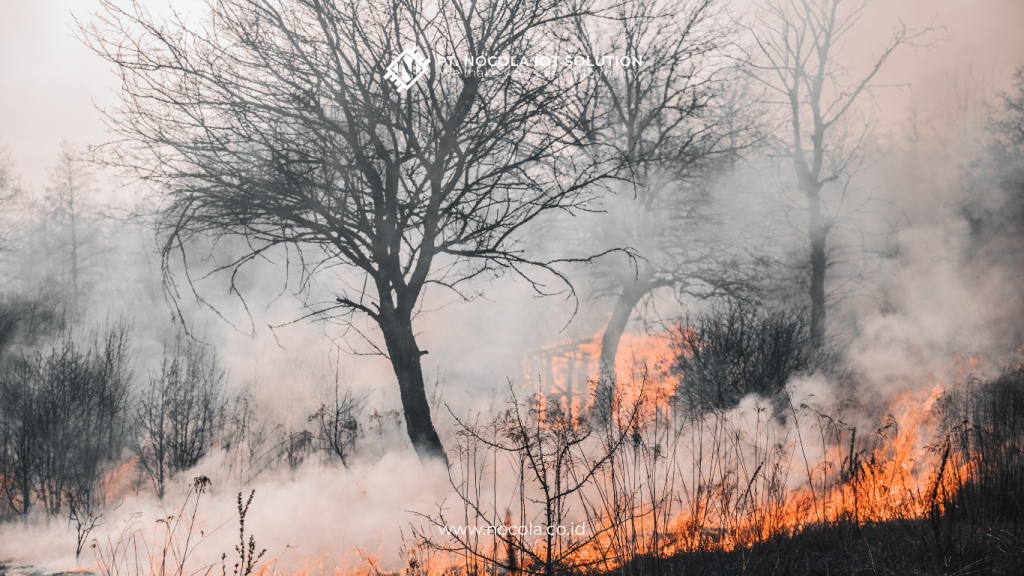
Early detection is crucial in forest fire management as it allows for timely intervention, reducing the spread of fires and minimizing damage. Traditional detection methods, such as lookout towers and satellite imagery, often have limitations in terms of coverage and response time. Smart IoT sensors offer a more efficient and effective solution by providing real-time data and continuous monitoring of forest areas.
Read More: How Can IoT Help Automate Your Business?
There are various types of smart IoT sensors used in forest fire monitoring, including:
Smart IoT sensors are strategically placed in forest areas to continuously monitor environmental conditions. These sensors collect data and transmit it to a central system via wireless networks. The data is then analyzed using advanced algorithms to detect potential fire outbreaks. Alerts are sent to forest management authorities and emergency responders if a fire is detected.
Smart IoT sensors can be integrated with other technologies to enhance their effectiveness, such as:
Read More: Securing the Internet of Things (IoT): Challenges and Solutions
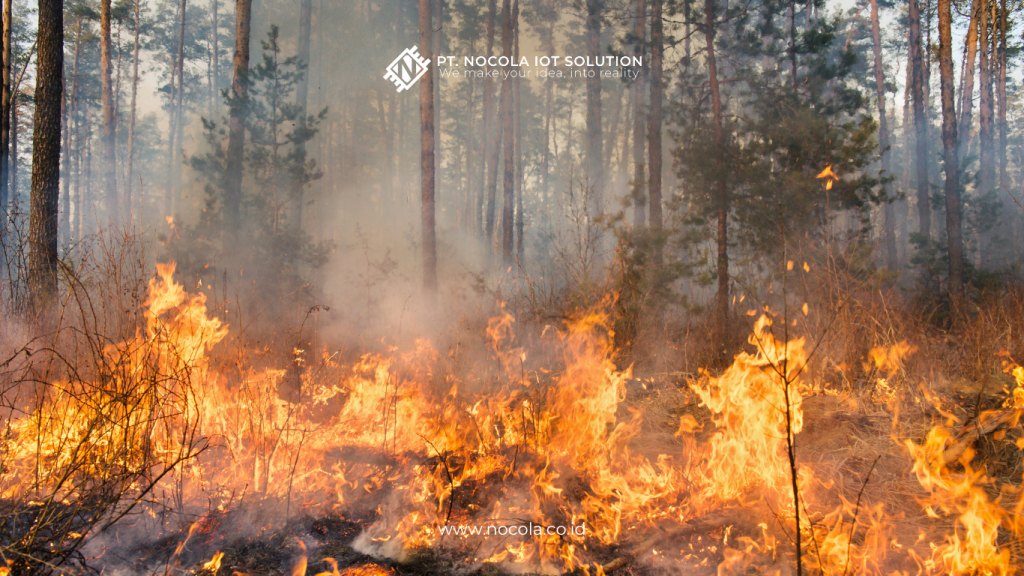
One of the most significant advantages of smart IoT sensors is their ability to provide real-time monitoring and alerts. This enables authorities to detect fires at their earliest stages, often before they become visible to the naked eye. Early detection allows for prompt response, reducing the time it takes to control and extinguish fires.
Smart IoT sensors can be deployed in remote and inaccessible forest areas where traditional monitoring methods may be impractical. This ensures comprehensive coverage and reduces the risk of undetected fires in these regions.
While the initial setup of smart IoT sensor networks may require investment, they offer long-term cost savings by reducing the need for manual patrols and surveillance. Additionally, early detection and rapid response can prevent extensive damage and associated costs.
Smart IoT sensors provide accurate and continuous data, which is crucial for effective forest fire management. The data collected can be analyzed to identify trends, assess fire risk, and develop strategies for prevention and mitigation.
By enabling early detection and rapid response, smart IoT sensors help minimize the environmental impact of forest fires. They also enhance the safety of firefighters and communities by providing timely information and reducing the risk of large-scale fires.
Read More: IoT and Industry 4.0: What You Need to Know
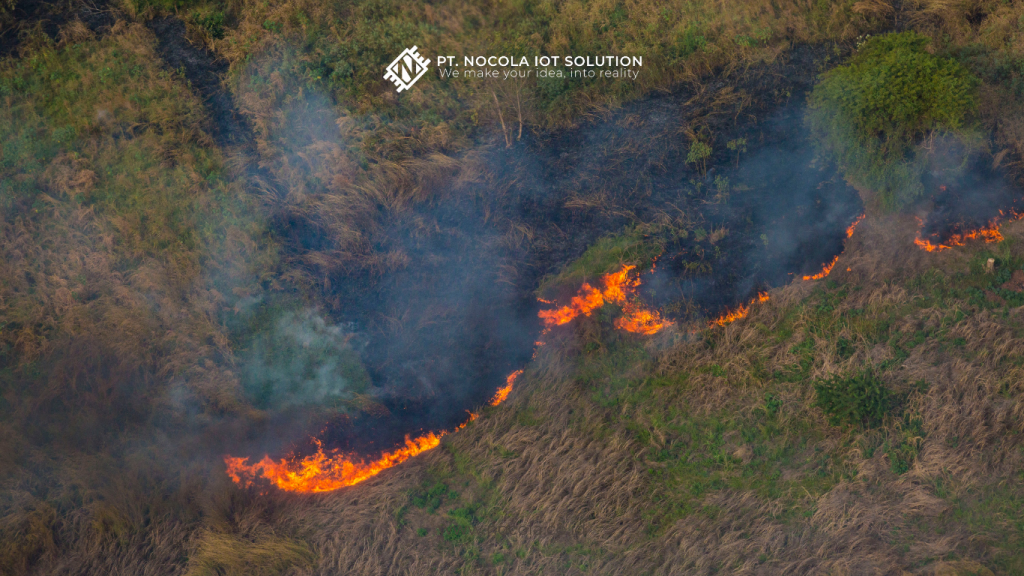
In California, smart IoT sensors have been deployed in several forest areas to monitor fire risk and provide early warnings. These sensors have successfully detected fires in their early stages, allowing for rapid response and minimizing damage. The data collected has also been used to study fire behavior and improve prevention strategies.
Australia has faced severe bushfires in recent years, prompting the adoption of smart IoT sensors for fire monitoring. The sensors have been integrated with drones and AI to enhance detection and response capabilities. This approach has proven effective in reducing the impact of bushfires and improving the safety of affected communities.
Several European countries have implemented smart IoT sensor networks in their forest management practices. These sensors provide real-time data on environmental conditions, enabling authorities to assess fire risk and take preventive measures. The use of smart IoT sensors has significantly improved the efficiency and effectiveness of forest fire monitoring in the region.
Read More: Implementation of IoT in Indonesia: Challenges and Opportunities
The development of more advanced and sensitive sensors will further enhance the capabilities of smart IoT networks. Innovations such as nano-sensors and bio-sensors may offer even greater accuracy and reliability in detecting early signs of forest fires.
Integrating smart IoT sensors with predictive analytics can provide valuable insights into fire behavior and risk assessment. By analyzing historical data and environmental conditions, predictive models can forecast potential fire outbreaks and guide preventive measures.
As the technology becomes more accessible and cost-effective, the deployment of smart IoT sensors for forest fire monitoring is likely to expand globally. This will contribute to a more coordinated and comprehensive approach to managing forest fires and mitigating their impact.
Smart IoT sensors are revolutionizing forest fire monitoring by providing real-time data, enhancing early detection, and enabling rapid response. Their deployment in forest areas offers numerous benefits, including improved coverage, cost-effectiveness, and enhanced safety. Despite the challenges, the successful implementation of smart IoT sensors in various regions demonstrates their potential in addressing the growing threat of forest fires. As technology continues to advance, smart IoT sensors will play an increasingly vital role in protecting our forests and communities from the devastating effects of wildfires.

