Physical Address
304 North Cardinal St.
Dorchester Center, MA 02124
Physical Address
304 North Cardinal St.
Dorchester Center, MA 02124


The need for stable and fast internet is fundamental in the digital era. However, many remote regions worldwide still face significant challenges in accessing adequate internet. The solution to this problem comes from Starlink, an ambitious project spearheaded by SpaceX, Elon Musk’s aerospace company. Starlink aims to provide high-speed internet worldwide, even in areas hard to reach by traditional internet infrastructure. In this article, we will explore how Starlink can connect the world with high-speed internet, particularly in remote areas.
Read More: Getting to Know Starlink Technology Better: Internet Revolution from Space
Starlink is a project developed by SpaceX to create a low Earth orbit satellite network that provides high-speed internet services. This project involves launching thousands of satellites into Earth’s orbit, forming an integrated network to offer internet access worldwide. One of Starlink’s main advantages is its ability to reach remote areas that lack stable or fast internet access.
Starlink’s satellite system differs from traditional internet satellites, which are in geostationary orbit. Starlink satellites are placed in low Earth orbit (about 550 km above the Earth), enabling lower latency and faster internet speeds. Starlink is designed to bridge the digital divide by providing internet access in hard-to-reach areas.
Read More: How to Improve Personal Data Security on the Internet
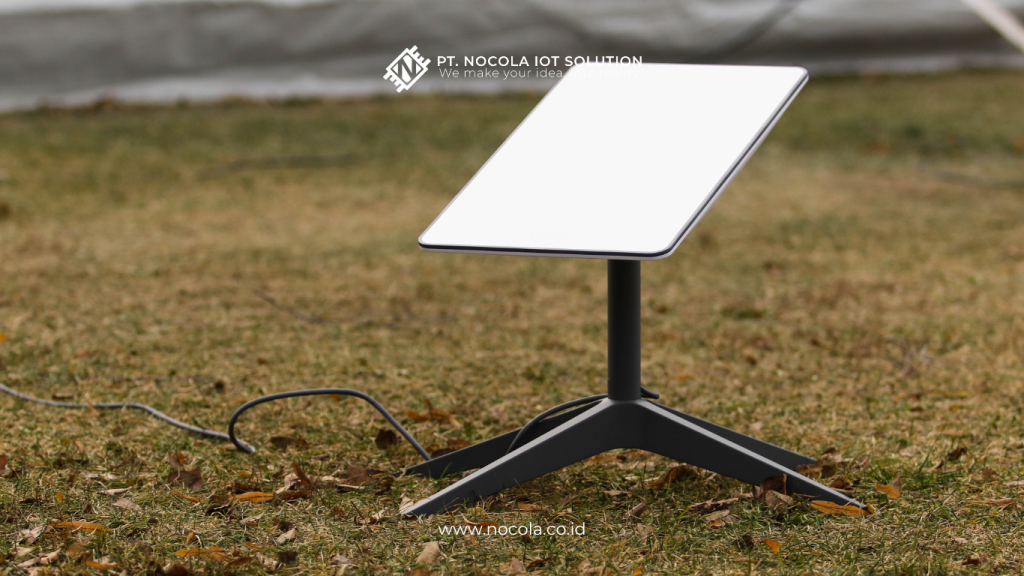
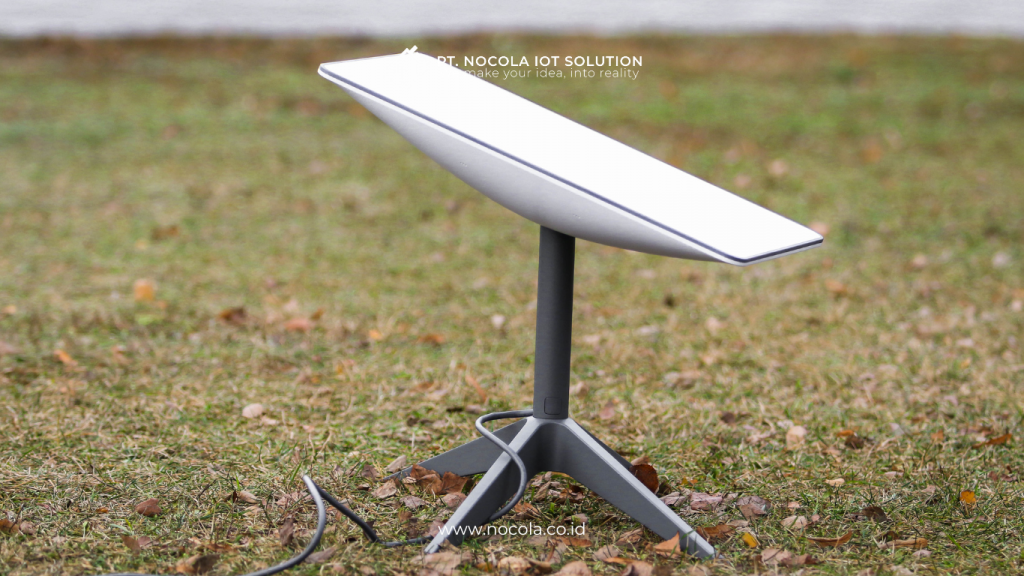
Starlink works through a network of thousands of small satellites orbiting the Earth at low altitudes. Each satellite communicates with others and ground stations to transmit data to and from end-users. Starlink users need a special terminal device (including a dish-shaped antenna) to capture signals from the satellites and send data back.
The user terminal setup is relatively simple. It automatically tracks orbiting satellites and connects the user’s device to the Starlink network. The internet speeds provided by Starlink vary depending on geographic location and user density, but generally, download speeds range from 50 Mbps to 150 Mbps, with latency between 20-40 milliseconds.

Read More: Advancements in 5G Technology and Its Applications
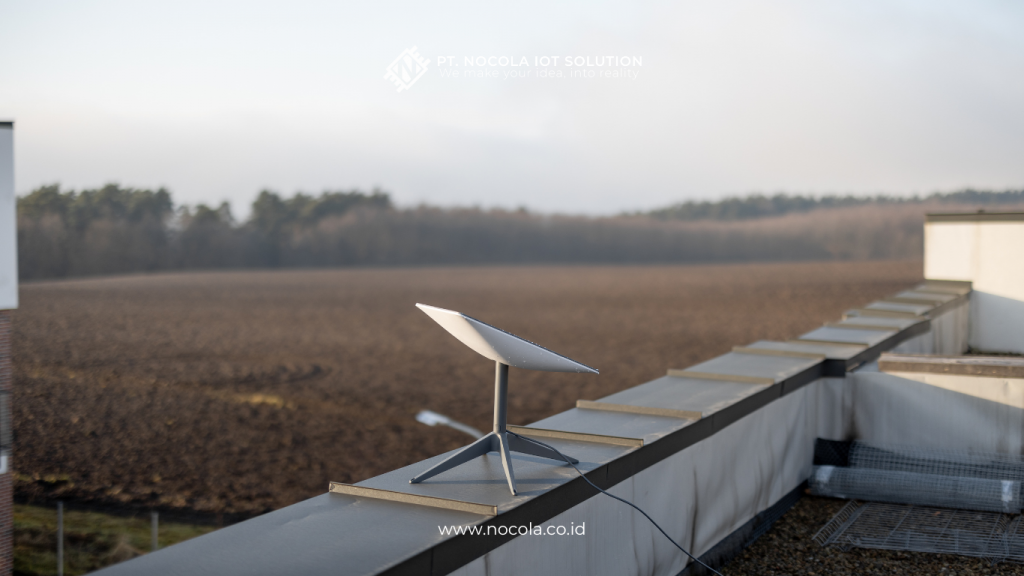
The main advantage of Starlink is its ability to provide internet access in regions not covered by cable, fiber optic, or cellular infrastructure. Below are some of the key benefits Starlink offers for remote areas:
Read More: Understanding the Internet of Things (IoT): From Sensors to Cloud
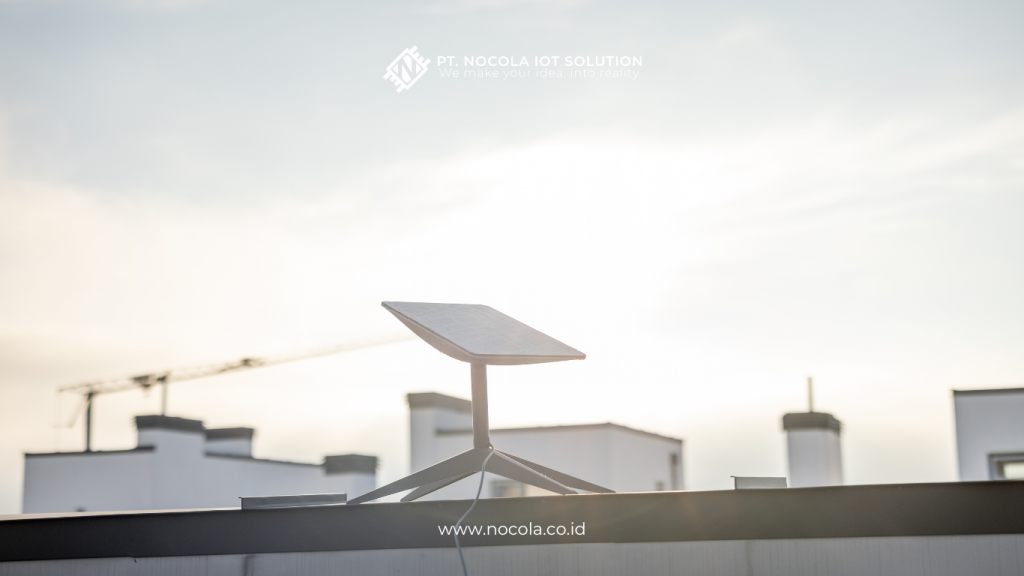
Despite offering a much-needed solution for bridging the digital divide in remote areas, Starlink also faces several challenges. Some of them include:
Read More: IoT VS Internet Konvensional
Despite the challenges, Starlink’s potential to connect the world, especially in remote areas, is immense. Elon Musk and the SpaceX team continue to develop Starlink technology by launching more satellites every month. The long-term goal is to provide reliable and high-speed internet access worldwide, including in developing countries that need it the most.
Starlink could also catalyze innovation in various sectors such as smart agriculture, telemedicine, and distance learning in remote areas. With fast and reliable internet, people in remote areas will be able to access information, services, and economic opportunities that were previously out of reach.
Moreover, as more countries rely on the internet for various activities, including governance and business, Starlink could become a crucial part of the global internet infrastructure. This development could help address the inequality in internet access that has been a problem for many countries.
Starlink is a significant breakthrough in providing internet access to remote areas that are difficult to reach with traditional infrastructure. The project holds great potential for reducing the global digital divide.