Physical Address
304 North Cardinal St.
Dorchester Center, MA 02124
Physical Address
304 North Cardinal St.
Dorchester Center, MA 02124

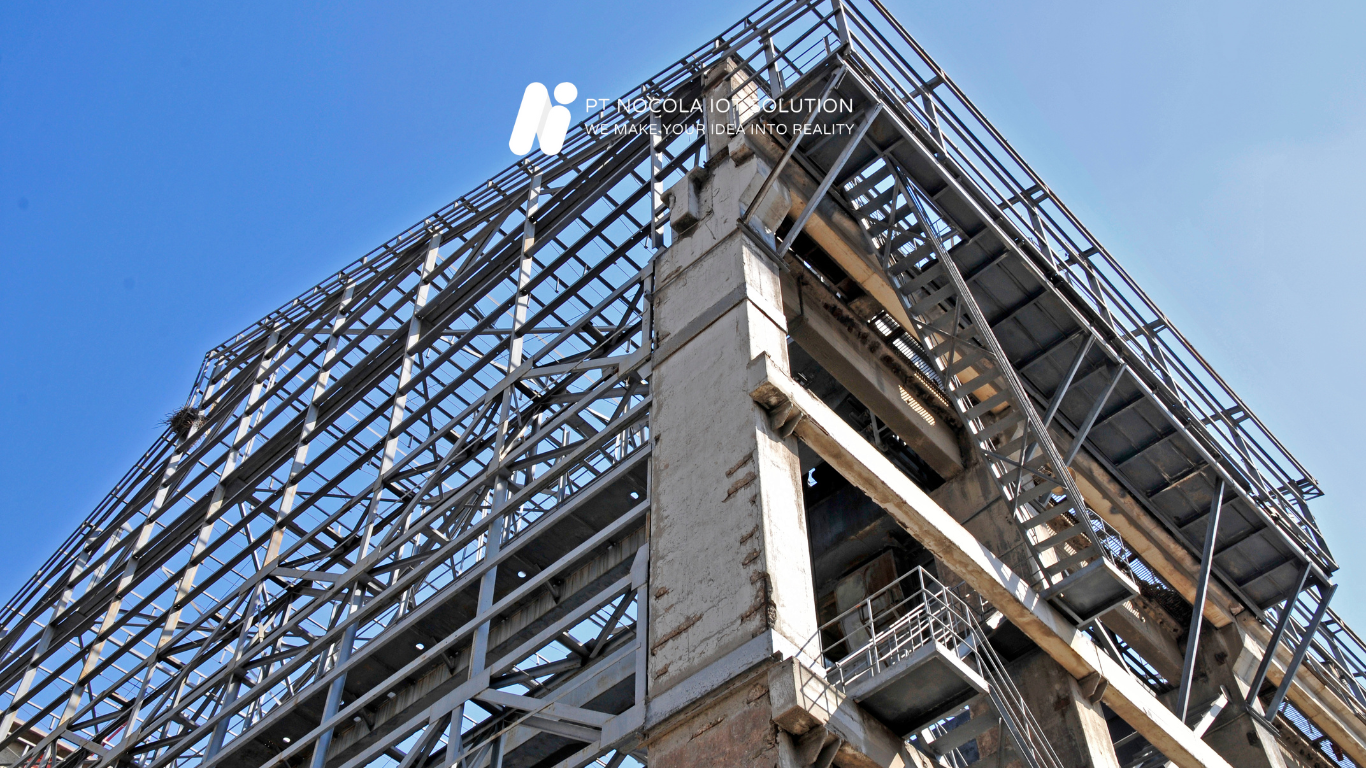
Infrastructure is the backbone of a country’s economy and mobility. From bridges, highways, dams, and railroads to skyscrapers—all require proper maintenance and continuous monitoring. Minor damage that is left unattended can develop into high-risk structural failures, leading to economic loss and even casualties.
This is where structural monitoring technology, or Structural Health Monitoring (SHM), becomes critically important. One noteworthy local innovation is Strulytic, an IoT and analytics solution designed to provide real-time, accurate, and easily integrable structural monitoring.
This article discusses how Strulytic works, its benefits for various types of infrastructure, its features, and the vital role of this technology in promoting safety and sustainability in construction.
Read Also: Strulytic: Structural Analytics Technology that Prevents Damage Early
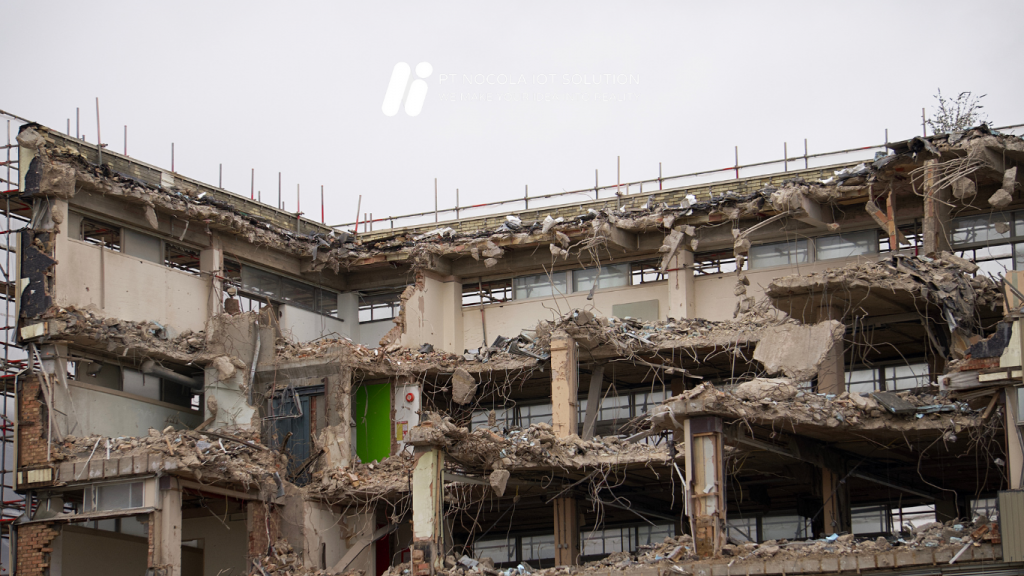
Large infrastructure faces various types of stress throughout its operational life. Without proper monitoring, structures can experience a decline in performance that is difficult to detect.
Bridges, highways, and tall buildings continuously receive vibrations from:
If not monitored, excessive vibrations can accelerate damage.
Humidity, rain, extreme temperatures, prolonged weather, and corrosion are factors that can exacerbate structural cracking.
Visual inspections come with several issues:
This is why there is a growing need for automated monitoring systems based on sensors and IoT.

Strulytic is a Structural Health Monitoring (SHM) system based on IoT, high-precision sensors, and AI-based analytics. This technology is designed to monitor the physical condition of infrastructure in real-time, including:
Strulytic allows infrastructure management to make quick, data-driven decisions so that damage can be prevented before it becomes a major problem.

Strulytic works very effectively as it integrates hardware and software technologies. Here are its main components:
Strulytic uses various sensors such as:
Measures the vibrations and acceleration of the structure.
Detects the strain occurring on structural elements.
Measures tilt to detect potential ground shifts.
Monitors crack development over time.
Monitors the environmental conditions around the structure.
These sensors provide data that serve as the basis for analyzing the condition of the structure.
The Strulytic gateway functions to:
All sensor data is displayed in an interactive dashboard that can be accessed from anywhere.
Dashboard features include:
Strulytic AI performs:
With this analytics, maintenance is not just reactive but becomes predictive maintenance.

The working process of Strulytic consists of several steps:
Sensors are installed at critical points of the structure, such as:
Data is collected continuously, 24/7.
Via cellular networks or WiFi, data is sent to Strulytic’s secure cloud server.
AI processes the data to:
If there are indications of problems, the system sends alerts:
Management receives routine reports containing:
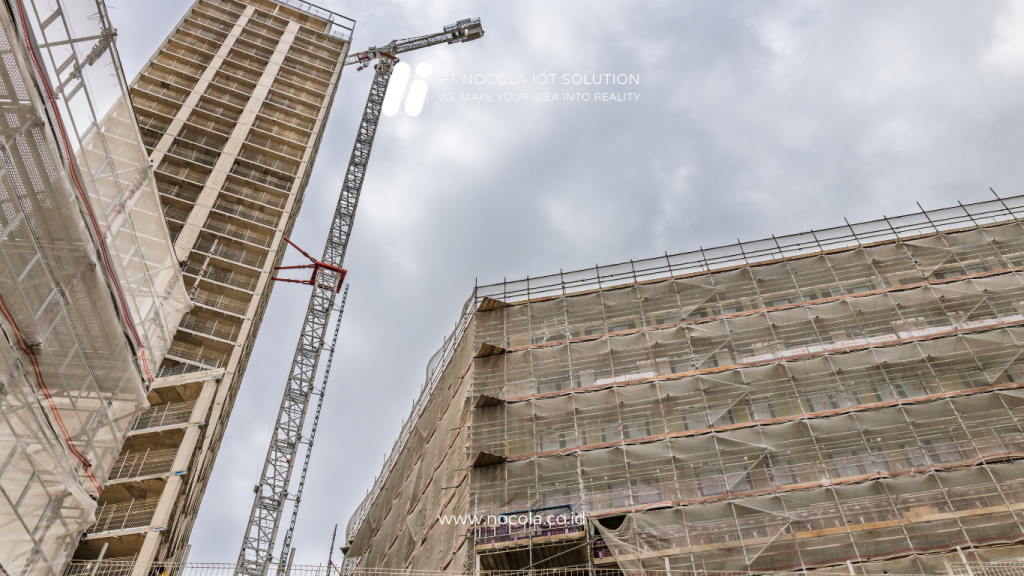
Bridges are vital structures but are vulnerable to:
With Strulytic, bridge operators can monitor:
Thus, accidents can be prevented early.
Tall buildings are susceptible to:
Strulytic sensors help developers and building management ensure that buildings remain safe at all times.
Dams require extreme monitoring of:
Strulytic can serve as the primary monitoring system to prevent major structural failures.
Tunnels require monitoring of:
Strulytic sensors provide real-time data and risk predictions.
Factories, silos, and storage tanks also need SHM to maintain construction safety.
Strulytic is an important innovation in the world of structural monitoring. With a combination of advanced sensors, IoT technology, and AI analytics, Strulytic provides accurate, real-time, and comprehensive monitoring for various infrastructures such as bridges, buildings, dams, and tunnels.
This technology helps:
In this modern era, manual monitoring alone is no longer sufficient. Strulytic offers an SHM solution that is easy to implement, scalable, and relevant for all sectors relying on critical infrastructure.

