Physical Address
304 North Cardinal St.
Dorchester Center, MA 02124
Physical Address
304 North Cardinal St.
Dorchester Center, MA 02124

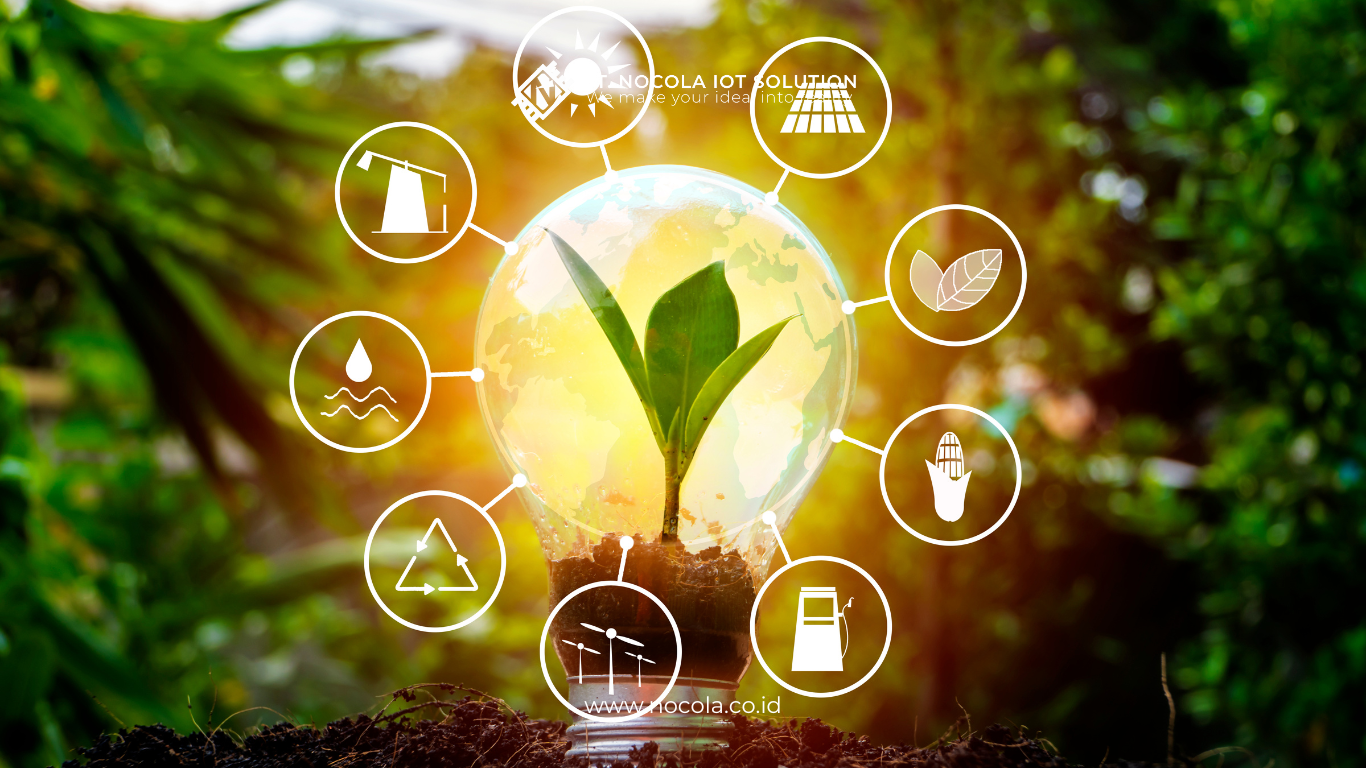
As global awareness of environmental crises and climate change increases, the demand for technologies that support environmentally friendly energy sources has become increasingly urgent. One of the solutions that has emerged as a response is green energy technology. This technology is designed to generate energy without causing pollution or negative impacts on the environment. This article will delve deeper into green energy technology, its various sources, benefits for the environment, challenges faced, and its future prospects.
Read More: Fluxcloud Nocola: IoT Data Storage and Management Solution in the Cloud for Business
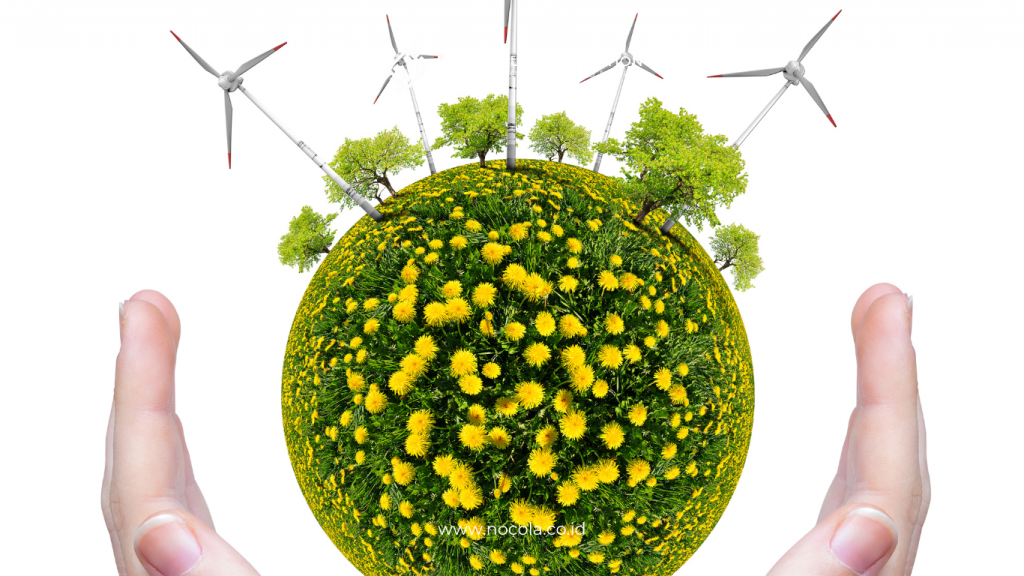
Green energy technology relies on renewable energy sources that are environmentally friendly and sustainable, such as sunlight, wind, water, biomass, and geothermal heat. Green energy is different from fossil fuels, which are limited and cause pollution. This technology aims to minimize negative impacts on the environment, especially carbon emissions, which are one of the main causes of global warming.
There are various types of green energy sources that are increasingly being developed worldwide. Here are some of the main sources often used in green energy technology:
Read More: Data Security in IoT Systems: How Nocola Guarantees the Privacy and Security of Customer Data
The application of green energy technology has significant benefits for both the environment and society at large. Here are some main benefits of green energy technology:
Read More: Fluxcloud Nocola: IoT Data Storage and Management Solution in the Cloud for Business
Despite its many benefits, the development of green energy technology also faces various challenges. Here are some of the main obstacles encountered in the implementation of green energy:
One of the biggest challenges in green energy technology is the relatively high initial costs. Although operational costs are low, technologies such as solar panels and wind turbines require a significant upfront investment for purchase and installation.
Some green energy technologies rely on weather conditions. For example, solar panels cannot generate electricity at night, and wind energy can only be produced when there is wind. Therefore, integration with energy storage systems such as batteries is necessary to ensure a stable energy supply.
Although more environmentally friendly, the construction of green energy infrastructure, such as dams for hydroelectric power or offshore wind turbines, can impact local ecosystems. Therefore, comprehensive environmental impact assessments are needed before implementation.
Energy storage technologies, such as batteries, are still under development and often expensive. Energy storage is crucial for maintaining the stability of energy supply, especially for solar and wind energy that depend on weather conditions.
Government policies significantly influence the development of green energy. In some countries, regulations and incentives for renewable energy are not strong enough, causing slow investment in this sector. Clear and sustainable regulatory support is needed.
Read More: Using Nocola’s Flux in IoT Device Management
With the advancement of technology and increased awareness of environmental importance, the prospects for green energy technology in the future are very promising. Some developments to expect include:
Energy storage technology is expected to advance significantly in the coming years. Batteries with larger capacities and better efficiency will allow green energy to be used more widely, especially in remote areas.
Technologies such as solar panels and wind turbines continue to see improvements in efficiency and decreases in costs. With intensive research and development, the costs of green energy will become increasingly competitive with fossil fuels.
Many countries are beginning to collaborate to create renewable energy solutions. International forums such as COP and the Paris Agreement play a role in promoting cross-country collaboration to accelerate the adoption of green energy worldwide.
In the future, green energy technologies will be more integrated with smart grids. Smart grid systems allow for more efficient monitoring and distribution of energy, enabling optimal use of green energy while maintaining stable electricity supply.
Increased education and public awareness about the importance of green energy are expected to encourage more people to switch to more environmentally friendly energy sources. Campaigns and educational programs regarding the benefits of green energy need to be continuously promoted.
Green energy technology is one of the most promising solutions to address the environmental crisis facing the world today. By utilizing renewable energy sources such as solar, wind, water, biomass, and geothermal energy, this technology offers an environmentally friendly and sustainable solution. In addition to helping reduce carbon emissions and air pollution, green energy also supports energy resilience, creates job opportunities, and fosters green economic growth.
Nevertheless, the development of green energy still faces various challenges, such as high investment costs, dependence on natural conditions, and uneven regulations. However, with technological advancements, supportive government policies, and global collaboration, the future of green energy looks increasingly bright.