Physical Address
304 North Cardinal St.
Dorchester Center, MA 02124
Physical Address
304 North Cardinal St.
Dorchester Center, MA 02124

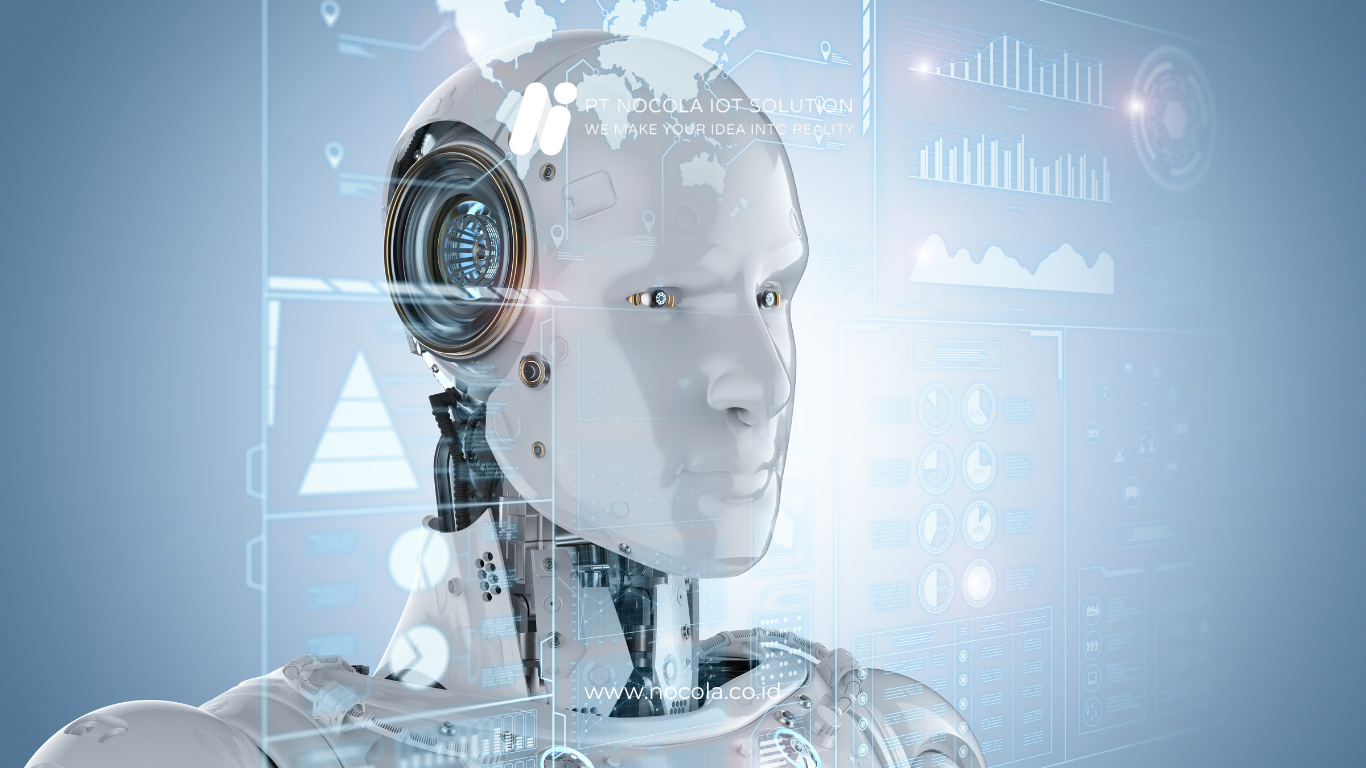
Artificial Intelligence (AI) is no longer just a futuristic concept; it has become a reality that is now part of our daily lives. From the use of virtual assistants on smartphones, customer service chatbots, to automation systems in factories, AI has become one of the essential pillars in the development of global technology. The question is: how will the future of AI technology affect the workplace, and what are its implications for humanity?
This article will delve deeply into the future of AI technology, how artificial intelligence is changing the way we work, the opportunities it creates, the challenges that arise, and the adaptation strategies that need to be implemented.
Also Read: Artificial Intelligence for Cybersecurity
Artificial intelligence refers to technology that enables machines or computers to perform tasks that typically require human intelligence, such as decision-making, voice recognition, natural language processing, and data analysis.
In the workplace, AI becomes important because it can:
AI has not been born overnight; there is a long journey that has shaped it into what we know today:
AI has changed many aspects of the modern workplace. The most notable positive impacts include:
However, alongside these opportunities, challenges also emerge, such as the potential loss of manual jobs, the need for new skills, and ethical issues.
The following fields will be most impacted by AI:
Although many manual jobs decrease, AI also creates new job opportunities, such as:
This proves that AI does not merely replace humans but also drives the emergence of a new job ecosystem.
AI is not only utilized by large companies. Nowadays, individual workers can also experience the benefits of AI, for example:
This classic question always arises. The fact is, AI only replaces tasks, not humans as a whole.
AI can perform repetitive and data-centric tasks but cannot replace human empathy, creativity, and intuition. Therefore, the future of work is a collaboration between humans and AI.
The future of AI technology brings opportunities as well as challenges for the workforce. AI can enhance efficiency, create new jobs, and drive innovation. However, there are also risks, such as the loss of manual jobs, privacy issues, and the ethics of AI usage.
To adapt, humans need to continually develop new skills, focus on creativity and soft skills, and view AI as a collaborative tool rather than a threat.
With the right understanding, AI is not the end of human jobs, but the beginning of a new work era that is more productive, efficient, and innovative.

