Physical Address
304 North Cardinal St.
Dorchester Center, MA 02124
Physical Address
304 North Cardinal St.
Dorchester Center, MA 02124

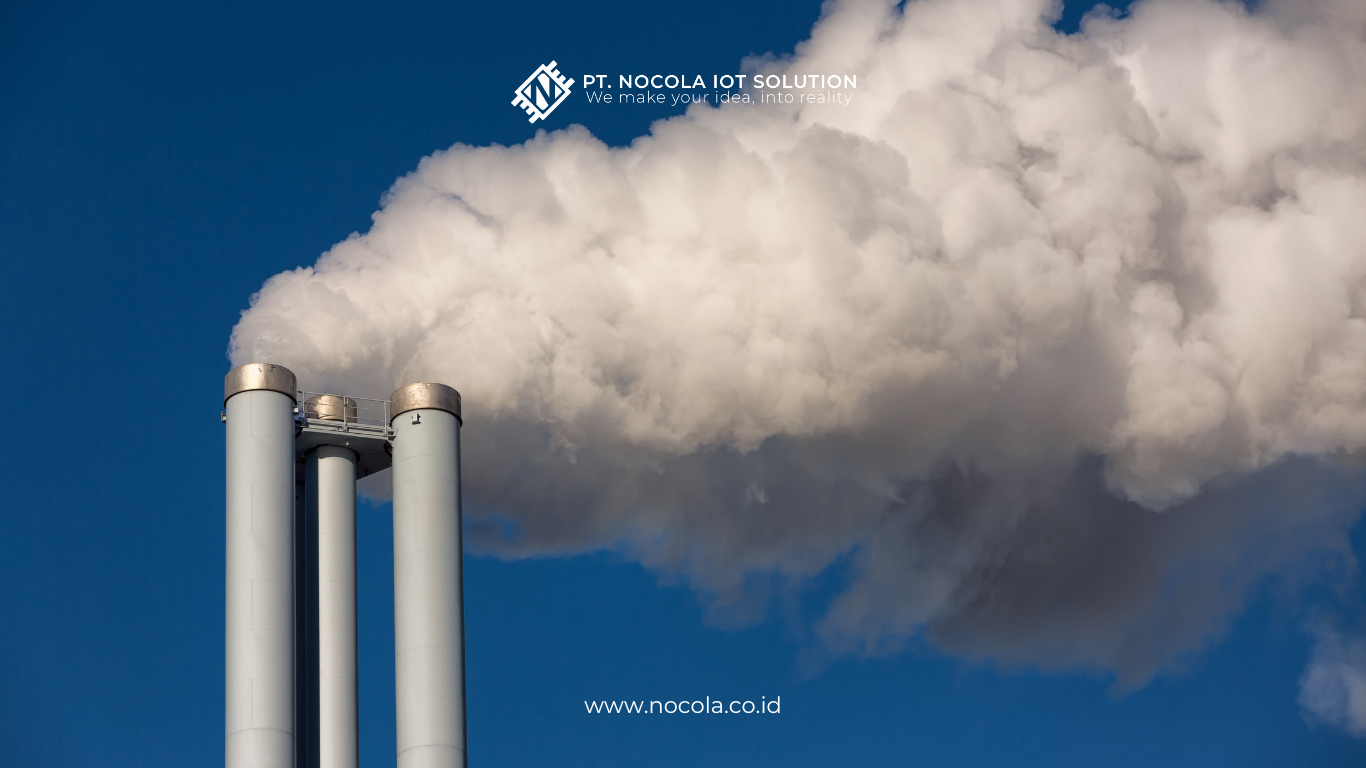
In recent years, awareness of the importance of environmental protection has significantly increased. Governments in various countries, including Indonesia, have established strict regulations regarding industrial emission control. This aims to reduce negative impacts on the environment and public health.
On the other hand, industries face major challenges in ensuring that their operational activities remain within permitted emission limits. Without an accurate and continuous monitoring system, companies risk violating regulations and facing serious penalties.
This is where CEMS (Continuous Emission Monitoring System) becomes not only an important solution but also a mandatory requirement for many industries. With real-time monitoring capabilities, CEMS helps companies manage emissions more effectively and transparently.
This article will discuss the main reasons why real-time CEMS has become a necessity in modern industries.
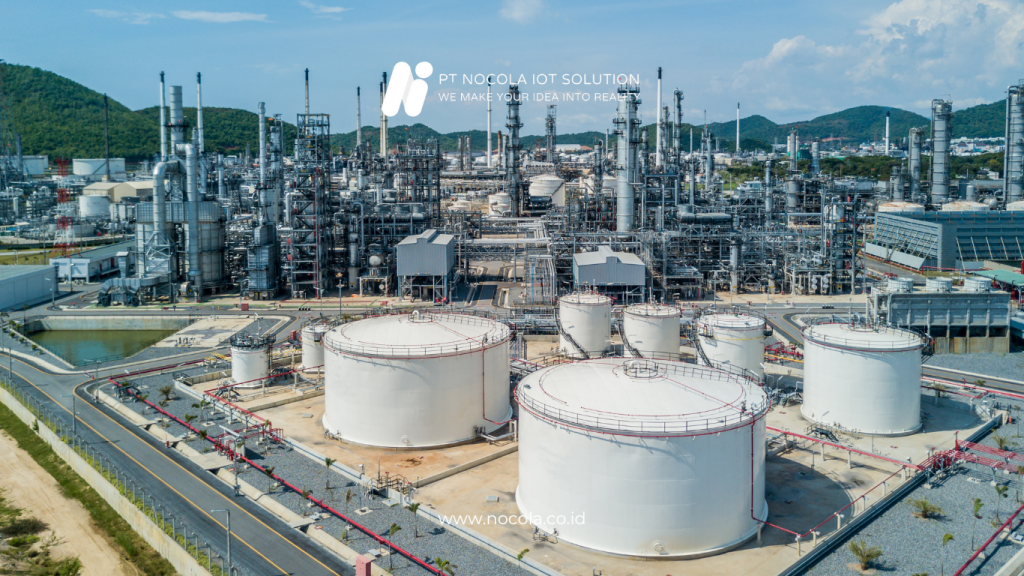
Read Also : Sustainable Emission Monitoring Technology: CEMS Implementation in the Energy Industry
One of the main reasons for using CEMS is the increasing demand for stricter regulations. Governments set specific emission limits to ensure that industrial activities do not excessively pollute the environment.
Many industrial sectors such as power plants, manufacturing, and waste processing are required to continuously monitor emissions. Without systems like CEMS, companies will struggle to meet these requirements.
CEMS enables companies to monitor emissions automatically and generate reports that can be used for audits and reporting to regulators.
Therefore, the use of CEMS is not just an option, but a necessity to ensure legal compliance.

Read Also : The Future of Autonomous Vehicles: Development, Benefits, and Challenges
CEMS provides real-time emission monitoring capabilities, which are essential in industrial operations. Emission data can be monitored at any time without delay.
This advantage allows companies to detect emission increases early. If abnormal conditions occur, the system can immediately provide alerts.
With early detection, companies can take immediate action to control emissions before exceeding the specified limits.
This not only helps maintain compliance but also prevents greater environmental impacts.

Read Also : The Benefits of CEMS in Managing Exhaust Gas Emissions Effectively
Transparency is a crucial factor in environmental management. By using CEMS, emission data can be accessed and monitored openly by relevant parties.
The data generated is objective and real-time, increasing the company’s accountability for its operational activities.
Moreover, this transparency helps build trust among the public and stakeholders. Companies that demonstrate commitment to environmental management tend to have better reputations.
Thus, CEMS not only functions as a monitoring tool but also as a means to enhance company credibility.

Read Also : Cloud Computing: Leveraging Cloud-Based Applications for Business Efficiency
Violations of emission regulations can result in serious penalties, ranging from fines to operational shutdowns. This certainly has a major impact on business.
By using CEMS, companies can ensure that emissions remain within permitted limits. This system helps avoid unintentional violations.
In addition, real-time monitoring helps reduce the risk of equipment damage that may lead to increased emissions.
With better management, companies can avoid financial losses and maintain operational continuity.

Read Also : Utilizing Historical Data from Nocola Systems for Strategic Planning
The use of CEMS is not only related to compliance but also supports operational efficiency. The generated data can be used to analyze production processes and identify emission sources.
With this information, companies can optimize processes to reduce emissions while improving energy efficiency.
Furthermore, CEMS supports sustainability efforts by helping companies reduce environmental impact.
In the modern industrial era, sustainability is one of the key factors in determining long-term business success.
CEMS is a mandatory solution for industries in real-time emission monitoring. With increasingly strict regulations, companies need systems that ensure continuous compliance.
Real-time monitoring capabilities, data transparency, and support for operational efficiency make CEMS an essential tool in modern industries.
In addition to helping avoid penalties, CEMS also plays a role in protecting the environment and enhancing corporate reputation. With proper implementation, CEMS is not only a monitoring tool but also part of a sustainable industrial strategy for the future.
