Physical Address
304 North Cardinal St.
Dorchester Center, MA 02124
Physical Address
304 North Cardinal St.
Dorchester Center, MA 02124

In an increasingly data-dependent business world, the ability to access and analyze historical information is key to formulating effective strategies. Nocola’s System provides a variety of tools and technologies that enable companies to gather and manage data efficiently. By integrating historical data into the strategic planning process, companies can make more accurate decisions and respond more effectively to market changes. This article will discuss how the utilization of historical data from Nocola’s system can enhance strategic planning and provide a competitive advantage.
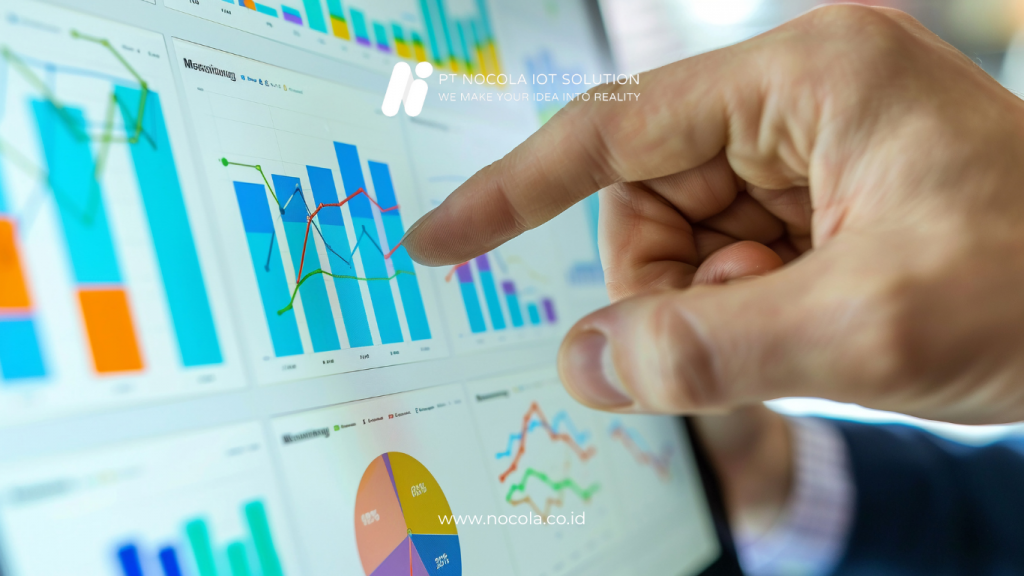
Historical data provides the context and essential information needed for accurate decision-making. By understanding past trends and patterns, companies can predict the future more accurately.
Analyzing historical data allows companies to evaluate their past performance, identify strengths and weaknesses, and formulate improvement steps for the future.
By studying historical data, companies can recognize trends that may be overlooked in real-time data. This helps in planning products and services that are more aligned with market needs.
Strategic planning based on historical data tends to reduce risks. With better information, companies can avoid repeating past mistakes and take proactive steps to mitigate potential issues.

Nocola’s System is a technology platform that combines various data management tools, including emission monitoring, operational recording, and analysis. With this advanced solution, companies can more efficiently manage and utilize data.
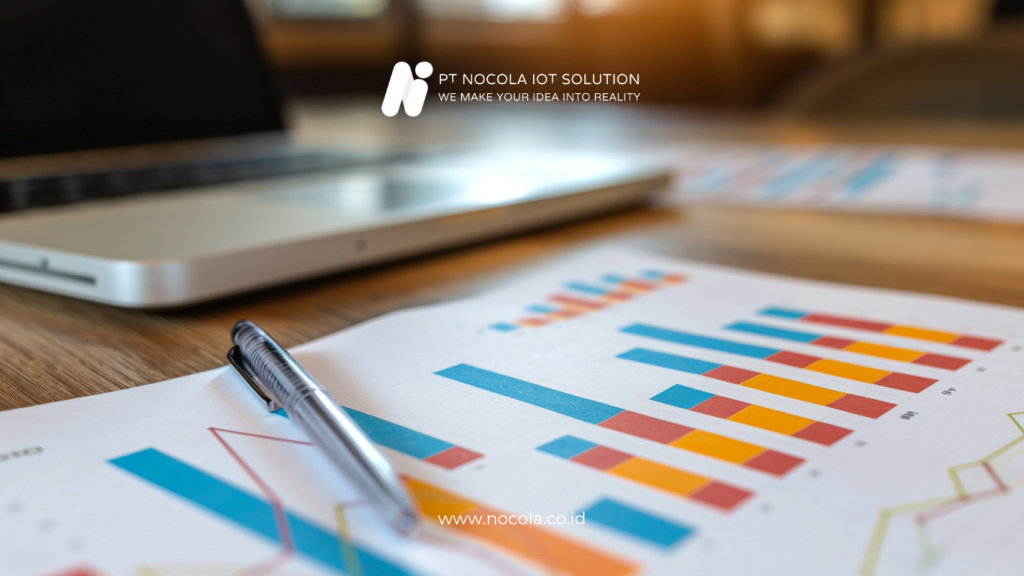
The first step in utilizing historical data is to gather relevant data from Nocola’s system. Ensure that all necessary data, such as production, sales, and operational information, is collected systematically.
After collecting data, the next step is to analyze it. Through the tools provided by Nocola, companies can:
Based on the analysis results, companies can take the next steps in formulating effective strategies. Some points to consider include:
Continuous monitoring of performance based on historical data allows companies to quickly and responsively adjust strategic plans. This creates a dynamic planning cycle where decisions can be modified based on new data.

Using historical data provides context for decisions made by management. When decisions are based on solid information, better outcomes are more likely to be achieved.
High-quality historical data enables companies to effectively assess progress against strategic goals, providing insights that lead to behavioral modifications and better future decisions.
By studying historical data, companies can gain insights into where they experienced difficulties and formulate strategies to overcome them. This encourages sustainable growth and practical improvements.
Nocola’s LogSheet Digital provides a revolutionary solution for managing and utilizing historical data to formulate better strategies in business. By facilitating recording and analysis, companies can enhance efficiency and effectiveness while contributing to environmental sustainability.
Implementing the right steps in LogSheet Digital not only focuses on the technology itself but also involves all personnel in the company to share a common vision: to continually innovate towards a better future.

