Physical Address
304 North Cardinal St.
Dorchester Center, MA 02124
Physical Address
304 North Cardinal St.
Dorchester Center, MA 02124

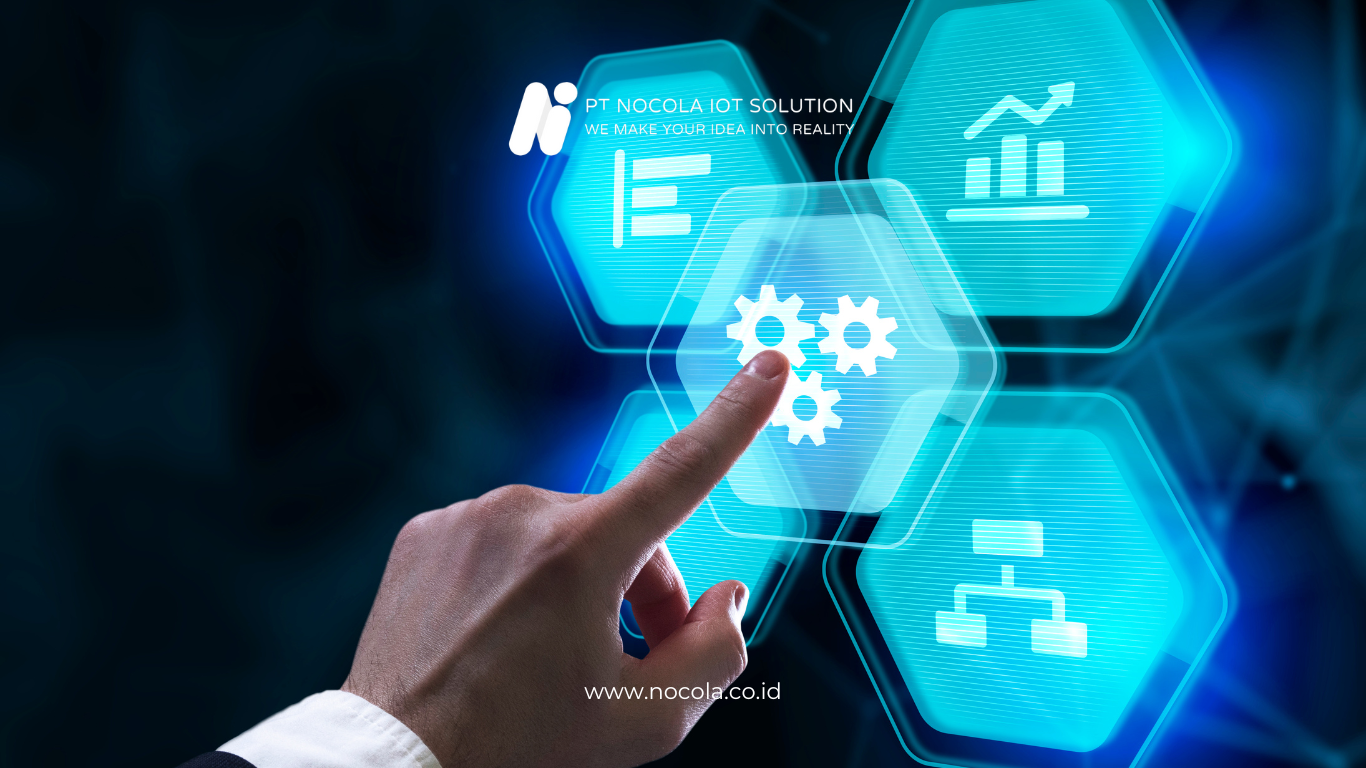
In this fast-paced world, digital transformation has become a primary driver of how we work. From automating processes in factories to adopting tools based on the Internet of Things (IoT) in daily life, technology promises many benefits in terms of efficiency and effectiveness. In this article, we will explore how technological transformation has changed the landscape of work across various sectors, the benefits gained, and the strategies we must face in this transition.

Technological transformation refers to the process of integrating digital technology into all aspects of business operations. This includes the adoption of new technologies that have the potential to change how businesses operate and interact with their customers. This transformation involves a cultural shift within organizations, where employees are expected to adapt to new tools and techniques.
Adopting the latest technology is essential for businesses to remain competitive in the global market. Digital transformation helps companies respond to customer demands more quickly, improve customer satisfaction, and create better operational efficiencies.
Digital transformation in the manufacturing sector is marked by the emergence of automation technology and smart manufacturing. By using IoT, manufacturers can monitor production processes in real-time, enhance supply chain visibility, and reduce downtime. For example, the use of sensors to monitor machine performance can provide valuable data that helps in planning preventive maintenance.
In the healthcare sector, digital transformation has revolutionized service delivery. Telemedicine and mobile health applications allow patients to consult doctors without having to be physically present. Additionally, health information management systems facilitate efficient storage and access to patient data, improving the quality of care.
In the retail industry, technological transformation has influenced how customers shop. E-commerce and mobile applications enable customers to shop from anywhere. By using data analytics, retailers can understand customer behavior and tailor their product offerings more attractively.
The transportation sector is increasingly influenced by digital technology with the emergence of intelligent transportation systems. The use of real-time navigation applications allows drivers to avoid congestion and inefficient routes. Additionally, autonomous vehicles are under development to enhance safety and efficiency.
In the education sector, educational technology (EdTech) offers innovative solutions such as online learning and e-learning platforms. With access to educational resources online, students can learn in a more flexible and affordable manner.
With automation and the use of information technology, businesses can significantly enhance operational efficiency. Processes that were previously manual can be completed in a shorter time using technology.

Technological transformation generates data that can be utilized for analysis. With this data, companies can make strategic decisions based on accurate information, reducing reliance on instinct alone.
Technology enables companies to provide better services to customers. By using data to understand customer preferences, companies can offer more personalized and relevant experiences.
Companies that undergo digital transformation are better prepared to face uncertainties. They can quickly adapt to changes in the market and keep up with technological advancements.
The first step in digital transformation is assessing the needs of the organization. Identify processes that need improvement and choose the right technology to address those needs.
Establishing a strong team comprising members with diverse expertise is crucial. This team will lead the digital transformation and ensure all parts of the organization are engaged.
Selecting the right technology for your organization is critical. Ensure that the chosen technology can integrate with existing systems and meets long-term business goals.
Education and training for employees on new technology are essential for them to adapt successfully. Ensure that all team members feel comfortable using the new tools and systems.
Digital transformation is a journey that every business must undertake to grow and thrive in the current technological landscape. By understanding and implementing the latest technologies, companies can enhance efficiency, productivity, and safety.
Nocola is committed to helping businesses navigate this digital transformation by providing innovative solutions and the necessary support. Let us work together to make technology the main driver of success and sustainability in the future!