Physical Address
304 North Cardinal St.
Dorchester Center, MA 02124
Physical Address
304 North Cardinal St.
Dorchester Center, MA 02124

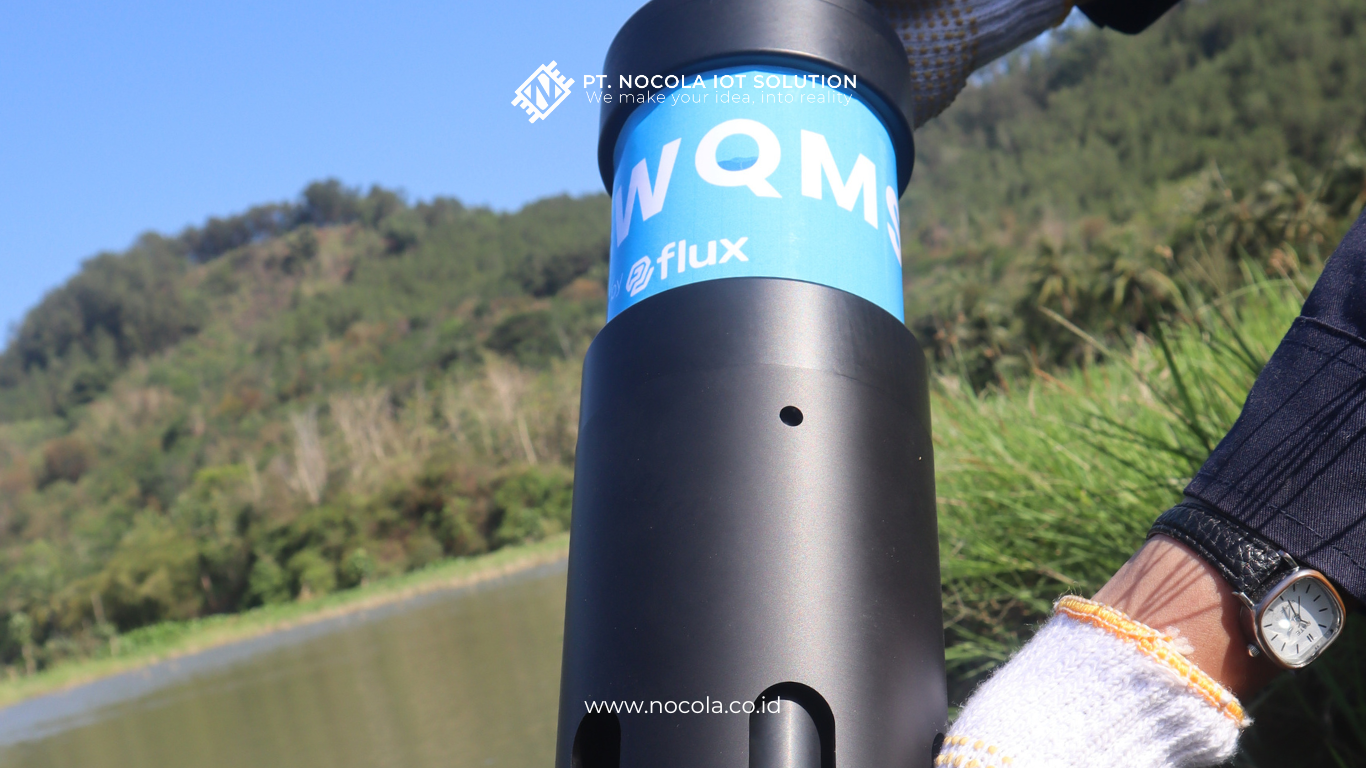
Water quality is one of the key indicators in maintaining environmental health and industrial sustainability. In various sectors such as manufacturing, wastewater treatment, and clean water supply, water quality monitoring is a necessity that cannot be overlooked.
Conventional methods of water quality testing are often time-consuming and unable to provide continuous data. This makes the response to changes in water conditions slow and less effective.
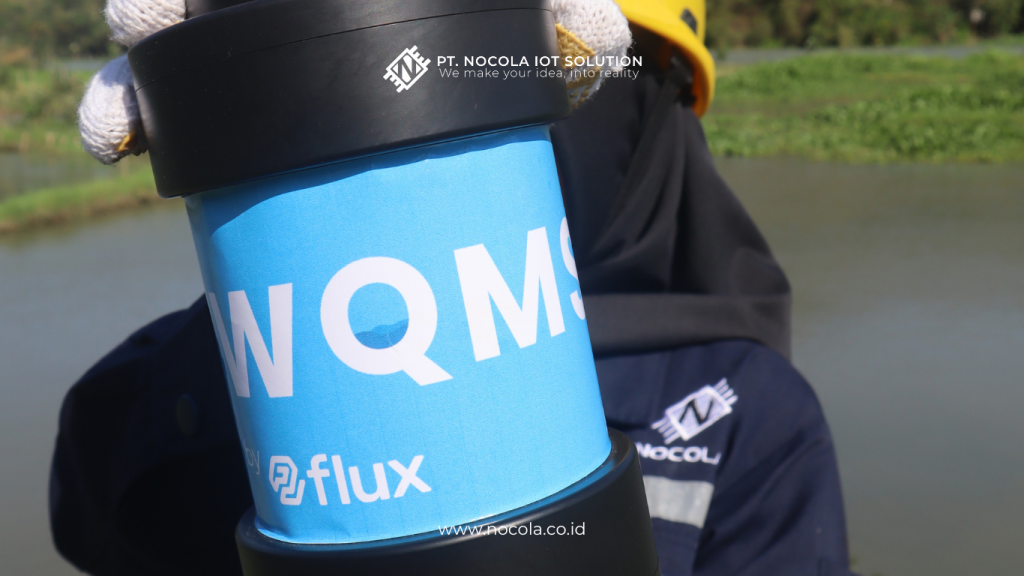
Along with technological advancements, a more advanced solution has emerged, namely WQMS (Water Quality Monitoring System). This system enables automatic, accurate, and real-time water quality monitoring by utilizing Internet of Things (IoT) technology.
This article will comprehensively discuss how WQMS works and how this technology helps maintain water quality more effectively.
Read Also : Continuous Water Monitoring with Integrated WQMS
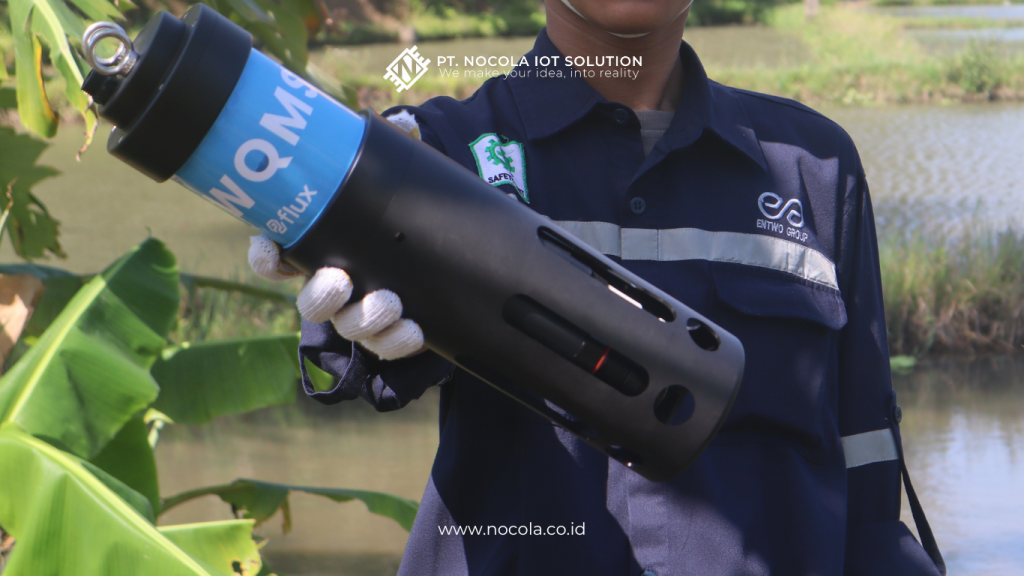
WQMS is a system designed to continuously monitor water quality using sensors and digital technology. This system is used to ensure that water conditions remain within established standards.
In industry, WQMS is used to monitor wastewater quality before it is discharged into the environment. In addition, the system is also used in clean water treatment to ensure water safety.
The main function of WQMS is to automatically measure various water quality parameters. With the generated data, companies can make informed decisions in water management.
Read Also : WQMS: Real-Time Water Quality Monitoring Solution
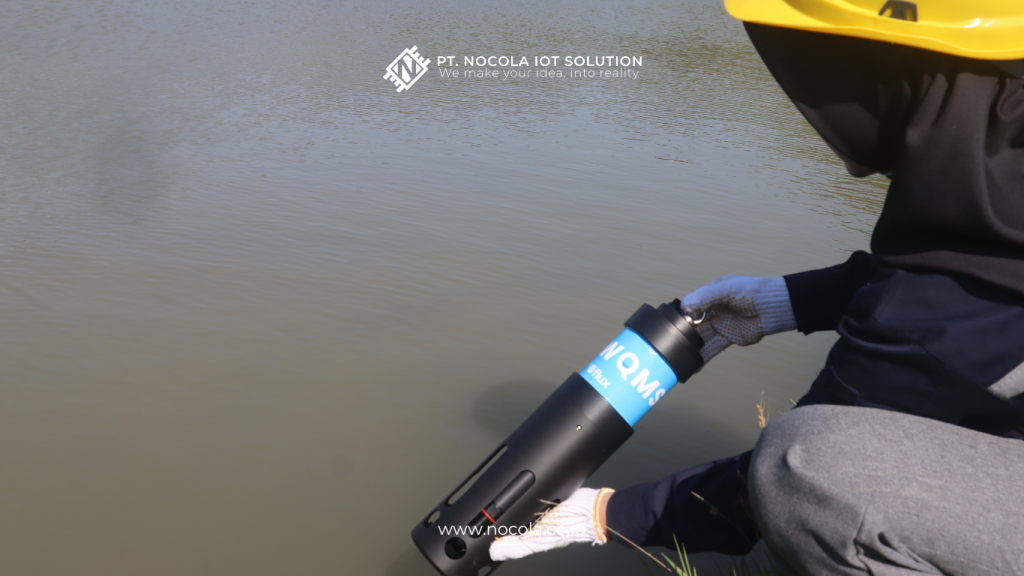
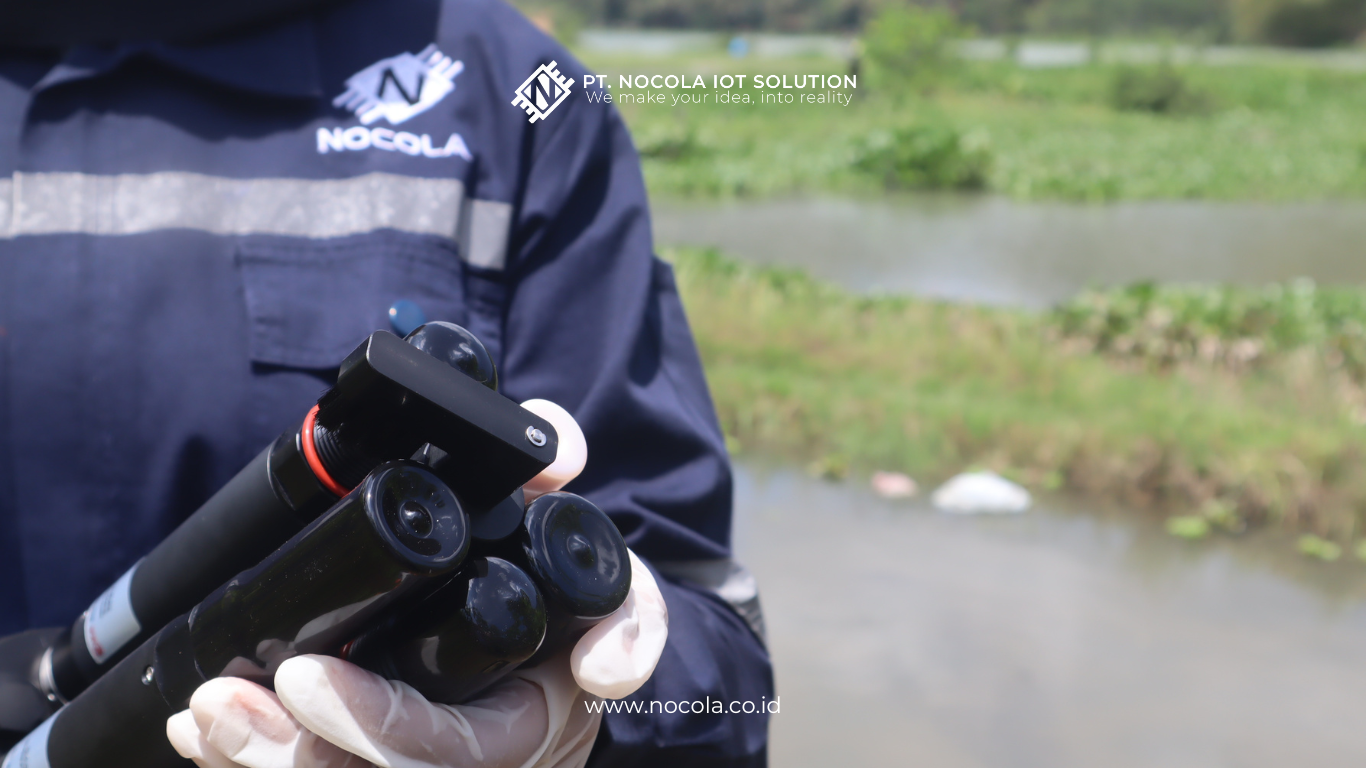
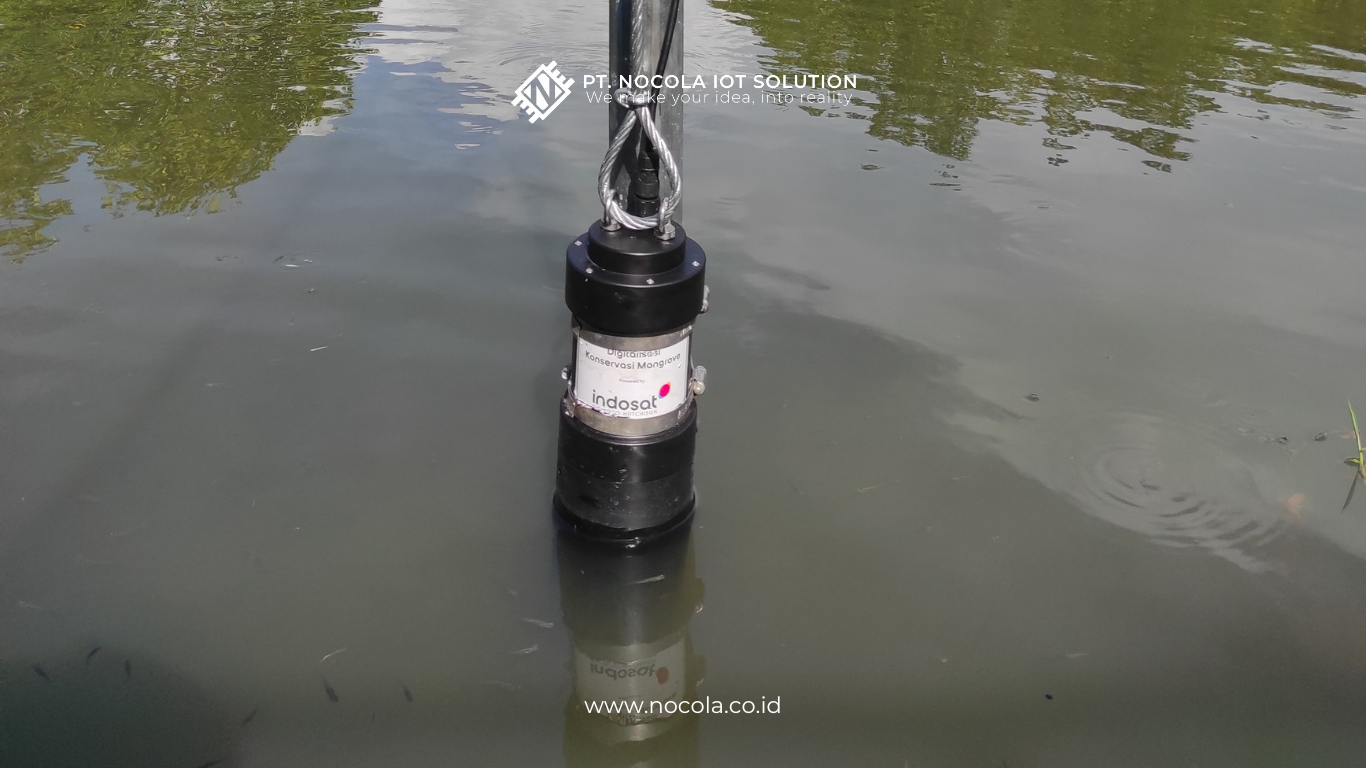
The WQMS process begins with data collection using sensors installed at water sources or specific channels. These sensors function to measure various water quality parameters.
Common parameters measured include pH, temperature, turbidity, dissolved oxygen (DO), and certain chemical contents. Sensors operate continuously to collect data.
The data generated has a high level of accuracy because it is measured directly from the water source. This ensures that the information reflects actual conditions.
With the use of sensors, the measurement process becomes faster and more efficient compared to manual methods.
Read Also : Clean Water is Better Monitored with Water Quality Monitoring System (WQMS)
After data is collected by sensors, the next step is data transmission. The data is sent through communication networks such as Wi-Fi, GSM, or other networks.
IoT technology enables data to be transmitted automatically to a central system without manual intervention. This process occurs in real-time, ensuring that the data is always up to date.
The advantage of this system is flexibility in data access. Users can monitor water quality remotely via devices such as computers or smartphones.
Fast and stable data transmission is key to ensuring the effectiveness of WQMS.
Read Also : Advantages of WQMS in Water Resource Management
The transmitted data is then processed by the system for analysis. This involves transforming raw data into information that is easier to understand.
The analysis results are typically displayed in the form of an interactive dashboard. Users can view graphs, tables, and performance indicators directly.
Data visualization helps users quickly understand water quality conditions. Clear information makes decision-making easier.
In addition, the system can store historical data for long-term analysis.
Read Also : WQMS Nocola: IoT-Based Water Quality Monitoring Technology
One of the key features of WQMS is its alert system. If abnormal changes in water quality occur, the system will automatically send notifications.
These alerts enable users to take immediate action. This is crucial in preventing pollution or environmental damage.
Some WQMS systems are also equipped with automation features. The system can perform specific actions, such as activating pumps or adjusting water treatment processes.
With the combination of alerts and automation, WQMS becomes a highly effective solution for maintaining water quality.
WQMS is a smart technology that enables accurate and real-time water quality monitoring. With processes that include data collection, transmission, processing, and alert systems, WQMS provides a comprehensive solution for water management.
Compared to conventional methods, WQMS offers higher speed, accuracy, and efficiency. This helps industries maintain water quality while complying with environmental regulations.
In the digital era, the adoption of technologies like WQMS is an important step toward supporting sustainability and better water resource management.
